The Bronze Age, a period spanning roughly 3300 BC to 1200 BC, is often envisioned as a time of burgeoning civilizations, intricate metalworking, and expanding trade networks. Yet, beneath the sheen of bronze lay a foundation vulnerable to the vagaries of nature. While grand narratives of kingdoms and conquest dominate historical accounts, a less celebrated but equally significant story unfolds when one delves into the archaeological record: the story of widespread famine. Uncovering the Bronze Age famine reveals a period of immense hardship, societal upheaval, and the critical role of environmental factors in shaping human history.
Archaeological sites across the Bronze Age world offer compelling glimpses into periods of profound food shortage. These silent witnesses, preserved in layers of sediment and within the remains of ancient settlements, speak volumes about the struggles faced by populations when agricultural yields plummeted. The evidence isn’t always dramatic headlines of mass starvation, but rather a mosaic of subtle yet persistent indicators of scarcity.
Settlement Patterns and Abandonment
One of the most striking pieces of evidence for famine is observed in patterns of settlement abandonment. During times of widespread hunger, smaller, more marginal settlements were often the first to be deserted. Families and communities, unable to sustain themselves on depleted local resources, would migrate towards larger centers in the hope of finding more reliable food supplies, or simply to seek aid from those who might have stored reserves. The archaeological record shows a discernible thinning of habitation in certain regions during specific Bronze Age phases, often followed by the depopulation of entire villages. This abandonment wasn’t necessarily a planned migration; it was more often a desperate flight from starvation. The empty hearths and abandoned tools left behind serve as stark reminders of the precipice upon which these societies teetered.
Later Bronze Age abandonment phases, particularly towards the end of the period, have been attributed by some scholars to a combination of climate change and societal collapse, with famine acting as a significant catalyst. The infrastructure and societal structures that had supported larger populations began to buckle under the strain of insufficient food production. Investigating which settlements were abandoned and where people migrated to often reveals networks of movement driven by desperation, a testament to the severity of the food shortages.
Skeletal Remains and Diet Reconstruction
The human skeletal remains unearthed from Bronze Age burial sites provide a poignant and personal dimension to the story of famine. Archaeologists employ sophisticated techniques to analyze these remains, gleaning insights into the diet and health of ancient populations. Indicators of nutritional stress, such as Harris lines (growth arrest lines in bone) and porotic hyperostosis (a porous condition of the skull), are often found in higher frequencies during periods presumed to be characterized by significant food scarcity. These are direct physical manifestations of chronic malnutrition.
Furthermore, stable isotope analysis, a cutting-edge technique, allows researchers to reconstruct the food sources consumed by individuals. By examining the ratios of certain isotopes within bone collagen and tooth enamel, scientists can differentiate between diets based primarily on grains, meat, or fish. During famine years, a shift towards less desirable or more readily available, but nutritionally inferior, food sources would be evident. If staple crops failed, people might resort to consuming wild plants, roots, or even insects, all of which would leave a distinct isotopic signature. The presence of these less-than-ideal dietary components in the archaeological record, particularly in large numbers of individuals, strongly suggests a period of severe food insecurity.
Changes in Material Culture
Beyond the biological and settlement evidence, changes in material culture can also indirectly point to periods of famine. A decline in the production of certain goods, particularly those that require surplus labor or resources, can be an indicator of widespread hardship. When survival becomes the primary concern, the luxury of crafting elaborate pottery, jewelry, or metalwork often takes a backseat. While this is a more interpretive line of evidence, a noticeable decrease in the diversity and quantity of non-essential artifacts in associated stratigraphic layers can be a symptom of a society struggling to feed itself. Resource allocation would likely have shifted from artisanal production to activities directly related to subsistence.
The Bronze Age famine is a significant topic that sheds light on the challenges faced by ancient civilizations, particularly in relation to agricultural practices and climate change. For a modern perspective on how shifts in economic practices can impact societies, you might find the article on companies relocating from China to Mexico interesting. It explores the implications of such movements on global trade and local economies, drawing parallels to how resource availability can shape civilizations. You can read more about it here: Exploring the Shift: Companies Flocking to Mexico from China.
The Climatic Fury: Environmental Triggers of Scarcity
The Bronze Age was not a period of climatic stability. Understanding the specific environmental factors that led to widespread famine is crucial to piecing together this complex narrative. These shifts in climate were not always gradual; some may have been sudden and devastating, pushing already vulnerable agricultural systems to their breaking point.
Prolonged Droughts and Aridification
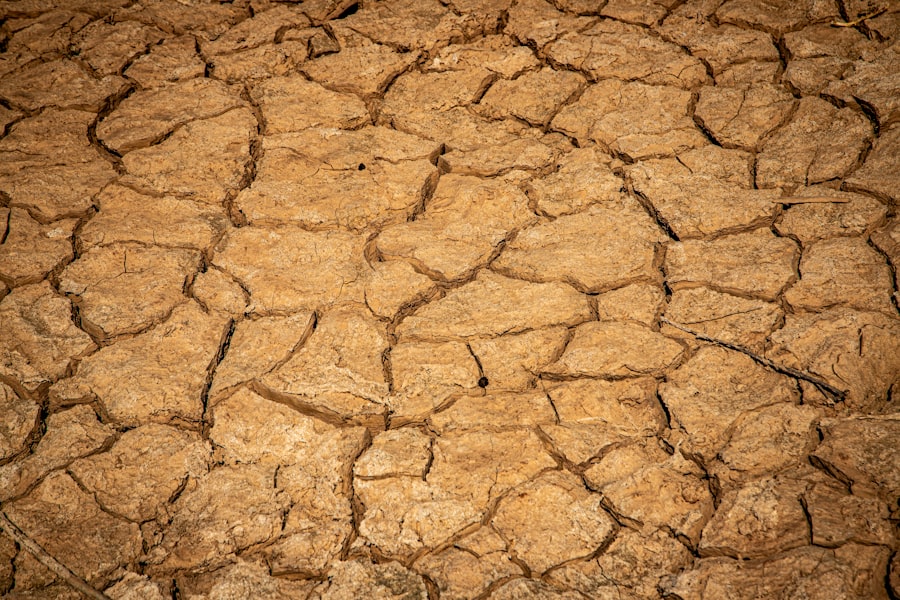
One of the most consistently implicated environmental factors in Bronze Age famines is prolonged drought. Large swathes of the Bronze Age world, from the Fertile Crescent to the Aegean, relied heavily on rain-fed agriculture or irrigation systems that were dependent on reliable river flows, which in turn were fed by rainfall. Extended periods of significantly reduced precipitation would lead to crop failure on a massive scale. Rivers would dwindle, reservoirs would dry up, and the land would become parched, rendering traditional farming methods useless.
Specific paleoclimatic data derived from lake sediments, ice cores, and speleothems (cave formations) have revealed periods of intense aridity during the Bronze Age. Evidence suggests that some of these droughts lasted for several decades, a timescale long enough to devastate even well-established agricultural societies. The impact of such prolonged dryness would have been cumulative, with each successive failed harvest depleting existing food reserves and increasing societal vulnerability.
The study of ancient civilizations often reveals the complexities of their societal structures, including the impact of environmental factors such as famine during the Bronze Age. For a deeper understanding of how economic shifts can affect societies, you might find it interesting to explore the dynamics of modern economies, as discussed in a related article about Mexico’s thriving industrial real estate market. This article highlights how contemporary challenges can mirror those faced by ancient societies, illustrating the enduring nature of economic resilience. You can read more about it here.
Shifts in Rainfall Patterns and Extreme Weather Events
Beyond simple drought, subtle but significant shifts in rainfall patterns could also trigger famine. Changes in the timing or intensity of seasonal rains could disrupt planting and harvesting schedules, leading to reduced yields even if overall precipitation levels were not drastically low. Moreover, the Bronze Age, like today, experienced periods of increased frequency of extreme weather events. Unseasonal frosts, devastating floods, intense hailstorms, or prolonged periods of overcast skies could all contribute to crop destruction.
The archaeological record sometimes reveals evidence of these extreme events. For instance, evidence of widespread flooding in certain regions might correlate with periods of famine, as floodwaters could destroy standing crops, erode fertile topsoil, and disrupt transportation and storage of food. Conversely, the sudden onset of unseasonable cold could have a similar devastating effect on agricultural output.
Volcanic Activity and its Atmospheric Consequences
While harder to directly link to specific famine events without detailed local correlations, the potential impact of large-scale volcanic eruptions cannot be discounted. Major volcanic events can inject vast quantities of ash and sulfur dioxide into the stratosphere, which can then spread globally. This atmospheric blanket can block sunlight, leading to a period of cooling and reduced solar radiation reaching the Earth’s surface. This phenomenon, known as a “volcanic winter,” can have profound impacts on agricultural productivity, leading to widespread crop failures and, consequently, famine.
While direct archaeological evidence of famine caused by volcanic activity is rare and requires precise dating of both the eruption and the famine event, the potential for such large-scale environmental disruption to trigger widespread food shortages in a predominantly agrarian society is undeniable. The Bronze Age likely experienced its share of significant volcanic events, and their potential role as famine triggers warrants ongoing investigation.
Societal Stress and Collapse: The Human Response to Hunger
Famine rarely occurs in isolation. It acts as a powerful stressor on societal structures, exacerbating existing inequalities and often leading to significant social and political upheaval, and in some

How an Entire Civilization Collapsed

FAQs
What was the Bronze Age famine?
The Bronze Age famine refers to a period of widespread food shortage and hunger that occurred during the Bronze Age, around 1200 BCE. This famine is believed to have affected various regions across the Eastern Mediterranean, including ancient Egypt, Greece, and the Near East.
What were the possible causes of the Bronze Age famine?
The exact causes of the Bronze Age famine are still debated among historians and archaeologists. Some potential factors include climate change, drought, crop failures, and disruptions in trade routes and agricultural practices. Additionally, political instability and warfare during this time may have contributed to the food shortages.
How did the Bronze Age famine impact societies?
The Bronze Age famine had significant impacts on the societies of the time. It led to widespread hunger, malnutrition, and population decline. It also contributed to social unrest, political upheaval, and the collapse of some Bronze Age civilizations. The famine may have also played a role in the migration and displacement of populations.
What evidence exists for the Bronze Age famine?
Evidence for the Bronze Age famine comes from various sources, including archaeological findings, ancient texts, and environmental data. For example, researchers have found evidence of decreased agricultural activity, food storage practices, and skeletal remains showing signs of malnutrition. Additionally, written records from the time period often mention food shortages and famine conditions.
How did societies cope with the Bronze Age famine?
Societies during the Bronze Age famine likely employed various strategies to cope with the food shortages. These may have included rationing of food supplies, reliance on alternative food sources, such as wild plants and animals, and migration to areas with better access to food. Additionally, some societies may have turned to trade or warfare to acquire food resources.