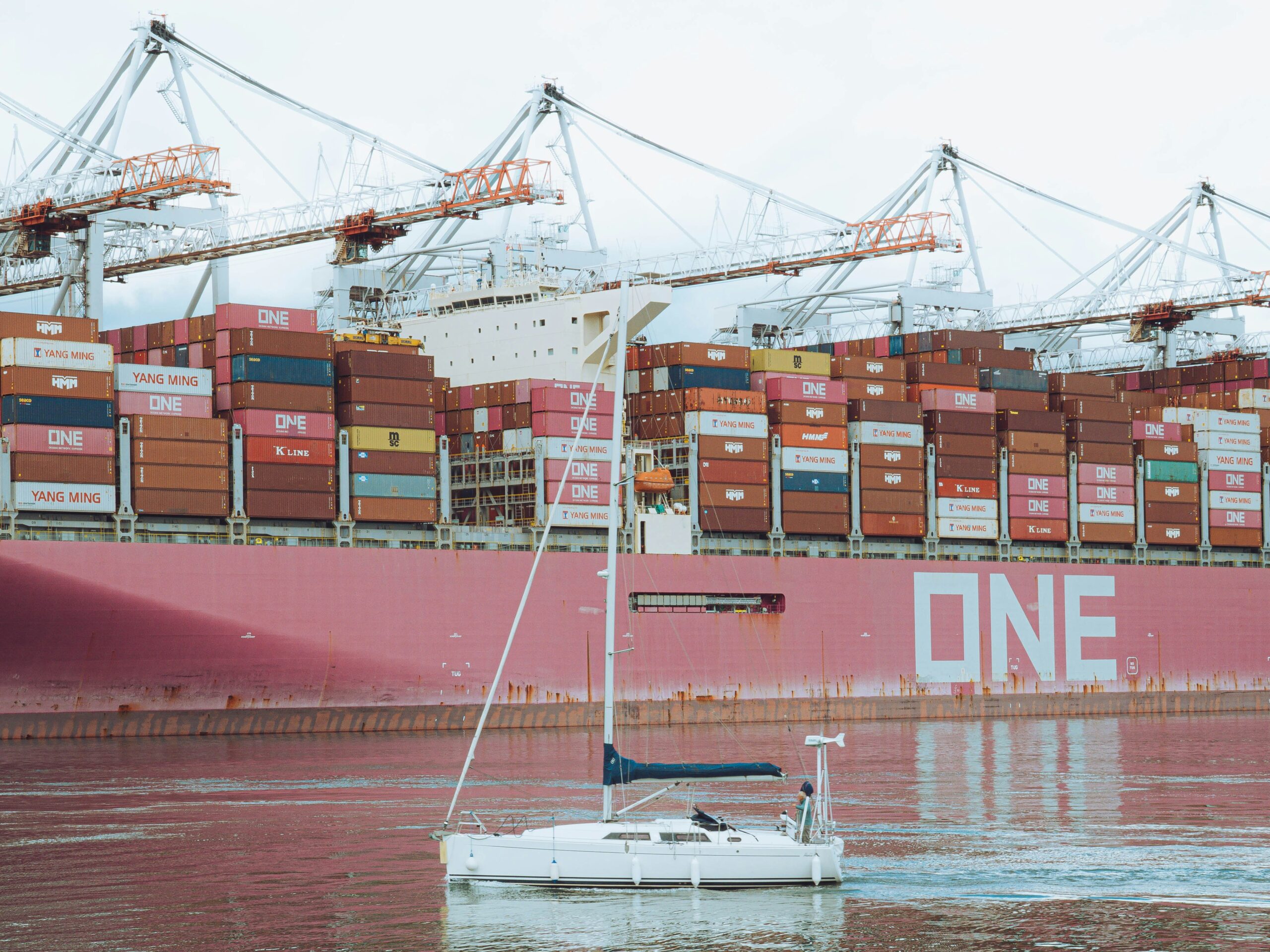
The Ancient World’s Trade Routes: Connecting Civilizations
The tapestry of human history is woven with threads of exchange, and perhaps none are as vital as those that formed the ancient trade routes. These arteries of commerce, stretching across continents and seas, were not merely conduits for the movement of goods; they were vibrant channels through which ideas, technologies, cultures, and even diseases flowed, irrevocably shaping the destinies of civilizations. From the dawn of settled agriculture to the twilight of the Roman Empire, these routes facilitated interactions that fostered innovation, sparked conflict, and ultimately laid the groundwork for the interconnected world we inhabit today. Examining these ancient pathways offers a profound insight into the ambitions, resourcefulness, and interconnectedness of our ancestors.
The Silk Road, a name that evokes images of exotic wares and intrepid journeys, was not a single, paved highway but a sprawling network of routes connecting the East and the West. Its origins can be traced back to the Han Dynasty in China, around the 2nd century BCE, when Emperor Wu dispatched Zhang Qian on a diplomatic mission to Central Asia. His journey, though initially aimed at forging alliances, inadvertently opened up pathways for trade, bringing Chinese silks, spices, and precious metals westward, and introducing goods like grapes, alfalfa, and glassware eastward. This burgeoning exchange would continue for over a millennium, profoundly impacting the development of numerous civilizations.
Merging Pathways and Key Hubs
The Silk Road was a dynamic entity, constantly shifting and adapting to political landscapes and geographical challenges. It comprised a multitude of overland routes, often branching and converging.
The Northern Route
This route typically began in Chang’an (modern-day Xi’an), the Han capital, traveled northwest through the Hexi Corridor, and then split into northern and southern branches across Central Asia. Major oasis cities like Dunhuang, Turpan, and Kashgar served as vital stopping points, offering rest, resupply, and markets. From these hubs, caravans braved harsh desert terrains like the Taklamakan, facing sandstorms and scarcity of water, relying on the resilience of their traders and the loyalty of their pack animals.
The Southern Route
This branch of the overland Silk Road often skirted the southern edge of the Taklamakan Desert, passing through cities such as Hotan and Yarkand. It eventually rejoined the northern route in the Pamir Mountains, a formidable natural barrier that presented both an obstacle and a crucial junction for divergent paths.
The Maritime Silk Road
While often overshadowed by its overland counterpart, the Maritime Silk Road was equally, if not more, significant in terms of sheer volume of trade. This network of sea lanes connected East Asia with Southeast Asia, the Indian subcontinent, the Arabian Peninsula, and eventually eastern Africa and southern Europe. Ports like Guangzhou, Quanzhou, and Malacca in the East, and ports in India, the Persian Gulf, and the Red Sea in the West, teemed with activity. Ships laden with ceramics, spices, textiles, and luxury goods navigated treacherous seas, relying on monsoon winds and burgeoning navigational techniques.
Goods of Exchange: More Than Just Silk
While silk was undoubtedly the most prized commodity originating from China, the Silk Road facilitated the exchange of a vast array of goods.
Eastern Exports
Beyond silk, China exported porcelain, lacquerware, paper, gunpowder, and precious metals. Spices, particularly from Southeast Asia and India, were in high demand in the West, including pepper, cinnamon, cloves, and nutmeg. These were not just culinary ingredients but also held medicinal and preservative properties.
Western Imports
From the West, the East received horses, particularly prized for their superior breeding and military potential. Woolen fabrics, glassware, gold, silver, and precious stones also flowed eastward. Agricultural products, such as grapes (and the technology of winemaking), alfalfa, and certain fruits, were introduced to China.
Cultural and Technological Diffusion
The impact of the Silk Road extended far beyond economics. The constant movement of people along these routes fostered unprecedented cultural exchange.
Religious Transmission
Buddhism, originating in India, spread eastward along the Silk Road, profoundly influencing the cultures of Central Asia, China, Korea, and Japan. Conversely, Nestorian Christianity and later Islam also found their way along these routes, establishing communities and impacting religious landscapes.
Technological Innovations
Key technologies diffused across continents. Papermaking, pioneered in China, eventually reached the Islamic world and then Europe, revolutionizing record-keeping and the dissemination of knowledge. Gunpowder technology, another Chinese invention, had a profound impact on warfare globally. The compass, also a Chinese innovation, greatly improved maritime navigation.
Ancient world trade routes played a crucial role in the exchange of goods, culture, and ideas across civilizations. These pathways not only facilitated commerce but also contributed to the spread of technology and innovations. For a deeper understanding of how ancient cities were interconnected through these trade networks, you can explore the article on pneumatic foundations and their significance in urban development at Unearthing Ancient Cities: The Pneumatic Foundations. This article delves into the architectural advancements that supported trade and commerce in ancient times.
The Spice Routes: Aromatic Empires and Maritime Power
While the Silk Road focused on a diverse range of luxury goods, the Spice Routes, primarily maritime, were driven by a singular, intensely desirable commodity: spices. For millennia, the aromatic treasures of the East – pepper, cinnamon, cloves, nutmeg, ginger, and more – held immense value in the West, prized for their culinary, medicinal, and preservative qualities. The quest for direct access to these valuable commodities fueled exploration, conquest, and the rise and fall of empires.
The Allure of Aromatic Treasures
The demand for spices in ancient civilizations, particularly in Europe, was insatiable. These were not mere flavor enhancers but symbols of status, wealth, and refinement.
Culinary Delights
Spices added taste, complexity, and variety to diets, especially in regions where fresh ingredients were scarce or seasonal. They were used to mask spoilage in food, a crucial element before widespread refrigeration.
Medicinal Properties
Many spices were believed to possess potent medicinal properties, used to treat a wide range of ailments, from digestive issues to fevers. Ancient physicians and apothecaries relied heavily on these exotic ingredients.
Preservatives and Perfumes
Their antimicrobial properties made spices effective preservatives for food and even meat. Furthermore, their aromatic qualities made them valuable in the creation of perfumes, incense, and cosmetics.
Navigating the Monsoon Winds
The Spice Routes were intrinsically linked to the predictable patterns of the monsoon winds in the Indian Ocean. This natural phenomenon dictated the timing of voyages and the routes taken.
The Arabian Sea and the Indian Ocean
Ships would depart from ports in Southeast Asia, laden with spices, and sail westward, utilizing the southwestern monsoon winds. They would stop at ports along the Malabar Coast of India, a major trading hub, and then continue across the Arabian Sea to the Persian Gulf and the Red Sea.
The Red Sea and Mediterranean Connection
From Red Sea ports like Adan and Jeddah, spices would be transported overland or by smaller vessels to the Mediterranean. From there, Italian merchant republics like Venice and Genoa would dominate the distribution of these goods throughout Europe, amassing considerable wealth and influence.
The Middlemen and the Empires
The indirect nature of the Spice Route trade, with numerous intermediaries involved, led to immense profits for those who controlled the supply chain.
Arab and Persian Dominance
For centuries, Arab and Persian merchants played a pivotal role in the Spice Routes, controlling much of the trade between Southeast Asia and the Mediterranean. Their expertise in navigation and their established trading networks were unparalleled.
The Rise of Venetian and Genoese Powers
As spices reached the Mediterranean, Italian city-states, particularly Venice and Genoa, monopolized their import into Europe. They established vast trading empires, their fleets crisscrossing the Mediterranean, and their merchants wielding significant economic and political power. This wealth funded Renaissance art and architecture, demonstrating the profound impact of these aromatic commodities.
The Quest for Direct Access
The enormous profits generated by the spice trade inevitably led European powers to seek direct access, bypassing the established intermediaries. This desire was a significant driving force behind the Age of Exploration.
Portuguese Expeditions
Vasco da Gama’s successful voyage to India around the Cape of Good Hope in 1498 marked a turning point. It shattered the monopoly of the Italian city-states and opened up direct sea routes from Europe to the spice-producing regions, forever altering the global trade landscape.
Subsequent European Exploration
The Portuguese success spurred other European nations, including Spain, England, and the Netherlands, to embark on their own voyages of discovery, seeking to control different segments of the spice trade and establish their own colonial empires.
Riverine Highways: The Lifeblood of Inland Civilizations

Beyond the vast oceanic routes and the sprawling overland networks, the ancient world’s liquid highways – its rivers – played an equally crucial role in connecting civilizations and fostering the growth of early societies. These waterways provided a vital means of transportation, facilitating the movement of goods, people, and ideas within inland regions, often where overland travel was arduous or impossible. The accessibility and resources offered by major river systems were instrumental in the rise of some of the world’s earliest and most influential civilizations.
The Cradle of Civilization: Mesopotamia and the Tigris-Euphrates
The land between the Tigris and Euphrates rivers, known as Mesopotamia, is often hailed as the cradle of civilization. The very existence and flourishing of Sumerian, Akkadian, Babylonian, and Assyrian societies were inextricably linked to these two mighty rivers.
Navigational Advantages
The Tigris and Euphrates provided natural transportation arteries, allowing for the movement of goods such as grain, pottery, timber, and even large building materials over long distances. This facilitated trade between city-states and contributed to the development of complex urban centers.
Agricultural Support and Urban Growth
Beyond transportation, the rivers were the lifeblood of agriculture. Sophisticated irrigation systems, developed by these ancient peoples, harnessed the waters for crop cultivation, enabling surplus food production necessary to support large, non-agrarian populations in cities like Uruk, Ur, and Babylon.
Interconnected Economies
Trade flourished along these river systems. Goods were transported downstream to larger settlements and upstream to smaller agricultural communities. This interconnectedness fostered economic specialization and interdependence between different regions.
The Nile: Egypt’s Everlasting Artery
In ancient Egypt, the Nile River was not just a means of transport but the absolute foundation of its civilization. The predictable annual flooding of the Nile brought fertile silt, replenishing the land and making agriculture possible in an otherwise arid region.
The “Gift of the Nile”
Herodotus famously called Egypt “the gift of the Nile,” and for good reason. The river provided an unparalleled source of water for irrigation, allowing for consistent crop yields that sustained a large population and a complex society.
A Highway for Empire
The Nile served as the primary highway of ancient Egypt. Hierarchical societies along its length were connected by the river’s flow. Boats, from simple reed crafts to larger sailing vessels, transported agricultural produce, building materials for monumental architecture like pyramids and temples, and trade goods to and from distant lands through its delta.
Unification and Administration
The ease of travel and communication offered by the Nile greatly aided in the unification and administration of the sprawling Egyptian kingdom. Pharaohs could easily dispatch officials, armies, and tax collectors along its course, maintaining control over their vast territory.
The Yangtze and Huang He: Arteries of Ancient China
In East Asia, the Yangtze and Huang He (Yellow River) played a similar, indispensable role in the development of Chinese civilization. These mighty rivers facilitated communication, trade, and cultural exchange within the vast Chinese heartland.
Supporting Agricultural Development and Population Centers
Like the Tigris-Euphrates and the Nile, these rivers provided essential water for agriculture, supporting the development of early farming communities that would eventually coalesce into powerful dynasties. Major centers of Chinese civilization, such as those of the Shang and Zhou dynasties, sprang up along their banks.
Facilitating Internal Trade and Communication
The Yangtze, with its navigable waterways, and the Huang He, despite its more turbulent nature, became crucial arteries for internal trade and communication. Goods, ideas, and administrative decrees could be transported across significant distances, fostering a sense of a unified Chinese identity.
Connecting the Hinterland to Coastal Ports
As Chinese civilization expanded and engaged in overseas trade, rivers like the Yangtze served as vital links, bringing goods from the interior to coastal ports, where they could then be exported to other parts of the ancient world.
The Mediterranean Sea: The Crossroads of Empires

The Mediterranean Sea, a vast expanse of water embraced by Europe, Asia, and Africa, served as the quintessential crossroads of the ancient world. Its relatively calm waters and numerous islands facilitated trade and interaction between diverse cultures, leading to the rise of powerful empires and the exchange of groundbreaking ideas that would shape Western civilization. For millennia, this sea was a vibrant arena of commerce, conflict, and cultural fusion.
The Aegean and Minoan Dominance
The earliest significant maritime trade in the Mediterranean was dominated by the Minoan civilization on the island of Crete, flourishing from around 2700 to 1450 BCE. Their advanced seafaring technology and extensive trade networks predated the rise of many later Mediterranean powers.
Minoan Thalassocracy
The Minoans established a formidable “thalassocracy,” or sea power, controlling trade routes across the Aegean and beyond. They traded their unique pottery, olive oil, wine, and bronze goods for raw materials like timber, metals, and luxury items from Egypt, the Levant, and mainland Greece.
Palaces as Trading Hubs
Their magnificent palace complexes, such as Knossos, served not only as administrative and religious centers but also as bustling hubs of economic activity, showcasing their wealth and sophisticated organization.
The Phoenicians: Masters of the Waves
Following the decline of the Minoans, the Phoenicians, a seafaring people from the Levant (modern-day Lebanon), rose to prominence in maritime trade. Their innovations and far-reaching voyages left an indelible mark on the ancient world.
Pioneering Navigation and Shipbuilding
The Phoenicians were renowned for their advanced shipbuilding and navigational skills. They developed the bireme and trireme, efficient warships that allowed them to control sea lanes and engage in extensive trade. Their use of astronomical navigation, charting courses by the stars, was revolutionary.
Establishing Colonies and Trade Networks
They established a vast network of trading posts and colonies throughout the Mediterranean, including the influential city of Carthage in North Africa, Gadir (modern-day Cadiz) in Spain, and emporiums in Sicily and Sardinia. These colonies facilitated trade and spread Phoenician culture and influence across the region.
The Alphabet’s Legacy
Perhaps their most enduring legacy is the Phoenician alphabet, a phonetic system of writing that was adopted and adapted by the Greeks and Romans, forming the basis of most modern European alphabets. This was a monumental leap in the dissemination of knowledge.
Greek Expansion and Hellenistic Networks
The Greeks, building upon the foundations laid by earlier maritime powers, established their own vast trading network during the Archaic and Classical periods, fueled by population growth and the search for resources.
Colonization and City-States
Greek city-states established numerous colonies across the Mediterranean and Black Seas, from Sicily and southern Italy to the coasts of Anatolia and North Africa. These colonies served as vital trading partners, supplying grain, metals, timber, and other essential commodities.
Trade in Olive Oil, Wine, and Pottery
The Greeks were particularly known for their export of olive oil, wine, and finely crafted pottery, which became highly sought-after throughout the Mediterranean world.
The Hellenistic Period and thespread of Culture
Following the conquests of Alexander the Great, the Hellenistic period saw an even greater interconnectedness of the Mediterranean. Greek language, culture, and ideas spread widely, facilitated by vast trade routes and the establishment of new cities that became centers of learning and commerce.
Rome’s Maritime Dominance and Integration
The Roman Empire, through its military might and administrative genius, eventually brought unprecedented unity to the Mediterranean world, transforming it into a single, integrated economic and political space.
Mare Nostrum: “Our Sea”
The Romans famously referred to the Mediterranean as “Mare Nostrum,” emphasizing their complete control over its waters. They secured the sea lanes, suppressed piracy, and established a vast network of roads and infrastructure that facilitated the movement of goods to and from its ports.
Grain Fleets and Imperial Supply
The Roman Empire relied heavily on the Mediterranean for the supply of grain, particularly from Egypt and North Africa, to feed its burgeoning population in Rome and other major cities. Massive grain fleets regularly traversed the sea.
The Exchange of Goods and Ideas
Rome facilitated a massive exchange of goods, from luxury items and slaves to raw materials and manufactured products. This era also saw the widespread diffusion of Roman law, language, and administration, further knitting together the diverse peoples of the Mediterranean basin.
Ancient world trade routes played a crucial role in the exchange of goods, culture, and ideas among civilizations. These pathways not only facilitated commerce but also contributed to the spread of technology and innovation. For a deeper understanding of how advanced technologies influenced these ancient societies, you can explore this insightful article on lost secrets of ancient civilizations. The intricate networks of trade routes, such as the Silk Road and the Incense Route, highlight the interconnectedness of early human societies and their remarkable achievements.
Overland Routes Beyond the Silk Road: Connecting Continents
| Trade Route | Connected Regions | Main Goods Traded |
|---|---|---|
| Silk Road | China, Central Asia, Middle East, Europe | Silk, spices, precious metals |
| Trans-Saharan Trade Route | North Africa, West Africa, Mediterranean | Gold, salt, ivory, slaves |
| Indian Ocean Trade Route | East Africa, Middle East, India, Southeast Asia, China | Spices, textiles, precious stones |
| Amber Road | Baltic region, Mediterranean | Amber, glass, metals |
While the Silk Road often garners the most attention for its transcontinental scope, numerous other vital overland trade routes crisscrossed the ancient world, connecting regions that might otherwise have remained isolated. These routes, though perhaps less glamorous than the fabled Silk Road, were crucial for regional economies, the movement of essential resources, and the dissemination of local innovations.
The Incense Routes: Powering the Arabian Peninsula and Beyond
The Incense Routes, primarily a network of caravan trails across the Arabian Peninsula, were vital for the ancient world’s demand for frankincense and myrrh. These fragrant resins, harvested from trees in southern Arabia, were highly prized for their use in religious rituals, perfumery, and medicine across the Mediterranean, Mesopotamia, and Egypt.
The Richness of Arabia
The Nabataeans, with their capital at Petra, rose to prominence by controlling segments of these routes, levying taxes and providing safe passage for caravans laden with these precious commodities. Their sophisticated water management systems in the desert allowed them to thrive and control the flow of goods.
Connecting to Mediterranean Ports
Caravans would travel northwards, connecting with ports on the Red Sea and the Persian Gulf, where the incense would be loaded onto ships for further journeys to Egyptian, Greek, and Roman markets. These routes fostered wealth and cultural exchange between the Arabian Peninsula and the wider ancient world.
The Amber Road: Baltic Treasures to Mediterranean Markets
The Amber Road was a network of trade routes that connected the Baltic Sea region, a primary source of amber, with the Mediterranean world, particularly the Roman Empire. Amber, a fossilized tree resin, was highly valued for its beauty and was used to create jewelry, amulets, and ornamental objects.
The Baltic Source
Ancient peoples in the Baltic region, such as the Prussians and Lithuanians, mined and collected amber, which was then traded inland. Evidence suggests early routes stretching southwards through what is now Poland and the Czech Republic.
Roman Demand and Economic Impact
The Romans had a particular fascination with amber, which they believed possessed magical and medicinal properties. The Amber Road became a crucial channel for this valuable commodity, enriching both the traders and the Roman elites who coveted it. This trade also facilitated the exchange of other goods and cultural influences between Northern Europe and the Roman Empire.
Trans-Saharan Trade: Linking North and West Africa
While often considered part of later medieval history, the foundations of trans-Saharan trade were laid in the ancient world. Early interactions between North Africa and sub-Saharan Africa, though less well-documented than Mediterranean trade, set the stage for later, more extensive networks.
Early Exchanges
Evidence suggests that goods such as salt, ivory, gold, and possibly enslaved people moved between regions. The harsh desert environment presented significant challenges, requiring sophisticated knowledge of routes, water sources, and camel domestication.
The Garamantes and Their Role
The Garamantes, a Berber people who inhabited the Fezzan region of Libya in antiquity, played a crucial role in facilitating early trans-Saharan trade. They developed impressive underground irrigation systems (foggara) that allowed them to sustain communities and support caravan routes across the desert. Their empire served as a vital intermediary, connecting the Mediterranean world with the resources of sub-Saharan Africa.
The Routes of the Steppes: Nomads and Empire Builders
The vast Eurasian Steppes, stretching from Eastern Europe to Mongolia, were traversed by numerous, albeit often less permanent, trade routes utilized by nomadic peoples. These routes facilitated the movement of livestock, hides, furs, and served as pathways for the expansion and interaction of various tribal confederations and early empires.
Nomadic Hubs and Exchange Points
Nomadic groups, with their mobility and mastery of horse husbandry, were natural facilitators of trade across these vast grasslands. They established seasonal encampments and temporary markets where goods could be exchanged.
The Movement of Peoples and Technologies
These steppe routes were not just for the movement of goods; they were also conduits for the migration of peoples, the diffusion of military technologies, and the exchange of political and social ideas that significantly impacted the settled civilizations on their fringes, such as China, Persia, and later, Russia.
Ancient world trade routes played a crucial role in shaping the economies and cultures of civilizations, facilitating the exchange of goods, ideas, and technologies across vast distances. These routes, such as the Silk Road and the Incense Route, not only connected merchants but also fostered diplomatic relationships between different societies. For a deeper understanding of how historical trade practices influence modern international relations, you can explore this insightful article on key strategies for success in navigating international relations. Check it out here.
The Enduring Legacy: Foundations of the Modern World
The ancient world’s trade routes – the Silk Road, the Spice Routes, the riverine highways, the Mediterranean maritime network, and the diverse overland paths – were far more than mere channels for commerce. They were the very sinews that connected disparate human societies, fostering unprecedented levels of interaction, innovation, and cultural exchange. The impact of these ancient arteries of trade resonates profoundly in the foundations of the modern world.
The Interconnectedness of Global Trade
The ancient trade routes laid the groundwork for the globalized economy we know today. They demonstrated the immense benefits of specialization, comparative advantage, and the interdependence of different regions. The pursuit of rare commodities and the establishment of complex supply chains were early precursors to modern international trade.
The Diffusion of Ideas and Technologies
Perhaps even more significant than the movement of goods was the transmission of ideas and technologies. The spread of religions, alphabets, scientific knowledge, agricultural techniques, and military innovations fundamentally reshaped societies and accelerated human progress. The printing press, the steam engine, and the internet all stand on the shoulders of these earlier innovations that were disseminated through ancient trade networks.
The Birth of Cultural Hybridity
The constant interaction along these routes fostered a rich tapestry of cultural hybridity. Religions blended, artistic styles influenced one another, and languages evolved through contact. This process of cultural exchange led to a greater understanding, and sometimes conflict, between different peoples, ultimately enriching the human experience. The diversity of cuisines, music, and artistic expressions we enjoy today is a testament to this ancient cross-pollination.
The Seeds of Exploration and Discovery
The desire to control and expand upon these ancient trade routes was a primary catalyst for the Age of Exploration. European powers, driven by the immense profits generated by existing networks, embarked on voyages of discovery, seeking new routes and new markets. This quest to circumvent existing monopolies and establish direct access ultimately led to the charting of the globe and the interconnectedness of continents on an unprecedented scale.
The Lessons for Today
Examining the ancient world’s trade routes provides valuable lessons for our own interconnected era. It highlights the importance of infrastructure, the fragility of supply chains, the complex interplay of economics and politics, and the enduring power of human connection and exchange. Understanding these historical pathways not only illuminates the past but also offers crucial insights into the challenges and opportunities that continue to shape our globalized present and future. The ancient traders, driven by commerce and curiosity, inadvertently built a world that, though vastly different in scale and technology, shares a fundamental desire for connection and exchange that has persisted throughout human history.

How an Entire Civilization Collapsed
FAQs
What were the major ancient world trade routes?
The major ancient world trade routes included the Silk Road, the Trans-Saharan trade routes, the Indian Ocean trade routes, and the Mediterranean trade routes.
What goods were traded along ancient world trade routes?
A wide variety of goods were traded along ancient world trade routes, including silk, spices, precious metals, gemstones, ivory, slaves, and agricultural products such as grains and fruits.
How did ancient world trade routes impact civilizations?
Ancient world trade routes facilitated the exchange of goods, ideas, and cultures between different civilizations. They also contributed to the spread of technologies, religions, and languages, and played a significant role in the development of economies and societies.
What were the challenges of traveling along ancient world trade routes?
Traveling along ancient world trade routes presented various challenges, including harsh weather conditions, difficult terrain, the threat of bandits and pirates, and the risk of disease. Additionally, traders had to navigate different languages, customs, and legal systems in the regions they traveled through.
How did ancient world trade routes decline?
The decline of ancient world trade routes was influenced by factors such as the fall of empires, the rise of new trade routes, the development of maritime trade, and the disruption of trade due to conflicts and invasions. Additionally, the opening of new sea routes and the discovery of the Americas contributed to the decline of overland trade routes.