The echoes of civilizations long past beckon, inviting us to embark on a journey through the annals of ancient world history. This monumental epoch, stretching from the dawn of human recorded history to the fall of empires that shaped our modern world, is a tapestry woven with innovation, conflict, and the enduring spirit of humankind. To truly appreciate the foundations upon which our present is built, one must delve into the intricate narratives of the peoples who first organized societies, developed complex belief systems, and left behind legacies that continue to resonate today. Exploring ancient world history is not merely an academic pursuit; it is an act of understanding our own origins, a quest to comprehend the fundamental questions of human existence that have occupied thinkers for millennia.
The story of ancient history often begins in a region blessed by nature, a crescent of fertile land nestled between the Tigris and Euphrates rivers. This land, known as Mesopotamia, witnessed the birth of the world’s first cities, the invention of writing, and the development of organized governance. Its influence stretched far beyond its geographical boundaries, shaping the course of human development in profound ways.
Sumerian Innovations: The Dawn of Urban Life
The Sumerians, flourishing in southern Mesopotamia from around the 4th millennium BCE, are credited with a groundbreaking leap in human societal organization: the establishment of the first true cities. Uruk, Ur, and Lagash were not merely settlements; they were complex urban centers with organized governments, specialized labor, and monumental architecture like the iconic ziggurats.
The Invention of Cuneiform: Recording the World
Perhaps the most significant Sumerian contribution was the invention of cuneiform, one of the earliest known forms of writing. This wedge-shaped script, pressed into clay tablets, allowed for the recording of laws, administrative records, literature, and religious texts. The ability to preserve and transmit knowledge across time and space was a revolutionary development, enabling the growth of complex societies and the accumulation of learning.
Early Governance and Religion in Sumer
Sumerian city-states were typically ruled by priest-kings, with religion deeply intertwined with political power. The gods were believed to be the ultimate rulers, and the priests acted as their intermediaries. Ziggurats, massive stepped temples, served as religious and administrative centers, reflecting the central role of faith in Sumerian life. Their pantheon of gods was vast, each associated with natural forces and human endeavors.
The Rise and Fall of Empires: Akkadians, Babylonians, and Assyrians
Following the decline of Sumerian dominance, Mesopotamia saw the rise of powerful empires. The Akkadian Empire, under Sargon the Great, unified a vast swathe of the region, ushering in an era of centralized rule. Later, the Babylonians, most famously under Hammurabi, promulgated one of the earliest comprehensive legal codes, providing a framework for justice and social order.
Hammurabi’s Code: A Landmark in Law
Hammurabi’s Code, inscribed on a large stone stele, is a testament to the early development of codified law. It addressed a wide range of offenses and punishments, based on the principle of retribution (“an eye for an eye”). While seemingly harsh by modern standards, it marked a significant step towards a more systematic and equitable application of justice.
The Assyrian Military Machine: Power and Expansion
The Assyrians, known for their formidable military prowess and their iron weaponry, conquered vast territories and established a sprawling empire. Their capital cities, such as Nineveh, were centers of immense power and wealth, adorned with magnificent palaces and colossal sculptures.
Beyond Mesopotamia: The Influence of the Levant and Egypt
While Mesopotamia was a focal point of early civilization, the Levant and the Nile Valley also played crucial roles in shaping the ancient world. The Phoenicians, an seafaring people from the Levant, developed an alphabet that would form the basis of many modern writing systems. Ancient Egypt, with its unique geography and enduring culture, presented a distinct model of civilization characterized by pharaohs, pyramids, and a profound connection to the afterlife.
The Phoenician Alphabet: A Legacy of Communication
The Phoenicians revolutionized communication with their development of an alphabetic script, consisting of around 22 consonant symbols. This system was simpler and more adaptable than cuneiform or hieroglyphics, allowing for wider literacy and facilitating trade and cultural exchange across the Mediterranean.
Ancient Egypt: The Gift of the Nile
Egypt’s civilization was inextricably linked to the Nile River, which provided fertile land for agriculture and a vital transportation route. The Old, Middle, and New Kingdoms saw the construction of the pyramids, the reign of powerful pharaohs, and the development of sophisticated religious beliefs and funerary practices. Hieroglyphics, their complex writing system, adorned temples and tombs, preserving their history and mythology.
The history of the ancient world is filled with intriguing narratives about power, deception, and the rulers who shaped civilizations. A fascinating article that delves into this theme is titled “Uncovering the Deceptions of Ancient Rulers,” which explores the tactics employed by leaders throughout history to maintain control and manipulate their subjects. This piece provides valuable insights into the complexities of governance in ancient societies and how these strategies have influenced modern perceptions of leadership. You can read the article here: Uncovering the Deceptions of Ancient Rulers.
The Aegean World: Minoans, Mycenaeans, and the Dawn of Greece
Moving westward, the Aegean Sea became a crucible for the development of early European civilizations. The Minoans on Crete and the Mycenaeans on mainland Greece laid the groundwork for the classical Greek civilization that would later captivate the world with its philosophy, art, and democracy.
The Minoan Civilization: Palaces and Maritime Power
The Minoans, flourishing on Crete from around 2700 to 1450 BCE, were a sophisticated Bronze Age society known for their elaborate palace complexes, such as Knossos. Their art, characterized by vibrant frescoes and intricate pottery, depicts a deep connection to nature and the sea. They were also skilled mariners, establishing extensive trade networks throughout the Aegean and beyond.
Linear A and the Mystery of Minoan Script
The Minoans developed their own writing system, known as Linear A, which remains largely undeciphered. This linguistic enigma adds to the allure of this fascinating civilization, leaving scholars to ponder the intricacies of their language and the secrets it holds.
The Palatial Economy: Centralized Administration and Trade
Minoan society appears to have been organized around large, centralized palaces that served as administrative, economic, and religious centers. Archaeological evidence suggests a highly organized economy based on agriculture, skilled craftsmanship, and extensive sea-borne trade.
The Mycenaean Civilization: Warrior Kings and Legendary Tales
The Mycenaeans, who succeeded the Minoans in prominence around 1600 BCE, were a more warlike culture, as evidenced by their fortified citadels and elaborate burial practices. These Bronze Age Greeks are the likely inspiration for the epic tales of Homer’s Iliad and Odyssey.
Linear B: The Earliest Form of Greek
The Mycenaeans developed a script known as Linear B, a syllabic script that has been deciphered and found to be an early form of Greek. This discovery provided crucial insights into their language, administration, and economic activities.
The Collapse of the Bronze Age: A Period of Disruption
Around 1200 BCE, the Mycenaean civilization, along with much of the Eastern Mediterranean, experienced a widespread collapse. The causes are debated, but likely involved a combination of factors, including invasions, internal strife, climate change, and economic disruption. This period marked a significant break in recorded history, ushering in what is often referred to as the Greek “Dark Ages.”
The Classical World: The Golden Age of Greece and the Rise of Rome
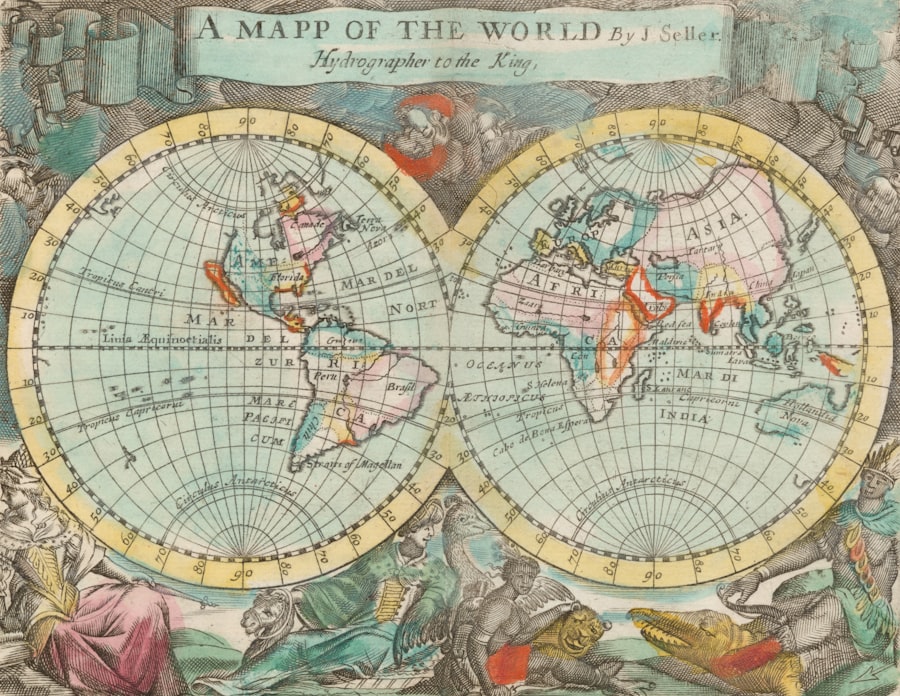
Emerging from the disruptive period of the Bronze Age collapse, ancient Greece experienced a remarkable resurgence, leading to the development of unique political systems, groundbreaking philosophical thought, and unparalleled artistic achievements. Simultaneously, in Italy, a small city-state was slowly but steadily growing in power, destined to forge an empire that would dominate the Mediterranean world.
The Greek City-States: Democracy, Philosophy, and the Arts
Classical Greece, particularly the period from the 5th to the 4th centuries BCE, is renowned for its flourishing city-states, or poleis. Athens, with its nascent democracy, and Sparta, with its militaristic society, represent two prominent, yet vastly different, models of Greek civilization.
Athenian Democracy: The Birth of Citizen Rule
Athens is celebrated for its pioneering development of democracy, where citizens directly participated in the governance of their city. While limited to freeborn adult males, this system fostered civic engagement and laid the ideological groundwork for later democratic ideals.
Greek Philosophy: Socrates, Plato, and Aristotle
The intellectual landscape of classical Greece was shaped by a constellation of brilliant thinkers. Socrates, through his relentless questioning, challenged conventional wisdom. His student, Plato, explored concepts of ideal forms and the nature of knowledge. Aristotle, a student of Plato, made lasting contributions to logic, ethics, science, and politics.
Hellenistic Art and Architecture: Beauty and Proportion
Classical Greek art and architecture are characterized by their pursuit of ideal beauty, harmony, and proportion. The sculptures of Phidias and Praxiteles, and the architectural marvels like the Parthenon, continue to inspire awe with their refined aesthetics and technical brilliance.
The Roman Republic and Empire: Law, Engineering, and Dominion
Rome’s trajectory from a humble city-state to the master of the Mediterranean is a story of military strength, political acumen, and remarkable adaptability. The Roman Republic, with its complex institutions, laid the foundation for the vast empire that would follow.
Roman Law: A Legacy of Justice and Order
The Romans were renowned for their sophisticated legal system. Roman law, with its emphasis on justice, precedent, and codified statutes, has had a profound and enduring influence on Western legal traditions.
Roman Engineering and Architecture: Enduring Monuments
The Romans were unparalleled engineers and builders. Their aqueducts, roads, bridges, and public buildings, such as the Pantheon and the Colosseum, were feats of engineering that demonstrated their mastery of materials and construction techniques, many of which still stand today.
The Pax Romana: An Era of Peace and Prosperity
The period of the Pax Romana, from roughly 27 BCE to 180 CE, was a time of relative peace and prosperity across the vast Roman Empire. This stability fostered trade, cultural exchange, and the spread of Roman influence throughout Europe, North Africa, and the Middle East.
The Ancient Near East: Persians, Jews, and the Spread of Ideas

Beyond the Mediterranean sphere, the ancient Near East was a vibrant hub of cultural exchange and innovation. Empires like the Achaemenid Persian Empire facilitated the movement of peoples and ideas, while the monotheistic traditions of the ancient Israelites left an indelible mark on religious history.
The Achaemenid Persian Empire: Tolerance and Administration
The Achaemenid Empire, founded by Cyrus the Great, was a vast and remarkably tolerant empire that stretched from India to Greece. Its administrative genius, its network of roads (including the Royal Road), and its policy of allowing conquered peoples to retain their customs and religions contributed to its longevity and influence.
Cyrus the Great and the Edict of Cyrus: Early Human Rights?
Cyrus the Great is often lauded for his benevolent rule, particularly his edict allowing the exiled Jews to return to Jerusalem and rebuild their temple. This act is sometimes seen as an early precursor to concepts of religious freedom and human rights.
Zoroastrianism: A Dualistic Faith
Zoroastrianism, the religion of the ancient Persians, introduced concepts of a dualistic universe, with a constant struggle between good and evil. Its emphasis on ethical conduct and a final judgment has influenced later monotheistic religions.
Ancient Israel: Monotheism and Covenant
The history of ancient Israel is a narrative of faith, struggle, and the development of monotheism – the belief in one God. This foundational concept would profoundly shape the trajectory of Western and Middle Eastern civilization.
The Exodus and the Covenant: Defining Jewish Identity
The story of the Exodus from Egypt, the reception of the Ten Commandments at Mount Sinai, and the concept of a divine covenant between God and his people are central to Jewish identity and faith.
The Hebrew Bible: Sacred Texts and Moral Teachings
The Hebrew Bible (or Old Testament in Christian tradition) is a collection of sacred texts that record the history, laws, prophecies, and wisdom literature of ancient Israel. Its moral teachings and narratives continue to resonate with millions worldwide.
The history of the ancient world is filled with intriguing mysteries and discoveries that continue to captivate scholars and enthusiasts alike. One such fascinating topic is the exploration of Antarctica and its potential connections to ancient civilizations. For a deeper understanding of this subject, you can read about the hidden secrets of Antarctica in this insightful article. It delves into the possibility of ancient human presence on the continent and how these findings could reshape our understanding of history. To learn more, visit this article.
The Enduring Legacy of the Ancient World
| Time Period | Main Events | Key Figures |
|---|---|---|
| 3000 BCE – 1200 BCE | Egyptian civilization, Mesopotamian civilization, Bronze Age | King Narmer, Hammurabi |
| 1200 BCE – 500 CE | Classical civilizations (Greece, Rome), Persian Empire, Silk Road | Julius Caesar, Alexander the Great |
| 500 CE – 1500 CE | Byzantine Empire, Islamic Golden Age, Mongol Empire | Justinian I, Muhammad, Genghis Khan |
The study of ancient world history is not merely an exploration of forgotten eras; it is an ongoing conversation with our ancestors. The innovations in governance, law, philosophy, science, and art that emerged from these early civilizations continue to inform and inspire us. While their empires have crumbled and their cities lie in ruins, the ideas they forged and the questions they grappled with remain remarkably relevant.
The Foundations of Modern Governance and Law
From the democratic ideals of Athens to the legal frameworks of Rome, the ancient world provided the bedrock for many of our modern political and legal systems. Understanding these origins helps us appreciate the evolution of governance and the enduring pursuit of justice.
The Birth of Western Philosophy and Science
The intellectual curiosity of the ancient Greeks, their systematic inquiry into the nature of reality, and their early empirical observations laid the groundwork for the scientific revolution and the development of Western philosophical traditions.
The Transmission of Knowledge and Culture
The ancient world was a highway of ideas. Through trade, conquest, and migration, innovations in writing, technology, art, and religion spread across vast distances, shaping and enriching diverse cultures.
In essence, by exploring ancient world history, we embark on a journey of self-discovery. We trace the threads of human ingenuity, resilience, and aspiration that have woven the complex fabric of our present. The lessons learned from fallen empires, the wisdom of ancient philosophers, and the enduring beauty of their creations offer us not only a deeper understanding of the past but also invaluable insights into the human condition itself. The echoes of antiquity continue to guide us, reminding us of the profound interconnectedness of all human endeavors and the eternal quest for meaning, order, and progress.

How an Entire Civilization Collapsed
FAQs
What is the ancient world?
The ancient world refers to the time period from the earliest human civilizations to the fall of the Western Roman Empire in 476 AD. It encompasses the development of early societies, ancient cultures, and significant historical events.
What are some key civilizations of the ancient world?
Some key civilizations of the ancient world include Mesopotamia, Egypt, the Indus Valley, China, Greece, and Rome. These civilizations made significant contributions to the development of human society, including advancements in agriculture, writing, architecture, and governance.
What were some major historical events in the ancient world?
Major historical events in the ancient world include the construction of the Great Pyramids in Egypt, the invention of writing in Mesopotamia, the founding of the Roman Republic, the building of the Great Wall of China, and the conquests of Alexander the Great.
What were the major achievements of the ancient world?
The ancient world saw significant achievements in the fields of mathematics, astronomy, philosophy, art, and literature. Notable accomplishments include the development of the first known written legal code by Hammurabi, the creation of the Greek philosophical tradition, and the construction of the Colosseum in Rome.
How did the ancient world influence modern society?
The ancient world has had a profound impact on modern society, with many of its cultural, political, and technological achievements shaping the world we live in today. Concepts such as democracy, the rule of law, and architectural styles can be traced back to the ancient world. Additionally, many modern languages, religions, and cultural practices have roots in ancient civilizations.