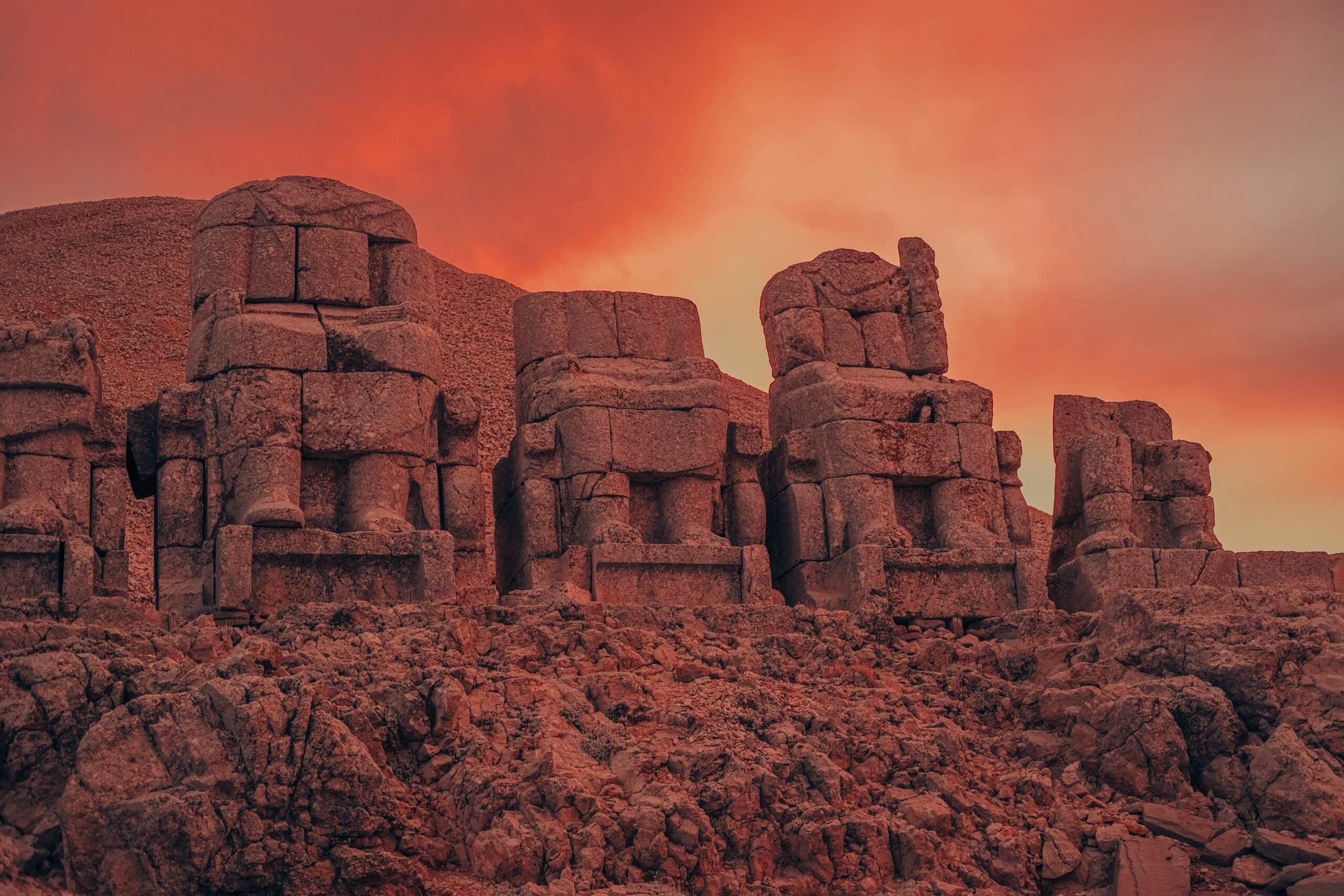
The world of the Eastern Mediterranean and Near East in the Late Bronze Age was a tapestry of interconnected empires, prosperous trade routes, and vibrant cultural exchange. For centuries, civilizations like Egypt, the Hittite Empire, Mycenaean Greece, Cyprus, and the kingdoms of the Levant flourished, their destinies interwoven through diplomacy, commerce, and even warfare. Then, seemingly with a swiftness that defied the established order, this intricate system fractured. The Bronze Age Collapse, a period roughly spanning from 1200 to 1150 BCE, represents one of history’s most profound and perplexing events: the widespread, rapid disintegration of complex societies. The evidence, pieced together from archaeological sites, ancient texts, and painstaking analysis, paints a grim picture of societal breakdown, leaving behind a landscape of ruined cities, disrupted trade, and a profound cultural shift.
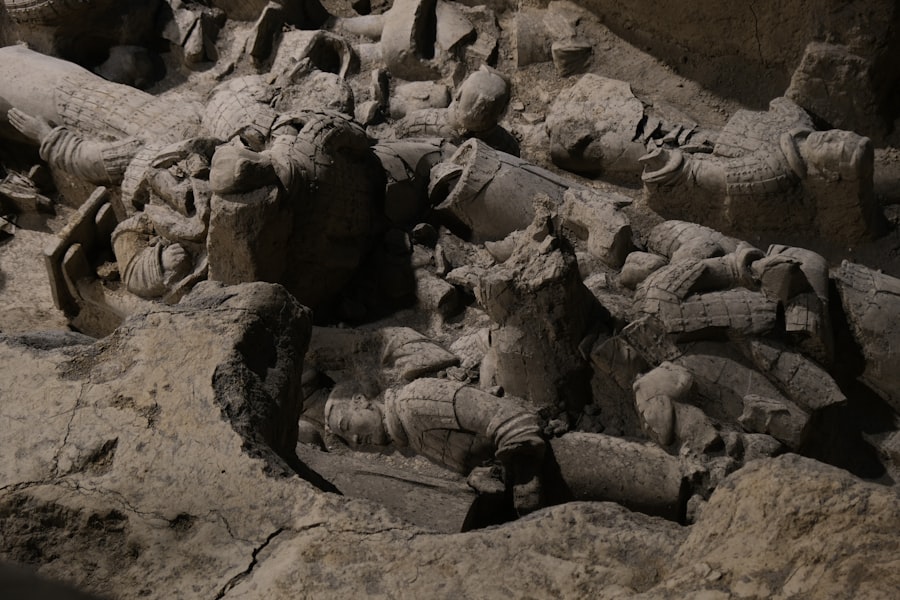
The most visceral evidence for the Bronze Age Collapse comes from the sheer scale of destruction etched into the archaeological record. Across the affected regions, once-thriving urban centers bear the scars of violent and widespread demolition. Fires, often intense enough to vitallify stone and melt bronze artifacts, consumed palaces, administrative buildings, and even residential areas. Walls were breached, fortifications overwhelmed, and entire settlements abandoned, sometimes never to be rebuilt in the same form.
Cities in Flames: The Burn Layers
Numerous Bronze Age cities exhibit distinct and undeniable burn layers, indicating a cataclysmic event. These layers, often composed of charcoal, ash, and vitrified earth, are not the result of natural fires or deliberate, localized destruction for rebuilding. Instead, they speak to an overwhelming and indiscriminate force. The Hittite capital of Hattusa, a once-mighty imperial center, was found heavily burned and abandoned; its grand palaces and temples reduced to rubble. The Mycenaean palace at Mycenae, famous for its Lion Gate, also shows evidence of significant destruction by fire, with collapsed roofs and scattered artifacts preserved in situ within the conflagration’s ruin. The Canaanite city of Ugarit, a crucial trading port, met a similarly fiery end, its archive of cuneiform tablets, offering invaluable insights into the period, charred and scattered amongst the debris. The sheer ubiquity of these burn layers, stretching from Greece to Syria and beyond, points to a shared, destructive force, or at least a shared cascade of collapse.
Fortifications Breached and Abandoned
The monumental fortifications that characterized many Bronze Age cities stood as symbols of their power and prosperity. Yet, the evidence suggests these defenses were often overwhelmed or rendered irrelevant. Walls were not merely neglected; in many cases, they appear to have been deliberately dismantled or broken through, suggesting internal strife or a loss of communal will to defend. Alternatively, in cases of external assault, the sheer force of the attackers proved too great for even the strongest ramparts. The city of Hazor in the Levant, a major strategic hub, shows evidence of destruction and abandonment after its fortifications were breached. The abandonment of these once-impregnable bastions signifies a fundamental breakdown in security and a loss of faith in the established order.
Abandonment and Depopulation
Perhaps the most stark archaeological testament to societal disintegration is the widespread abandonment of settlements. Entire cities, from major urban centers to smaller towns and villages, were simply left to decay. This was not a planned migration or a gradual decline; it was often a sudden and complete desertion. The reasons for abandonment are varied and complex, but they invariably point to a failure of the systems that sustained these communities. Lack of resources, pervasive insecurity, or a complete breakdown of social order would have made continued habitation untenable. The silence that fell over these once-bustling places speaks volumes about the scale of the collapse.
The Bronze Age collapse remains a subject of intense scholarly debate, with various theories proposed to explain the sudden decline of once-thriving civilizations. One insightful article that delves into the broader implications of societal collapse is titled “The Rise of Failed Government States,” which explores how political instability and resource mismanagement can lead to the downfall of civilizations. For a deeper understanding of these dynamics and their relevance to the Bronze Age, you can read the article here: The Rise of Failed Government States.
The Silent Voices: Epigraphic and Textual Clues
While archaeology provides the physical evidence of destruction, ancient texts offer glimpses into the anxieties, the disruptions, and the desperate attempts to understand and survive the unfolding crisis. These written records, though often fragmented and biased, provide invaluable narratives of fear, famine, and the crumbling of empires.
The “Sea Peoples” and the Hinge of History
Perhaps the most enigmatic and frequently cited perpetrators of the collapse are the “Sea Peoples.” Egyptian inscriptions, notably the reliefs at Medinet Habu detailing the reign of Ramesses III, vividly depict naval battles against diverse groups of invaders described as coming from the sea. These

How an Entire Civilization Collapsed

FAQs
What is the Bronze Age collapse?
The Bronze Age collapse refers to a period of time around 1200 BCE when major civilizations in the Mediterranean, Middle East, and Asia Minor experienced a sudden and widespread societal collapse.
What evidence supports the occurrence of the Bronze Age collapse?
Archaeological evidence, including destruction layers, abandoned settlements, and the sudden disappearance of certain cultural artifacts, supports the occurrence of the Bronze Age collapse. Written records from the time also describe widespread upheaval and invasion.
What are some theories about the causes of the Bronze Age collapse?
Several theories have been proposed to explain the Bronze Age collapse, including invasions by the Sea Peoples, climate change, internal unrest, and the breakdown of trade networks. It is likely that a combination of these factors contributed to the collapse.
Which civilizations were affected by the Bronze Age collapse?
Major civilizations affected by the Bronze Age collapse include the Hittites, Mycenaeans, Minoans, Assyrians, and Egyptians, among others. The collapse had a significant impact on the entire Eastern Mediterranean region.
How did the Bronze Age collapse impact future civilizations?
The Bronze Age collapse led to a period of cultural and technological regression in the affected regions. It also paved the way for the rise of new civilizations, such as the Iron Age kingdoms that emerged in the aftermath of the collapse.