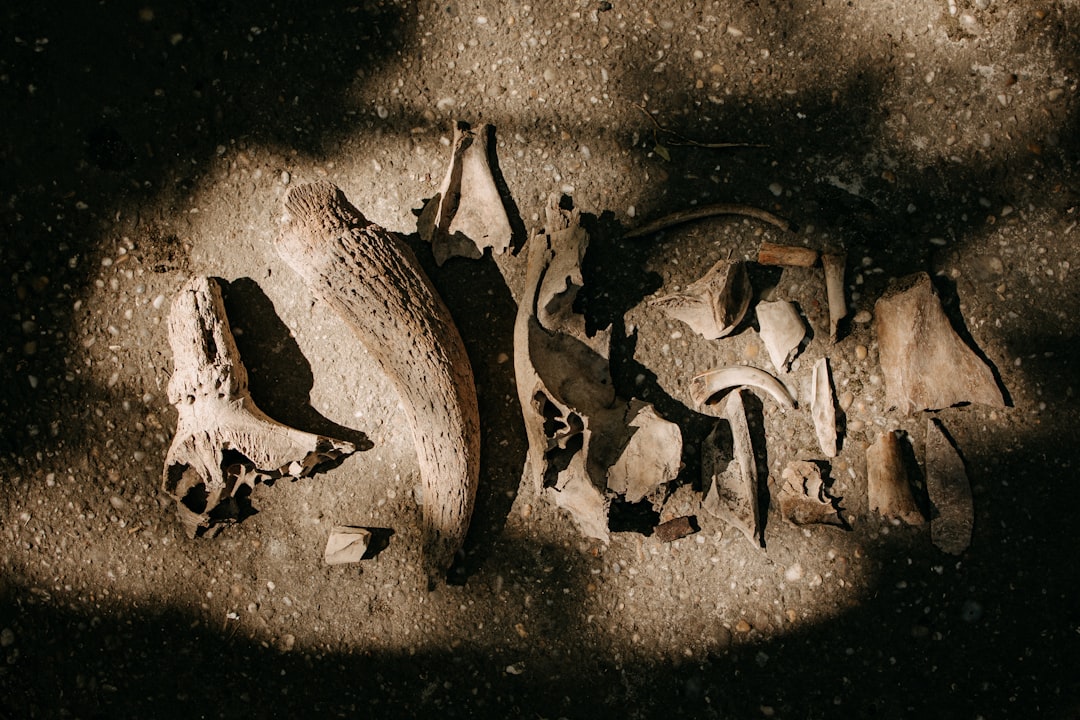
Archaeology, a discipline often associated with dusty tombs and the thrill of discovery, delves far deeper than the superficial image might suggest. It is a scientific endeavor, a patient pursuit of understanding the human story through the material remains left behind. To unravel the complexities of this field, one must first grasp its fundamental principles, the methodologies employed, and the profound significance of its findings. Archaeology is not merely about digging for artifacts; it is a sophisticated process of piecing together fragments of lives lived, cultures that flourished and faded, and the intricate tapestry of human evolution. It provides an invaluable, unfiltered lens through which to view our ancestors, offering insights into their daily lives, beliefs, social structures, and technological advancements, all through the tangible evidence they have bequeathed to us.
The journey of an archaeologist is one of meticulous observation, rigorous analysis, and imaginative reconstruction. It requires a unique blend of scientific precision and historical curiosity. Each unearthed shard of pottery, each remnant of a hearth, each carefully placed burial offers a clue, a whisper from the past waiting to be interpreted. These whispers, when gathered and systematically examined, can speak volumes about societies long gone, illuminating their triumphs and struggles, their innovations and traditions. The goal is not just to find objects, but to understand the context in which they were created and used, to decipher their meaning, and to weave them into a coherent narrative of human experience across millennia.
What is Archaeology?
At its core, archaeology is the scientific study of human history and prehistory through the excavation and analysis of material remains. These remains can encompass anything from monumental structures like pyramids and temples to the smallest fragments of bone, tools, or even discarded food scraps. The field is inherently interdisciplinary, drawing upon knowledge from history, anthropology, geology, biology, chemistry, and various other scientific disciplines to provide a comprehensive understanding of the past.
Defining the Scope of Archaeology
Archaeology does not limit itself to any single time period or geographical location. It spans the entire human journey, from the earliest hominin ancestors who crafted simple stone tools to the complex civilizations of recent history. Whether the focus is on the prehistoric hunter-gatherers of the Paleolithic era, the urban centers of ancient Mesopotamia, the maritime trading networks of the Bronze Age, or the industrial landscapes of the relatively recent past, archaeology provides the primary means of understanding societies for which written records are scarce or entirely absent. It is the universal historian, capable of reconstructing the lives of ordinary people, not just the elite whose stories might be preserved in texts.
The Relationship with Anthropology and History
While distinct, archaeology shares a profound kinship with anthropology and history. Anthropology, broadly, is the study of humankind, encompassing culture, society, language, and biology. Archaeology is often considered one of its subfields, specifically focusing on the material culture of past societies. History, on the other hand, typically relies on written records to reconstruct the past. Archaeology complements history by providing evidence for periods before widespread literacy and by offering a tangible counterpoint to or corroboration of historical accounts. In cases where written records are biased, incomplete, or absent, archaeology becomes the paramount source of information.
Archaeology is a fascinating field that continually uncovers the mysteries of our past, and one particularly intriguing aspect is the study of ancient maps and their significance. A related article that delves into this topic is “Uncovering Lost Maps: The Library of Alexandria’s Legacy,” which explores the historical importance of the Library of Alexandria and its collection of maps. You can read more about this captivating subject by visiting the article here: Uncovering Lost Maps: The Library of Alexandria’s Legacy.
The Archaeological Process: From Survey to Site Interpretation
The practice of archaeology is a systematic and deliberate process, beginning long before any excavation takes place and continuing long after artifacts are removed from the ground. It involves careful planning, precise execution, and thorough analysis to ensure that the information gleaned is as accurate and comprehensive as possible.
Site Discovery: Locating the Past
The first step in any archaeological endeavor is the discovery of potential sites. This can be achieved through various methods, including:
Surface Survey and Reconnaissance
Archaeologists meticulously survey landscapes, looking for surface indications of past human activity. This can include identifying concentrations of pottery sherds, stone tools, mounds, or depressions that might suggest buried structures. Aerial photography and satellite imagery can also reveal subtle patterns in the landscape that are invisible from the ground, often highlighting features like ancient field systems or sunken roads.
Chance Discoveries and Local Knowledge
Many archaeological sites are discovered by chance, often during construction projects, agricultural activities, or even by amateur archaeologists. Local knowledge, passed down through generations, can also be an invaluable resource, pointing towards areas of historical significance that might not be obvious through conventional survey methods.
Geophysical Survey Techniques
Before any digging begins, non-invasive geophysical techniques are frequently employed. Ground-penetrating radar (GPR), magnetometry, and electrical resistivity can detect buried features like walls, ditches, and hearths by measuring variations in the earth’s magnetic field or electrical conductivity. This allows archaeologists to map out potential buried structures and plan excavations more efficiently, minimizing the impact on the site.
Excavation: Unearthing the Evidence
Once a site is identified and deemed worthy of investigation, the process of excavation begins. This is a highly controlled and methodical process designed to recover artifacts and features with as much contextual information as possible.
Stratigraphy: Reading the Layers of Time
A fundamental principle of archaeology is stratigraphy, the study of the layers of soil and sediment that accumulate over time. Each layer acts like a page in a book, with deeper layers representing older periods and shallower layers representing more recent ones. Archaeologists meticulously record the order and characteristics of these layers, understanding that the association of artifacts within a specific layer provides crucial information about their age and context.
Grid System and Trowel Work
Excavations are typically laid out in a grid system to systematically record the precise location of every find. Archaeologists use specialized tools, most notably trowels, not shovels, to carefully remove soil layer by layer. This precise hand excavation is essential to avoid damaging delicate artifacts and to meticulously document the context in which they are found.
Recording and Documentation
Every aspect of the excavation is meticulously documented. This includes detailed notes on soil color and texture, the presence of features like postholes or hearths, and the exact three-dimensional coordinates of every artifact and feature. Photography, drawing, and digital recording are all employed to create a comprehensive archive of the excavation process.
Laboratory Analysis: Making Sense of the Finds
The work does not end when the digging is complete. The unearthed material undergoes extensive laboratory analysis to reveal its secrets.
Artifact Classification and Dating
Artifacts are cleaned, cataloged, and classified based on their material, form, and function. Dating methods are then applied. Radiocarbon dating, for example, is used to determine the age of organic materials, while dendrochronology (tree-ring dating) and thermoluminescence dating provide other chronological frameworks.
Scientific Analysis of Materials
Advanced scientific techniques can reveal the origin of materials, manufacturing processes, and even the diet of past peoples. For instance, trace element analysis of pottery can indicate its source, while isotopic analysis of human or animal remains can provide insights into diet and migration patterns.
Reconstruction and Interpretation
Through the combined evidence from excavation and laboratory analysis, archaeologists begin to reconstruct the past. This involves piecing together the function of buildings, understanding trade networks, inferring social structures, and interpreting belief systems based on the material record.
Types of Archaeological Sites and Their Significance
The diversity of archaeological sites reflects the vast spectrum of human activity and adaptation across different environments and time periods. Each site offers unique insights into specific aspects of past life.
Prehistoric Sites: The Dawn of Humanity
These sites offer glimpses into the lives of our earliest ancestors, before the advent of writing.
Hunter-Gatherer Campsites
Often characterized by stone tools, hearths, and animal bone debris, these sites reveal the subsistence strategies and mobility patterns of early humans. The discovery of cave paintings or engravings at some prehistoric sites provides early evidence of symbolic thought and artistic expression.
Early Agricultural Settlements
The transition to agriculture marks a significant turning point in human history. Sites from this period, like Neolithic villages, reveal the development of new technologies, sedentary lifestyles, and the beginnings of social complexity. The presence of domesticated plant and animal remains, along with evidence of permanent dwellings, are key indicators.
Ancient Civilizations: The Rise of Complex Societies
These sites are typically associated with more organized and populous societies, often characterized by monumental architecture and sophisticated material culture.
Urban Centers and Cities
The excavation of ancient cities, such as Rome, Athens, or Teotihuacan, allows archaeologists to study the organization of urban life, public infrastructure, social stratification, and economic activities. Remains of temples, palaces, marketplaces, and residential areas provide a detailed picture of daily life in these dense populations.
Religious and Ceremonial Sites
Temples, shrines, burials, and other ritualistic landscapes offer insights into the belief systems, religious practices, and cosmological views of ancient peoples. The scale and artistry of these sites often reflect the importance of religion in ancient societies.
More Recent Historical Sites: Uncovering the Everyday
Archaeology is not confined to deep antiquity; it plays a vital role in understanding more recent human history as well.
Industrial Revolution Sites
The remains of factories, mines, workers’ housing, and transportation networks from the Industrial Revolution provide tangible evidence of a period of massive societal and technological change. These sites can illuminate the lives of ordinary working people and the environmental impact of industrialization.
Military Sites and Battlefield Archaeology
The study of forts, trenches, and battlefields offers unique perspectives on conflict, military strategy, and the experiences of soldiers. Artifacts recovered can include weapons, ammunition, personal effects, and evidence of military camp life.
The Importance of Archaeology: Why Does It Matter?
The study of the past has profound implications for our present and future. Archaeology is not merely an academic pursuit; it is a vital field that enriches our understanding of humanity and provides essential context for contemporary issues.
Understanding Human Evolution and Adaptation
By studying the material record of our ancestors, archaeologists trace the trajectory of human evolution, from our earliest hominin ancestors to modern Homo sapiens. This includes understanding key biological and behavioral adaptations, such as the development of tool use, bipedalism, and complex social structures. It allows us to comprehend the incredible resilience and ingenuity of our species in adapting to diverse environments.
Illuminating Cultural Diversity and Shared Humanity
Archaeology reveals the astonishing diversity of human cultures that have existed throughout history. It showcases a vast array of languages, social systems, technologies, and belief systems. Paradoxically, this exploration of diversity also highlights shared human experiences and fundamental needs that have transcended time and culture, fostering a deeper appreciation for the common threads that bind us all. It reminds us that while our expressions may differ, our fundamental human drives and challenges are often remarkably similar.
Providing Context for the Present and Future
The past offers invaluable lessons for navigating the present and shaping the future. By understanding how past societies dealt with issues such as environmental change, resource management, social conflict, and technological innovation, we can gain insights and avoid repeating past mistakes. Archaeological discoveries can challenge modern assumptions, offering alternative perspectives on how societies can be organized and how people can live in harmony with their environment.
Archaeology often uncovers the layers of human history, revealing insights into past civilizations and their cultures. A fascinating article that explores the implications of historical events on modern society can be found at this link. By examining how past decisions shape current economic policies, it highlights the interconnectedness of history and contemporary life, much like how archaeological findings inform our understanding of human development.
Ethical Considerations in Archaeology
As archaeologists uncover and interpret the past, they must do so with a strong sense of ethical responsibility. This involves not only scientific integrity but also respect for the heritage of the communities whose past is being studied.
Preservation and Conservation: Protecting the Past
One of the primary ethical obligations of archaeologists is to ensure the preservation and conservation of the sites and artifacts they encounter. This means employing methods that minimize disturbance to the archaeological record and implementing long-term conservation strategies for recovered materials. The goal is to safeguard this irreplaceable heritage for future generations.
Respect for Cultural Heritage and Descendant Communities
Archaeology is increasingly being conducted in collaboration with descendant communities, who have a direct connection to the past being studied. Ethical practice demands respect for their cultural heritage, beliefs, and wishes regarding the excavation, interpretation, and curation of materials. This often involves seeking their consent and actively involving them in the research process, ensuring that their perspectives are integrated into the archaeological narrative.
Responsible Curation and Dissemination of Knowledge
The artifacts and data recovered from archaeological sites must be properly curated and made accessible for further research and public education. This includes ensuring that materials are stored in secure and appropriate facilities and that research findings are disseminated responsibly through publications, exhibitions, and public outreach, always with an awareness of potential sensitivities.
Archaeology, therefore, is a dynamic and ever-evolving field. It is a testament to human curiosity and our innate desire to understand our origins and our place in the grand sweep of time. Through meticulous investigation and careful interpretation, archaeologists continue to unveil the intricate stories of our ancestors, enriching our collective understanding of what it means to be human in both the past and the present. It is a continuous dialogue with those who came before us, a vital endeavor that ensures their legacies are not lost to the sands of time but are instead brought to light, understood, and appreciated by generations to come.

How an Entire Civilization Collapsed
FAQs

What is archaeology?
Archaeology is the study of human history and prehistory through the excavation and analysis of artifacts, structures, and other physical remains.
What do archaeologists do?
Archaeologists conduct fieldwork to excavate and recover artifacts and other material remains. They also analyze and interpret these findings to understand past human societies and cultures.
What is the importance of archaeology?
Archaeology helps us understand the development of human societies, technological advancements, cultural practices, and the impact of environmental changes on past civilizations. It also contributes to our understanding of human evolution and migration patterns.
How does archaeology differ from paleontology?
Archaeology focuses on the study of human history and prehistory through the analysis of artifacts and material remains, while paleontology is the study of prehistoric life forms through the analysis of fossils.
What are some famous archaeological sites and discoveries?
Some famous archaeological sites and discoveries include the pyramids of Egypt, the ruins of Pompeii, the Rosetta Stone, the Terracotta Army in China, and the discovery of the tomb of King Tutankhamun in the Valley of the Kings.