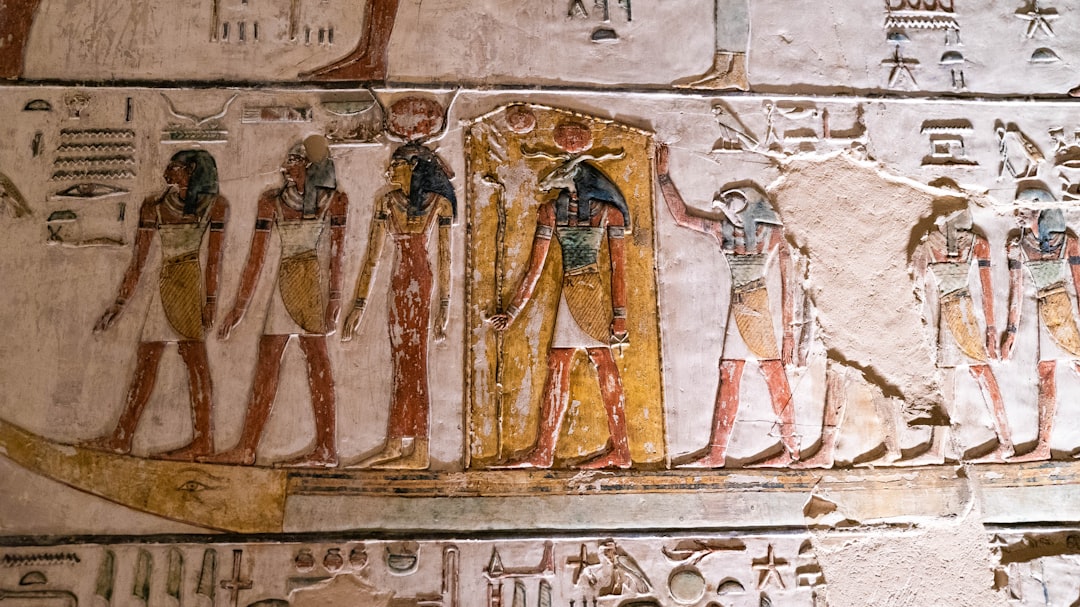
The whispers of forgotten eras, of cultures that bloomed and faded like fleeting stars, continue to intrigue and inspire. For scholars and enthusiasts alike, the allure of lost knowledge ancient civilizations represents a tantalizing enigma, a vast ocean of wisdom submerged beneath the sands of time. These societies, though long gone, left behind echoes of their ingenuity, their philosophies, and their understanding of the universe, much of which remains elusive, shrouded in mystery and requiring immense effort to piece together.
The ancient world was a crucible of innovation, a period where humanity, armed with burgeoning understanding and a profound connection to the natural world, forged remarkable technological advancements. These were not merely rudimentary tools; they were sophisticated creations that speak to a deep comprehension of physics, engineering, and materials science, often surpassing what was previously assumed possible for their time. The challenge lies in deciphering the “how” and the “why” behind these marvels, as much of the original knowledge was transmitted orally or through ephemeral mediums, leaving only the enduring artifacts as silent witnesses.
The Enigmatic Construction of Megalithic Structures
Perhaps the most visually arresting testament to ancient ingenuity lies in the colossal megalithic structures that dot the globe. From the pyramids of Giza in Egypt, with their precise astronomical alignments and astonishingly massive stone blocks, to the enigmatic stone circles of Stonehenge in Britain, and the intricate terraces of Machu Picchu in Peru, these edifices speak of immense labor, organizational prowess, and an understanding of geometry and surveying that is still debated by modern engineers.
The Precision of Egyptian Engineering
The Great Pyramid of Giza, a tomb for Pharaoh Khufu, stands as a prime example. Constructed from an estimated 2.3 million stone blocks, each weighing an average of 2.5 tons, its construction defies easy explanation. Theories abound, involving ramps, levers, and possibly even coordinated human effort on an unprecedented scale. The precision with which the stones were cut and fitted, the near-perfect square base, and the cardinal alignment of its sides all suggest a sophisticated understanding of mathematics and astronomy. The intricate internal passages and chambers, too, point to advanced architectural planning and execution. Lost, perhaps, is the specific, detailed blueprint and the precise techniques that allowed for such monumental undertaking with the tools available.
The Astronomical Puzzles of Stonehenge
Stonehenge, while smaller in scale, presents a different kind of mystery. The precise orientation of its sarsen stones and bluestones towards celestial events, such as the summer solstice sunrise, indicates a keen awareness of astronomical cycles. How these massive stones, some weighing up to 40 tons, were transported from as far as 150 miles away remains a subject of intense speculation. The methods of quarrying, shaping, and erecting these stones, along with the purpose of their alignment, hint at a culture deeply intertwined with the cosmos, a knowledge that has largely slipped through the fingers of time.
The Lost Arts of Metallurgy and Material Science
Beyond colossal constructions, ancient civilizations demonstrated remarkable skill in manipulating materials, creating alloys and crafting objects with properties that sometimes rival or even surpass modern equivalents. The secrets of their furnaces, their alloying techniques, and their understanding of material strengths and weaknesses are often tantalizingly out of reach.
The Mystery of Damascus Steel
One of the most legendary examples is the lost art of producing true Damascus steel. Known for its exceptional sharpness, flexibility, and distinctive watered patterns, this material was highly prized in antiquity for weapon making. Modern re-creations have struggled to replicate its exact properties, suggesting that a crucial element of the original manufacturing process – perhaps a specific impurity in the ore, a unique heating and cooling cycle, or a secret additive – has been lost to history.
Early Glassmaking and Ceramic Techniques
Ancient civilizations also mastered the art of glassmaking, creating beautiful and durable objects. The precise temperatures and chemical compositions required for specific colors and transparencies, as well as the techniques for blowing and shaping glass, were likely passed down through generations and are not fully understood today. Similarly, certain ancient pottery techniques, such as the creation of incredibly thin and strong ceramics or specific glazing methods, have proven difficult to replicate.
The exploration of lost knowledge from ancient civilizations often leads to fascinating insights about their understanding of the natural world. One such article that delves into this topic is titled “Ancient Weather Wisdom: Understanding Nature’s Signs.” This piece highlights how ancient cultures interpreted weather patterns and natural phenomena, showcasing their deep connection to the environment. To read more about this intriguing subject, visit the article here: Ancient Weather Wisdom: Understanding Nature’s Signs.
The Elusive Wisdom of Ancient Philosophies and Religions
The intellectual and spiritual landscapes of ancient civilizations were as complex and profound as their material achievements. Their philosophies offered unique perspectives on the human condition, ethics, and the nature of reality, while their religious beliefs shaped entire societies and provided frameworks for understanding the divine and the cosmos. Much of this wisdom, once vibrant and influential, has either been lost, corrupted, or reduced to fragmented echoes in later traditions.
Echoes of Lost Sacred Texts and Oral Traditions
Many ancient societies relied heavily on oral traditions, passing down their sacred stories, laws, and philosophical insights through spoken word. While some of these traditions were eventually transcribed, vast amounts of knowledge were lost when their practitioners disappeared or when cultural shifts led to the discontinuation of these practices. The scarcity of surviving written records from many lost civilizations makes reconstructing their intellectual heritage an arduous task.
The Mysteries of the Vedic Tradition
While parts of the Vedic tradition persist today, the complete corpus of ancient Vedic knowledge, including its intricate philosophical treatises and ritualistic practices, is far from fully understood. Many hymns and texts are now interpreted through scholarly lenses, but the original context, the nuances of pronunciation that may have carried deeper meaning, and the full scope of their esoteric teachings remain subjects of profound debate and ongoing research.
The Disappearance of Zoroastrian Esotericism
Zoroastrianism, one of the world’s oldest monotheistic religions, once wielded significant influence. While aspects of its theology and cosmology are known, the deeper, more esoteric or mystical dimensions of its teachings, particularly those that may have existed during its peak, are largely effaced by time. The loss of many of its scriptures and the persecution it faced have contributed to this obscuring of its full intellectual and spiritual depth.
The Uncharted Territories of Forgotten Languages
The ability to decipher and understand ancient languages is fundamental to unlocking the knowledge of past civilizations. However, many languages have been lost entirely, their scripts remaining undeciphered, their grammatical structures unknown, and their cultural contexts irretrievable. Even for deciphered languages, there are often vast corpora of texts that are damaged, incomplete, or yet to be discovered.
The Enigma of Linear A
One of the most persistent linguistic puzzles is Linear A, the script used by the Minoan civilization on Crete. Despite significant archaeological finds, Linear A remains undeciphered, preventing scholars from fully understanding Minoan economics, religion, and daily life. The limited nature of the surviving inscriptions and the absence of a clear Rosetta Stone make its decoding an ongoing challenge, holding the key to a vibrant, influential Bronze Age culture.
The Lost Tongues of Pre-Columbian America
The Americas, prior to European colonization, hosted a multitude of sophisticated civilizations with their own unique languages and writing systems. The Maya civilization, with its complex hieroglyphic script, offers a partial glimpse, but many of the languages of cultures like the Inca, or even earlier civilizations, are lost entirely, leaving only archaeological evidence and tantalizing hints in the historical records of later, dominant groups. The richness of their oral traditions, their poetry, and their philosophical dialogues vanished with their speakers.
The Lost Medical and Scientific Insights
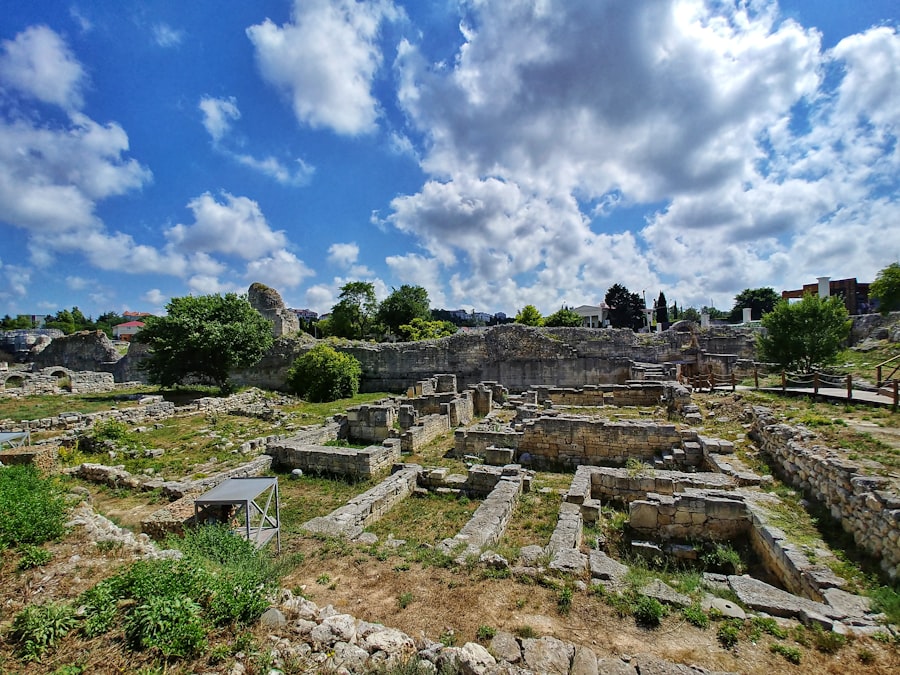
The ancient world possessed a remarkable empirical understanding of the natural world, including the human body, medicinal plants, and celestial phenomena. While some of this knowledge has been transmitted and integrated into modern science, much has been lost, either through the decay of knowledge itself or the destruction of its repositories.
The Empiricism of Ancient Pharmaceutics
Ancient healers and physicians were keen observers, meticulously documenting the properties of plants and minerals for medicinal purposes. The pharmacological knowledge embedded within these observations, the precise dosages, the methods of preparation, and the understanding of the synergistic effects of different compounds, often remain lost.
The Herbal Lore of Indigenous Cultures
Many indigenous cultures around the world developed extensive and sophisticated knowledge of medicinal plants, passed down through generations. The arrival of colonial powers often led to the suppression of these practices and the loss of this invaluable ethnomedical wisdom, as indigenous populations were displaced, their elders perished, and their communal knowledge systems were disrupted.
The Alchemy of Transformation
While often associated with charlatans and mystical pursuits, ancient alchemy also held elements of practical chemical knowledge. The lost recipes for potent elixirs, specific methods of distillation and extraction, and the understanding of the chemical reactions involved in transmuting substances may have held practical applications, now lost to the esoteric nature of alchemical texts.
The Astronomical Reckonings of the Ancients
Ancient civilizations were deeply connected to the celestial sphere, developing sophisticated calendars and astronomical observations to track seasons, predict events, and orient their societies. While we can reconstruct many of their calendrical systems, the finer details of their observational techniques and the specific interpretations they placed on celestial phenomena are often lost.
The Predictive Powers of Babylonian Astronomy
The Babylonians, renowned for their meticulous astronomical records, developed complex mathematical models to predict planetary movements. While these models are impressive, the full extent of their understanding of celestial mechanics and the theoretical frameworks underpinning their predictions are not entirely clear, with some knowledge possibly lost between their era and the development of classical Greek astronomy.
The Celestial Alignments of Mesoamerican Civilizations
Mesoamerican civilizations, such as the Maya and Aztecs, developed highly accurate calendars and observed celestial bodies with great precision. The intricate relationships between their observations, their religious cosmology, and their calendrical cycles are only partially understood, with much of the specific knowledge of their astronomical calculations and their interpretations of cosmic events lost to time.
The Lost Arts of Governance and Social Organization

Beyond technology and philosophy, ancient civilizations developed complex systems of governance, law, and social organization that sustained their societies and facilitated their rise. The lessons learned from their successes and failures in managing vast populations, establishing justice, and maintaining social harmony hold enduring relevance, but much of this knowledge has faded.
The Unwritten Laws and Social Contracts
Many ancient societies operated with unwritten laws and deeply ingrained social contracts based on custom and tradition. While some of these principles are reflected in surviving legal codes, the nuanced workings of daily governance, dispute resolution, and the mechanisms of social cohesion are often obscure.
The Administrative Prowess of the Roman Empire
While the Romans left a substantial written record, the intricate details of their provincial administration, the precise methods of taxation collection, and the day-to-day functioning of their vast bureaucracy are not fully transparent. The loss of countless administrative documents and the passage of time have obscured the full picture of their administrative genius.
The Tribal Laws of Indigenous Confederacies
Many indigenous confederacies, before the advent of centralized states, operated with sophisticated systems of inter-tribal law and governance. The complex negotiations, the checks and balances, and the mechanisms for maintaining peace and resolving conflict within these networks are often poorly documented and largely lost to history, leaving only fragmented accounts.
The Lost Economic Models and Trade Networks
Ancient economies, though different from our own, were often highly sophisticated, involving intricate trade networks, complex bartering systems, and the early forms of currency. The specific methods of resource allocation, the valuation of goods, and the dynamics of these economic systems are not always fully understood.
The Silk Road’s Hidden Commerce
While the Silk Road is well-known, the specific mechanisms of its burgeoning commerce, the often-unrecorded goods exchanged, and the detailed financial arrangements between traders across vast distances remain largely obscured. The loss of personal ledgers, merchant guilds’ records, and informal trading agreements contributes to this opacity.
The Resource Management of Ancient Cities
The ability of ancient cities to sustain large populations required sophisticated resource management – water distribution, food production, waste disposal, and urban planning. While we see the remnants of aqueducts and granaries, the exact strategies employed for managing these vital resources on a day-to-day basis, and the lessons learned from their successes and failures, are often lost.
The exploration of lost knowledge from ancient civilizations continues to captivate historians and archaeologists alike. Many are intrigued by how these societies, with their advanced understanding of astronomy, architecture, and agriculture, have left behind remnants that hint at their once-great achievements. A fascinating article that delves into this theme is found at Navigating the Unknown: Mapping the World Before Discovery, which discusses how ancient maps and navigational techniques reveal the depth of knowledge possessed by these cultures long before modern exploration.
The Legacy and the Ongoing Quest for Rediscovery
| Ancient Civilization | Lost Knowledge |
|---|---|
| Egyptian | Construction techniques for pyramids |
| Mesopotamian | Cuneiform writing system |
| Mayan | Calendar and astronomical knowledge |
| Indus Valley | Language and script |
The quest to understand the lost knowledge of ancient civilizations is not merely an academic pursuit; it is a profound exploration of humanity’s origins, our shared past, and the potential for future innovation. Each archaeological discovery, each deciphered text, is a step towards reclaiming fragments of this lost wisdom, offering us new perspectives and insights.
The Importance of Interdisciplinary Approaches
Unlocking the secrets of the past requires a multifaceted approach. Archaeologists excavate the physical remains, linguists decipher ancient scripts, historians analyze surviving texts, anthropologists study cultural practices, and scientists employ advanced technologies to analyze materials and reconstruct environments. It is through the synergistic efforts of these diverse disciplines that we can hope to piece together the fragmented puzzle of lost knowledge.
The Role of Modern Technology in Archaeological Discovery
Technologies such as ground-penetrating radar, lidar scanning, and advanced imaging techniques are revolutionizing archaeology, allowing for non-invasive exploration and the discovery of previously hidden sites. DNA analysis is shedding light on ancient populations and migration patterns, while computational linguistics is aiding in the decipherment of unknown languages.
The Ethical Considerations of Rediscovery
As we rediscover the knowledge of ancient civilizations, it is crucial to do so with respect for their legacy and the tangible remains of their cultures. The ethical handling of artifacts, the responsible excavation of sites, and the acknowledgment of the intellectual property of past societies are paramount in this ongoing endeavor.
The Enduring Relevance of Ancient Wisdom
The lost knowledge of ancient civilizations is not merely a historical curiosity; it holds potential lessons for addressing contemporary challenges. Their understanding of sustainability, their ethical frameworks, their approaches to community building, and their profound connection to the natural world offer valuable perspectives that can inform our own journey forward. The ongoing quest for lost knowledge is, in essence, a quest to understand ourselves and our place in the grand tapestry of human history. It is a reminder that the past is not dead, but a reservoir of wisdom waiting to be unearthed, waiting to illuminate our present and guide our future. The echoes of these forgotten eras, though faint, continue to resonate, urging us to listen, to learn, and to strive to understand the full spectrum of human achievement and understanding.

The Greatest Technology Humanity Ever Lost
FAQs
What is the lost knowledge of ancient civilizations?
The lost knowledge of ancient civilizations refers to the information, technologies, and practices that were developed by ancient societies but have been lost or forgotten over time. This knowledge could include advanced building techniques, medical practices, agricultural methods, and more.
Why is the lost knowledge of ancient civilizations important?
The lost knowledge of ancient civilizations is important because it provides insights into the capabilities and achievements of past societies. It can also offer valuable lessons and inspiration for modern-day advancements in various fields such as architecture, engineering, medicine, and agriculture.
What are some examples of lost knowledge from ancient civilizations?
Examples of lost knowledge from ancient civilizations include the construction techniques used to build structures like the pyramids of Egypt and the ancient city of Machu Picchu, as well as the medical practices and herbal remedies employed by ancient healers. Additionally, the agricultural methods and irrigation systems developed by ancient societies are also considered lost knowledge.
How did the knowledge of ancient civilizations become lost?
The knowledge of ancient civilizations became lost due to a variety of factors, including the decline and fall of civilizations, the destruction of written records and artifacts, and the lack of continuity in passing down certain practices and technologies. Additionally, the conquest and colonization of ancient societies by other cultures also contributed to the loss of knowledge.
Is there ongoing research and exploration to uncover lost knowledge of ancient civilizations?
Yes, there is ongoing research and exploration to uncover lost knowledge of ancient civilizations. Archaeologists, historians, and other experts continue to study ancient artifacts, decipher ancient texts, and conduct excavations in order to gain a better understanding of the knowledge and achievements of past societies. Additionally, advancements in technology and scientific methods have also contributed to new discoveries in this field.