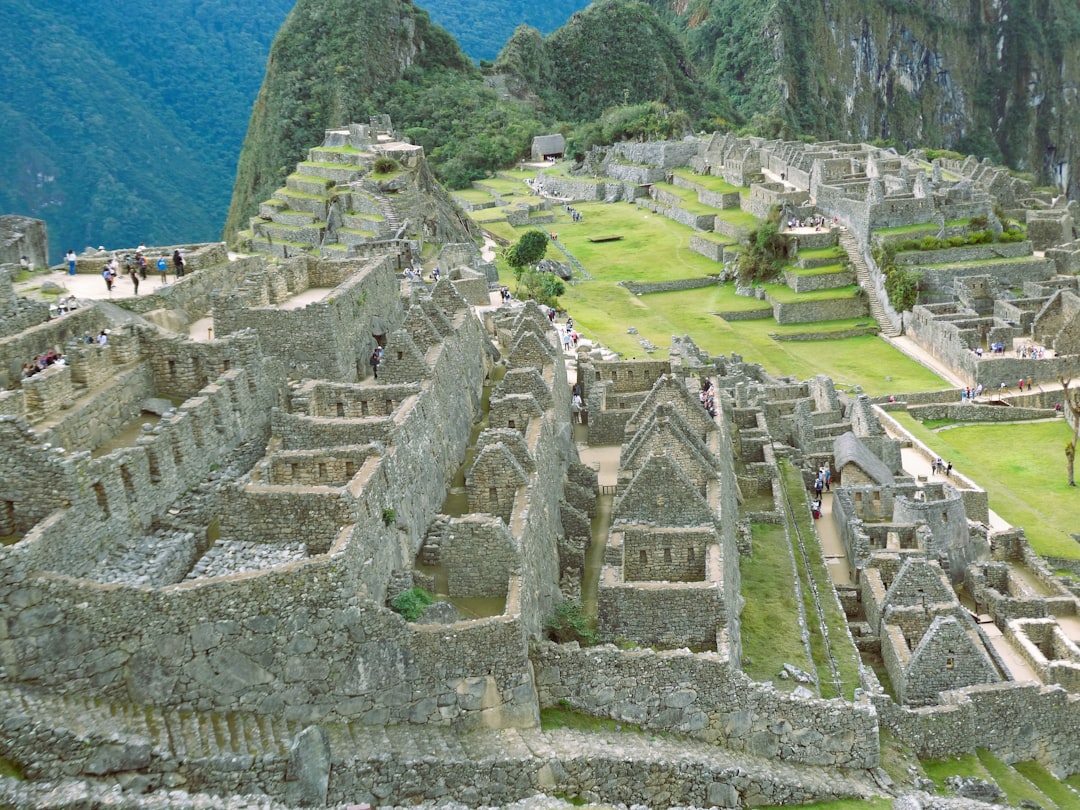
The allure of lost civilizations is a potent force, igniting imaginations with tales of advanced societies that vanished mysteriously, leaving behind enigmatic ruins and whispers of forgotten knowledge. These echoes from the past are not merely historical curiosities; they represent potential blueprints for innovative thought, offering glimpses into how ancient peoples tackled complex challenges with ingenious solutions. The study of these ancient technologies, often unearthed through painstaking archaeological endeavors, is a continuous process of discovery, pushing the boundaries of our understanding of human ingenuity.
The concept of a “lost civilization” evokes images of grandeur and subsequent oblivion. These societies, often depicted as having reached pinnacles of cultural and technological achievement, raise profound questions about societal collapse, environmental degradation, and the ephemeral nature of even the most powerful empires. From the mythical Atlantis to the concretely documented remnants of the Indus Valley Civilization, the narrative of rise and fall is a recurring theme in human history. What distinguishes these stories from the decline of more familiar empires is the often abruptness of their disappearance and the tantalizing hints of technologies or societal structures that seem to have outpaced their contemporaries, only to be subsequently lost to the mists of time.
Defining the “Lost” in Lost Civilizations
The term “lost civilization” itself requires careful definition. It doesn’t necessarily imply a complete erasure of a people from existence, but rather a significant decline in their societal complexity, a dramatic decrease in population, or a cessation of their cultural and technological output as previously known and understood. Often, these civilizations are “lost” in the sense that their existence and achievements were unknown to the wider world for centuries, or even millennia, until archaeological evidence brought them back into the light. The Maya, the Minoans, and the Khmer Empire are prime examples of civilizations that experienced periods of profound decline or eclipse before their grandeur was rediscovered.
The Archaeological Quest for Knowledge
Archaeology serves as the primary excavating force behind our understanding of these ancient societies. Through meticulous excavation, dating techniques, and comparative analysis, archaeologists piece together the fragmented narratives of these once-thriving cultures. The sheer amount of information that can be gleaned from seemingly insignificant artifacts is staggering. Pottery shards can reveal trade networks, architectural remains speak of social hierarchies and engineering prowess, and ancient texts, when deciphered, unlock philosophical underpinnings and scientific observations. The ongoing quest to understand these lost worlds is not just about finding ancient cities; it’s about understanding the human journey itself.
The Myth and the Reality
While popular culture often embellishes the capabilities of lost civilizations, attributing them with fantastical technologies like antigravity or sonic weaponry, the reality, while often less sensational, is no less remarkable. The true marvel of these ancient societies lies in their practical, innovative solutions to the challenges of their time. Their achievements were rooted in keen observation of the natural world, clever engineering principles, and a deep understanding of materials. The romanticized notion of lost, super-advanced civilizations can sometimes overshadow the truly impressive, grounded achievements that are being uncovered regularly.
The exploration of lost civilizations often intertwines with the advancements in technology that shaped their existence and eventual decline. A fascinating article that delves into the complexities of historical societies and their technological innovations is available at Understanding the Risks of Mexico’s Supply Chain. This piece not only highlights the challenges faced by modern civilizations but also draws parallels to how ancient societies managed their resources and infrastructure, ultimately leading to their rise and fall.
Unearthing Technological Marvels from the Sands of Time
The excavation of ancient sites often yields more than just pottery and tombs; it unearths evidence of sophisticated technologies that challenge modern assumptions about ancient capabilities. These discoveries necessitate a re-evaluation of historical timelines and a broadened perspective on the trajectory of human innovation. The ingenuity displayed by these ancient peoples, often achieved with limited resources and rudimentary tools by modern standards, is a testament to their intellectual capacity and their deep connection to the natural world.
Engineering Prowess: Beyond Simple Construction
The monumental architecture of many lost civilizations stands as a powerful testament to their engineering capabilities. The precision with which massive stones were quarried, transported, and assembled in structures like the pyramids of Egypt, the temples of Angkor Wat, or the cyclopean walls of Sacsayhuamán suggests methods and knowledge that are still being debated and explored. The sheer scale and longevity of these constructions, often enduring earthquakes, erosion, and the passage of millennia, speak volumes about their structural integrity and the advanced understanding of physics and engineering possessed by their builders.
Precision Stone Cutting and Masonry
The ability of ancient civilizations to cut and shape massive stone blocks with remarkable precision is a recurring theme. Tools available at the time were primarily stone, copper, and bronze. Yet, the near-perfect fitting of stones in many megalithic structures, leaving no space for even a blade to pass between them, has led to speculation about advanced cutting techniques. While some theories propose the use of lost abrasive materials or even sound vibrations, the most plausible explanations often involve sophisticated leverage, careful planning, and immense manpower, combined with an exceptional understanding of stone properties.
Irrigation and Water Management Systems
Many lost civilizations flourished in arid or semi-arid regions, necessitating sophisticated water management systems for agriculture, sanitation, and survival. The Romans, for instance, were unparalleled aqueduct builders, but other civilizations achieved remarkable feats in channeling and controlling water. The ancient water management systems of the Nabataeans in Petra, the sophisticated canals and reservoirs of the Indus Valley Civilization, and the hydraulic engineering of the Khmer Empire in Angkor demonstrate a profound understanding of fluid dynamics and environmental adaptation. These systems were not only functional but often aesthetically integrated into the urban landscape.
Astronomical Alignment and Measurement
The alignment of ancient structures with celestial events is a common and compelling discovery. Temples, observatories, and burial sites were often meticulously positioned to align with solstices, equinoxes, or the rising and setting of specific stars and constellations. This suggests not only a deep understanding of astronomy but also the advanced mathematical and geometrical knowledge required to perform these calculations and execute the precise alignments. The Antikythera mechanism, a complex ancient Greek artifact, is a prime example of an astronomical calculator that predates similar European inventions by over a millennium.
The exploration of lost civilizations often reveals fascinating insights into the technological advancements of ancient societies, shedding light on their innovative practices and the reasons behind their eventual decline. For instance, a related article discusses how modern advancements, such as those from SpaceX, are reshaping our understanding of geopolitics and technology in the context of space exploration. You can read more about this intriguing intersection of history and modern technology in the article found here.
Material Science and Metallurgy
Beyond stonework, the mastery of materials and metallurgy in lost civilizations is equally impressive. The ability to extract, refine, and alloy metals to create durable tools, weapons, and decorative objects speaks to a sophisticated understanding of chemistry and material properties. The quality of bronze artifacts from Shang Dynasty China or the iron smelting techniques of the Hittites are often far superior to what many would expect from these ancient periods.
Bronze Age Innovations
The Bronze Age saw a significant leap in human technological capability, and many lost civilizations were at its forefront. The ability to combine copper and tin to create a stronger, more versatile metal revolutionized toolmaking, warfare, and artistry. The intricate bronze vessels and weapons unearthed from various ancient cultures reveal a high degree of skill in casting and finishing, often incorporating complex decorative motifs.
Early Iron Smelting and Forging
The transition to the Iron Age presented new challenges and opportunities. The higher melting point of iron required more advanced furnace technology, and the process of forging iron to achieve desired properties was complex. Civilizations that mastered iron production gained a significant military and agricultural advantage. The durability and sharpness of iron implements led to increased agricultural productivity and more effective weaponry.
The Enigmatic Realm of Lost Knowledge
Beyond the tangible artifacts of engineering and metallurgy, there are often hints of lost knowledge in philosophy, medicine, and even what might be considered early forms of science. Deciphered texts, although often fragmented, can reveal sophisticated understandings of the natural world, ethical considerations, and complex social structures.
Ancient Medical Practices and Pharmaceuticals
Evidence suggests that many ancient civilizations possessed a surprisingly advanced understanding of medicine and healing. Herbal remedies, surgical techniques, and even rudimentary forms of sanitation were employed. The Ebers Papyrus from ancient Egypt, for example, details a wide range of ailments and their treatments, demonstrating a systematic approach to healthcare. The discovery of trepanned skulls, suggesting surgical intervention to relieve cranial pressure, further highlights their medical audacity.
Written Languages and Lost Scripts
The ability to record knowledge through written language is fundamental to societal advancement. The decipherment of ancient scripts, such as hieroglyphs, cuneiform, or Linear B, has been instrumental in understanding the history, beliefs, and scientific observations of lost civilizations. However, many scripts remain undeciphered, holding within them the potential for further groundbreaking discoveries about forgotten knowledge. The mystery surrounding the Indus script, for instance, represents a significant gap in our understanding of that advanced civilization.
Philosophical and Mathematical Underpinnings
The societal structures, religious beliefs, and ethical frameworks of lost civilizations often reveal sophisticated philosophical thought. Concepts of justice, governance, and the human condition were explored and articulated through their art, literature, and governmental decrees. Moreover, the mathematical principles underlying their architectural feats and astronomical observations suggest a deep, often intuitive, understanding of numbers and geometry.
Theories of Decline: Why Did They Vanish?

The sudden or gradual disappearance of these advanced societies is a question that has captivated scholars and the public alike. Numerous theories attempt to explain these catastrophic collapses, often pointing to a confluence of factors rather than a single cause. Understanding these potential causes is crucial for drawing lessons for our own contemporary societies.
Environmental Catastrophe and Resource Depletion
One of the most widely accepted theories for the decline of ancient civilizations revolves around environmental factors. Rapid climate change, prolonged droughts, extensive deforestation, soil erosion, and overgrazing could have systematically undermined the agricultural bases upon which these societies depended. The collapse of the Maya civilization is often linked to severe drought cycles, while the decline of Easter Island is famously attributed to the unsustainable exploitation of its natural resources, particularly its trees.
Desertification and Aridification
The expansion of deserts or the onset of prolonged arid periods could have rendered vast agricultural lands infertile, leading to widespread famine and societal breakdown. Civilizations located in marginal environments were particularly vulnerable to changes in rainfall patterns. The drying up of vital water sources could have forced mass migrations and social unrest.
Deforestation and Soil Erosion
The clearing of forests for agriculture, fuel, and construction, while initially beneficial, could have led to long-term soil erosion and a decline in soil fertility. This degradation of the land would have progressively reduced agricultural yields, straining resources and leading to societal instability. The dramatic landscape changes observed in some ancient sites are a stark reminder of this process.
Natural Disasters: Earthquakes, Volcanic Eruptions, and Floods
While not always leading to complete societal collapse, major natural disasters could have significantly weakened ancient civilizations, making them more susceptible to other pressures. Volcanic eruptions, like the one that devastated Minoan civilization on Thera, could have caused widespread destruction and long-term environmental disruption. Large-scale floods or devastating earthquakes could have crippled infrastructure, disrupted trade, and led to significant population loss.
Societal Factors: Internal Strife and External Threats
Beyond environmental pressures, internal dynamics and external conflicts often played a significant role in the downfall of ancient civilizations. Internal social stratification, political instability, economic inequality, and the inability to adapt to changing circumstances could have weakened societies from within. Furthermore, invasion or prolonged conflict with neighboring groups could have proven fatal to already stressed civilizations.
Social Stratification and Inequality
Extreme social stratification, where a small elite controlled vast resources while the majority lived in poverty, could have fostered resentment and rebellion, undermining social cohesion. A rigid social hierarchy might also have stifled innovation and prevented the widespread application of new technologies or solutions to pressing problems.
Political Instability and Warfare
Frequent infighting, civil wars, or a breakdown in governance could have drained resources, disrupted trade, and weakened the ability of a civilization to respond to other challenges. Furthermore, constant warfare with external enemies could have led to exhaustion of manpower and resources, ultimately leading to conquest or decline.
Economic Collapse and Trade Disruption
The reliance on complex trade networks made many ancient civilizations vulnerable to disruptions. The collapse of key trade routes, the depletion of essential resources, or economic mismanagement could have led to widespread hardship and instability. A breakdown in economic activity could have fueled social unrest and weakened the fabric of society.
The Multifaceted Nature of Collapse
It is rare for a lost civilization to disappear due to a single, isolated event. More often, their decline was the result of a complex interplay of environmental, social, and political factors. A prolonged drought might have been exacerbated by an inability to manage water resources effectively, leading to agricultural failure, which in turn fueled social unrest and political instability. This cascading effect of interconnected crises ultimately led to the eventual disappearance or significant transformation of these once-great societies.
Lost Technologies Rediscovered and Their Modern Implications
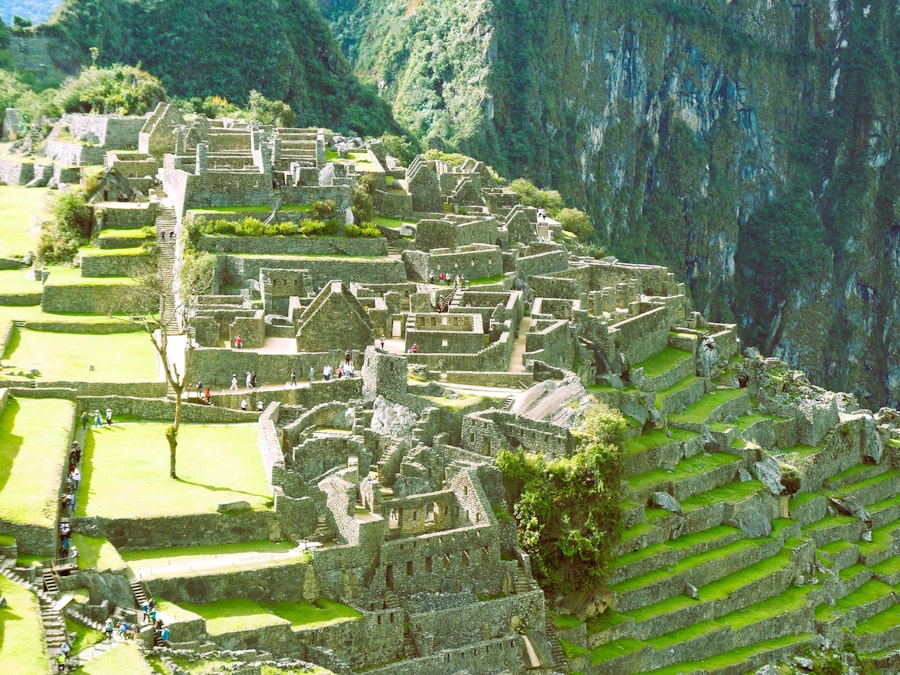
The rediscovery of ancient technologies is not merely an academic exercise; it holds immense potential for informing modern innovation and inspiring new approaches to problem-solving. By studying how our ancestors tackled challenges with ingenuity and resourcefulness, we can gain valuable insights that transcend time and technology.
Biomimicry and Nature-Inspired Designs
Many ancient technologies were developed through careful observation of the natural world. The principles of biomimicry – learning from and imitating nature’s strategies to solve human design challenges – are increasingly being recognized in ancient innovations. The aerodynamic efficiency of bird wings, the structural integrity of honeycomb, or the water-repellent properties of lotus leaves were likely observed and emulated, consciously or unconsciously, by ancient peoples.
Architectural Adaptations from Nature
Ancient builders often studied the natural world for inspiration in their constructions. The way trees withstand wind or how water flows through natural channels could have informed their designs for stability and efficiency. The principles of passive cooling observed in animal burrows or the structural strength of natural geological formations might have been incorporated into their architecture.
Tools and Mechanisms Inspired by Flora and Fauna
The design of ancient tools and mechanisms often mirrored natural forms and functions. The sharpness of a predator’s claw, the lever action of a bird’s beak, or the self-cleaning properties of certain leaves might have inspired the development of ancient implements and devices.
Sustainable Practices and Resourcefulness
Lost civilizations often operated within planetary boundaries, developing sophisticated methods for resource management and sustainable living. Their ingenuity in utilizing local materials, recycling, and minimizing waste offers valuable lessons for addressing contemporary environmental challenges.
Ancient Recycling and Upcycling Techniques
Evidence suggests that ancient societies were remarkably adept at making the most of their resources. Broken pottery was often reused as building material, organic waste was composted to enrich soil, and salvaged metal was melted down and re-forged. This emphasis on closed-loop systems stands in stark contrast to our modern linear economy.
Water Conservation and Efficient Farming
The development of elaborate irrigation systems,terracing, and drought-resistant crops demonstrates a deep understanding of water conservation and efficient agricultural practices, particularly in regions facing water scarcity. These techniques, honed over centuries, are increasingly being re-examined as viable solutions to modern agricultural challenges.
A Legacy of Ingenuity and a Cautionary Tale
The study of lost civilizations and their technologies serves as a powerful reminder of human ingenuity and resilience. It showcases the boundless potential of the human mind to innovate and adapt. However, it also serves as a potent cautionary tale about the fragility of civilization and the consequences of societal neglect, environmental degradation, and unsustainable practices.
Inspiring Future Innovations
By delving into the “how” and “why” of ancient technologies, we can unlock new avenues for modern research and development. The principles behind seemingly simple ancient devices might hold keys to solving complex modern engineering problems, from energy generation to material science.
Lessons for Modern Societies
The recurring patterns of rise and fall observed in ancient civilizations offer invaluable lessons for our own time. Understanding the factors that led to their decline can help us identify and mitigate similar risks in our contemporary world, steering us towards a more sustainable and equitable future. The wisdom of the past, painstakingly unearthed by archaeologists, continues to shape our understanding of who we are and where we are going. The ongoing exploration of these lost worlds promises to reveal even more about the enduring power of human innovation and the profound lessons etched into the very fabric of our planet.

The Greatest Technology Humanity Ever Lost
FAQs
1. What are some examples of lost civilizations in history?
Some examples of lost civilizations include the Mayans, the Indus Valley Civilization, the Minoans, and the ancient city of Petra.
2. What technological advancements were made by lost civilizations?
Lost civilizations made significant technological advancements in areas such as architecture, engineering, agriculture, and medicine. For example, the Mayans developed advanced mathematical and astronomical knowledge, while the Indus Valley Civilization had sophisticated urban planning and sewage systems.
3. How did these lost civilizations disappear?
The disappearance of lost civilizations can be attributed to a variety of factors, including natural disasters, warfare, environmental degradation, and societal collapse. For example, the Minoan civilization is believed to have been destroyed by a volcanic eruption and subsequent tsunami.
4. What impact did the technological advancements of lost civilizations have on future societies?
The technological advancements of lost civilizations have had a lasting impact on future societies. For example, the architectural and engineering techniques of the Romans were influenced by the Etruscans, and the mathematical knowledge of the Mayans has contributed to modern astronomy and calendar systems.
5. How do historians and archaeologists study and learn about lost civilizations and their technology?
Historians and archaeologists study and learn about lost civilizations and their technology through the analysis of artifacts, ancient texts, architectural remains, and scientific techniques such as carbon dating and remote sensing. These methods help to reconstruct the history and technological achievements of lost civilizations.