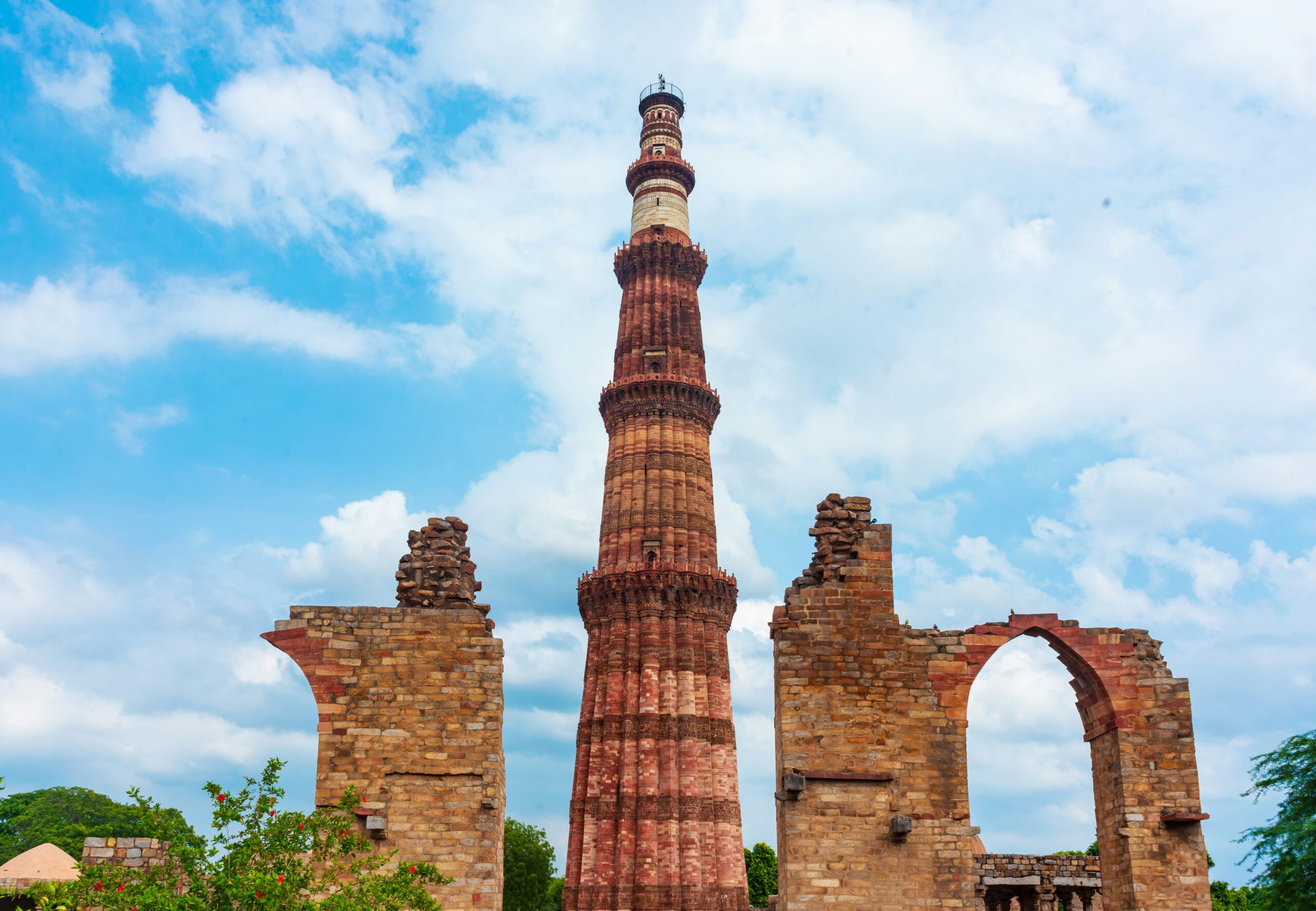
For centuries, the Delhi Iron Pillar has stood as a silent sentinel, a testament to an era of advanced metallurgy and a persistent enigma to modern scientists and historians alike. Its imposing height and seemingly impervious nature to corrosion have sparked endless debate and fascination. This iron column, erected in India’s capital, is not merely a relic of the past; it is a tangible paradox, a physical manifestation of unanswered questions that continue to challenge our understanding of ancient Indian craftsmanship.
The Delhi Iron Pillar is believed to have been originally erected in the 5th century CE, though its exact origins remain a subject of scholarly inquiry and debate. The prevailing theory suggests it was a commemorative monument, likely commissioned by Chandragupta II of the Gupta Empire, a period renowned for its scientific and artistic flourishing. The pillar bears inscriptions that provide crucial clues to its purpose and original location.
The Inscriptions: A Glimpse into the Past
The primary inscription, written in Brahmi script and Sanskrit, is a eulogy to Emperor Chandragupta II, praising his military prowess and kingly virtues. It details his conquests and his role in establishing what is often referred to as the “golden age” of India. The inscription also hints at the pillar’s initial placement, likely at a temple dedicated to Vishnu, a prominent deity in Hinduism. The meticulous carving and content of this inscription showcase the sophisticated administrative and literary capabilities of the era.
The Gupta Empire: A Crucible of Innovation
The Gupta period (circa 320-550 CE) is widely recognized as a zenith of ancient Indian civilization. During this time, significant advancements were made across various fields, including mathematics, astronomy, literature, art, and metallurgy. The construction of the Iron Pillar is often cited as a prime example of this technological prowess. Understanding the broader context of the Gupta Empire is essential to appreciating the potential for such an extraordinary feat of engineering.
The Lost Temple: Reconstructing a Sacred Landscape
While the pillar’s immediate surroundings have been significantly altered over time, historical accounts suggest it was once part of a larger temple complex. Scholars have engaged in extensive archaeological and textual analysis to reconstruct the possible layout and significance of this lost religious site. The act of erecting such a monumental pillar would have been an undertaking of immense resource and spiritual importance, implying a grand temple worthy of its stature.
Relocation and Reinvention: A Journey Through Time
The pillar was eventually moved to its current location in Delhi, likely centuries after its initial erection. The exact circumstances and period of this relocation are also part of the historical mystery. It is speculated that it was brought to Delhi during the Sultanate period, possibly as a spoil of war or as part of a broader urban development project. This subsequent chapter in its history further adds layers of complexity to its narrative.
The Delhi Iron Pillar has long fascinated historians and archaeologists due to its remarkable resistance to corrosion, raising questions about the advanced metallurgical skills of ancient Indian craftsmen. This mystery is reminiscent of other intriguing historical enigmas, such as those explored in the article on Antarctica, which delves into the unknown past of this icy continent and its potential connections to ancient civilizations. For more insights on uncovering historical mysteries, you can read the article here: Antarctica: Uncovering the Unknown Past.
The Unyielding Metal: A Metallurgical Marvel
The most striking and enduring mystery of the Delhi Iron Pillar is its remarkable resistance to corrosion. Despite being exposed to the elements for over 1,600 years, its surface exhibits minimal signs of rust, a phenomenon that has perplexed metallurgists and engineers worldwide. This incredible durability is not accidental but a testament to advanced metallurgical knowledge possessed by ancient Indian artisans.
The Composition of the Pillar: A Sophisticated Alloy
Analysis of the pillar’s metal has revealed that it is composed primarily of iron, with trace amounts of other elements like phosphorus, slag, and carbon. The presence of a significant amount of phosphorus, around 0.1-0.3%, is considered a key factor in its rust-resistant properties. Modern steel production often aims to minimize phosphorus content due to its tendency to make iron brittle. However, in the context of the Delhi Iron Pillar, this specific composition seems to have played a crucial role in its longevity.
The Role of Phosphorus: Unlocking the Secret
The high phosphorus content contributes to the formation of a passive protective oxide layer on the surface of the iron. This layer, known as a “misawite” or phosphide-rich layer, acts as a barrier, preventing further oxidation and degradation of the underlying metal. It is a remarkable example of serendipitous or perhaps intentionally achieved alloying, where the presence of a seemingly undesirable element proved beneficial for long-term preservation.
The Smelting Process: A High-Temperature Achievement
The creation of such a large and homogeneous iron pillar would have required a sophisticated smelting process. Historians and metallurgists believe that the iron was produced using a bloomery furnace, a technique involving the direct reduction of iron ore in a charcoal-fueled furnace. The ability to achieve the desired composition and purity of iron in such large quantities points to a highly skilled workforce and a deep understanding of material properties. The scale of the operation itself is a feat that would be challenging even by today’s standards.
The Forging and Casting: Assembling a Monument
The pillar is believed to have been fabricated in sections and then assembled at its final location. While some theories suggest it might have been cast, the homogeneity of the metal and the fineness of the structure lean towards a forging or a combination of forging and welding. The sheer size of the individual sections and the precision required for their joining further highlight the advanced techniques employed by the artisans. This process likely involved intricate knowledge of how to manage and shape large masses of hot metal without compromising its structural integrity.
Modern Scientific Investigations: A Continuous Quest
Numerous scientific studies have been conducted on the Delhi Iron Pillar using various analytical techniques, including X-ray fluorescence (XRF), scanning electron microscopy (SEM), and energy-dispersive X-ray spectroscopy (EDS). These studies have provided invaluable data about its composition, microstructure, and the nature of its protective oxide layer. However, despite these rigorous investigations, the exact methodology used by the ancient smiths to achieve such perfect passivation remains a subject of ongoing research and speculation.
The Pillar’s Structure: Engineering Prowess in Ancient India
Beyond its material composition, the structural integrity and construction of the Delhi Iron Pillar are equally awe-inspiring. The sheer size of the pillar, its height, and its stability over millennia are a testament to sophisticated engineering principles at play.
Dimensions and Weight: A Gargantuan Undertaking
The pillar stands approximately 7.2 meters (23.7 feet) high above ground and is estimated to be around 11.4 meters (37.4 feet) in total length, with a significant portion submerged underground to ensure its stability. Its weight is estimated to be over 6 tonnes. Transporting, lifting, and erecting such a massive iron structure in the 5th century CE would have been an undertaking of immense logistical and engineering challenge, requiring a deep understanding of load-bearing capacities and structural dynamics.
The Foundation: Anchoring a Monument
The depth and nature of the pillar’s foundation are crucial to its stability. It is believed to be anchored in a substantial stone foundation that extends deep into the ground. The construction of this robust base would have required careful geological assessment and sophisticated excavation techniques, ensuring that the pillar could withstand wind, seismic activity, and the passage of time without toppling. The subterranean portion of the pillar is as critical to its survival as the visible part.
The Manufacturing Process: Shaping a Solid Mass
The pillar is believed to have been formed from a solid shaft of wrought iron. The absence of visible joins, except for some minor imperfections, suggests that it was likely forged in stages or possibly hammered into its final shape. The process of forging such a large, solid mass of iron would have involved immense heat, specialized tools, and a deep understanding of how to manipulate and consolidate molten or heated metal to achieve a desired form and density. It is unlikely this was achieved through casting a single piece.
The Absence of Welds: A Clean Construction
The remarkable absence of discernible welds or joints in the visible shaft of the pillar is another aspect that puzzles modern engineers. While some argue for the possibility of lap joints or other forms of ancient joining techniques, the overall impression is one of a monolithic structure. If it was indeed forged in sections, the techniques used to seamlessly join them would have been highly advanced, perhaps involving localized heating and hammering to fuse the metal. This level of craftsmanship minimizes weaknesses in the structure.
Stability and Longevity: A Design for Eternity
The pillar’s upright posture and unwavering stability over such a vast period suggest a design that inherently accounts for forces of nature. The careful balance of its weight distribution, the strength of its material, and the robustness of its foundation all contribute to its enduring presence. It stands not just as a symbol of power, but as a testament to an engineering intelligence that prioritized longevity and resilience. Its success in enduring centuries speaks volumes about the foresight of its creators.
The Cultural and Religious Significance: A Symbol of Power and Devotion
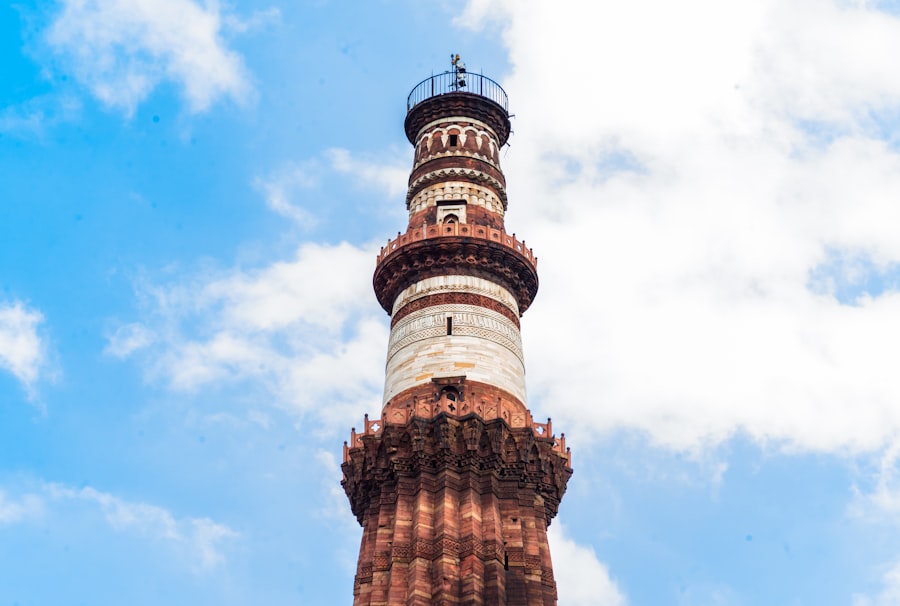
The Delhi Iron Pillar is more than just an engineering marvel; it is deeply intertwined with the cultural and religious landscape of ancient India. Its inscriptions and original placement point to its role as a significant marker of royal authority and religious devotion.
Royal Patronage: A Gupta Legacy
The inscription explicitly linking the pillar to Chandragupta II underscores its function as a monument to imperial power and legitimacy. Erecting such a colossal structure would have been a significant display of wealth, resources, and the king’s ability to mobilize labor. It served as a visible reminder of the Gupta dynasty’s strength and influence, solidifying their reign in the eyes of their subjects and rivals alike.
Religious Connotations: A Vishnuite Connection
The pillar’s original location at a Vishnu temple signifies its religious importance. Vishnu, a principal deity in Hinduism, is revered as the preserver and protector of the universe. The pillar’s erection at such a sacred site suggests a fusion of royal authority with divine sanction, reinforcing the king’s position as a divinely appointed ruler. The pillar itself might have been considered an emblem of the god or a symbol of the king’s devotion.
Astronomical Alignments: A Celestial Connection
Some researchers have speculated about potential astronomical alignments associated with the pillar, suggesting that its placement might have been deliberate to mark specific celestial events or seasons. While definitive evidence for this is scarce, it reflects the deep connection ancient Indian cultures had with astronomy and its integration into their societal and religious practices. The study of such potential alignments continues.
A Tourist Attraction and National Symbol: Enduring Relevance
Today, the Delhi Iron Pillar remains a popular tourist attraction and a significant national symbol. Its enduring mystery and the remarkable story of its creation continue to draw visitors and scholars, captivating imaginations and inspiring awe. It stands as a tangible link to a glorious past and a reminder of the ingenuity that flourished in ancient India. Its presence in Delhi serves as a constant reminder of the city’s rich historical tapestry.
The Delhi Iron Pillar has long fascinated historians and archaeologists due to its remarkable resistance to corrosion, raising questions about the advanced metallurgical techniques of ancient India. This mystery is not just a relic of the past, as it connects to broader themes of innovation and technology that resonate today. For instance, understanding ancient technologies can provide insights into modern geopolitical dynamics, much like those discussed in a recent article about the geopolitical impact of the Artemis Accords. You can read more about this intriguing connection in the article here.
Enduring Mysteries and Future Research: Unveiling the Unknown
| Aspect | Details |
|---|---|
| Location | Qutub Complex, Delhi, India |
| Material | Iron |
| Height | 7.21 meters |
| Weight | 6.5 tons |
| Age | Over 1600 years old |
| Mystery | Resistance to corrosion |
Despite centuries of study and analysis, the Delhi Iron Pillar continues to hold certain mysteries that inspire ongoing research and debate. The quest to fully comprehend its creation and significance is far from over.
The Exact Manufacturing Technique: A Lost Art?
While much is known about the composition and general properties of the pillar, the precise step-by-step manufacturing process remains elusive. Replicating the exact conditions and techniques used by the ancient smiths to achieve its unique properties is a challenge that continues to drive metallurgical research. Understanding the precise temperature control and the sequence of alloy additions is a primary objective.
The Role of Indigenous Knowledge: Beyond Written Records
It is likely that the creation of the Iron Pillar relied on a wealth of indigenous knowledge passed down through generations of metalworkers. This knowledge, often unwritten and orally transmitted, is difficult to reconstruct fully. Future research may focus on ethnographical studies of traditional iron-making practices to gain further insights. The oral traditions of artisan communities could hold clues to lost techniques.
The Intent Behind the Durability: Deliberate or Serendipitous?
Whether the remarkable corrosion resistance of the pillar was a deliberate aim of the artisans or a fortuitous outcome of their processes is still debated. While the high phosphorus content is clearly key, understanding if they consciously manipulated its presence to achieve such durability is a significant question. The sophistication of their understanding of materials is the core of this debate.
Comparative Studies: Other Ancient Iron Artifacts
Comparing the Delhi Iron Pillar with other ancient iron artifacts from India and other parts of the world could shed light on shared or unique metallurgical traditions. Such comparative studies might reveal broader patterns of technological development and highlight the specific advancements achieved in India. Examining other surviving iron artifacts from the same period or neighboring regions could provide crucial context.
Preservation and Future Protection: Safeguarding a Heritage
Ensuring the long-term preservation of the Delhi Iron Pillar is a critical concern. Ongoing monitoring and research into methods for protecting it from environmental degradation are essential. The balance between scientific study and the physical protection of this invaluable heritage site is a crucial consideration for future generations. Scientific intervention must be carefully calibrated to avoid causing further damage. The pillar is not just a scientific specimen but a living piece of history. Its continued existence is a responsibility that falls upon current and future custodians. The debates and discussions surrounding the Delhi Iron Pillar are unlikely to cease, as it continues to stand, a silent yet eloquent testament to the brilliance of ancient Indian civilization.

The Greatest Technology Humanity Ever Lost
FAQs
What is the Delhi Iron Pillar?
The Delhi Iron Pillar is a 7-meter tall iron pillar located in the Qutb complex in Delhi, India. It is believed to have been erected in the 4th century AD by Chandragupta II, a ruler of the Gupta Empire.
What makes the Delhi Iron Pillar a mystery?
The mystery surrounding the Delhi Iron Pillar lies in its remarkable resistance to corrosion. Despite being exposed to the elements for over 1,600 years, the pillar has not rusted or corroded significantly, which is highly unusual for iron structures of such antiquity.
What is the scientific explanation for the Delhi Iron Pillar’s resistance to corrosion?
Scientists believe that the unique resistance of the Delhi Iron Pillar to corrosion is due to the high phosphorus content in the iron, as well as the formation of a passive, protective layer of iron hydrogen phosphate on the surface of the pillar.
What are some of the theories surrounding the Delhi Iron Pillar’s corrosion resistance?
Some theories suggest that the iron used in the pillar was of exceptionally high quality, while others propose that ancient Indian metallurgists had advanced knowledge of ironworking techniques that allowed them to create such a durable structure.
Why is the Delhi Iron Pillar significant?
The Delhi Iron Pillar is significant for its historical and archaeological importance, as well as for its unique metallurgical properties. It continues to be a subject of scientific study and admiration for its remarkable durability.