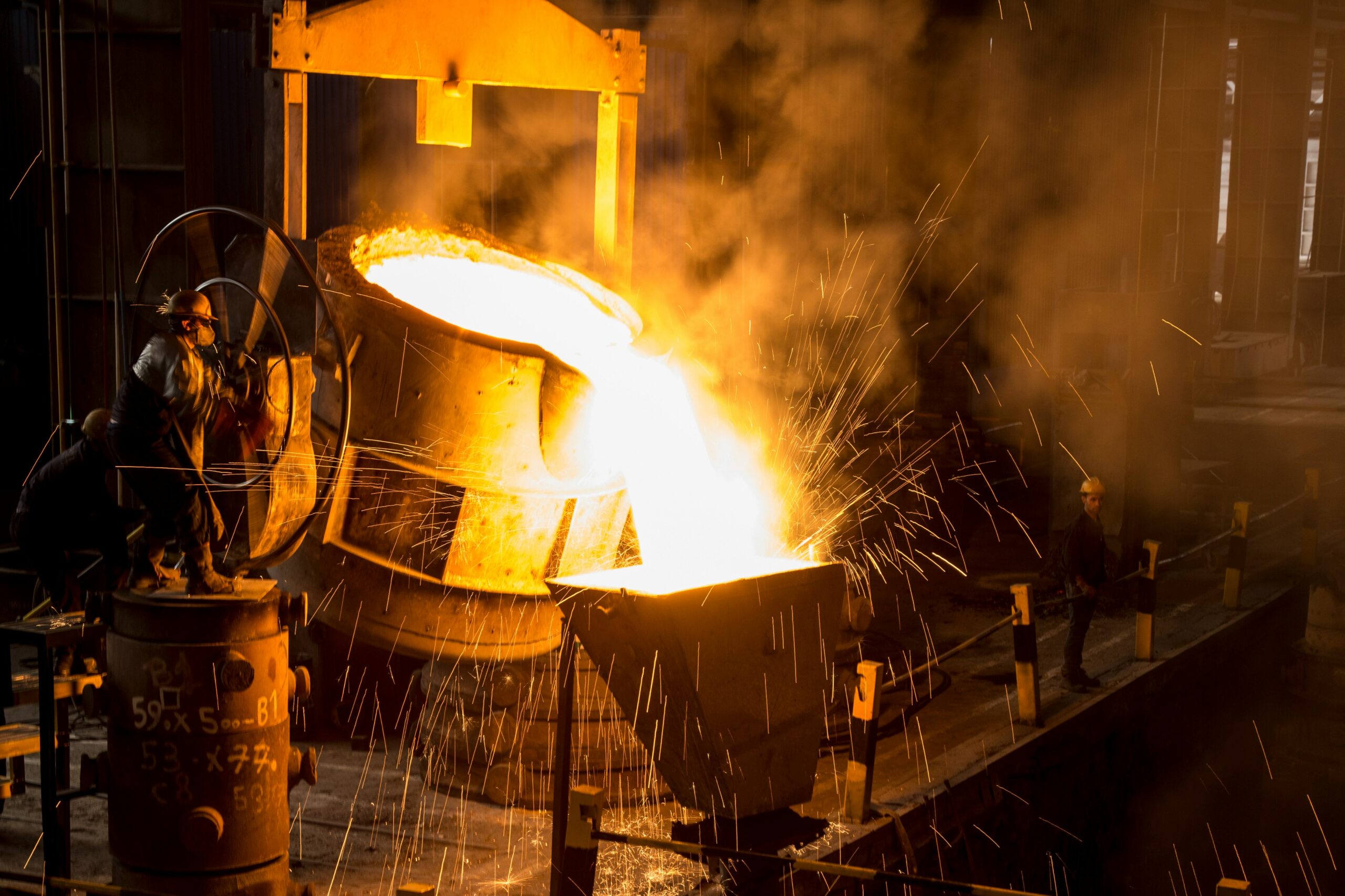
“Forging History: A Metallurgy Documentary” offers a captivating journey into the transformative world of metal, chronicling its evolution from ancient discovery to its indispensable role in modern civilization. This comprehensive documentary does more than just showcase the scientific principles of metallurgy; it weaves a narrative of human ingenuity, societal progress, and the enduring power of innovation. Through visually stunning cinematography, expert interviews, and compelling historical reenactments, “Forging History” invites viewers to witness firsthand the artistry, science, and sheer brute force that have shaped our world, one molten pour and hammered ingot at a time.
The documentary opens by transporting viewers back to the dawn of human civilization, a time when the very ground beneath our feet held secrets waiting to be unlocked. The initial segments are dedicated to the serendipitous discovery of metals, an event that would irrevocably alter the course of human development. These early chapters paint a vivid picture of our ancestors, driven by necessity and curiosity, observing natural phenomena that hinted at the potential of earthly materials.
Accidental Alchemy: The Copper Age Revolution
The film meticulously details the transition from the Stone Age to the Copper Age, emphasizing the role of chance and observation. It explores how early humans, likely while tending fires or smelting ores for other purposes, observed the malleability of certain rocks that, when heated, could be shaped. These nascent discoveries, though rudimentary, marked a monumental leap forward. “Forging History” uses animated sequences and expert commentary to illustrate the primitive furnaces and simple tools employed by these early metallurgists. The documentary highlights how the ability to work with copper, a relatively soft but workable metal, led to the creation of more durable tools, agricultural implements, and decorative objects. This paved the way for more efficient farming, improved weaponry, and the beginnings of artistic expression through metalwork. The viewers are shown how even the most basic understanding of heat and metal could yield profound results, setting the stage for future advancements.
The Bronze Age Breakthrough: Alloying for Superiority
A significant portion of this early section focuses on the groundbreaking innovation of alloying. The film explains that the limitations of pure copper, such as its softness and tendency to corrode, were overcome with the discovery of bronze. The documentary details how the deliberate mixing of copper with tin, often through laborious experimentation, resulted in a metal that was significantly harder, more durable, and held a sharper edge. This allowed for the creation of vastly superior tools, weapons, and armor, leading to shifts in societal power dynamics and the rise of more complex civilizations. Expert historians and archaeologists discuss the widespread impact of bronze, from its role in warfare and conquest to its influence on trade and cultural exchange. The visual storytelling here is particularly effective, showcasing unearthed artifacts and employing reenactments of bronze casting and forging techniques that would have been employed millennia ago. The gradual understanding of how different elements could combine to create entirely new materials is presented as a testament to early scientific inquiry.
Iron’s Austere Reign: Strength and Accessibility
The documentary then transitions to the Iron Age, a period characterized by the widespread adoption of iron. The film emphasizes that the challenge with iron was not its existence, but its extraction and smelting. Unlike copper and tin, iron ores typically require much higher temperatures to melt effectively. “Forging History” delves into the ingenuity required to achieve these higher temperatures, detailing the development of more sophisticated furnaces, bellows, and charcoal production methods. The accessibility of iron ore across a wider geographic range made it a more democratic metal than bronze, enabling a broader segment of society to benefit from its strength and durability. This section explores the military advantages that iron provided, the improvements in agricultural tools that boosted food production, and the lasting impact of this metal on the development of infrastructure and everyday objects. Expert metallurgists explain the properties of iron and its alloys, such as steel, and how their strength and resilience revolutionized human endeavors.
The history of metallurgy is a fascinating journey that intertwines with various aspects of human civilization, including exploration and navigation. A related article that delves into the intriguing topic of historical maps and their implications for understanding ancient technologies is available at The Piri Reis Map Accuracy Debate. This article explores the significance of the Piri Reis map, which provides insights into the geographical knowledge of the time and raises questions about the metallurgical advancements that may have influenced navigation and exploration.
The Alchemy of Empire: Metallurgy and the Making of Civilizations
As humanity’s mastery over metals grew, so did the complexity and scale of its civilizations. “Forging History” dedicates a substantial segment to exploring the intricate relationship between metallurgical advancements and the rise and fall of empires, demonstrating how control over metal resources and production often dictated political power and cultural influence.
The Roman Forge: Engineering a Dominant Empire
The documentary shines a spotlight on the Roman Empire’s prodigious use of iron and its sophisticated metallurgical practices. It illustrates how iron was fundamental to Rome’s military might, equipping its legions with superior swords, armor, and siege weaponry. Beyond warfare, the film highlights the integral role of iron in Roman engineering marvels, from aqueducts and bridges to roads and construction. Expert commentary delves into the logistical challenges of supplying such a vast empire with metal, discussing Roman mining operations, smelting techniques, and the organization of labor. The documentary also touches upon the scarcity of other vital metals like tin, which for a long time also fueled Roman imperialistic endeavors as they sought to control its sources. The visual language employed here showcases impressive CGI reconstructions of Roman ironworks, legionaries in their ironclad might, and the enduring architectural legacies forged from metal.
The history of metallurgy is a fascinating journey that reveals how ancient civilizations harnessed the power of metals to shape their societies. For those interested in exploring the broader context of how these advancements influenced geopolitical dynamics, a related article provides valuable insights into the interactions of ancient empires. You can read more about this in the article on the geopolitical analysis of ancient empires, which delves into the connections between technological progress and political power. For further reading, check out the article here.
The Spread of Steel: Arms and Agriculture Across Continents
This section broadens the scope to examine how the adoption and refinement of steel production influenced civilizations across different continents. The documentary explores the unique steelmaking traditions that emerged in places like India, China, and the Middle East, highlighting the sophisticated techniques developed independently or through cultural exchange. For instance, the film discusses the renowned Wootz steel from India, known for its exceptional strength and flexibility, and its potential influence on swords produced elsewhere. In China, the development of cast iron and blast furnaces is presented as a significant metallurgical advancement that facilitated large-scale production of iron implements for agriculture and infrastructure. The documentary underscores how access to better steel tools enabled more efficient farming, leading to population growth and the development of more complex societies. It also delves into the impact of advanced weaponry on military tactics and the dynamics of power between different cultures.
Precious Metals and the Pillars of Commerce
While iron and steel formed the backbone of industrial and military might, the documentary also acknowledges the crucial role of precious metals like gold and silver. “Forging History” explores how these metals became the foundation of currency, driving trade and economic growth throughout history. It details the intricate processes of gold and silver mining and refinement, showcasing ancient minting techniques and the artistry involved in creating coins and ornate artifacts. The film discusses how control over precious metal sources often led to wealth and influence for certain nations and rulers. The dazzling displays of ancient coinage and jewelry, combined with expert insights into economic history, illustrate how these lustrous metals were not merely decorative but vital instruments of commerce and power that fueled the expansion of empires and the interconnectedness of global markets.
The Crucible of Innovation: Technological Revolutions Fueled by Metal
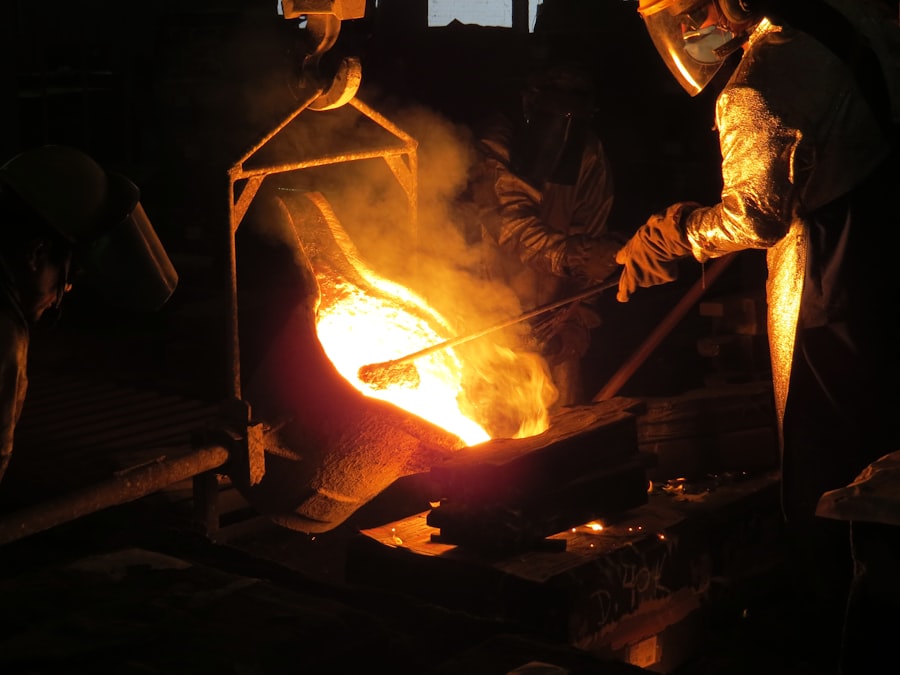
The latter part of “Forging History” shifts its focus to the accelerating pace of innovation, demonstrating how metallurgical breakthroughs became catalysts for monumental technological revolutions, transforming societies from agrarian to industrial and beyond.
The Industrial Revolution: Steam, Steel, and a World Remade
This is perhaps the most transformative section of the documentary, detailing how advancements in metallurgy were intrinsically linked to the Industrial Revolution. The film explains how the mass production of high-quality iron and later steel enabled the construction of factories, engines, and infrastructure on an unprecedented scale. The development of the Bessemer process, an early method for mass-producing steel, is presented as a pivotal moment, making steel far more affordable and accessible for widespread use. “Forging History” visually depicts the rise of the steam engine, the construction of railways, and the building of great bridges and ships, all of which were made possible by the abundance of strong and versatile steel. Expert interviews with historians of technology and industrial engineers discuss the societal implications of this transformation, including urbanization, new employment opportunities, and the stark realities of industrial labor.
The Age of Alloys: Tailoring Metal for Specific Needs
As industrialization progressed, so did the understanding of how to engineer metals with specific properties. The documentary delves into the concept of alloys beyond bronze and steel, exploring the development of aluminum, stainless steel, titanium, and other advanced materials. It highlights how the discovery and refinement of these alloys allowed for the creation of lighter, stronger, and more corrosion-resistant components, revolutionizing industries from aerospace and automotive to medicine and electronics. The film showcases examples of aircraft and spacecraft built with lightweight alloys, surgical instruments crafted from biocompatible metals, and everyday appliances made more durable through stainless steel. This segment emphasizes the scientific endeavor behind creating these materials, often involving complex chemical processes and precise control over elemental composition. The audience witnesses the tangible benefits of these tailored metals in the very fabric of modern life.
The Invisible Metal: Microelectronics and the Digital Age
The documentary concludes by examining the profound, yet often unseen, role of metallurgy in the digital age. It reveals how microscopic quantities of highly purified metals and semiconductors are the fundamental building blocks of our modern electronic devices. The film explains the intricate processes involved in fabricating microprocessors, including the use of elements like silicon, copper, and gold in incredibly small and precise patterns. Expert interviews with materials scientists and electrical engineers discuss the challenges of working with materials at the atomic scale and the ongoing research aimed at developing even more advanced electronic materials. The documentary underscores the incredible journey from ancient furnaces to the fabrication of the chips that power our smartphones, computers, and the entirety of the internet, illustrating the indispensable and pervasive nature of metallurgy in our interconnected world.
The Future Forged: Emerging Frontiers in Metallurgy
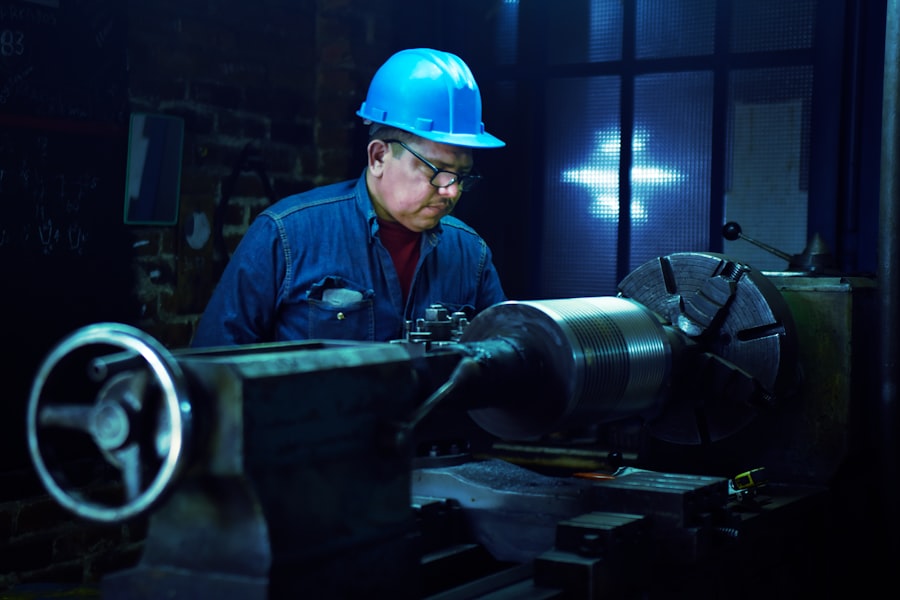
“Forging History” doesn’t just look back; it also gazes forward, exploring the cutting edge of metallurgical research and its potential to shape the future of our planet and humanity.
Nanotechnology’s Metallic Frontier: Engineering at the Atomic Level
The documentary delves into the burgeoning field of nanotechnology and its transformative impact on metallurgy. It explains how scientists are now able to manipulate metals at the atomic and molecular level to create entirely new materials with unprecedented properties. The film showcases examples of nanomaterials being developed for applications in energy storage, catalysis, advanced sensors, and even targeted drug delivery. Expert interviews with nanotechnologists and materials scientists offer a glimpse into the groundbreaking research happening in laboratories around the world, highlighting the potential for these microscopic metallic structures to solve some of the most pressing global challenges. The visual representations here might include simulations of atomic structures and the intricate designs of nanodevices.
Sustainable Metallurgy: Recycling, Resource Management, and Environmental Responsibility
Recognizing the environmental impact of metal extraction and processing, “Forging History” dedicates a crucial segment to sustainable metallurgy. It explores innovative approaches to recycling metals, reducing energy consumption in production, and minimizing waste. The documentary highlights advanced recycling technologies that can recover valuable metals from electronic waste and industrial byproducts, thus conserving natural resources. It also examines the development of new, more environmentally friendly extraction and refining processes. Experts in environmental science and sustainable engineering discuss the importance of responsible metal sourcing and the ongoing efforts to create a circular economy for metals, ensuring that future generations can also benefit from their invaluable properties without depleting the planet’s resources.
The Quest for New Materials: Beyond Today’s Possibilities
The final outlook of the documentary focuses on the continuous quest for novel metallic materials that can push the boundaries of what is currently possible. It explores research into high-entropy alloys, metallic glasses, and additive manufacturing (3D printing) with metals. The film showcases how these emerging technologies are enabling the creation of complex geometries and custom-designed components that were previously impossible to fabricate. From aerospace to medical implants, the potential applications are vast and revolutionary. “Forging History” concludes on an inspiring note, emphasizing that the story of metallurgy is far from over. The documentary leaves viewers with a profound appreciation for the enduring significance of metals and the boundless potential for human ingenuity to continue forging new frontiers, shaping a future as robust and versatile as the very materials that define our civilization.

The Greatest Technology Humanity Ever Lost
FAQs
What is metallurgy?
Metallurgy is the science and technology of extracting metals from their ores, refining them, and preparing them for use.
When did metallurgy first begin?
Metallurgy first began around 6000 BC in the Middle East, with the extraction of copper from its ore.
What are some key developments in the history of metallurgy?
Some key developments in the history of metallurgy include the discovery of bronze around 3300 BC, the Iron Age which began around 1200 BC, and the Industrial Revolution which led to significant advancements in metallurgical processes.
How has metallurgy impacted human history?
Metallurgy has had a profound impact on human history, leading to the development of tools, weapons, and infrastructure that have shaped civilizations and societies.
What can we learn from a history of metallurgy documentary?
A history of metallurgy documentary can provide insights into the technological advancements, cultural significance, and economic impact of metallurgy throughout history. It can also showcase the ingenuity and innovation of ancient civilizations in their quest to manipulate and utilize metals.