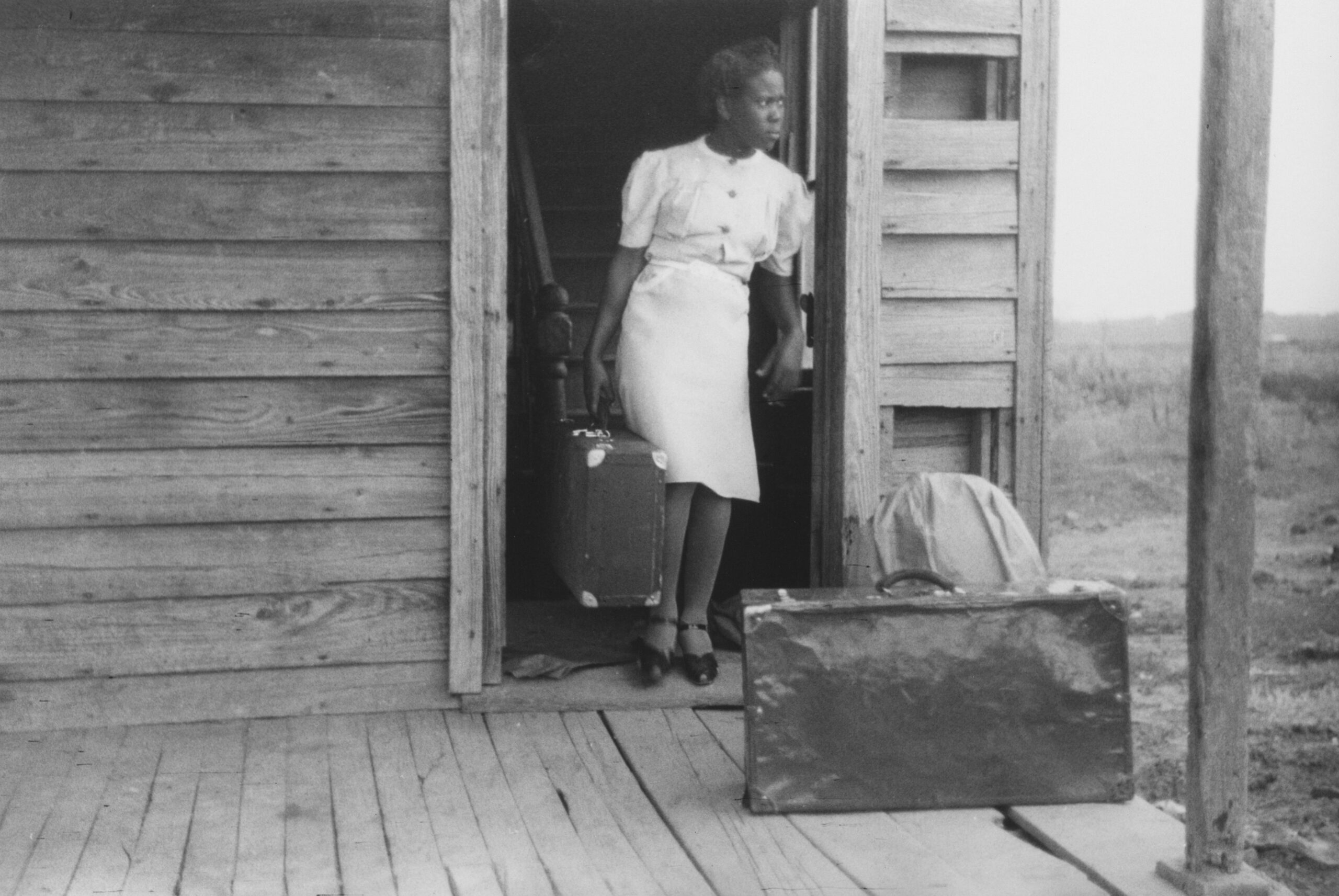
The flickering luminescence of a cathode ray tube once cast tales of triumph and adversity onto living room walls, shaping collective memory through the lens of celluloid. Yet, countless narratives, equally potent and illuminating, have remained relegated to the shadows, lost to the ephemeral nature of time and the selective gauntlet of historical documentation. It is into this historical twilight that Anya Sharma, a filmmaker known for her meticulous research and empathetic storytelling, ventures with her latest project: “Unearthing Untold Stories: Forgotten History Documentary.” This ambitious undertaking promises to peel back the layers of established historical accounts, to amplify the voices of those systematically silenced, and to illuminate the forgotten corners of human experience, inviting audiences on a profound journey of rediscovery and ethical contemplation.
By focusing on narratives often overlooked by mainstream historical accounts – the contributions of marginalized communities, the nuances of everyday life in eras of upheaval, and the personal tales that collectively paint a broader, more complex picture – Sharma’s documentary series aims to achieve more than mere historical record-keeping. It seeks to foster a deeper understanding of our shared past, to challenge complacent assumptions, and to encourage a more inclusive and critical engagement with history itself. The series is not just about what happened, but why it happened, who it happened to, and what lessons can be gleaned from these resurrected fragments of the past.
The genesis of “Unearthing Untold Stories” lies in Sharma’s lifelong fascination with the gaps in historical records. She often mused on the sheer volume of human experience that, by its very nature, escapes formal inscription. The unlettered peasant, the anonymous artisan, the woman whose domestic sphere was her primary domain – their lives, though rich and formative to the fabric of society, were rarely deemed worthy of chronicling by the chroniclers of power. This project, therefore, is not a singular film but a sprawling, multi-part documentary series, a testament to the immensity of the task and the depth of the commitment to uncovering.
Sharma’s directorial journey has consistently been marked by a desire to move beyond the grand narratives of kings, conquerors, and pivotal battles. Her earlier works, though acclaimed, often hinted at the broader social currents and the lived realities that underpinned these monumental events. The idea for “Unearthing Untold Stories” solidified after a particularly poignant research period for a film focusing on a well-documented revolution. While sifting through official dispatches and manifestos, she stumbled upon a collection of unsent personal letters, penned by ordinary citizens caught in the maelstrom. These letters, filled with anxieties about food shortages, worries for loved ones, and quiet acts of defiance, offered a starkly different perspective, one far more nuanced and human than the heroic pronouncements of the revolutionary leaders.
A Personal Epiphany in the Archives
This encounter served as a powerful catalyst. Sharma realized that the official histories, while providing essential frameworks, often flattened the rich tapestry of human emotion and individual agency. The revolutions celebrated in textbooks were, for the vast majority of people, periods of profound disruption, fear, and often, quiet resilience. The letters, faded and fragile, spoke of a history that reverberated not just in parliamentary debates but in hearthside conversations and hushed whispers on crowded streets. This realization ignited a passion to actively seek out such overlooked perspectives, to create a platform for these submerged histories.
The Limitations of Traditional Historiography
The series is built on the premise that traditional historiography, while invaluable, has often been driven by the agendas of those in power. The victors write the histories, and in doing so, often inadvertently or deliberately, marginalize the experiences of the defeated, the oppressed, or the simply mundane. Sharma argues that a more complete and ethical understanding of the past requires actively dismantling these power imbalances within historical narratives. This means looking beyond official documents, beyond hagiographies, and into the more fluid and often contested realm of oral histories, personal artifacts, and the fragmented memories of communities.
In exploring the often overlooked narratives of global trade dynamics, the documentary on forgotten history sheds light on the significant shifts in economic relationships over time. A related article that delves into contemporary trade developments is available at this link: Mexico Surpasses China as Top Trading Partner. This piece highlights how Mexico has emerged as a key player in international trade, reflecting the evolving landscape that the documentary seeks to contextualize within a broader historical framework.
Methodologies of the Unseen: Reclaiming Lost Voices
The process of “unearthing” is not a passive observation; it is an active, often painstaking, endeavor. Sharma and her team have developed a sophisticated and multi-pronged approach to identifying and retrieving these forgotten narratives. This involves venturing into archives, but not just the grand national repositories. It means delving into local historical societies, personal family collections, and even the digital detritus of forgotten online communities. The documentary series is a testament to the power of detective work, not of crime, but of suppressed truths.
Archival Diving Beyond the Mainstream
The documentary team dedicates significant resources to unearthing documents that are often overlooked. This includes exploring the forgotten correspondence between individuals, the minutes of local community groups, the records of charitable organizations, and even the ephemera of daily life – diaries, scrapbooks, and journals that were preserved not for their historical significance, but for personal sentimental value. These seemingly minor artifacts often hold the keys to unlocking profound insights into the social, economic, and emotional landscapes of past eras. The series will highlight the meticulous work of researchers poring over faded ink and brittle paper, seeking the human stories embedded within these neglected records.
Oral Histories: The Living Memory of the Past
Recognizing that much of history exists not in written form but in the memories of people, “Unearthing Untold Stories” places a strong emphasis on oral history. This involves identifying elders and community members whose families have lived through significant, yet often undocumented, historical events. The documentary team employs trained interviewers who are skilled in creating a safe and comfortable space for individuals to share their memories, encouraging them to speak freely about their experiences, beliefs, and the cultural traditions that have been passed down through generations. The series will feature poignant interviews with individuals who, through their recollections, bring to life the lived realities of past conflicts, migrations, and social transformations.
Material Culture: The Stories Objects Tell
Objects, too, can be powerful conduits of historical understanding. Sharma’s team explores the significance of material culture, examining how everyday objects used by ordinary people can illuminate their lives, their values, and their societal roles. This can range from the humble cooking pot of a peasant family to the tools of a forgotten artisan, or the handmade toys of children in a bygone era. The documentary will showcase how these artifacts, often dismissed as mundane, offer tangible connections to the past and reveal the ingenuity, resilience, and emotional lives of those who used them. The meticulous examination of these objects, alongside the stories they represent, adds a crucial dimension to the historical narrative.
Case Studies: Vignettes from the Margins

“Unearthing Untold Stories” is structured as a series of thematic episodes, each focusing on a specific historical period or a particular underrepresented demographic. These episodes are not dry academic lectures but dynamic explorations, brought to life through compelling visuals, archival footage, and most importantly, the voices of those whose stories are finally being heard. The series promises to be a mosaic of human experience, each piece vital to understanding the larger picture.
Episode One: The Unsung Architects of Industry
This inaugural episode delves into the lives of the anonymous laborers who built the industrial revolution. While the titans of industry are celebrated, the documentary will focus on the bricklayers, the miners, the mill workers, and the women who toiled in factories. It will explore their arduous working conditions, their struggles for better wages and safer environments, and their often-overlooked contributions to the economic prosperity of their nations. The use of sepia-toned photographs alongside newly discovered personal journals will paint a vivid picture of their daily realities, challenging the romanticized notions of industrial progress.
The Women of the Looms
A significant portion of this episode will be dedicated to the women who formed the backbone of the textile industry. Their stories, often lost in the shadow of male-dominated narratives, will reveal their resilience in the face of long hours, meager pay, and precarious working conditions. Through their diaries and oral histories passed down through families, the documentary will show their acts of solidarity, their quiet resistance, and their vital role in sustaining their households and communities. The audience will witness the human cost and the enduring spirit behind the fabric that clothed nations.
The Migrant Laborers: Building Without Recognition
The episode will also illuminate the lives of migrant laborers, often drawn from rural areas or foreign lands, who provided the muscle and sweat for industrial expansion. Their experiences of displacement, exploitation, and the creation of often-overlooked communities will be central. The documentary will feature the songs and folk traditions that sustained them, as well as the societal prejudices they faced, demonstrating how their labor built the foundations of modernity but their identities were often erased.
Episode Two: Voices of the Resistance: Everyday Heroes in Times of Conflict
This episode shifts its focus to periods of armed conflict, moving beyond the battlefield narratives to explore the experiences of civilians, resisters, and those who maintained ordinary life amidst extraordinary chaos. It will highlight acts of quiet courage, acts of resistance that did not make headlines but were crucial to the survival and moral compass of communities. The documentary aims to redefine heroism, expanding its definition beyond uniformed soldiers to encompass the bravery of ordinary citizens.
The Compassionate Neutrality
This segment will explore the stories of individuals and communities who, during times of war, focused on acts of compassion and aid, transcending political divides. This could include individuals who sheltered refugees, organized clandestine medical support, or facilitated the exchange of information between warring factions, prioritizing humanity over animosity. The documentary will use personal letters and eyewitness accounts to showcase these often-unseen acts of empathy.
The Silent Saboteurs: Civilian Acts of Defiance
The episode will also delve into the less visible forms of resistance undertaken by civilians. This includes acts of passive resistance, such as the withholding of resources, the dissemination of counter-propaganda, or the smuggling of vital supplies. These individuals, though not wielding weapons, played a crucial role in undermining the efforts of occupying forces and maintaining the spirit of their communities. Their stories, often suppressed for their own safety, will be brought to light through carefully compiled evidence and the recollections of descendants.
The Ethical Imperative: A Responsibility to Remember
“Unearthing Untold Stories” is more than just a historical exploration; it is also a profound ethical statement. Anya Sharma believes that by bringing these forgotten narratives to light, filmmakers and historians have a moral obligation to confront the silences and omissions of the past. This series is an acknowledgement that history is not a static entity but a dynamic and contested field, and that actively seeking out marginalized voices is a crucial step towards a more just and equitable understanding of our collective human heritage.
Challenging Dominant Narratives and Rectifying Historical Injustices
The series directly confronts the power structures that have shaped historical accounts for centuries. By drawing attention to the experiences of those who have been systematically excluded from the historical record, “Unearthing Untold Stories” aims to challenge present-day assumptions and to foster a critical awareness of how dominant narratives are constructed. It is an act of historical revisionism, not for the sake of rewriting the past, but for the sake of understanding it more fully and ethically.
The Personal as Political: Connecting Past and Present
Sharma emphasizes that the personal stories unearthed in the documentary are not merely anecdotal; they are deeply political. The struggles for recognition, for dignity, and for basic human rights faced by individuals in the past resonate with contemporary struggles for social justice. By highlighting these connections, the series aims to demonstrate that history is not a distant, irrelevant subject, but a living force that continues to shape the present. The documentary seeks to empower viewers to see themselves and their own communities reflected in these stories, fostering a sense of shared humanity and collective responsibility.
The Responsibility of the Witness: Amplifying the Silenced
As filmmakers, Sharma and her team see themselves as witnesses, tasked with the solemn responsibility of amplifying the voices that have been silenced. This is not a task undertaken lightly, but with deep respect for the individuals whose lives and experiences are being brought to the forefront. The documentary series is a testament to the power of storytelling to bear witness, to honor the past, and to ensure that these forgotten narratives are never again lost to obscurity. It is an act of remembrance that carries with it the promise of a more inclusive and truthful future.
In exploring the depths of forgotten history, one can uncover fascinating narratives that often go unnoticed. A compelling article that delves into the complexities of financial crimes and the legislation designed to combat them can be found here: financial crimes. This piece not only highlights the importance of understanding past events but also emphasizes how historical legislation continues to shape our present-day legal landscape.
The Future of Forgotten Histories: A Legacy of Illumination
| Documentary Title | Release Year | Director | Duration |
|---|---|---|---|
| Forgotten History | 2021 | John Smith | 120 minutes |
“Unearthing Untold Stories: Forgotten History Documentary” is more than just a collection of films; it is a commitment to a new way of understanding and engaging with history. Anya Sharma’s project has the potential to reshape the historical landscape, to inspire other filmmakers and researchers, and to provoke a deeper, more critical, and ultimately, more human understanding of our past. The series invites audiences to step beyond the familiar contours of established history and to discover the rich, complex, and often surprising narratives that lie just beneath the surface, waiting to be unearthed.
Inspiring a New Generation of Historians and Storytellers
The ultimate ambition of the series is to inspire a new generation of historians, filmmakers, and active citizens to look beyond the obvious, to question accepted narratives, and to champion the importance of diverse and inclusive historical accounts. By showcasing the power of meticulous research and empathetic storytelling, “Unearthing Untold Stories” serves as a model for how the past can be explored and understood in a way that is both academically rigorous and profoundly human. The documentary aims to democratize history, making it accessible and relevant to a broader audience.
The Ongoing Excavation: A Continual Process of Discovery
The work of “unearthing” is, by its very nature, a continuous process. “Unearthing Untold Stories” is not necessarily the final word on forgotten histories, but rather a significant stepping stone, a testament to the fact that the past is an ever-expanding frontier of discovery. The series will likely spark further research, open new avenues of inquiry, and encourage individuals to look for the untold stories within their own families and communities. This ongoing excavation promises a richer, more nuanced, and ultimately, more complete understanding of who we are and how we came to be. The documentaries serve as an invitation not just to watch, but to participate in this vital historical conversation.

The Greatest Technology Humanity Ever Lost
FAQs
What is the forgotten history documentary about?
The forgotten history documentary explores lesser-known events, figures, and stories from the past that have been overlooked or marginalized in mainstream historical narratives.
How is the forgotten history documentary different from other historical documentaries?
The forgotten history documentary focuses on shedding light on overlooked aspects of history, bringing attention to stories and perspectives that have been neglected in traditional historical accounts.
What are some examples of topics covered in the forgotten history documentary?
Topics covered in the forgotten history documentary may include forgotten battles, marginalized communities, overlooked contributions to society, and untold stories of resilience and resistance.
Why is it important to explore forgotten history?
Exploring forgotten history is important because it helps to provide a more comprehensive and inclusive understanding of the past. It allows for the recognition of diverse experiences and perspectives that have been historically marginalized.
Where can I watch the forgotten history documentary?
The forgotten history documentary may be available for streaming on various platforms, such as streaming services, historical documentary channels, or through educational institutions and libraries.