The human story is a tapestry woven with triumphs, innovations, and profound moments of understanding. Yet, interwoven within this grand narrative are threads of enigma, questions that have persisted through millennia, resisting definitive answers and continuing to fuel our fascination. These are the unsolved mysteries of human history, the whispered secrets of our past that continue to challenge our intellects and ignite our imaginations.
One of the most profound and elusive questions in human history concerns the emergence of consciousness. While archaeological evidence points to the gradual evolution of Homo sapiens, the precise moment or process by which abstract thought, self-awareness, and complex symbolic reasoning developed remains a subject of intense debate.
The Enigma of Symbolic Thought
The earliest undeniable evidence of symbolic thought appears in the form of sophisticated art, jewelry, and burial practices. Cave paintings, such as those found in Chauvet or Lascaux, dating back tens of thousands of years, display a remarkable level of abstraction and symbolic representation. The presence of personal adornments, like beads and pendants, suggests a nascent sense of identity and a desire for aesthetic expression. Similarly, the deliberate burial of the dead, often with grave goods, implies a belief system, a conceptualization of an afterlife, or at least a profound respect for the deceased, all hallmarks of conscious thought.
However, pinpointing the evolutionary leap that enabled these expressions is exceptionally difficult. Was it a sudden genetic mutation? A gradual accumulation of cognitive abilities? The development of language, itself a deeply complex and still partially understood human faculty, is often posited as a crucial catalyst for the flowering of consciousness. Without language, it is argued, the ability to share abstract ideas, build complex social structures, and develop intricate belief systems would have been severely limited. Yet, the origins and evolution of language are another vast and largely unsolved mystery.
The Puzzle of Neanderthal Minds
Further complicating this picture is the evidence concerning our extinct hominin relatives, particularly the Neanderthals. For a long time, they were depicted as brutish and less intelligent than Homo sapiens. However, mounting evidence suggests a far more complex reality. Neanderthals fashioned tools, cared for their infirm, buried their dead, and may have even possessed a form of symbolic behavior, though perhaps less elaborate than their Homo sapiens contemporaries. The extent of their cognitive abilities and the nature of their “consciousness” remain open questions, raising further quandaries about the diversity of intelligent minds in our evolutionary past. Did they possess a form of consciousness akin to ours, or something fundamentally different? The answer to this deeply impacts our understanding of what it means to be human at its most fundamental level.
One of the intriguing aspects of human history is the myriad of mysteries that continue to baffle historians and archaeologists alike. For instance, the enigmatic disappearance of entire civilizations, such as the Maya or the Indus Valley, raises questions about societal collapse and environmental factors. To explore more about how governments can impact our understanding of history and the resources we rely on, you can read this insightful article on asset confiscation: What You Need to Know About Government Asset Confiscation.
The Great Migrations: Out of Africa and Beyond
The story of humanity is a story of movement. Our species originated in Africa and, over vast stretches of time, spread across the globe, populating every habitable continent. While the broad outlines of these migrations are understood through genetics and archaeology, many specific pathways, timelines, and the motivations behind these epic journeys remain shrouded in mystery.
The “Out of Africa” Debate: Pace and Routes
The consensus model, supported by extensive genetic data, posits that modern humans ( Homo sapiens) originated in Africa and subsequently migrated out of the continent. However, the exact timing and the primary routes taken are still actively debated. Was there a single major exodus, or multiple smaller dispersals? Did early waves of migration encounter more successful routes than later ones? The genetic clock, while powerful, has limitations, and discrepancies in dating archaeological sites and genetic divergence can lead to conflicting interpretations.
Furthermore, the environmental conditions during these periods of migration played a crucial role. Understanding paleoclimates and the availability of resources along potential migration routes is vital for reconstructing these journeys. The creation of land bridges during glacial periods, for instance, would have provided access to new territories, but the exact availability and duration of these pathways are key to understanding dispersal patterns.
Populating the Americas: The Bering Strait Enigma
One of the most enduring mysteries of human migration is the peopling of the Americas. For decades, the dominant theory proposed that the first humans arrived via a land bridge, the Bering Land Bridge, connecting Siberia and Alaska during the last Ice Age. This migration was thought to have occurred after the ice sheets receded, opening up a corridor.
However, more recent archaeological discoveries at sites like Monte Verde in Chile have pushed back the arrival date of humans in the Americas significantly, suggesting an earlier presence than previously believed. This has led to a re-evaluation of migration routes. Could early humans have traveled down the Pacific coast, utilizing maritime routes, even when the interior ice corridor was impassable? The lack of extensive coastal archaeological evidence, due to rising sea levels submerging ancient shorelines, makes this hypothesis difficult to definitively prove or disprove. The debate over the timing, routes, and potential for multiple waves of migration into the Americas continues to be a vibrant area of research.
The Deep Past of Southeast Asia and Oceania
The migration into Southeast Asia and subsequently into the vast expanse of Oceania presents another set of fascinating puzzles. The colonization of islands, often separated by considerable stretches of ocean, required sophisticated seafaring capabilities and a deep understanding of navigation. The ancestors of the Aboriginal Australians arrived on the continent at least 65,000 years ago, a remarkable feat that predates many of the migrations into Europe and Asia.
The methods by which these island groups were populated, the specific technologies used for long-distance voyaging, and the social organization required to undertake such ambitious journeys are still being pieced together. The development of the outrigger canoe, for example, and its gradual improvement over millennia, likely played a key role, but tracing its precise origins and the spread of this technology adds another layer to the migration story.
The Enigma of Lost Civilizations: Echoes of Grandeur

Throughout history, great civilizations have risen to prominence, leaving behind monumental architecture, intricate systems of governance, and sophisticated cultures. Yet, many of these once-flourishing societies have vanished, leaving behind tantalizing fragments and profound questions about their demise.
The Indus Valley Civilization: A Script Unread
The Indus Valley Civilization, flourishing in the Indian subcontinent from around 2600 to 1900 BCE, was one of the most advanced Bronze Age civilizations. Its cities, such as Mohenjo-daro and Harappa, featured sophisticated urban planning, sanitation systems, and a standardized system of weights and measures. Yet, despite extensive archaeological work, the Indus script, found on seals and pottery, remains undeciphered. This inability to read their written records leaves a gaping hole in our understanding of their language, beliefs, social structure, and the reasons for their decline.
Theories about their collapse range from environmental changes, such as shifts in river courses or prolonged droughts, to Aryan invasions or internal social upheavals. Without a key to their script, definitive conclusions are impossible, leaving the Indus people as silent architects of a forgotten world.
The Minoan Civilization: The Shadow of the Theran Eruption
The Minoan civilization, centered on the island of Crete, was a vibrant Bronze Age culture known for its elaborate palaces, beautiful frescoes, and seafaring prowess. Their sudden decline around 1450 BCE remains a significant historical puzzle. While climate change and internal strife have been proposed, the most compelling theory links their downfall to the massive volcanic eruption of Thera (modern Santorini) around 1600 BCE.
This cataclysmic event would have unleashed devastating tsunamis, ashfall, and potentially prolonged climatic disruption across the Aegean, severely impacting Minoan trade, agriculture, and settlements. However, the precise extent of the damage and the subsequent societal collapse, and whether it was a direct cause or a contributing factor to their eventual disappearance, is still a subject of ongoing research and debate. The precise chronological relationship between the eruption and the decline of Minoan power is crucial for understanding this event.
The Maya Collapse: A Multifaceted Mystery
The Classic Maya civilization, which flourished in Mesoamerica from roughly 250 to 900 CE, was renowned for its advanced writing system, mathematics, astronomy, and monumental architecture. Then, over a relatively short period, many of their major city-states were abandoned, leading to a dramatic population decline and a period of regression.
Unlike a singular event, the Maya collapse is increasingly understood as a complex interplay of factors. Evidence points to prolonged and severe droughts, deforestation and soil erosion due to intensive agriculture, warfare between city-states, and potentially disease. The inability to sustain their large urban populations in the face of these environmental and social stressors is a common theme. However, the precise weighting of these factors and their interconnectedness within specific regions of the Maya world continue to be investigated, making their decline a quintessential example of a multifaceted historical enigma.
The Enigmatic Artifacts: Objects Out of Time
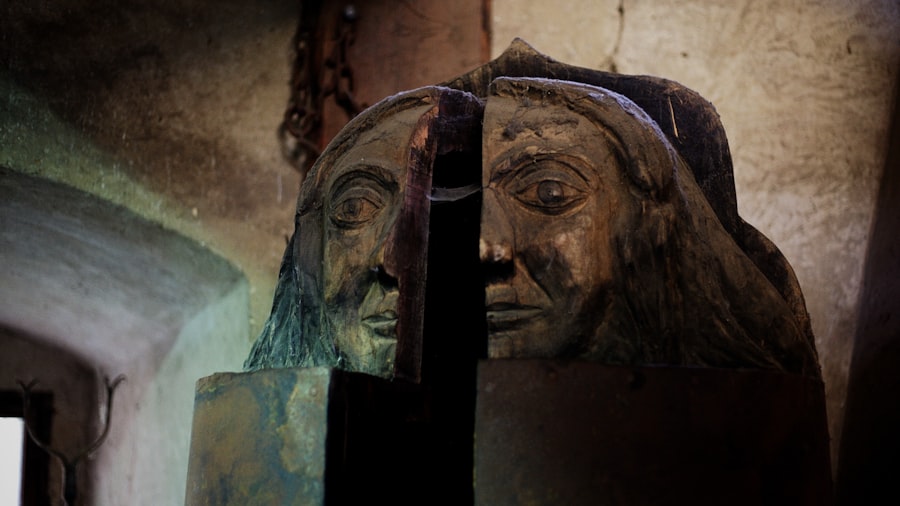
Throughout history, archaeological discoveries have unearthed objects that defy easy explanation, artifacts that seem to possess knowledge or capabilities beyond their supposed era. These items, often referred to as “out-of-place artifacts” (OOPArts), spark debate and fuel speculation about forgotten technologies or unknown chapters of human ingenuity.
The Antikythera Mechanism: An Ancient Computer?
Discovered in a shipwreck off the coast of Greece in 1900, the Antikythera Mechanism is a complex device dating back to the 2nd century BCE. It is a sophisticated analog computer, capable of predicting astronomical positions and eclipses with remarkable accuracy. Its intricate gearing and the precision of its construction are far beyond what was previously believed to be achievable by ancient Greek engineers.
The mechanism challenges our assumptions about the technological capabilities of the ancient world. While its function is now largely understood, the question remains: how did this level of sophisticated engineering develop, and was it an isolated invention, or did it represent a wider technological tradition that has since been lost? The existence of such a complex device suggests that ancient Greek science and engineering may have been more advanced than previously thought, hinting at a lost branch of technological development.
The Baghdad Battery: Early Electrical Experimentation?
The “Baghdad Battery” refers to a collection of terracotta jars found near Baghdad, dating to the Parthian or Sasanian periods (between roughly 250 BCE and 650 CE). These jars contain a copper cylinder and an iron rod, and when filled with an acidic liquid like vinegar or grape juice, they are capable of producing a small electrical voltage.
While their precise purpose is debated – some speculate they were used for electroplating, others for religious rituals or even simple medical applications – their existence raises intriguing questions about early electrical experimentation. Could ancient peoples have harnessed electricity, even in a rudimentary form, for practical purposes? The lack of further evidence of widespread electrical technology from these periods leaves the true function of the Baghdad Batteries shrouded in mystery.
The Voynich Manuscript: A Silent Cipher
The Voynich Manuscript is a handwritten book penned in an unknown script and language, filled with bizarre illustrations of plants, astronomical diagrams, and naked figures in strange plumbing systems. Its origins are uncertain, with dating placing its creation in the early 15th century. Despite the efforts of cryptographers and linguists for centuries, its text remains entirely undeciphered.
The manuscript has been subjected to intense scrutiny, with theories ranging from it being a lost natural history or medical text to an elaborate hoax. The complexity of its script and the consistency of its structure suggest a genuine language, but its meaning remains elusive, making it one of the most perplexing linguistic and historical mysteries in the world. The sheer dedication to its creation and the detailed, if baffling, illustrations suggest a significant purpose, but one that is lost to us.
Throughout human history, countless mysteries have captivated our imagination, from ancient civilizations to lost artifacts. One intriguing aspect of these enigmas is the discovery of impossible artifacts that challenge our understanding of the past. For a deeper dive into this fascinating topic, you can explore an article that discusses various unearthed items that seem to defy explanation. Check it out here: impossible artifacts found. These findings not only spark curiosity but also prompt us to reconsider the narratives we have constructed about our ancestors and their capabilities.
The Mysteries of Belief and Ritual: What They Revered and Why
| Mystery | Description |
|---|---|
| Stonehenge | An ancient monument in England, the purpose of which is still debated by historians and archaeologists. |
| The Great Pyramid of Giza | The construction methods and purpose of this ancient wonder of the world continue to baffle researchers. |
| The Lost City of Atlantis | A legendary island that is said to have sunk into the ocean, its existence and location remain a mystery. |
| The Nazca Lines | Giant geoglyphs in the Peruvian desert whose purpose and creators are still unknown. |
| The Voynich Manuscript | An ancient book filled with mysterious, undecipherable text and illustrations that has puzzled scholars for centuries. |
Beyond the tangible relics of the past, the inner lives of ancient peoples – their beliefs, their spiritual practices, and their understanding of the cosmos – remain largely inscrutable. While archaeology can reveal the physical evidence of their rituals and sacred sites, the why behind their actions, the nuances of their mythologies, and the depth of their spiritual experiences are often lost to time.
The Purpose of Stonehenge: Astronomical Alignment or Sacred Site?
The iconic megalithic structure of Stonehenge in England, dating back over 4,000 years, continues to puzzle researchers. While its astronomical alignments, particularly with the summer solstice sunrise, are well-documented and suggest a sophisticated understanding of celestial cycles, its ultimate purpose remains debated. Was it a temple, an astronomical observatory, a burial ground, or a combination of these?
The sheer effort involved in transporting and erecting the massive stones, some from hundreds of miles away, speaks to its profound importance to the people who built it. However, the absence of written records from its builders leaves the precise meaning and function of Stonehenge open to interpretation. Was it a place of pilgrimage, a center for religious ceremony, or a sophisticated calendar device to guide agricultural practices? The debate continues to fascinate, highlighting the enduring power of ancient monumentality and the human drive to connect with the celestial realm.
Ancient Shamanism and the Spirit World
Shamanism, a practice involving a belief in and interaction with a spirit world, is one of the oldest known forms of human spirituality. Evidence of shamanistic practices can be traced back to prehistoric times through cave paintings depicting altered states of consciousness and ceremonial artifacts. However, the specific beliefs, rituals, and the nature of the “spirit world” encountered by ancient shamans are notoriously difficult to reconstruct.
The symbolic language of ancient art and the material culture of various cultures offer glimpses into their understanding of the spiritual realm, but the subjective experience of altered states of consciousness and the interpretation of visions are inherently personal and often lost to us. Understanding the role of shamans in ancient societies – as healers, spiritual guides, mediators between the human and spirit worlds – provides a window into their worldview, but the concrete details of their practices and the full extent of their beliefs remain largely a matter of inference.
The Enigma of Early Religious Origins
The origins of religion itself are one of the most profound and enduring mysteries of human history. While various theories propose that religion arose from a need to explain natural phenomena, a desire for social cohesion, or as a response to existential anxieties, pinpointing the exact genesis of religious thought is incredibly challenging.
The transition from animistic beliefs and ancestor worship to more organized pantheons and structured religious systems is a slow and complex process. The emergence of priesthoods, religious texts, and elaborate temple complexes in later civilizations offers more concrete evidence, but the very first sparks of religious impulse, the initial human attempts to grapple with the transcendent, remain deeply enigmatic, buried in the mists of our prehistory. What were the first inklings of awe, fear, and reverence that led humans to seek connections beyond the material world? This question strikes at the very heart of our human experience.
Conclusion: The Enduring Allure of the Unknown
The unsolved mysteries of human history are not simply academic puzzles to be solved; they are the threads that bind us to our past, reminding us of the vastness of our ignorance and the boundless potential for discovery. They inspire continuous research, critical thinking, and a healthy dose of humility in the face of the deep temporal chasm that separates us from our ancestors. These enigmas serve as a constant reminder that the story of humanity is far from complete, and that the echoes of the past continue to whisper secrets, waiting for us to decipher their meaning. Each unanswered question beckons us to look deeper, to question our assumptions, and to continue the age-old human quest to understand who we are and where we came from.

The Greatest Technology Humanity Ever Lost
FAQs
What are some of the biggest mysteries in human history?
Some of the biggest mysteries in human history include the construction of ancient monuments like the pyramids, the disappearance of the Roanoke colony, the identity of Jack the Ripper, the fate of the lost city of Atlantis, and the origins of Stonehenge.
What is the significance of studying human history mysteries?
Studying human history mysteries allows us to gain a deeper understanding of our past, challenge existing theories, and potentially uncover new information that can reshape our understanding of history. It also encourages critical thinking and problem-solving skills.
How do historians and archaeologists approach solving human history mysteries?
Historians and archaeologists approach solving human history mysteries by conducting research, analyzing evidence, and considering various theories and perspectives. They also use advanced technologies such as carbon dating, satellite imaging, and DNA analysis to gather new information.
Are there any recent breakthroughs in solving human history mysteries?
Recent breakthroughs in solving human history mysteries include the use of DNA analysis to trace the origins of ancient civilizations, the discovery of new archaeological sites that challenge existing historical narratives, and advancements in technology that allow for more accurate dating of artifacts.
Why do human history mysteries continue to capture the public’s imagination?
Human history mysteries continue to capture the public’s imagination because they evoke a sense of wonder and curiosity about the past. They also offer a glimpse into the unknown and challenge our understanding of what is possible, sparking interest and fascination across different cultures and generations.