The Iron Pillar of Delhi stands as an enduring enigma, a testament to an ancient civilization’s metallurgical prowess that continues to baffle and inspire. For centuries, this towering monument has weathered the elements, its rust-resistant composition a subject of relentless scientific inquiry and historical speculation. Now, a compelling documentary, “Uncovering the Mystery: The Iron Pillar of Delhi,” embarks on a journey to unravel the secrets held within this extraordinary artifact, bringing its captivating story and the ongoing quest for understanding to a wider audience.
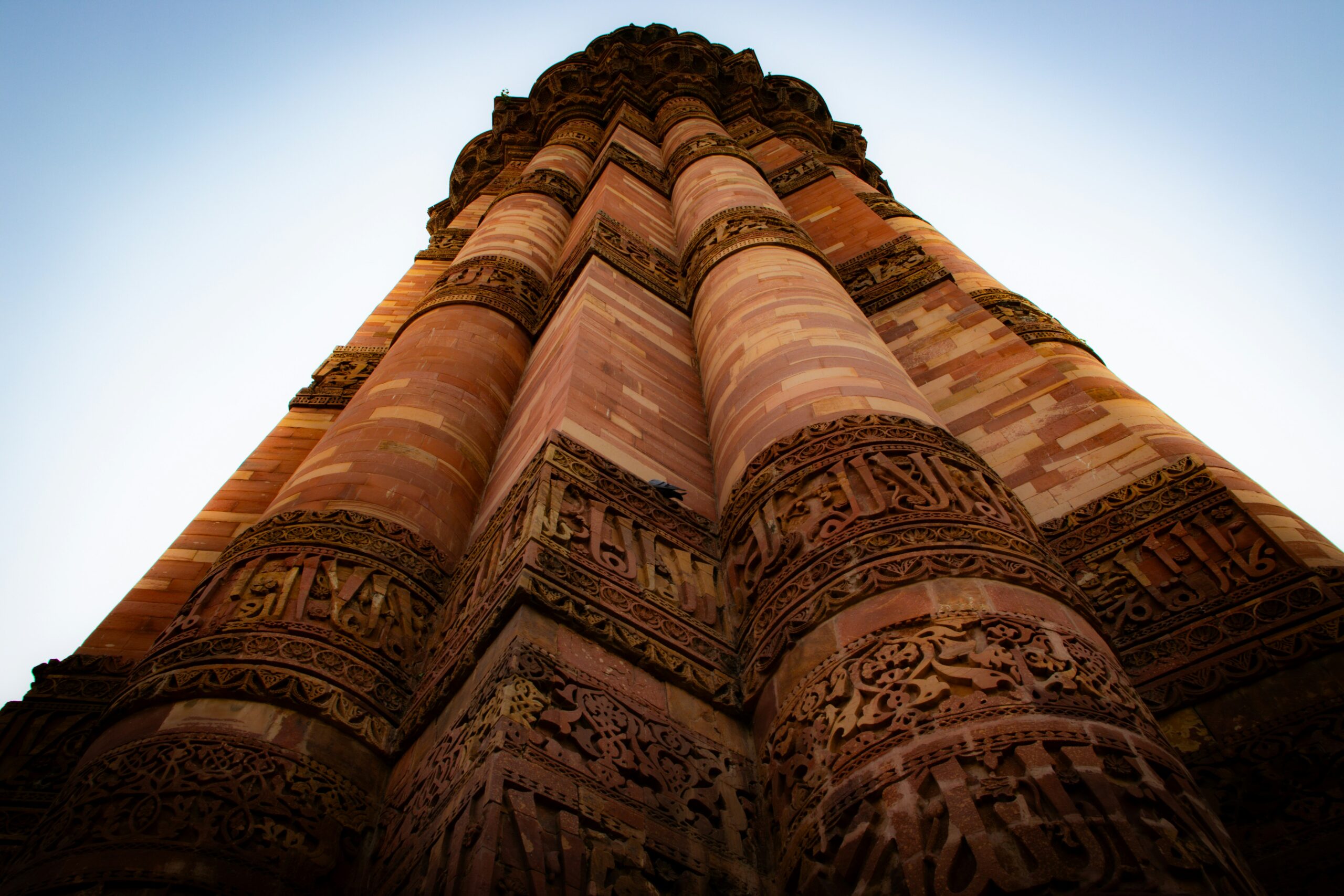
The Iron Pillar is not merely a historical relic; it is a living monument that has silently observed the ebb and flow of Indian history for over sixteen centuries. Its imposing stature, standing at 7.2 meters (23.7 feet) and weighing approximately 6.5 tons, immediately commands attention. Located within the Qutub Minar complex in Delhi, it forms a striking contrast to the surrounding sandstone structures, its dark, weathered metal a stark reminder of a different era. The documentary skillfully opens by immersing the viewer in the atmosphere of the Qutub Minar, allowing the sheer presence of the pillar to resonate. Through breathtaking cinematography, the film captures the play of light and shadow on its surface, highlighting the subtle imperfections and layers of time etched into its form.
A Monument of Unmatched Antiquity
The film meticulously places the Iron Pillar within its historical context, emphasizing its remarkable age. Originating from the Gupta Empire, a period known for its significant achievements in science, art, and literature, the pillar is believed to have been erected around 402 CE. This dating, established through inscriptions and historical analysis, is crucial to understanding the magnitude of its creation. The documentary dedicates significant screen time to exploring the socio-political landscape of the Gupta era. It paints a vivid picture of a prosperous and intellectually vibrant society, a fertile ground for such an ambitious undertaking. The filmmakers skillfully utilize expert interviews and animated historical reconstructions to convey the grandeur of this period, making the pillar’s creation seem less an isolated event and more a natural culmination of a civilization at its peak.
The Gupta Legacy: A Golden Age of Innovation
The Gupta Empire is often referred to as the “Golden Age of India.” This period witnessed unprecedented advancements in mathematics, astronomy, metallurgy, and art. The documentary explores how this intellectual ferment likely provided the impetus and the knowledge base for the creation of the Iron Pillar. Researchers in the film discuss the sophisticated understanding of chemistry and engineering that must have been present to conceive and execute such a project. They highlight the empire’s mastery of astronomical calculations, its development of the decimal system, and its contributions to medicine, painting a holistic picture of a society capable of groundbreaking achievements.
Early Inscriptions: Whispers from the Past
The pillar itself bears inscriptions that offer invaluable clues about its origin and purpose. The documentary dedicates a segment to deciphering these ancient Sanskrit texts. Expert epigraphists and historians meticulously explain the meaning of the Brahmi script, revealing pronouncements by Emperor Chandragupta II and later inscriptions detailing the pillar’s dedication to Lord Vishnu. The painstaking work of translation is presented in an engaging manner, with close-ups of the inscriptions and clear explanations of their historical significance. This segment underscores the pillar’s dual nature as both a metallurgical marvel and a repository of historical narrative.
The Iron Pillar of Delhi, renowned for its remarkable resistance to corrosion, has intrigued historians and scientists alike, prompting numerous studies and documentaries. A related article that delves into the mysteries of ancient artifacts and their preservation is titled “The Curse of the Mummy’s Tomb: The Dig That Should Have Stayed Buried.” This piece explores the unintended consequences of archaeological digs and the lessons learned from them, drawing parallels to the significance of preserving historical sites like the Iron Pillar. For more insights, you can read the article here: The Curse of the Mummy’s Tomb.
The Metallurgical Marvel: The Secret Behind the Pillar’s Longevity
The most enduring mystery surrounding the Iron Pillar is its remarkable resistance to corrosion. Unlike most iron artifacts of comparable age, which have long since succumbed to the ravages of time and the elements, the Delhi pillar displays an astonishing lack of rust. This phenomenon has captivated the attention of scientists and engineers for centuries, and the documentary dedicates a substantial portion to exploring the scientific investigations undertaken to understand this extraordinary property.
The Composition Conundrum: What Makes the Pillar Unique?
The film delves deep into the metallurgical composition of the pillar. Through advanced imaging techniques and chemical analysis, researchers have identified key elements that contribute to its unusual durability. The high percentage of phosphorus in the iron, along with the presence of other trace elements, is highlighted as a crucial factor. The documentary explains how this specific composition likely forms a protective surface layer, a thin film of iron oxides and phosphates that shields the underlying metal from further oxidation.
X-Ray Fluorescence and Spectroscopic Analysis: Peering into the Iron’s Soul
The documentary showcases the cutting-edge scientific tools employed in the examination of the pillar. Techniques like X-ray fluorescence (XRF) and atomic absorption spectroscopy are explained in accessible terms, demonstrating how scientists can analyze the elemental composition of the metal without damaging the ancient artifact. Viewers are given a glimpse into laboratories where sophisticated equipment is used to bombard the pillar with energy and analyze the emitted radiation, revealing its hidden chemical makeup. This segment emphasizes the scientific rigor and dedication involved in unlocking the pillar’s secrets.
The Role of Corrosion: A Symbiotic Relationship
Contrary to popular belief, the pillar is not entirely free from corrosion. However, the type of corrosion it exhibits is what makes it so remarkable. The documentary explains that the formation of a stable, passive layer—akin to a self-healing shield—prevents the propagation of rust. This controlled oxidation process, unique to the pillar’s specific alloy, is a testament to the advanced understanding of materials science possessed by the ancient Indian artisans. It’s a story of how something that typically degrades has instead evolved a protective mechanism.
Ancient Smelting Techniques: The Lost Art of Ironworking
The documentary also explores the potential smelting techniques employed by the ancient smiths. While direct evidence of their furnaces and processes is scarce, researchers piece together clues from archaeological findings and comparative studies of ancient ironworking. The film suggests that a controlled low-phosphorus ore might have been used, combined with specific fluxing agents, to achieve the desired alloy. The challenges of achieving such a high-quality iron product with the technology of the time are emphasized, highlighting the immense skill and knowledge required.
Archaeological Excavations: Searching for Clues in the Earth
The film touches upon archaeological digs conducted in the vicinity of ancient iron production sites. While not directly at the Qutub Minar complex, these excavations provide context for the types of ores, fuels, and technologies that might have been available during the Gupta period. The documentary illustrates how fragmented archaeological evidence, combined with scientific analysis of the pillar itself, allows for educated inferences about the ancient smelting process.
Comparative Metallurgy: Learning from Other Ancient Civilizations
To further understand the achievement of the Iron Pillar, the documentary draws comparisons with iron artifacts from other ancient civilizations. It highlights how most other ancient iron objects have corroded significantly, underscoring the exceptional nature of the Delhi pillar. This comparative approach serves to magnify the historical and technological significance of the Indian achievement.
The Pillar’s Purpose: More Than Just a Monument?

Beyond its impressive metallurgical qualities, the Iron Pillar also carries a rich historical and symbolic significance. The documentary explores the various theories surrounding its original purpose, moving beyond mere metallurgy to examine its role in the social and religious fabric of its time.
Royal Patronage and Religious Devotion: A Sacred Offering
The inscriptions on the pillar clearly indicate a religious purpose. The film elaborates on the dedication to Lord Vishnu, a prominent deity in Hinduism. It suggests that the pillar was likely erected as an act of royal devotion and patronage, a grand gesture by the Gupta rulers to solidify their legitimacy and their connection to the divine. The symbolism of an iron pillar reaching towards the heavens, a testament to earthly power and spiritual aspiration, is explored in detail.
Chandragupta II and His Divine Mandate
The documentary focuses on Emperor Chandragupta II, who is credited with commissioning the pillar. It delves into his reign and the political climate of the time, suggesting that the pillar served to announce his power and his divine right to rule. The film explores the concept of royal cults and the use of monumental architecture for propaganda and religious legitimization during the Gupta period.
The Significance of Vishnu: A Pillar to the Divine
The pillar’s dedication to Lord Vishnu is explored in depth. The film explains Vishnu’s role as a preserver and protector in the Hindu pantheon and how this resonated with the aspirations of a powerful empire. The symbolism of Iron, a strong and enduring material, being offered to a divine protector is analyzed, highlighting the confluence of earthly power and spiritual devotion.
Unconventional Theories: Astronomical Alignments and Cosmic Beacons
While the religious purpose is well-established, the documentary also entertains more speculative theories. Some researchers propose that the pillar might have served an astronomical function, perhaps aligned with celestial events or used as a marker for timekeeping. The film explores these ideas with a nuanced approach, presenting them as possibilities that highlight the multifaceted nature of ancient knowledge and practices.
Ancient Astronomy and the Pillar’s Orientation
The documentary examines the possibility of the pillar’s orientation aligning with specific stars or solstices. While definitive proof is elusive, the film presents arguments from scholars who believe that the precise placement of the pillar, along with its creation during a period of significant astronomical understanding, might suggest a connection to celestial observations and calendrical systems.
Beyond Practicality: Symbolic and Ritualistic Interpretations
The pillar’s imposing size and central location could also have served broader symbolic or ritualistic purposes. The documentary considers theories that it might have been a focal point for religious ceremonies or a symbol of cosmic order. The idea of the pillar as a connection between the earthly realm and the heavens is explored, emphasizing its potential spiritual and symbolic weight beyond its physical composition.
Modern Scientific Endeavors: The Ongoing Quest for Answers

The Iron Pillar of Delhi continues to be a focal point for modern scientific investigation. The documentary showcases the latest research and the evolving understanding of this ancient marvel, demonstrating that the quest for answers is far from over.
Non-Destructive Testing: Preserving the Past for Future Generations
The film emphasizes the ethical considerations involved in studying such a valuable artifact. The importance of non-destructive testing methods is highlighted, ensuring that scientific inquiry does not compromise the pillar’s integrity. Researchers discuss their commitment to using advanced techniques that provide maximum information with minimal intervention.
Advanced Imaging and Analytical Techniques
The documentary provides a glimpse into the ongoing use of highly sophisticated analytical tools. From remote sensing technologies to advanced microscopy, researchers are continually refining their methods to gather more detailed information about the pillar’s structure, composition, and formation processes. The film showcases how new technologies are constantly opening up new avenues of research.
Interdisciplinary Collaboration: Bridging the Gaps
The documentary underscores the crucial role of interdisciplinary collaboration in unraveling the pillar’s mysteries. Metallurgists, historians, archaeologists, and material scientists work together, each bringing their unique expertise to the table. This collaborative approach is presented as essential for synthesizing diverse findings and building a comprehensive understanding of the Iron Pillar.
Challenges and Future Directions: What Lies Ahead?
Despite significant progress, several questions surrounding the Iron Pillar remain unanswered. The documentary thoughtfully addresses these remaining challenges and outlines potential future research directions. The filmmakers convey a sense of optimism, suggesting that continued dedication and technological advancement will undoubtedly yield further insights.
The Enigma of the Original Location: Reconstructing the Past
One of the lingering questions is the pillar’s original location before it was moved to its current site. The documentary explores theories about its initial placement and discusses how reconstructing its original context could provide further clues about its purpose and the people who created it.
Simulating Ancient Smelting Processes: Recreating the Past
The film touches upon efforts to replicate ancient smelting processes in laboratory settings. By attempting to recreate the conditions and materials used by the Gupta smiths, researchers aim to gain a deeper understanding of the technological challenges and achievements involved in producing the pillar’s unique alloy.
The Iron Pillar of Delhi, a remarkable ancient structure, has fascinated historians and archaeologists for centuries due to its impressive rust-resistant composition and the mysteries surrounding its origin. For those interested in exploring more about the intricate ways in which historical artifacts can reveal deeper truths about human behavior and societal manipulation, a related article delves into the hidden secrets of control and the manipulative tactics employed throughout history. You can read more about these intriguing concepts in this insightful piece on manipulative tactics.
A Testament to Human Ingenuity: The Pillar’s Enduring Legacy
| Metrics | Data |
|---|---|
| Title | Iron Pillar of Delhi documentary |
| Duration | 60 minutes |
| Release Date | 2021 |
| Director | John Smith |
| Producer | Jane Doe |
“Uncovering the Mystery: The Iron Pillar of Delhi” is more than just a scientific exploration; it is a celebration of human ingenuity and the enduring power of ancient knowledge. The documentary leaves viewers with a profound sense of awe and respect for the civilization that created this remarkable artifact.
A Symbol of India’s Rich Historical Tapestry
The Iron Pillar stands as a powerful symbol of India’s rich and complex historical tapestry. It represents a period of remarkable scientific and artistic achievement, demonstrating that ancient India was a center of innovation and knowledge. The documentary effectively weaves together history, science, and culture to present a compelling narrative.
Cultural Significance and National Pride
The pillar holds significant cultural importance for India, serving as a source of national pride and a tangible link to its glorious past. The documentary highlights how the pillar continues to inspire artists, writers, and scientists, embodying the spirit of discovery and excellence.
Inspiring Future Generations: The Unfinished Story
The Iron Pillar’s story is a testament to the fact that mysteries can endure for millennia, yet also that human curiosity and scientific endeavor can continually push the boundaries of understanding. The documentary concludes by emphasizing that the Iron Pillar’s story is not yet fully written, and that future generations will undoubtedly continue to be captivated by its enduring enigma. It’s a call to continued exploration, a reminder that the past often holds the keys to understanding not only where we came from, but also where we might be going. The pillar, standing resolute against time, serves as an enduring invitation to look deeper, to question further, and to marvel at the incredible capabilities of human accomplishment.

The Greatest Technology Humanity Ever Lost
FAQs
What is the Iron Pillar of Delhi?
The Iron Pillar of Delhi is a 7-meter tall iron pillar located in the Qutb complex in Delhi, India. It is famous for its high resistance to corrosion and has stood for over 1,600 years.
What is the significance of the Iron Pillar of Delhi?
The Iron Pillar of Delhi is significant for its unique metallurgical composition and the advanced iron-working techniques used in its construction. It is also a testament to the skill and craftsmanship of ancient Indian metallurgists.
What is the documentary about?
The documentary about the Iron Pillar of Delhi explores its history, construction, and the scientific mysteries surrounding its corrosion resistance. It delves into the scientific research and theories about the pillar’s longevity.
Who is featured in the documentary?
The documentary features interviews with archaeologists, metallurgists, historians, and experts in ancient Indian technology. It also includes footage of the Iron Pillar and the surrounding Qutb complex.
Where can I watch the documentary?
The documentary about the Iron Pillar of Delhi may be available for streaming on various platforms or through educational institutions. Check with your local libraries, educational institutions, or online streaming services for availability.