The dust of ages settles on the scattered remains, whispers of a forgotten ingenuity. Across landscapes rugged and resilient, enigmatic structures stand in silent testament to a past shrouded in mystery. These are the vitrified forts, ancient fortifications unlike any other, their stones fused and melted into a glassy, obsidian-like material. For centuries, scholars, archaeologists, and intrigued observers have grappled with the fundamental question: how were these formidable defenses created? The answer, it seems, lies not in a single, simple explanation, but in a complex interplay of human ambition, environmental conditions, and an understanding of fire’s transformative power, lost and perhaps partially rediscovered.
The defining characteristic of these ancient strongholds is undeniably their vitrified stonework. Unlike meticulously cut and stacked masonry, the walls of vitrified forts exhibit a chaotic transformation. Boulders and stone elements within the ramparts have been subjected to extreme heat, reaching temperatures high enough to fuse and melt geological materials. This process results in a glassy, slag-like substance that binds the original stones together, creating a remarkably strong and resilient material. The visual impact is striking: sections of ancient walls shimmer with a dark, almost volcanic sheen, hinting at the immense forces that must have been unleashed to create them.
Geographical Distribution and Common Features
Vitrified forts are not isolated anomalies but appear in distinct geographical clusters, primarily in Scotland, Ireland, and, to a lesser extent, in parts of Scandinavia and continental Europe. This distribution suggests a shared cultural or technological heritage, or perhaps the independent development of similar solutions to common defensive needs in similar environmental settings. While the exact construction methods vary, common features are frequently observed. These include:
- Elevated Positions: Vitrified forts are almost invariably situated on prominent hills, ridges, or promontories, offering natural defensive advantages and commanding views of the surrounding landscape. This strategic placement is a hallmark of Iron Age hillforts in general, but the vitrification adds a unique layer of resilience.
- Massive Ramparts: The scale of these fortifications is often impressive, with extensive earthwork ramparts that can be substantial in height and width. It is within these ramparts that the vitrified sections are most prominent, indicating a specific focus on strengthening the defensive walls.
- Inner Structures: While the outer ramparts are the most visually dramatic, evidence often points to internal structures, including ancillary walls, hearths, and potential living spaces. The purpose of these forts was not solely for defense but also likely served as centers for communities, offering protection and a focal point for settlement.
- Varied Degrees of Vitrification: Not all sections of a single fort are uniformly vitrified. Some exhibit extensive melting, while others show only partial fusion or charring. This suggests that the vitrification process may have been applied selectively or that different heating intensities were employed during their construction or destruction.
The Puzzle of Purpose: Defense and Beyond
The primary purpose of any fort, ancient or modern, is defense. The sheer scale and elevated locations of these vitrified structures strongly support this interpretation. They would have provided formidable barriers against attackers, their fused stone walls potentially offering superior resistance to siege engines and fire. However, a purely defensive explanation might not encompass the entirety of their function.
Defensive Advantages of Vitrified Walls
Ceramic materials, by their nature, are often resistant to heat. The vitrification process effectively creates a type of natural ceramic or slag. This would have made the walls considerably harder to breach by conventional means of attack common in antiquity.
Resistance to Fire and Siege Weapons
Imagine a siege in which attackers attempt to set wooden palisades ablaze or hurl fiery projectiles. The vitrified sections of the fort walls would have been far more impervious to such attacks than un vitrified stone or timber. This inherent fire resistance would have been a significant tactical advantage. Furthermore, the fused mass could have absorbed a greater impact from projectiles or battering rams, making them more resilient to direct assault.
Perceived Intimidation and Psychological Warfare
Beyond their physical properties, the sheer appearance of vitrified walls might have served as a powerful psychological deterrent. The dark, glassy, and often melted appearance could have been interpreted as a sign of immense power and destructive capability, instilling fear in potential adversaries before any direct confrontation. This element of intimidation cannot be discounted in the strategic considerations of ancient peoples.
Beyond Defense: Community and Symbolism
While defense was undoubtedly a prime concern, the construction of such massive and labor-intensive structures suggests more than just a need for a quick defensive measure.
Centers of Power and Authority
The resources and organizational capacity required to build and vitrify these forts would have been considerable. This suggests that they were likely commissioned by powerful chieftains or ruling elites, serving as tangible symbols of their authority and control over the surrounding territory. The forts would have been focal points for their communities, reinforcing their prestige and dominance.
Ritualistic or Symbolic Significance
Some researchers propose that the vitrification process itself might have held ritualistic or symbolic meaning. The intense heat and transformative nature of fire are often associated with purification, power, and the divine in many ancient cultures. It is plausible that the construction of these forts was imbued with such symbolic significance, linking the people and their defenses to spiritual forces. The sheer effort involved could have been a demonstration of devotion or a plea for divine protection.
The mystery of vitrified forts has long intrigued historians and archaeologists, as these ancient structures exhibit unique stonework that appears to have been subjected to intense heat. A related article that delves into the fascinating intersections of history and geography is titled “Uncovering Glacial History with the Piri Reis Map.” This piece explores how ancient maps, like the Piri Reis map, provide insights into historical landscapes and the civilizations that inhabited them, much like the study of vitrified forts sheds light on the technological capabilities of past societies. For more information, you can read the article here: Uncovering Glacial History with the Piri Reis Map.
The Great Debate: How Were They Vitrified?
The question that has most captivated researchers and the public alike is the mechanism by which these stones were fused. The temperatures required for vitrification are substantial, typically exceeding 1000 degrees Celsius for many types of rock. Achieving such heat levels uniformly and on such a scale, using only the technologies available in the Iron Age, presents a significant challenge.
The “Natural Fire” Hypothesis: An Unlikely Scenario
Early theories often leaned towards the possibility of “natural fires.” This hypothesis suggests that the forts were either accidentally or intentionally subjected to fires of such intensity that they caused the stone to melt. However, the scale and uniformity of vitrification in many forts make a purely accidental outcome highly improbable.
Accidental Wildfires: Limitations and Evidence
While large wildfires can occur, particularly in dry, vegetated areas, it is difficult to envision a natural wildfire achieving the sustained, intense heat necessary to fuse large sections of stone ramparts uniformly. The ramparts of vitrified forts are often composed of massive boulders, which would require prolonged, concentrated heat application from a highly efficient combustion source. Evidence for such widespread and consistent natural heating of specific stony structures is scarce.
Intentional Lighting of Fires: A Closer Look
The idea of intentionally setting fires to the forts is more plausible, but the question then becomes the nature of these fires and the method of their application. If the intent was to destroy the fort or make it impassable, this would suggest a later period of conflict or deliberate destruction. However, the integrated nature of the vitrification, often seemingly part of the original construction, points away from a purely destructive act.
The “Deliberate Heating” Theories: Engineering Ingenuity
The prevailing and most compelling theories center on the deliberate application of heat, suggesting a sophisticated understanding of fire and its properties. Scholars have proposed various methods, each with its own set of supporting evidence and challenges.
Internal Heating Mechanisms: Harnessing Great Fires
One prominent theory suggests that the heat was generated from within the ramparts themselves. This could have involved:
The Use of Extensive Timber and Fuel
It is well-established that Iron Age peoples were skilled in carpentry and agriculture, implying access to and knowledge of wood. It is theorized that vast quantities of timber and other combustible materials could have been packed within the stone ramparts. When ignited, these materials, combined with the insulating properties of the stone and earth, could have created a prolonged, superheated environment. The ramparts would have acted as a giant furnace, slowly and intensely heating the stones.
Controlled Combustion and Airflow
The success of such a method would have necessitated a degree of control over the combustion. This might have involved strategic placement of fuel, ventilation shafts or apertures to manage airflow, and perhaps even the use of sod or clay to seal and intensify the heat. The careful construction of the ramparts themselves would have been crucial in creating the conditions for sustained high temperatures.
External Heating Mechanisms: Directed Flames and Intense Heat
Another set of theories focuses on external heat sources directed at the ramparts.
The “Furnace” Theory: Creating Stone Ovens
This hypothesis suggests that the ramparts were constructed in such a way as to create enclosed spaces or chambers within them. These chambers could then have been filled with fuel and heated like a massive oven, directing intense heat outwards towards the stone facing. The idea is to create a highly localized and intense heat source against the rampart walls.
Use of Specialized Tools or Techniques
While direct evidence is scarce, it is not impossible that specialized tools or techniques were employed to direct and intensify flames. This could include the use of bellows to force air into fires or the strategic placement of combustible materials to create roaring infernos. However, the scale of the vitrification often makes such limited, directed attacks seem insufficient on their own.
The Role of Specific Materials
The type of stone used in the construction of the forts, and the presence of certain impurities, may have played a crucial role in the vitrification process.
High Silica Content and Fluxing Agents
Many of the stones found in vitrified forts are rich in silica, a primary component of glass. When subjected to high temperatures, silica can melt and flow. Furthermore, the presence of certain fluxing agents, such as iron oxides or alkali metals, can lower the melting point of silica-rich materials, making vitrification easier to achieve.
Natural Impurities and Their Effect
It is possible that the builders intentionally selected stone with naturally occurring impurities that would facilitate melting. Alternatively, they may have deliberately added such materials to the ramparts. The presence of specific mineral compositions in the vitrified sections could provide clues to the origin of the stones and the methods used.
Unpacking the Evidence: Archaeological Clues
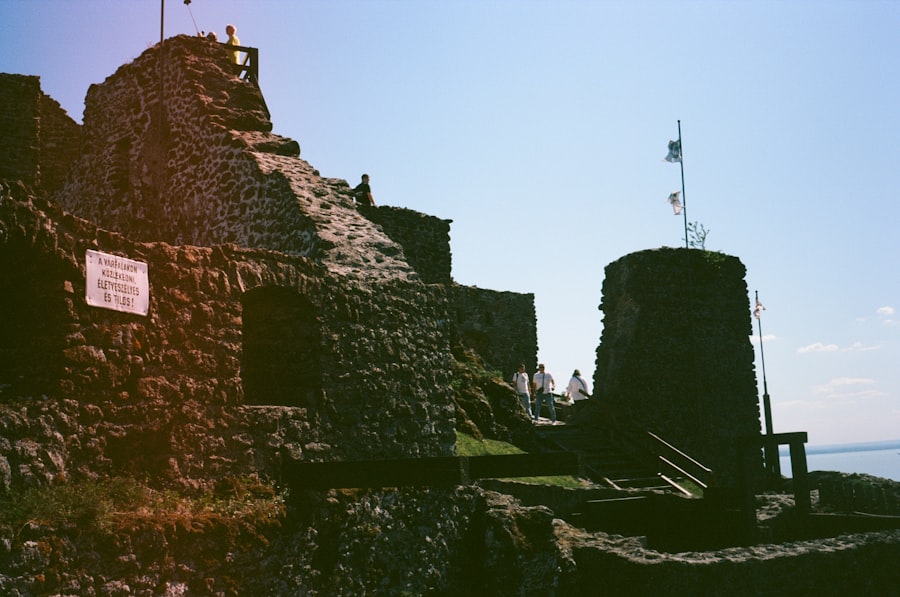
Archaeological investigations have provided crucial insights into the construction of these ancient defenses, although definitive answers remain elusive. Excavations have revealed the layered nature of the ramparts and the context in which the vitrification occurs.
Excavations and Stratigraphy
Archaeological digs at vitrified fort sites have meticulously unearthed the construction techniques. The layers of stone, earth, and charcoal within the ramparts tell a story of deliberate construction and intense heating.
Layers of Timber and Combustibles
Evidence of charcoal deposits, burnt timber, and ash is frequently found within and around the vitrified sections. This strongly supports the hypothesis that large amounts of combustible material were intentionally incorporated into the ramparts. The careful layering suggests a planned process of building and burning.
Dating the Construction and Heating Events
Radiocarbon dating of organic materials found in association with the vitrification process has provided chronological frameworks for these structures. These dates generally place the construction and heating of vitrified forts within the Iron Age, broadly between the 1st century BCE and the 8th century CE, though some may predate this.
Structural Evidence and Construction Methods
The physical layout of the ramparts themselves offers clues. The sheer thickness and the way stones are arranged suggest they were designed to contain and channel heat effectively.
The “Hollow Rampart” Theory
Some forts exhibit a feature known as the “hollow rampart,” where the outer stone facing is separated from an inner core by a void or a layer of rubble. This design would have been ideal for packing with fuel and then igniting, creating an internal furnace that would heat the facing stones.
Evidence of Repeated Heating or Repair
In some cases, evidence suggests that the vitrification process may have been repeated or that repairs were undertaken to sections that had been vitrified. This could indicate ongoing use and reinforcement of the fortifications over time.
Experimental Archaeology: Replicating the Past
To test the various hypotheses, experimental archaeologists have attempted to replicate the vitrification process under controlled conditions. These experiments provide tangible insights into the feasibility of different theories.
Controlled Burning Experiments
Researchers have built small-scale reconstructions of rampart sections and subjected them to controlled fires, using various types of fuel and construction methods. These experiments aim to determine the amount of fuel, the duration of burning, and the techniques required to achieve vitrification.
Proving the Viability of Timber Pyres
Such experiments have demonstrated that it is indeed possible to achieve vitrification of stone by packing rampart structures with large quantities of timber and earth and then igniting them. The results highlight the importance of fuel volume, containment, and insulation in reaching the necessary temperatures.
Challenges in Replication
Despite successes, experimental archaeology also highlights the challenges. Replicating the exact conditions and scale of the ancient forts, and achieving uniform vitrification across large areas, remains a formidable task. The inherent variability of ancient materials and the environmental conditions of the time are difficult to perfectly recreate.
Theories and Counter-Theories: A Multifaceted Discussion
The mystery of vitrified forts has spawned a rich tapestry of theories, each offering a potential explanation, and each with its own proponents and detractors. The ongoing debate reflects the complexity of the evidence and the enduring allure of ancient ingenuity.
The “Defensive Destruction” Theory
This theory posits that the vitrification was not part of the original construction but rather a deliberate act of destruction carried out by the inhabitants themselves. Faced with an overwhelming enemy, they would have set fire to their own fortifications to render them unusable and deny them to the attackers.
Arguments For and Against
Proponents point to the intensity of the fires and the sometimes fragmented nature of the vitrified sections, suggesting a violent event. However, the uniformity of vitrification in some areas, and the evidence of deliberate construction aimed at containing heat, make purely destructive intent less likely as the sole explanation.
The “Intensified Defense” Theory
This favored theory suggests that vitrification was an integral part of the defensive design. The ramparts were constructed in layers, with substantial amounts of timber or other fuel incorporated. These were then ignited, creating an intensely hot and resilient outer wall.
Advantages of this Approach
This theory accounts for the evidence of incorporated fuel, the structural design of the ramparts (like hollow ramps), and the impressive strength of the resulting vitrified material. It presents a proactive and sophisticated approach to fortification.
The “Accidental Overheating” Theory (Less Favored)
While less widely accepted, some have proposed that accidental overheating during intense periods of occupation or conflict could have led to vitrification. This might involve prolonged, uncontrolled fires for domestic purposes or during sieges.
Limitations of this Perspective
This theory struggles to explain the scale and uniformity of vitrification seen in many forts. It is difficult to imagine domestic fires or even siege fires consistently reaching the temperatures and durations required to achieve the observed results across entire ramparts.
The mystery surrounding vitrified forts has intrigued historians and archaeologists for years, with theories ranging from ancient warfare to advanced technology. For those interested in exploring how legal frameworks can impact the preservation of such historical sites, a related article discusses the importance of protecting sovereign interests in nationalization efforts. You can read more about this topic in the article found here. Understanding these legal aspects can provide a deeper insight into the challenges faced in safeguarding our cultural heritage.
The Enduring Legacy of Vitrified Forts
| Location | Number of Vitrified Forts | Material Used for Vitrification |
|---|---|---|
| Scotland | 60+ | Stone |
| France | 10+ | Stone and Clay |
| Germany | 5+ | Stone and Wood |
The vitrified forts stand as silent witnesses to a period of human history where ingenuity, resilience, and a deep understanding of natural forces were paramount. While the complete unraveling of their mystery may still be some way off, the ongoing research and evolving theories offer a compelling narrative of human capability and adaptation.
Significance in Understanding Iron Age Societies
These structures provide invaluable insights into the social, economic, and technological capabilities of Iron Age communities. The investment of labor and resources required to build and vitrify these forts speaks volumes about their organization and priorities.
Technological Prowess and Engineering Skills
The knowledge of fire, heat retention, and material properties demonstrated by the builders of vitrified forts is remarkable. It challenges our perceptions of Iron Age technological limitations and suggests a sophisticated understanding of engineering principles.
A Lost Art or a Recovered Skill?
The question of whether vitrification was a widespread skill that was lost or a rare, specific development remains a subject of debate. The limited geographic distribution might suggest the latter, or perhaps the necessary environmental conditions for preservation were only met in certain regions.
Future Directions in Research
The ongoing exploration of vitrified forts promises to shed further light on their construction and purpose. New technologies and more detailed analyses offer exciting possibilities for future discoveries.
Advanced Analytical Techniques
The application of advanced analytical techniques, such as mass spectrometry and X-ray diffraction, can provide more detailed information about the mineral composition of the vitrified materials, potentially revealing the source of the stones and any deliberately added materials.
LiDAR and Remote Sensing
The use of LiDAR and other remote sensing technologies can help to map the full extent of these sites, revealing subtle features and patterns that might be obscured by vegetation or natural erosion, providing a more comprehensive understanding of their layout and scale.
Comparative Studies Across Regions
Continued comparative studies of vitrified forts across different regions, as well as comparisons with other types of ancient fortifications, may reveal common threads and unique adaptations, helping to refine our understanding of their cultural significance and technological development.
The vitrified forts remain a fascinating enigma, inviting us to ponder the ingenuity and resilience of our ancestors. They are not merely ruins but compelling testaments to a time when the power of fire was harnessed with a mastery that continues to inspire awe and curiosity. Their stony hearts, fused by an ancient inferno, continue to whisper tales of a forgotten past, urging us to continue the quest for understanding.

The Greatest Technology Humanity Ever Lost
FAQs
What are vitrified forts?
Vitrified forts are ancient hill forts found in various parts of Europe, characterized by the presence of vitrified (fused together) stones in their walls. The process of vitrification involves heating stones to a high temperature, causing them to fuse together.
How were vitrified forts constructed?
The construction of vitrified forts involved stacking stones to form the walls of the fort, and then heating them to a high temperature, causing the stones to fuse together. The exact method and purpose of vitrification is still a subject of debate among archaeologists and historians.
Where are vitrified forts found?
Vitrified forts are primarily found in Scotland, with over 70 known examples. They are also found in other parts of Europe, including France, Germany, and Switzerland. The phenomenon of vitrified forts is not limited to a specific region, but they are most commonly associated with Celtic and Iron Age cultures.
What is the mystery surrounding vitrified forts?
The mystery surrounding vitrified forts revolves around the purpose and method of vitrification. It is unclear why ancient builders would go to the effort of vitrifying the stones in the walls of the forts, and the exact process of vitrification is still not fully understood.
What are some theories about vitrified forts?
There are several theories about the purpose of vitrification in forts, including suggestions that it was a deliberate construction technique to strengthen the walls, a result of accidental fires, or even a ritualistic or symbolic practice. The debate continues among archaeologists and historians, and no definitive answer has been reached.