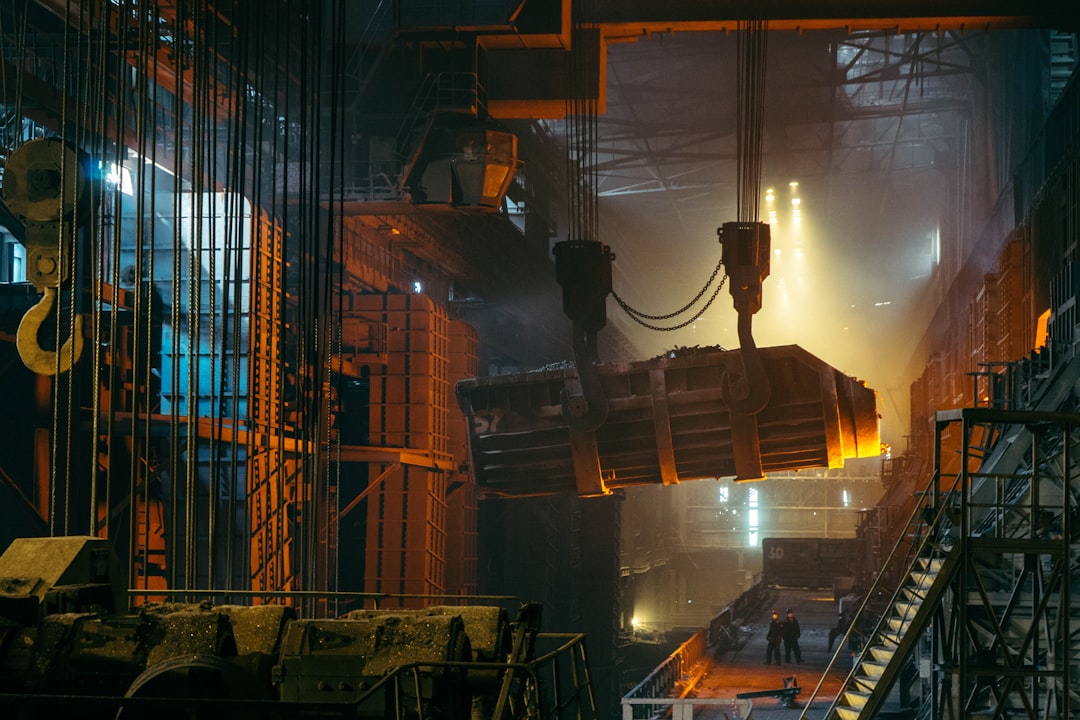
The echoes of hammers striking metal, the mesmerizing glow of furnaces, and the intricate artistry of objects crafted from precious ores – these are the whispers of a lost era, an era when ancient India stood as a beacon of metallurgical prowess. For millennia, Indian artisans and metallurgists not only mastered the fundamental techniques of metalworking but also innovated with a sophistication that continues to astound modern scholars. Unlocking the secrets of ancient Indian metallurgy is not merely an academic pursuit; it is a journey into the ingenuity and cultural richness of a civilization that shaped the world through its mastery of transforming raw earth into enduring masterpieces.
The story of Indian metallurgy begins not with the gleam of gold, but with the humble copper. The Chalcolithic period, a transitional phase between the Stone and Bronze Ages, witnessed the nascent stages of metal utilization in the Indian subcontinent. This era laid the groundwork for the remarkable advancements that would follow, demonstrating a keen understanding of materials and processes, even with relatively rudimentary tools.
Early Copper Smelting and Working
The earliest evidence of copper metallurgy in India emerges from sites like Ahar in Rajasthan and the Indus Valley Civilization. Copper ores, readily available in various regions, were smelted using relatively simple furnaces. These were often pit furnaces or kiln-like structures built from clay and stone, where ore was heated with charcoal. The temperatures achieved, while lower than modern standards, were sufficient to reduce copper oxides and carbonates into metallic copper.
- Ore Extraction: The primary ores utilized were malachite (a copper carbonate) and azurite. These were likely mined from surface deposits or shallow pits. The process of identifying and extracting these ores would have required significant geological knowledge.
- Smelting Techniques: The smelting process involved heating the ore mixed with fuel (charcoal) in the presence of air. Fluxes, such as silica or limestone, might have been employed to lower the melting point of the ore and slag, facilitating the separation of impurities. The resulting molten copper would then be tapped from the furnace.
- Casting and Forging: The molten copper was then cast into simple ingots or directly into molds. Early artifacts, such as axes, bangles, and small figurines, reveal a mastery of basic casting techniques. Forging, the process of shaping metal by hammering, was also employed to refine the crude castings and create more intricate forms. Cold working, or hammering the metal at room temperature, was used to harden and shape copper objects.
The Significance of the Indus Valley Civilization
The Indus Valley Civilization, flourishing from around 2600 to 1900 BCE, represents a significant leap forward in Indian metallurgy. The Harappans were not just adept copper workers; they also began experimenting with alloys, laying the foundation for the Bronze Age. Their urban planning, complex trade networks, and sophisticated craftsmanship are mirrored in their advanced metal technologies.
- Bronze Production: The most notable achievement of the Indus Valley civilization was its early adoption of bronze. This alloy, typically composed of copper and tin, offered superior hardness and durability compared to pure copper. The Harappans likely sourced tin from regions like Rajasthan or Afghanistan, indicating extensive trade routes.
- Artistic and Functional Objects: Indus metallurgists produced a wide array of objects, from utilitarian tools like knives, chisels, and fishhooks to exquisite decorative items such as bangles, beads, and the iconic “Dancing Girl” figurine from Mohenjo-daro. The “Dancing Girl,” a remarkably lively bronze statue, showcases a sophisticated lost-wax casting technique.
- Standardization and Quality Control: The uniformity in the size and shape of certain copper and bronze tools suggests a degree of standardization, implying a systematic approach to production and possibly quality control measures.
Ancient Indian metallurgy is a fascinating subject that highlights the advanced techniques and innovations of early civilizations in the Indian subcontinent. For those interested in exploring the broader implications of historical practices on modern society, a related article can be found at Protecting National Security: The Role of Eminent Domain. This article delves into how historical developments, including those in metallurgy, have shaped contemporary policies and national security considerations.
The Age of Alloys: Bronze and the Rise of Iron
Following the Chalcolithic, the Indian subcontinent delved deeper into the world of alloys, most notably bronze, before another revolutionary material, iron, began to transform their capabilities. This period witnessed the refinement of existing techniques and the introduction of new metallurgical practices that would have profound societal and technological impacts.
The Bronze Age in India: Beyond the Indus
While the Indus Valley Civilization pioneered bronze in the region, its use continued and evolved in subsequent periods. Various cultures across India developed their own distinct bronze traditions, characterized by regional variations in style and composition.
- Regional Bronze Industries: Sites in South India, such as those associated with the megalithic culture, also show evidence of bronze working. These cultures produced distinct bronze artifacts, often related to funerary practices, including weapons, tools, and elaborate ornaments.
- Advanced Casting Techniques: The lost-wax casting method, also known as cire perdue, became a hallmark of Indian bronze craftsmanship. This intricate process allowed for the creation of highly detailed and complex three-dimensional objects, a technique that would be perfected over centuries.
- The Metallurgical Make-up of Bronze: The specific proportions of copper and tin in bronze artifacts varied, leading to different properties. Metallurgical analysis of these artifacts reveals the skill of ancient smiths in achieving desired hardness, malleability, and casting fluidity.
The Iron Revolution: Dominating the Landscape
The advent of iron metallurgy, around the second millennium BCE, marked a profound turning point in ancient Indian history. Iron, being more abundant than copper and tin, and capable of producing harder tools and weapons, revolutionized agriculture, warfare, and toolmaking.
- Early Iron Smelting: The initial iron smelting processes were likely similar to those used for copper, albeit requiring higher temperatures. Small bloomery furnaces, often built from clay, were used to reduce iron ore. The resulting bloom, a spongy mass of iron, was then hammered to consolidate the metal and expel slag.
- The Challenge of Iron: Early iron was often brittle due to high carbon content, a challenge that ancient metallurgists gradually overcame. The understanding of carburization – the process of introducing carbon into iron to create steel – was a gradual evolution.
- Tools for Agriculture and Warfare: The Iron Age saw the proliferation of iron tools such as ploughshares, axes, and sickles, which significantly enhanced agricultural productivity, leading to larger settlements and population growth. Iron weapons, including swords, spears, and arrowheads, also gave armies a significant advantage, contributing to political shifts and state formation.
The Alchemy of Steel: India’s Unrivaled Prowess
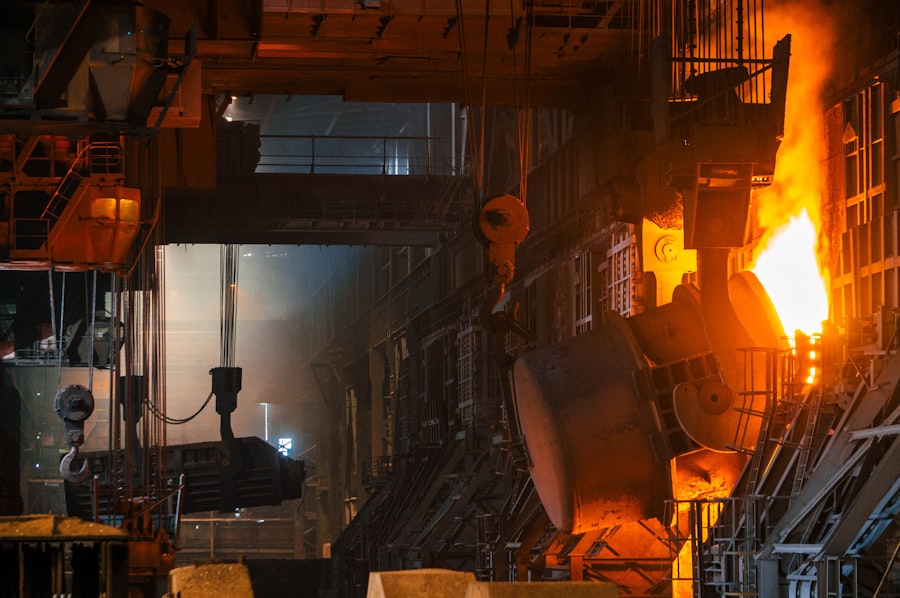
Ancient India’s metallurgical achievements reached their zenith with the mastery of steel production, particularly the creation of the legendary Wootz or Seric Steel. This high-carbon steel was renowned globally for its exceptional sharpness, strength, and inherent ductility, a combination that baffled and inspired swordsmiths across continents.
The Enigma of Wootz Steel
Wootz steel, also known by various regional names, was a unique form of steel produced in South India, particularly in Karnataka, Tamil Nadu, and Andhra Pradesh. The secrets of its production were jealously guarded by generations of smiths.
- Production Process: The creation of Wootz steel involved a specific crucible steel-making process. High-carbon steel was produced by heating iron and carbon-rich materials (like specific types of wood or leaves) within sealed clay crucibles. This process allowed for precise control over the carbon content and the formation of carbide precipitates, which are crucial for the steel’s properties.
- Microstructure and Properties: Metallurgical examination of Wootz steel reveals a unique microstructure characterized by microscopic carbide particles embedded within a matrix of pearlite. This composition is responsible for its unparalleled hardness, edge retention, and toughness.
- Global Recognition: Wootz steel was highly prized in the ancient and medieval world. Indian swords and daggers made from this steel were exported far and wide, reaching China, the Middle East, and ultimately Europe. Roman texts mention “Seric steel” with admiration, referring to its finest quality.
The Art of Sword Forging
The swords crafted from Wootz steel were not just weapons; they were works of art, imbued with cultural and symbolic significance. The process of forging these blades involved a deep understanding of thermal and mechanical treatments.
- Forging Techniques for Wootz: Forging Wootz steel required precise temperature control. Overheating could make the steel brittle, while insufficient heating would not allow for proper shaping. The smiths would reheat and hammer the steel repeatedly, carefully controlling the temperature through the color of the metal and the sound of the hammer.
- Heat Treatment and Tempering: After forging, the blades underwent a series of heat treatments, including quenching (rapid cooling) and tempering (reheating to a lower temperature). These processes were crucial for achieving the desired balance of hardness and toughness, preventing the blade from becoming too brittle or too soft.
- Damascus Steel Connection: The legendary Damascus steel of the Middle East, known for its distinctive watered patterns, is widely believed to have been made from imported Indian Wootz steel. Arab and Persian swordsmiths, unable to replicate the original production methods, adapted the forging and pattern-welding techniques to utilize the imported ingots.
Gold, Silver, and Precious Metals: Adorning an Empire

Beyond iron and steel, ancient Indian artisans demonstrated exceptional skill in working with precious metals like gold and silver. These materials were not only used for ornamentation and status symbols but also for religious artifacts and currency, reflecting the opulence and sophistication of the civilizations.
The Luster of Gold and Silver
Gold and silver, with their intrinsic beauty and malleability, held significant cultural and economic importance in ancient India. Their extraction, refining, and working into exquisite objects showcase a high level of craftsmanship.
- Sources and Extraction: Gold was extracted from alluvial deposits in rivers and from hard-rock mines in regions like the Kolar Gold Fields in Karnataka. Silver was often obtained as a byproduct of lead and copper smelting or from specific silver ore deposits.
- Refining Techniques: Ancient Indian metallurgists employed sophisticated techniques for refining gold and silver, including cupellation. This process, involving heating the impure metal in a special furnace with a porous lining (a cupel), allowed lighter base metals and impurities to be absorbed, leaving behind purified gold or silver.
- Casting and Filigree Work: Gold and silver were expertly cast into various forms, from coins and intricate jewelry to idols and ritual objects. One of the most remarkable techniques was filigree work, where thin strands of gold or silver were meticulously joined to create delicate and lace-like patterns.
Jewelry and Decorative Arts
The jewelry produced from gold and silver in ancient India is renowned for its intricate designs, exquisite craftsmanship, and the incorporation of precious and semi-precious stones. These artifacts provide invaluable insights into the social structures, aesthetic sensibilities, and trade connections of the time.
- Diverse Jewelry Forms: Necklaces, bracelets, earrings, anklets, armlets, and hair ornaments were crafted in vast quantities and styles. From the bold statement pieces of royalty to the delicate adornments of everyday people, the range of jewelry reflects a stratified society.
- Gemstone Integration: The art of setting gemstones into gold and silver was highly developed. Diamonds, rubies, emeralds, sapphires, pearls, and various semi-precious stones were meticulously cut and polished, and set into intricate metalwork to enhance the beauty and value of the pieces.
- Symbolism and Iconography: Many pieces of jewelry carried symbolic meanings, reflecting religious beliefs, auspiciousness, and social status. The motifs and iconography used, such as floral designs, animal figures, and divine imagery, further enrich our understanding of ancient Indian culture.
Ancient Indian metallurgy is a fascinating subject that highlights the advanced techniques and knowledge possessed by early civilizations in the region. The intricate methods used to extract and forge metals not only contributed to the development of tools and weapons but also played a significant role in trade and cultural exchange. For a deeper understanding of how ancient elites controlled resources and knowledge, you can explore this insightful article on the topic at Power and Knowledge: Ancient Elites Control. This connection between metallurgy and societal structure reveals the complexities of ancient Indian life.
Legacy and Modern Relevance: Echoes in Time
| Metallurgical Technique | Material | Period |
|---|---|---|
| Iron smelting | Iron ore | 1200 BCE |
| Copper smelting | Copper ore | 3000 BCE |
| Gold refining | Gold nuggets | 2600 BCE |
The metallurgical legacy of ancient India is not confined to museums and archaeological sites; its influence continues to resonate, both in the theoretical understanding of metallurgy and the practical application of ancient wisdom. The ingenuity and dedication of these ancient artisans offer profound lessons for contemporary material science and industrial practices.
Preservation and Study of Ancient Artifacts
The meticulous study of ancient Indian metallurgical artifacts is crucial for understanding the technological evolution and cultural nuances of the past. Conservation efforts play a vital role in preserving these objects for future generations.
- Archaeometallurgy: This interdisciplinary field combines archaeology and metallurgy to analyze ancient metal objects. Techniques such as X-ray fluorescence (XRF), scanning electron microscopy (SEM), and energy-dispersive X-ray spectroscopy (EDX) are used to determine the elemental composition, microstructure, and manufacturing processes of ancient metals.
- Conservation Challenges: Ancient metal artifacts are susceptible to corrosion and degradation due to environmental factors and the inherent properties of the metals. Advanced conservation techniques are employed to stabilize these objects, prevent further deterioration, and where possible, restore their original appearance.
- Interpreting the Evidence: The analysis of artifacts provides direct evidence of the materials used, the techniques employed, and the quality of the finished products. This data allows historians and metallurgists to reconstruct the technological landscape of ancient India and understand the scientific principles at play.
The Enduring Influence on Modern Metallurgy
The achievements of ancient Indian metallurgists, particularly in steelmaking, have not gone unnoticed in the annals of global scientific history. Their contributions continue to inspire and inform modern metallurgical research.
- Wootz Steel as a Precursor: The concept of crucible steelmaking, perfected in India with Wootz, is a fundamental process in modern steel production. While the specific techniques vary, the principle of controlled heating and alloying to achieve desired properties remains the same.
- Lessons in Material Science: The ancient Indian understanding of material properties, alloys, and heat treatments, developed through empirical observation and skilled craftsmanship, demonstrates an intuitive grasp of material science principles. These empirical discoveries often predated formal scientific theories.
- Inspiration for Innovation: The relentless pursuit of excellence and innovation by ancient Indian metallurgists serves as a powerful inspiration for contemporary scientists and engineers. Their ability to overcome limitations with ingenuity and skill highlights the enduring potential for human creativity in the field of materials.
The story of ancient Indian metallurgy is a testament to human ingenuity, scientific curiosity, and artistic expression. From the humble beginnings of copper to the legendary prowess of Wootz steel, the subcontinent stands as a cradle of metallurgical innovation. By unlocking these ancient secrets, we not only gain a deeper appreciation for our past but also uncover invaluable insights that continue to shape our understanding of the materials that build our world.

The Greatest Technology Humanity Ever Lost
FAQs
What is ancient Indian metallurgy?
Ancient Indian metallurgy refers to the techniques and processes used by ancient Indians to extract and work with metals such as iron, copper, bronze, and gold.
What were the main metals used in ancient Indian metallurgy?
The main metals used in ancient Indian metallurgy were iron, copper, bronze, and gold. Iron was particularly important and widely used for making tools, weapons, and other objects.
What were the techniques used in ancient Indian metallurgy?
Ancient Indian metallurgists used techniques such as smelting, forging, casting, and alloying to extract and work with metals. They also developed advanced methods for heat treatment and surface finishing.
What were some of the notable achievements of ancient Indian metallurgy?
Ancient Indian metallurgists were known for their high-quality iron and steel production, as well as their expertise in making intricate metal objects such as jewelry, sculptures, and weapons. They also developed sophisticated techniques for metal purification and alloying.
How did ancient Indian metallurgy contribute to the development of Indian civilization?
Ancient Indian metallurgy played a crucial role in the development of Indian civilization by providing essential tools, weapons, and other metal objects for agriculture, trade, and warfare. It also contributed to the flourishing of art, architecture, and craftsmanship in ancient India.