Unearthing the Past: Archaeology and Engineering in Documentary
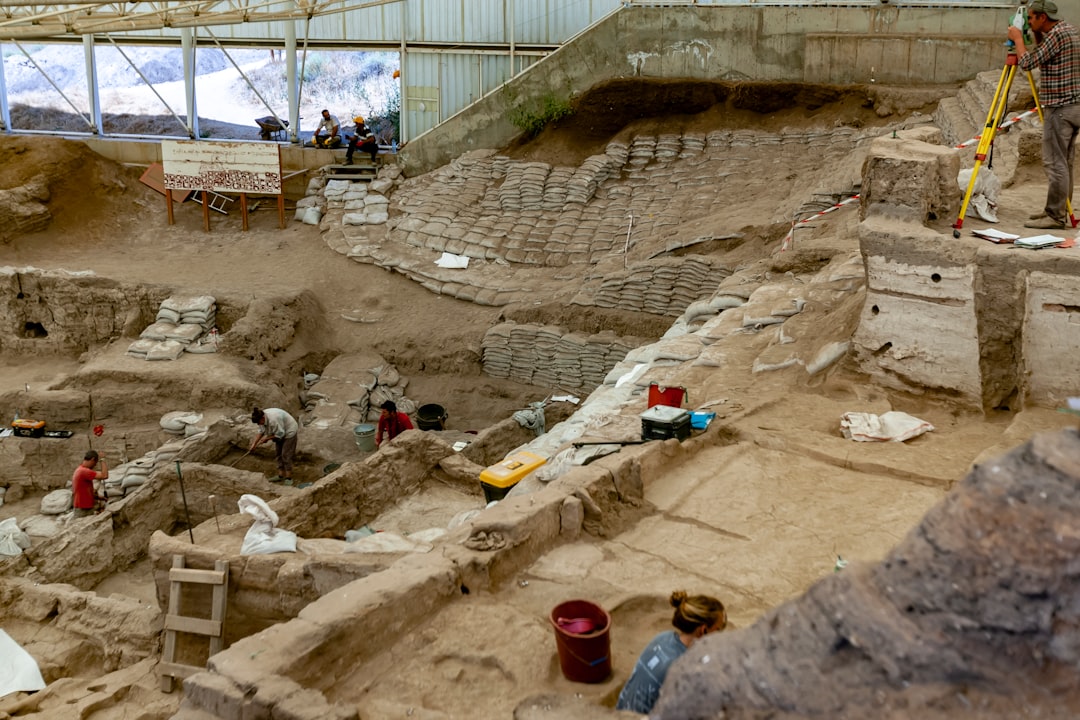
Documentaries that delve into the realm of archaeology and engineering offer a unique lens through which to view humanity’s ingenuity and its enduring legacy. These films, by their very nature, blend meticulous scientific inquiry with compelling storytelling, showcasing how our ancestors conceived, constructed, and adapted their environments. The process of unearthing the past, whether through the trowel of an archaeologist or the calculations of an engineer, is a painstaking yet profoundly rewarding endeavor. Documentaries on this subject not only educate but also inspire, revealing the intricate connections between past innovations and present-day technologies. They transport viewers across millennia, illuminating the minds that conceived of monumental structures and the methods that brought them to life. The collaboration inherent in many archaeological and engineering projects is often central to these narratives, highlighting how diverse skills converge to solve complex problems and reconstruct forgotten worlds.
The pursuit of archaeological knowledge is fundamentally a quest to understand human behavior, culture, and evolution. Archaeologists, armed with scientific methodologies and an insatiable curiosity, meticulously excavate sites, painstakingly recovering artifacts and environmental data that whisper tales of past lives. These disciplines are not merely about digging up old objects; they are about interpreting the context in which these objects were found, to reconstruct entire societal structures, belief systems, and technological capabilities. Documentaries often focus on the intellectual journey of the archaeologist, the hypothesis-driven nature of their work, and the sheer dedication required to bring obscured histories to light.
The Art of Excavation: Precision and Preservation
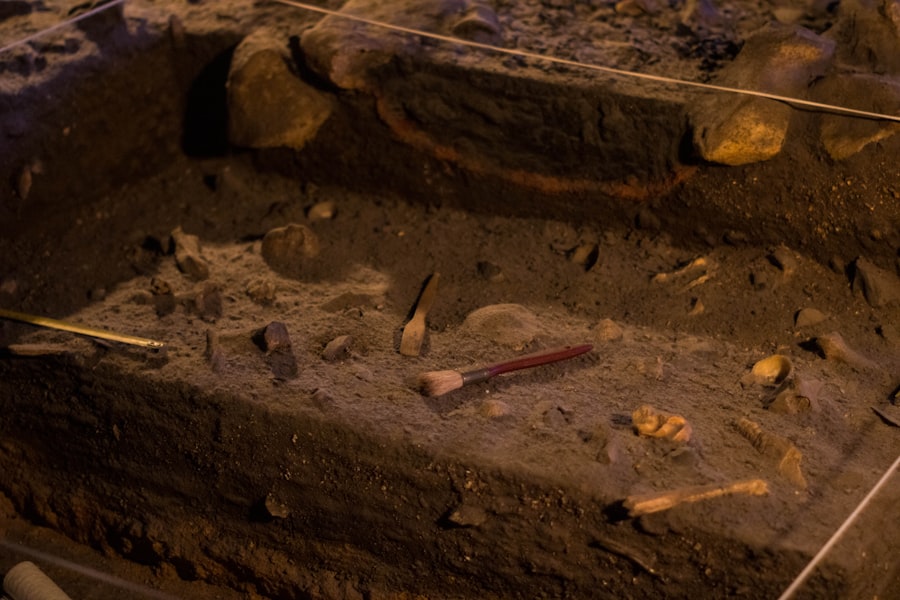
The physical act of excavation is a cornerstone of archaeological practice, and documentaries frequently dedicate significant segments to illustrating its delicate intricacies. This is not a process of brute force but one of controlled unearthing, where every shovel of soil, every brushstroke, is performed with meticulous care. The goal is not simply to retrieve an object but to preserve its context, providing vital clues about its function, age, and relationship to other findings.
Stratigraphy: The Layers of Time
A fundamental concept in archaeology, stratigraphy, is often explained visually in documentaries. This principle, derived from geology, posits that in undisturbed soil, the oldest layers are at the bottom and the most recent are at the top. Archaeologists meticulously document these layers, understanding that each stratum represents a distinct period of deposition and human activity. The careful removal of soil, layer by layer, allows for the dating of finds and the reconstruction of sequences of events. This visual representation of time, embedded within the earth, is a powerful testament to the archaeological method.
Artifact Recovery and Documentation: More Than Just Objects
The recovery of artifacts is a pivotal moment, but documentaries emphasize that it is only the beginning of their story. Each artifact, from a shard of pottery to a bronze tool, is carefully cataloged, photographed, and its precise location recorded. This meticulous documentation ensures that even if an artifact is later moved to a museum or laboratory, its original context can be understood. The narrative often follows the artifact beyond the excavation site, into conservation labs and research facilities, highlighting the multidisciplinary approach to its study.
Interpretation and Reconstruction: Bringing the Past to Life
Once artifacts and environmental data are recovered, the real work of interpretation begins. This is where the art and science of archaeology truly converge. Archaeologists draw upon their knowledge of comparative cultures, material science, and historical records to piece together narratives of the past. Documentaries excel at translating these complex interpretations into accessible and engaging stories for a general audience.
Material Culture Analysis: Everyday Objects, Extraordinary Insights
The study of “material culture” – the objects created and used by people – is central to archaeological interpretation. Documentaries often showcase how seemingly mundane items, such as cooking pots or weapons, can reveal profound insights into daily life, social hierarchies, economic systems, and technological advancements. The evolution of pottery styles, the wear patterns on tools, or the composition of building materials all contribute to a richer understanding of past societies.
Epigraphy and Paleography: Reading the Words of the Ancients
When ancient texts are discovered, epigraphers and paleographers step in to decipher their meaning. Documentaries that feature the study of inscriptions on stone, clay tablets, or papyrus offer a fascinating glimpse into the intellectual achievements of past civilizations. The painstaking process of transcribing and translating these ancient scripts can unlock access to historical events, religious beliefs, legal codes, and even personal narratives, providing a direct voice from antiquity.
In the fascinating intersection of archaeology and engineering, the documentary “Reviving the Ancient Assyrian Aqueduct of Jerwan” explores the remarkable efforts to restore one of the most significant feats of ancient engineering. This article delves into the historical significance of the aqueduct and the innovative techniques being employed to bring it back to life. For more insights into this captivating project, you can read the full article here: Reviving the Ancient Assyrian Aqueduct of Jerwan.
The Engineer’s Blueprint: Marvels of Ancient Construction
While archaeology focuses on uncovering the remnants of human activity, the engineering aspect of these documentaries explores the remarkable feats of design, construction, and problem-solving that characterized past civilizations. From colossal pyramids to intricate aqueducts, ancient engineers demonstrated a profound understanding of physics, mathematics, and material science, often without the benefit of modern tools or theories.
Monumental Architecture: Structures That Defy Time
The construction of monumental structures has always captured the human imagination, and documentaries often dedicate significant attention to these awe-inspiring achievements. These films explore the methodologies, the labor forces, and the sheer ingenuity required to erect buildings that have stood for millennia, often serving as enduring symbols of their creators’ ambition and skill.
The Pyramids of Giza: Precision on an Unprecedented Scale
The Egyptian pyramids, particularly those at Giza, are perennial subjects for documentaries due to their immense scale and enduring mystery. These films delve into the logistical challenges of quarrying and transporting millions of massive stone blocks, the precision with which they were cut and fitted, and the sophisticated alignment with astronomical phenomena. Exploring the proposed construction techniques, from ramps to internal levers, provides a tangible connection to the minds that conceived and executed these colossal projects.
Roman Aqueducts: The Science of Water Management
The engineering prowess of the Roman Empire is often showcased through its extensive network of aqueducts. Documentaries highlight the Roman understanding of gravity, hydraulics, and surveying, which allowed them to transport fresh water over vast distances, often through challenging terrain. The resilience and sophisticated design of these structures, many of which are still partially intact today, serve as a testament to Roman engineering principles.
Infrastructure and Urban Planning: Shaping Civilizations
Beyond monumental buildings, ancient engineers were instrumental in developing sophisticated infrastructure that supported burgeoning civilizations. This includes roads, bridges, sewage systems, and fortifications, all of which played a crucial role in trade, defense, and public health. Documentaries often illuminate how these seemingly practical projects were foundational to the rise and sustainability of ancient societies.
Roman Roads: The Backbone of an Empire
The vast network of Roman roads, renowned for their durability and strategic design, is frequently a focus of engineering documentaries. These films explore the meticulous planning involved in their construction, including the layers of carefully selected materials, drainage systems, and the remarkable straightness of many routes, which facilitated rapid troop movement and trade.
Early Water Systems: Sanitation and Public Health
The development of early water supply and sanitation systems, often overlooked, represents a significant engineering achievement. Documentaries might explore the ingenious methods used by civilizations like the Minoans or the Indus Valley people to manage water resources, provide clean drinking water, and dispose of waste, laying the groundwork for modern public health initiatives.
The Technology of the Ancients: Tools, Techniques, and Innovation

The technological achievements of past civilizations, often uncovered by archaeologists and analyzed by engineers, are a recurring theme in documentaries. These films go beyond simply showcasing ancient objects and delve into the underlying principles, the materials used, and the innovative techniques that allowed for their creation and deployment.
Metallurgy: Transforming Raw Materials
The development and mastery of metallurgy, from the Stone Age to the Iron Age and beyond, represent a significant leap in human technological capability. Documentaries explore the processes of mining, smelting, and alloying metals, and how these advancements led to the creation of stronger tools, more effective weapons, and intricate works of art.
Bronze Age Innovations: The Dawn of Advanced Metallurgy
The Bronze Age is a pivotal period where humans learned to combine copper and tin to create bronze, a material far superior to stone. Documentaries often detail the complex processes involved in finding and extracting these metals, the design of furnaces for smelting, and the casting techniques used to produce tools, weapons, and decorative objects. The widespread adoption of bronze fundamentally reshaped societies and warfare.
The Enduring Legacy of Iron: Strength and Accessibility
The subsequent Iron Age saw the widespread adoption of iron, a more abundant and eventually more accessible metal than bronze. Documentaries explaining the challenges of working with iron, particularly its higher melting point, and the innovative techniques developed to shape it into practical and durable implements, highlight the ongoing evolution of metallurgical knowledge.
Construction Materials and Techniques: Building with Ingenuity
The selection and utilization of construction materials, coupled with ingenious building techniques, are central to understanding ancient engineering. Documentaries explore how different cultures harnessed local resources like stone, wood, mudbrick, and even volcanic ash to create structures that were not only functional but also aesthetically pleasing and remarkably long-lasting.
Concrete and Mortar: The Secrets of Roman Construction
The Romans’ mastery of concrete, a material far more versatile and durable than contemporary alternatives, is a frequent subject of interest. Documentaries investigate the composition of Roman concrete, including the use of pozzolana (volcanic ash), and how its rapid setting and strength allowed for the construction of large-scale structures like the Pantheon and vast network of roads and bridges.
Woodworking and Timber Framing: Essential Building Blocks
While stone and concrete often dominate narratives about grand structures, the sophisticated use of wood was equally vital to ancient construction. Documentaries might explore the techniques of timber framing, jointing, and preservation used by civilizations that relied heavily on these resources, demonstrating a deep understanding of material properties and structural integrity.
The Interdisciplinary Dialogue: Archaeology and Engineering in Harmony
The most compelling documentaries on this subject often highlight the symbiotic relationship between archaeology and engineering. Archaeologists uncover the physical evidence of past human endeavor, and engineers apply their knowledge to understand how these feats were accomplished. This interdisciplinary dialogue is crucial for a comprehensive understanding of ancient innovation.
Reconstructing Lost Technologies: The Engineer’s Hypothesis
When archaeologists unearth a mechanism or a structure whose function is not immediately apparent, engineers are often called upon to hypothesize about its design and operation. Documentaries showcase this process, where engineers might use 3D modeling, simulations, or even experimental reconstructions to test their theories about how ancient technologies might have worked.
Digital Archaeology and Virtual Reconstruction: Bringing the Past to Life Digitally
Modern documentary filmmaking frequently employs advanced digital technologies to bring unearthed sites and reconstructed technologies to life. 3D scanning, photogrammetry, and CGI allow for immersive virtual tours of ancient cities, detailed visualizations of complex machinery, and the ability to deconstruct and reassemble structures layer by layer, offering unprecedented levels of engagement for viewers.
Experimental Archaeology: Testing Ancient Theories in the Field
A particularly engaging aspect for documentary viewers is experimental archaeology, where modern practitioners attempt to replicate ancient techniques. This might involve quarrying stone with primitive tools, building sections of walls using historical methods, or even attempting to operate reconstructed ancient machines. These hands-on experiments provide tangible evidence for the validity of theoretical reconstructions.
Collaborative Research: A Meeting of Minds
The most successful undertakings in understanding ancient peoples often involve close collaboration between archaeologists and engineers. Documentaries that feature this interdisciplinary synergy offer a rich tapestry of insights, showcasing how complementary skill sets lead to more complete and accurate understandings of the past.
The Challenges of Scale and Labor: Quantifying Ancient Endeavors
Documentaries often grapple with the immense scale of ancient projects and the challenges of quantifying the labor forces involved. Engineers can offer insights into the logistics, the organization of workforces, and the efficiency of ancient methods, complementing the archaeological understanding of the unearthed materials and structures.
The Human Element: Ingenuity and Problem-Solving
Ultimately, the intersection of archaeology and engineering in documentaries is about celebrating human ingenuity. It’s about understanding how people, with limited resources and knowledge by today’s standards, managed to conceive and execute projects that continue to astound us. These films remind us that the drive to innovate, to build, and to understand our world is a timeless human characteristic.
In the fascinating intersection of archaeology and engineering, a recent documentary explores how ancient construction techniques can inform modern building practices. This exploration highlights the ingenuity of past civilizations and their ability to manipulate materials and landscapes, which can inspire contemporary architects and engineers. For those interested in how these disciplines converge, you might find the article on the new space race particularly intriguing, as it discusses the innovative strategies nations are employing to claim lunar resources. You can read more about it in this article.
The Enduring Relevance: Lessons from the Past for the Future
| Documentary Title | Release Year | Duration | Viewership |
|---|---|---|---|
| Secrets of Archaeology | 2015 | 60 minutes | 1 million |
| Engineering an Empire | 2006 | 45 minutes | 2.5 million |
The exploration of ancient archaeology and engineering in documentaries is not merely an academic exercise; it offers profound lessons for the present and future. By understanding how past civilizations tackled challenges, innovated, and adapted, we can gain valuable insights into sustainable practices, effective resource management, and the enduring power of human creativity.
Sustainability and Resourcefulness: Ancient Wisdom for Modern Challenges
Many ancient civilizations developed highly sustainable practices out of necessity. Documentaries that explore these systems, such as ancient irrigation techniques, waste management strategies, or the efficient use of local materials, provide valuable case studies for addressing contemporary environmental concerns. The principle of “doing more with less” was often integral to ancient engineering.
Ancient Water Management: Lessons in Conservation
The sophisticated water management systems developed by civilizations like the Nabataeans in the desert or the Incas in the Andes offer compelling examples of water conservation and efficient distribution. Documentaries exploring these ancient technologies can inspire modern approaches to water scarcity, highlighting the importance of understanding landscape and hydrology.
Vernacular Architecture: Building with the Environment
Documentaries that examine vernacular architecture – the traditional buildings of a region – often showcase how different cultures developed construction methods that were perfectly adapted to their local climate and available materials. These time-tested approaches offer valuable lessons in sustainable building practices and energy efficiency for the modern era.
Innovation and Adaptability: The Core of Human Progress
The history of archaeology and engineering is, in essence, a history of human innovation and adaptability. Documentaries that chronicle the development of new tools, techniques, and architectural styles demonstrate the dynamic nature of human progress, showing how societies evolved in response to their environments and challenges.
The Evolution of Tools and Technologies: A Continuous Improvement Cycle
By tracing the development of tools and technologies across different eras, documentaries illustrate a continuous cycle of improvement and innovation. The transition from simple hand tools to more complex machinery, or from basic shelters to elaborate structures, reveals a fundamental human drive to solve problems and enhance capabilities, a drive that continues to define our technological landscape today.
Resilience in the Face of Adversity: Surviving and Thriving
Many ancient societies faced significant environmental challenges, from natural disasters to resource depletion. Documentaries that highlight their resilience, their ability to adapt their technologies and social structures to overcome adversity, provide powerful case studies in long-term survival and societal development, offering inspiration for navigating the complexities of our own era. The study of unearthed past, through the combined efforts of archaeology and engineering, continues to offer a rich and invaluable perspective on the human experience.

The Greatest Technology Humanity Ever Lost
FAQs
What is the purpose of the archaeology and engineering documentary?
The purpose of the archaeology and engineering documentary is to explore the intersection of archaeology and engineering, and how these two fields work together to uncover and preserve historical artifacts and structures.
What topics are covered in the documentary?
The documentary covers a range of topics including the use of engineering techniques in archaeological excavations, the preservation of ancient structures, the use of technology in archaeological research, and the collaboration between archaeologists and engineers.
Who is the target audience for the documentary?
The target audience for the documentary includes individuals interested in history, archaeology, engineering, and the intersection of science and technology. It may also appeal to students and professionals in these fields.
What are some examples of projects featured in the documentary?
The documentary may feature projects such as the restoration of ancient monuments, the use of 3D modeling and scanning in archaeological research, the development of innovative tools for excavation, and the application of engineering principles in the preservation of historical sites.
Where can the documentary be viewed?
The documentary may be available for viewing on streaming platforms, educational websites, or through special screenings and events. It may also be accessible through educational institutions or museums with a focus on archaeology and engineering.