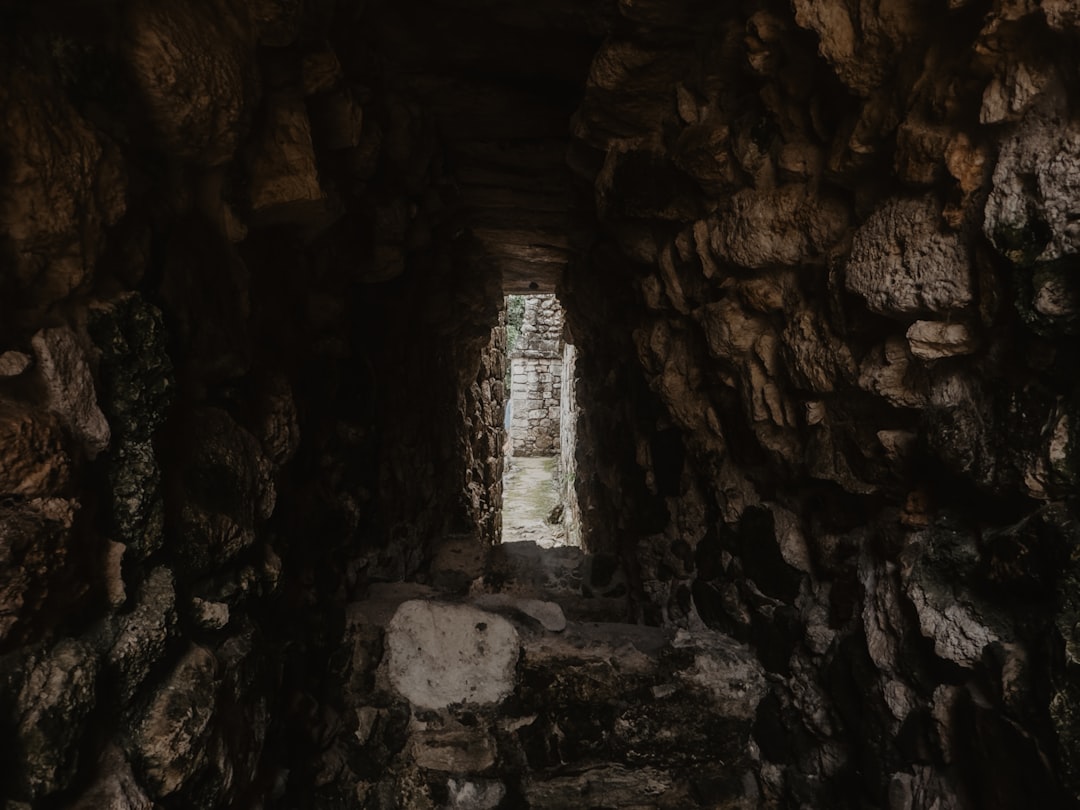
The sun beat down with an intensity that felt ancient and untamed, a palpable force that seemed to bake the very air into a shimmering haze. This was the domain of the High Heat, a vast, arid expanse where legend and reality blurred, and where a mystery as old as the bleached bones scattered across its plains had begun to unravel. For generations, the people of the scattered oases had whispered of forgotten cities, of civilizations swallowed by the sand, and of a power that hummed beneath the surface, a power inextricably linked to the suffocating embrace of the sun. Now, a new generation of scholars and adventurers, driven by insatiable curiosity and the lure of the unknown, were venturing into the High Heat, determined to peel back the layers of time and unearth its secrets.
The first tangible hints of the High Heat’s ancient past emerged not from grand excavations, but from the hushed tales passed down around flickering campfires. These were stories of vibrant cities that once thrived where only desolate dunes now stood, of ingenious irrigation systems that defied the parched earth, and of a people who seemed to command the very elements.
Legends of the Sunstone Dynasty
Central to these oral traditions was the legend of the Sunstone Dynasty – a civilization said to have flourished millennia ago, their power derived from a profound understanding of solar energy. The elders spoke of colossal cities built from a luminous stone that absorbed and radiated the sun’s heat, of intricate mechanisms powered by celestial light, and of priestly orders who communed with the sun’s fiery spirit. While dismissed by many as mere folklore, these recurring narratives held a persistent echo, prompting the more adventurous to seek definitive proof.
The Significance of the Scarab Amulets
One recurring motif in the whispered legends was the scarab amulet. These were described not as simple adornments, but as objects imbued with immense power, capable of channeling the sun’s energy for various purposes, from healing to illumination. Many tales spoke of ancient warriors wielding scarab amulets that blazed with light, defeating foes with beams of concentrated solar power. The presence of these amulets, or at least references to them, in scattered surface finds, began to lend a degree of credence to the more fantastical elements of the myths.
The Desert Wind’s Erratic Memory
The desert itself, a capricious and ever-changing entity, was both a veil and a reveal of the past. Its winds, as the older generations often said, carried the “memory of the land.” These winds, when they shifted their course, could expose layers of sand previously hidden, revealing fragments of pottery, weathered stone tools, and even the occasional carved inscription. It was through these capricious acts of the desert wind that the first concrete archaeological clues began to surface, hinting at a human presence far more complex and advanced than previously imagined.
The ancient mysteries surrounding high heat techniques in archaeology often intersect with the study of food preservation and rationing in historical societies. A fascinating article that delves into this topic is titled “Uncovering the Archaeology of Food Rationing,” which explores how ancient civilizations managed their resources and adapted to environmental challenges. You can read more about these intriguing connections by visiting the article here: Uncovering the Archaeology of Food Rationing.
The Desert’s Silent Testimony
The initial forays into the High Heat were fraught with peril. The relentless sun tested the endurance of every explorer, and the vast, featureless landscape often disoriented even the most skilled navigators. Yet, guided by fragments of ancient maps deciphered from weathered scrolls and a stubborn refusal to accept the desert as simply an empty void, small teams began to make significant finds.
The First Glimmers: Pottery Shards and Lithic Tools
The earliest discoveries were subtle, easily overlooked by the untrained eye. Fragments of exquisitely crafted pottery, bearing intricate geometric designs unlike anything known from subsequent desert cultures, were found partially buried in the sand. Alongside these, surprisingly sophisticated lithic tools, meticulously fashioned for tasks that suggested a deeper understanding of their environment, began to surface. These were not the crude implements of nomadic tribes; they spoke of a settled, organized society.
The Enigmatic Sun Disk Glyphs
Perhaps the most intriguing early finds were small, disc-shaped artifacts made from a polished, dark stone. What set these apart were the glyphs etched onto their surfaces – stylized representations of the sun, often surrounded by complex linear patterns. These “Sun Disk Glyphs” were consistently found in proximity to other significant artifacts, suggesting a deeper, perhaps symbolic or functional, purpose. Their recurring presence hinted at a complex iconography tied to the solar worship described in the oral traditions.
The Echo of Ancient Waterways
One of the most perplexing discoveries was the faint, yet undeniable, evidence of ancient waterways. Subtle depressions in the land, lined with what appeared to be calcified remnants of ancient vegetation, suggested that rivers and canals once flowed through areas now utterly devoid of moisture. This contradicted the prevailing understanding of the High Heat’s climate history, implying a drastically different, more life-sustaining environment in the distant past. The question arose: if water was once plentiful, what caused its disappearance, and what civilization had mastered its control?
The Dawn of Excavation: Unearthing the Sunstone City

The discovery of a buried structure, its upper reaches partially exposed by a particularly violent sandstorm, marked a turning point. This was not a chance find; it was the first solid indication of a major settlement, a testament to the Sunstone Dynasty’s existence. The arduous task of excavation began, layer by painstaking layer, revealing a city of breathtaking ingenuity.
The City of Lumina: A Material Marvel
The primary construction material of this unearthed city, now tentatively named Lumina, was remarkable. It was a pale, porous stone that, when exposed to sunlight, seemed to absorb its energy and then radiate a soft, warm light. This “sunstone,” as the archaeologists dubbed it, was not merely decorative; its thermal properties played a crucial role in the city’s design, regulating temperature and creating a more habitable environment. The sheer scale of the sunstone quarried and transported spoke of organized labor and advanced logistical capabilities.
The Central Nexus: A Solar Observatory?
At the heart of Lumina lay a vast, circular plaza dominated by a towering monolithic structure. This “Central Nexus” was aligned with remarkable precision to celestial bodies. Within its core, researchers discovered intricate arrays of polished obsidian mirrors and crystal lenses, all meticulously positioned. The prevailing theory was that this structure served as a sophisticated solar observatory, capable of tracking the sun’s movements with extraordinary accuracy, and perhaps even harnessing its energy for more than just illumination.
Underground Aqueducts: A testament to engineering
Beneath the sun-baked streets of Lumina, an equally impressive network of underground aqueducts was discovered. These channels, ingeniously engineered to capture and transport scarce water resources, suggested a deep understanding of hydrology. The presence of these subterranean waterways further fueled speculation that the Sunstone Dynasty had mastered the art of desert survival, creating an oasis of their own making.
The Sunstone Artifacts: Unlocking Their Secrets

As the excavation of Lumina progressed, a treasure trove of artifacts emerged, each piece more enigmatic than the last. These were not mere tools or curiosities; they were remnants of a technologically advanced society, hinting at a profound connection to solar energy.
The Solar Conduits: Harnessing the Sun’s Power
Among the most significant finds were hollow, crystalline tubes of varying lengths, often found in conjunction with the obsidian mirrors and lenses of the Central Nexus. These “Solar Conduits” appeared to be designed to channel light and heat. Researchers hypothesized that they were used to direct captured solar energy to various points within the city, potentially for heating, powering mechanisms, or even for illumination after sunset. The precision with which these conduits were manufactured and integrated into the city’s infrastructure was astonishing.
The Resonance Discs: Communication or Energy Storage?
Another class of artifact that baffled the archaeologists were thin, metallic discs, intricately engraved with geometric patterns similar to those found on the Sun Disk Glyphs. When exposed to focused sunlight, these “Resonance Discs” emitted faint harmonic vibrations. The prevailing theories varied: some suggested a form of long-distance communication, utilizing solar energy to transmit signals. Others proposed they were energy storage devices, capable of accumulating and releasing solar power on demand.
The Bio-luminescent Seeds: A Glimpse into Sustenance
Perhaps the most unexpected discovery was a cache of small, seed-like objects that, when exposed to a specific wavelength of light, emitted a soft, organic glow. These “Bio-luminescent Seeds” were unlike any known botanical specimen. Their existence hinted at methods of agriculture adapted to the arid environment, potentially utilizing symbiotic relationships with light-emitting organisms to cultivate crops in low-light conditions or underground. This offered a tantalizing glimpse into the Sunstone Dynasty’s approach to sustaining their population.
The study of high heat ancient mysteries continues to captivate researchers and enthusiasts alike, revealing intriguing insights into the civilizations that thrived under extreme conditions. One such fascinating aspect is how these ancient societies adapted their agricultural practices to sustain themselves in harsh climates. For those interested in the intersection of history and modern investment strategies, an insightful article discusses the benefits of purchasing farmland as a smart investment. You can read more about this topic in the article here.
The Legacy of the High Heat: Lessons for the Future
| Location | Temperature | Duration | Artifacts |
|---|---|---|---|
| Mayan Ruins | 100°F | 6 hours | Stone carvings, pottery |
| Egyptian Pyramids | 110°F | 8 hours | Hieroglyphics, mummies |
| Greek Ruins | 95°F | 5 hours | Sculptures, amphorae |
The unraveling of the High Heat’s ancient mystery is far from complete, but the discoveries made thus far have already reshaped our understanding of human ingenuity and adaptation. The Sunstone Dynasty, once a whispered legend, has emerged as a testament to what is possible when humanity works in harmony with its environment, even in the most challenging conditions.
The Ethics of Resource Management
The Sunstone Dynasty’s ingenious use of solar energy and water management provides crucial lessons for modern civilization grappling with ecological challenges. Their ability to thrive in a seemingly inhospitable environment underscores the importance of sustainable practices and innovative solutions for resource utilization. The question remains: did their mastery ultimately lead to their downfall, or were external factors responsible for their disappearance?
The Potential for Renewable Energy
The advanced understanding of solar energy exhibited by the Sunstone Dynasty offers a compelling parallel to contemporary efforts in renewable energy development. The Solar Conduits, Resonance Discs, and the very architecture of Lumina speak of a civilization that saw the sun not merely as a source of heat, but as a boundless reservoir of usable power. Their discoveries could potentially inspire new approaches and breakthroughs in our quest for clean energy.
The Enduring Mystery of Their Decline
Despite the wealth of information uncovered, the ultimate fate of the Sunstone Dynasty remains an enigma. Did they succumb to a catastrophic drought, a celestial event, or internal strife? The absence of widespread evidence of warfare or widespread destruction suggests a more gradual or perhaps a self-inflicted decline. The desert, as always, holds its secrets close, and the wind continues to whisper the tales of those who once called the High Heat home, a poignant reminder of the cyclical nature of civilization and the enduring power of the sun.

The Greatest Technology Humanity Ever Lost
FAQs
What is the “high heat ancient mystery” article about?
The “high heat ancient mystery” article explores the phenomenon of high heat technology used by ancient civilizations, which has puzzled researchers and scientists for many years.
What are some examples of high heat ancient technology?
Examples of high heat ancient technology include the creation of advanced metal alloys, such as Damascus steel, and the construction of structures using materials that require high temperatures, such as the pyramids of Egypt.
What are some theories about how ancient civilizations achieved high heat technology?
Some theories suggest that ancient civilizations may have used advanced furnaces or kilns, while others propose the possibility of lost knowledge or assistance from extraterrestrial beings.
Why is the study of high heat ancient technology important?
Studying high heat ancient technology can provide insights into the capabilities and knowledge of ancient civilizations, as well as inspire new innovations and advancements in modern technology.
What are some ongoing research efforts in the study of high heat ancient technology?
Ongoing research efforts include archaeological excavations, material analysis, and experimental reconstructions to better understand how ancient civilizations achieved high heat technology.