For centuries, the monumental stone structures of the Inca Empire have captivated the world, a testament to a civilization that achieved extraordinary feats of engineering with seemingly primitive tools. From the lofty heights of Machu Picchu to the imposing fortifications of Sacsayhuamán, these ancient walls stand as silent witnesses to a lost era. Yet, for all their imposing grandeur, the methods by which the Inca achieved such precision and strength remain shrouded in mystery. This article delves into the enigma of Inca stone masonry, exploring the theories, the evidence, and the enduring questions that continue to fascinate archaeologists and historians alike.
The sheer scale of Inca construction projects demanded an almost inexhaustible supply of stone, and understanding how they acquired and moved these colossal blocks is the first crucial step in unraveling their masonry mystery. The Inca did not simply use local readily available rock; they often sourced specific types of stone from quarries located many miles from their building sites. This points to a sophisticated level of planning and resource management, far beyond what might be expected of a pre-industrial society.
Identifying the Source: A Geological Detective Story
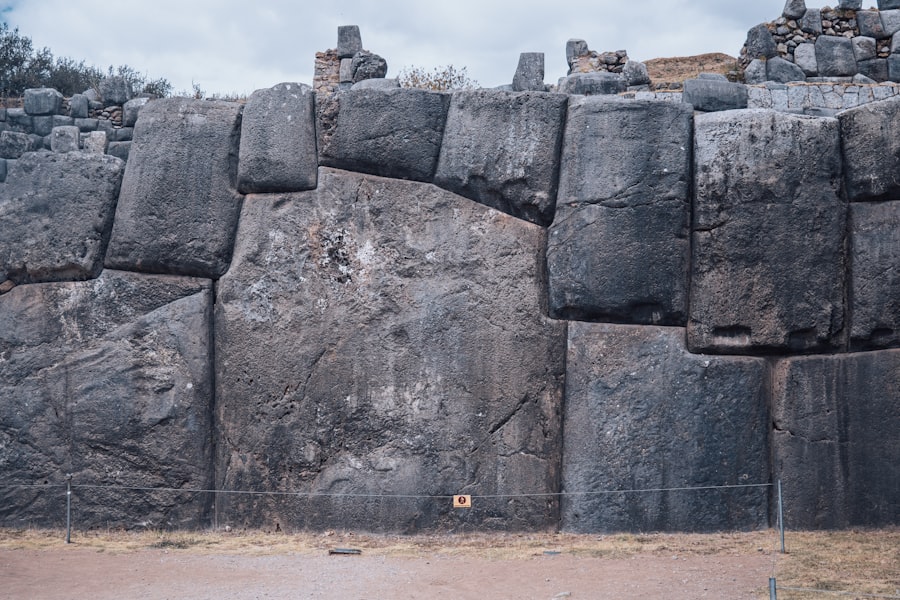
Inca builders were discerning in their choice of materials. They favored granite, diorite, and andesite, stones known for their durability and resistance to weathering. For example, at Sacsayhuamán, the massive polygonal blocks are predominantly andesite, quarried from the hillsides surrounding Cusco, some as far as 20 kilometers away. The distinctive grey-blue hue of many Inca stones is a signature of their preferred materials.
The Mystery of the Quarries
While the destinations of these stones are often clear from the extant structures, the exact quarry locations for some of the most impressive sites, particularly those associated with Machu Picchu, are still debated. Archaeologists have identified potential quarry sites through geological analysis, matching the mineral composition of building stones to specific rock formations. However, definitive proof is often elusive, as natural erosion can obscure the telltale signs of ancient stonework. The sheer effort involved in extracting these stones – creating rudimentary trenches, using wedges fashioned from wood—speaks volumes about the Inca’s determination and their understanding of basic physics.
The Herculean Task of Transportation: Moving Mountains of Stone
The logistical challenge of transporting multi-ton stone blocks across often rugged and mountainous terrain is perhaps the most perplexing aspect of Inca engineering. Without the wheel for heavy transport, or draft animals capable of pulling such loads, how did they achieve this feat? The sheer weight of some of these stones, particularly those found in Sacsayhuamán, which can weigh over 100 tons, defies simple explanations.
Wooden Rollers and Ropes: The Conventional (but Incomplete) Wisdom
The most commonly proposed method involves the use of wooden rollers placed beneath the stones. Teams of hundreds, perhaps even thousands, of laborers would then pull the stones with thick ropes made from ichu grass or llama wool. Levers and inclined planes would have also played a crucial role in maneuvering the massive blocks. Evidence for the use of rollers can be found in the form of discarded wooden pieces near quarry sites and construction areas. However, the efficiency and feasibility of this method for the largest stones remains a subject of considerable discussion.
The “Andean Sled” Hypothesis
Some researchers have proposed the existence of a more sophisticated “Andean sled” or a system of sledges that could have been dragged across lubricated surfaces. While direct archaeological evidence for such a device is scarce, the idea is supported by ethnographic studies of traditional Andean transport methods. However, the sheer scale of the stones still poses significant questions about the tractive forces required.
The Role of Waterways and Natural Features
In some instances, the Inca may have utilized natural waterways or glaciers to assist in transport, especially for stones quarried near rivers. By creating temporary channels or using natural inclines, they might have been able to float or slide large blocks for at least part of their journey. This would have reduced the reliance on manual labor for the most strenuous parts of the transport process.
The Inca stone masonry mystery has captivated historians and archaeologists for years, as they continue to unravel the techniques used by the ancient civilization to create their impressive structures without the use of modern tools. For those interested in exploring related topics, an intriguing article titled “Preparing for the Dollar’s Collapse: What to Buy Now” discusses the importance of understanding historical resilience and resourcefulness, drawing parallels to how ancient societies, like the Incas, thrived in challenging environments. You can read more about it here: Preparing for the Dollar’s Collapse: What to Buy Now.
The Art of Precision: Fitting Stones Like a Puzzle
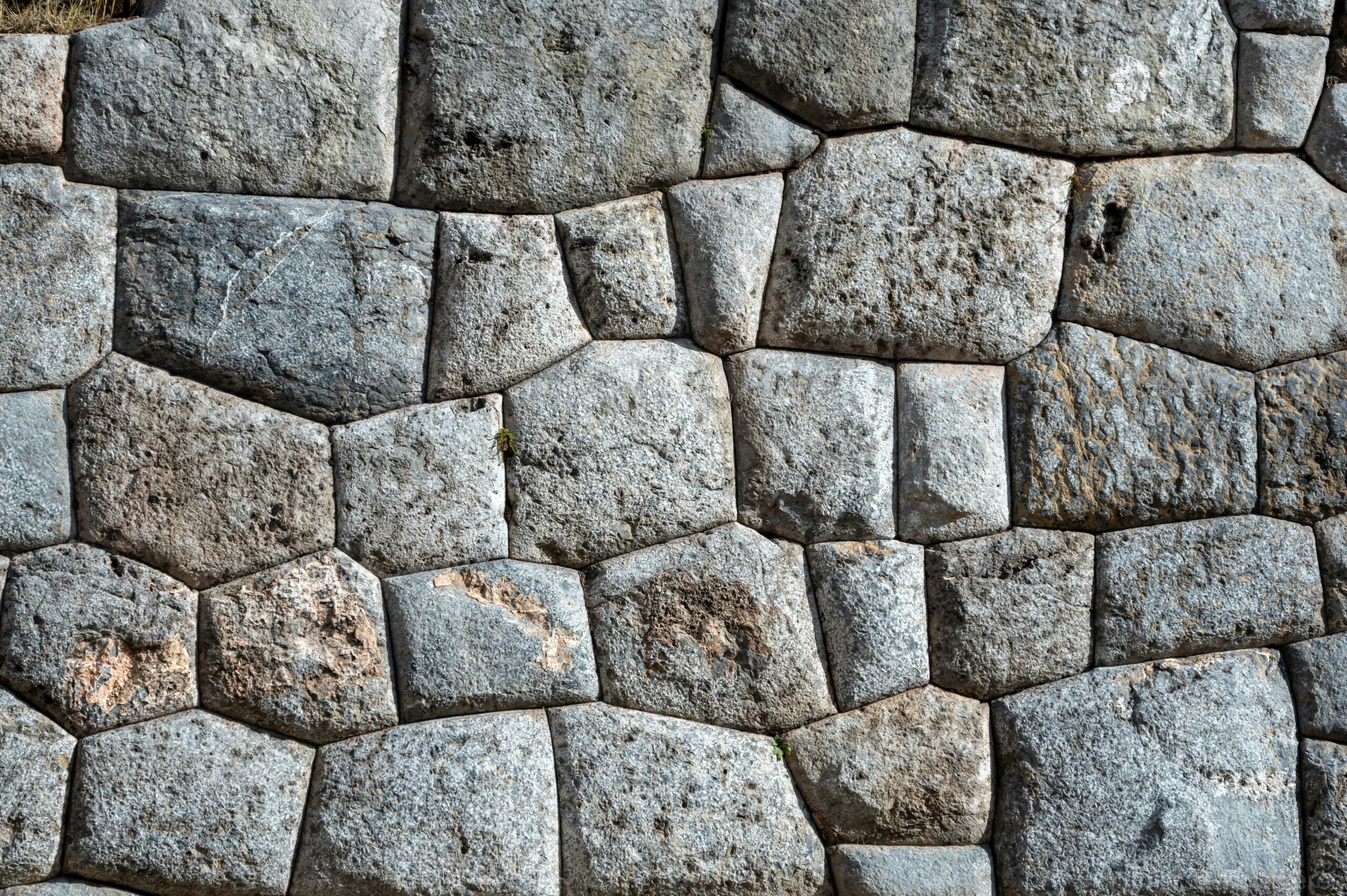
Once the stones reached their destination, the Inca builders then embarked on the intricate process of shaping and fitting them into place. This is where Inca masonry truly distinguishes itself, with its hallmark precision and seamless joints that have withstood centuries of seismic activity and erosion. The ability to carve and fit irregularly shaped stones so perfectly that not even a knife blade can be inserted between them is a marvel that continues to baffle modern engineers.
Polygonal Masonry: The Enigmatic Style
The most famous and impressive examples of Inca masonry feature polygonal blocks, where each stone is irregularly shaped and perfectly interlocks with its neighbors. There are no mortar joints; the stones are fitted so tightly that they appear to be a single, solid mass. This style is particularly prevalent in important religious and administrative buildings, suggesting a deliberate aesthetic and structural choice.
The Mystery of the Shaping Process
How did the Inca achieve such accurate shaping and contouring of each individual stone? The prevailing theories suggest a combination of pounding, rubbing, and abrasion. Workers would have used harder stones, such as diorite pounders, to chip away at the surfaces of the softer stones, gradually bringing them to the desired shape. Then, a laborious process of rubbing with sand and water would have smoothed the surfaces and perfected the fit.
The ‘Template’ Theory
One compelling hypothesis is that the Inca may have used a system of templates or molds. After placing a stone roughly in position, they might have used pliable materials or even a precisely shaped stone to mark the contours for the next stone to be shaped. This would have allowed for a systematic and accurate approach to creating the interlocking shapes.
The ‘Trial and Error’ Approach
Another possibility is a more iterative “trial and error” method. Stones would have been roughly shaped and then repeatedly fitted against their neighbors. Through meticulous adjustments and re-shaping, the perfect fit would have eventually been achieved. This process would have been incredibly time-consuming but ultimately resulted in the unparalleled stability of their structures.
Ashlar Masonry: The Other Face of Inca Skill
While polygonal masonry is the most striking, the Inca also employed ashlar masonry, particularly in the construction of more utilitarian buildings and terraces. This style involves cutting stones into regular, rectangular blocks that are then laid in courses, often with a finer finish. While less visually dramatic, ashlar masonry also demonstrates a high degree of skill and precision in stone cutting and dressing.
The Role of Tools in Ashlar Construction
For ashlar construction, the Inca likely used stone chisels and hammers to create the sharp edges and flat surfaces of the blocks. The repeated striking with harder stones would have gradually dressed the blocks to their precise dimensions. The smooth, polished finish seen on some ashlar blocks suggests the use of abrasive materials and considerable effort.
Structural Integrity: A Legacy of Earthquakes and Time
The enduring strength of Inca stone masonry is not merely aesthetic; it is a testament to a profound understanding of structural engineering and seismic resilience. The Andes are a geologically active region, prone to frequent earthquakes. Yet, Inca sites have weathered these seismic tremors for centuries, a feat that many modern structures struggle to achieve.
The Magic of the Tight Fit: Seismic Resistance Inherent
The key to Inca earthquake resistance lies in the precise fitting of their stones. The lack of rigid mortar joints in polygonal masonry allows the stones to shift and move independently during an earthquake. Instead of transmitting seismic forces through a rigid structure, which can lead to catastrophic failure, the Inca walls behave more like a fluid system. The interlocking nature of the stones allows them to absorb and dissipate seismic energy, preventing them from collapsing.
The Role of Gravity and Mass
The sheer weight and density of Inca structures also contribute to their stability. The massive stones, precisely fitted, create a powerful gravitational anchor. This mass, combined with the interlocking forms, makes the walls incredibly resistant to lateral forces.
Terrace Construction: Engineering for a Harsh Environment
Inca terracing systems, found clinging to impossibly steep mountainsides, are another remarkable feat of engineering. These stepped agricultural platforms were not only crucial for food production but also played a vital role in preventing soil erosion and stabilizing hillsides.
Drainage and Stability
Each terrace was carefully constructed with a foundation of large stones, followed by layers of smaller stones and gravel, and finally topped with fertile soil. Crucially, the Inca incorporated sophisticated drainage systems within their terraces, using small channels and perforated stones to prevent waterlogging and erosion. This understanding of hydraulics and soil mechanics was essential for the long-term survival of their agricultural infrastructure.
The Lost Knowledge: Gaps in Our Understanding
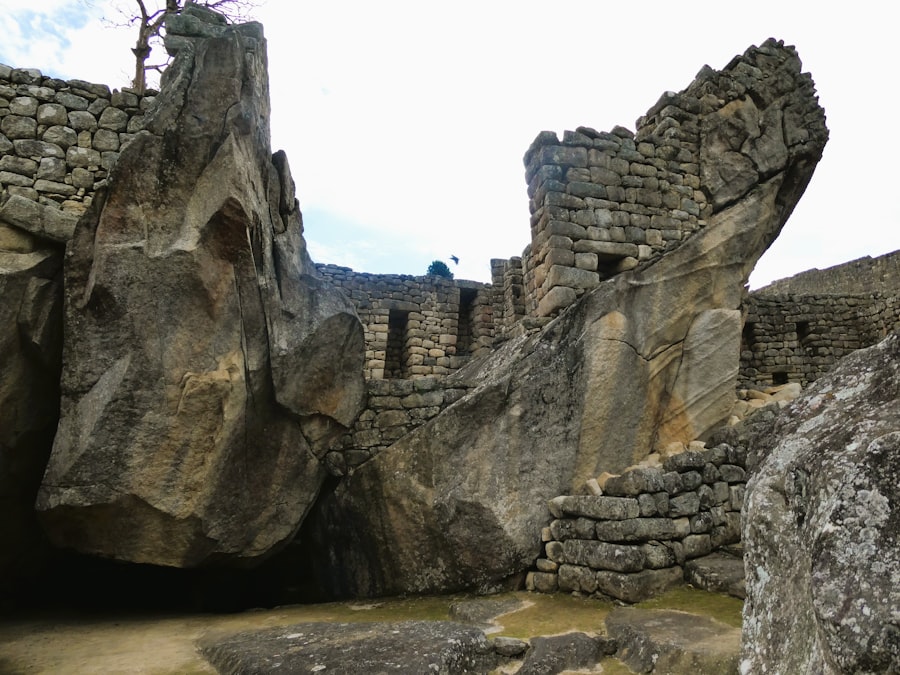
Despite extensive research and a growing body of evidence, several fundamental questions about Inca stone masonry remain unanswered. The lack of written records from the Inca themselves, who relied on an oral tradition and the quipu system for record-keeping, leaves many gaps in our knowledge.
The Quipu and Stone Masonry: A Silent Language
The quipu, a complex system of knotted cords, is believed to have been used for recording statistical data, historical events, and possibly even astronomical observations. However, the precise nature and extent of their use for architectural and engineering blueprints are unknown. It is unlikely that the quipu could record precise dimensions or complex architectural plans in the way a written language can.
The Absence of Drawings and Blueprints
The lack of any surviving Inca drawings, blueprints, or architectural schematics is a significant obstacle. Unlike ancient Egyptian or Roman builders, who left behind some visual representations of their designs and techniques, the Inca’s process seems to have been transmitted through generations of skilled artisans and master builders through direct instruction and practical demonstration.
The “Secret” of the Perfect Fit: Was There a Lost Technique?
The precision of the joints in some Inca structures is so extraordinary that some speculate about a lost technique or a secret method that has not yet been rediscovered. Could there have been a way to temporarily soften or reshape stone surfaces that is no longer known to us? While highly speculative, the sheer perfection of some joints fuels these theories.
The Unanswered Question of Mortar Substitutes
The absence of mortar in their finest constructions is remarkable. While they did use a mud-based mortar in some less critical structures, their most iconic buildings are entirely free of it. This raises questions about whether they employed any natural adhesives or binding agents that have long since decomposed.
The Inca stone masonry mystery continues to intrigue researchers and historians alike, as the precision and techniques used by the Incas remain largely unexplained. This fascinating topic is often compared to other ancient innovations that showcase the remarkable ingenuity of past civilizations. For instance, an article discussing various unbelievable ancient inventions, including flying machines and time travel devices, highlights the advanced understanding of technology that ancient cultures possessed. You can read more about these astonishing creations in the article found here.
The Enduring Legacy: A Lesson from the Past
| Aspect | Details |
|---|---|
| Location | Various sites in Peru, including Machu Picchu |
| Technique | Precision stone cutting and fitting without mortar |
| Stone Types | Granite, diorite, and limestone |
| Tools | Unknown, possibly bronze or stone |
| Alignment | Perfectly aligned with astronomical events |
The Inca stone masonry mystery is not simply an academic puzzle; it is a profound testament to human ingenuity, perseverance, and a deep connection with the natural world. Their ability to harness the power of stone, to shape it with such precision, and to build structures that have endured for centuries offers invaluable lessons for our own time.
Innovation Through Necessity
The Inca’s engineering solutions were born out of necessity, driven by the challenging Andean environment and the demands of their empire. Their innovations, while often appearing simplistic, were incredibly effective and demonstrated a mastery of fundamental physical principles.
Sustainable Building Practices
In many ways, Inca construction can be seen as a form of sustainable building. They utilized locally sourced materials, minimized waste, and created structures that were intrinsically harmonious with their surroundings and incredibly durable, requiring minimal ongoing maintenance. This contrasts sharply with some of the resource-intensive methods of modern construction.
The Power of Collective Effort and Knowledge Transmission
The construction of these monumental works would have required an immense collective effort, organized and coordinated over vast distances. The successful transmission of complex building knowledge from master to apprentice, generation after generation, speaks to the strength of their social organization and their commitment to preserving their cultural heritage.
Inspiring Future Generations
As we continue to study and marvel at Inca stone masonry, we are reminded of the extraordinary potential of human civilization when driven by vision, skill, and a deep respect for the materials they work with. The mystery of how they achieved such wonders may never be fully unraveled, but the enduring power and beauty of their stone creations will continue to inspire and awe us for centuries to come. The silent stones of the Andes whisper tales of a powerful past, inviting us to listen, to learn, and to wonder.

The Greatest Technology Humanity Ever Lost
FAQs
What is Inca stone masonry?
Inca stone masonry refers to the intricate and precise construction techniques used by the Inca civilization to build their impressive stone structures, such as Machu Picchu and Sacsayhuaman. The Inca used massive, irregularly shaped stones that fit together perfectly without the use of mortar.
How did the Inca achieve such precise stone fitting without mortar?
The Inca achieved precise stone fitting through a technique called “ashlar masonry,” where stones were cut and shaped with such precision that they fit together tightly without the need for mortar. The stones were often shaped to have interlocking joints, and the tight fit was further secured by the use of metal clamps and stone pegs.
What is the mystery surrounding Inca stone masonry?
The mystery surrounding Inca stone masonry lies in the precision and complexity of the construction techniques used by the Inca. Despite lacking advanced tools and technology, the Inca were able to create structures with such precision that even a piece of paper cannot fit between the stones. The exact methods and tools used to achieve this level of precision remain a subject of debate and fascination among archaeologists and historians.
What are some theories about how the Inca achieved their stone masonry techniques?
Some theories suggest that the Inca used simple tools such as stone hammers and bronze chisels to shape the stones. Others propose that the Inca may have used a technique called “softening,” where the stones were heated and then shaped with stone tools. Additionally, it is believed that the Inca may have used a system of trial and error, shaping and reshaping stones until they fit perfectly.
Why is the study of Inca stone masonry important?
Studying Inca stone masonry is important because it provides insights into the advanced engineering and construction techniques of the Inca civilization. Understanding how the Inca achieved such precision in their stone masonry can also inform modern construction practices and inspire new approaches to sustainable and durable building methods. Additionally, the study of Inca stone masonry helps to preserve and appreciate the architectural achievements of this ancient civilization.