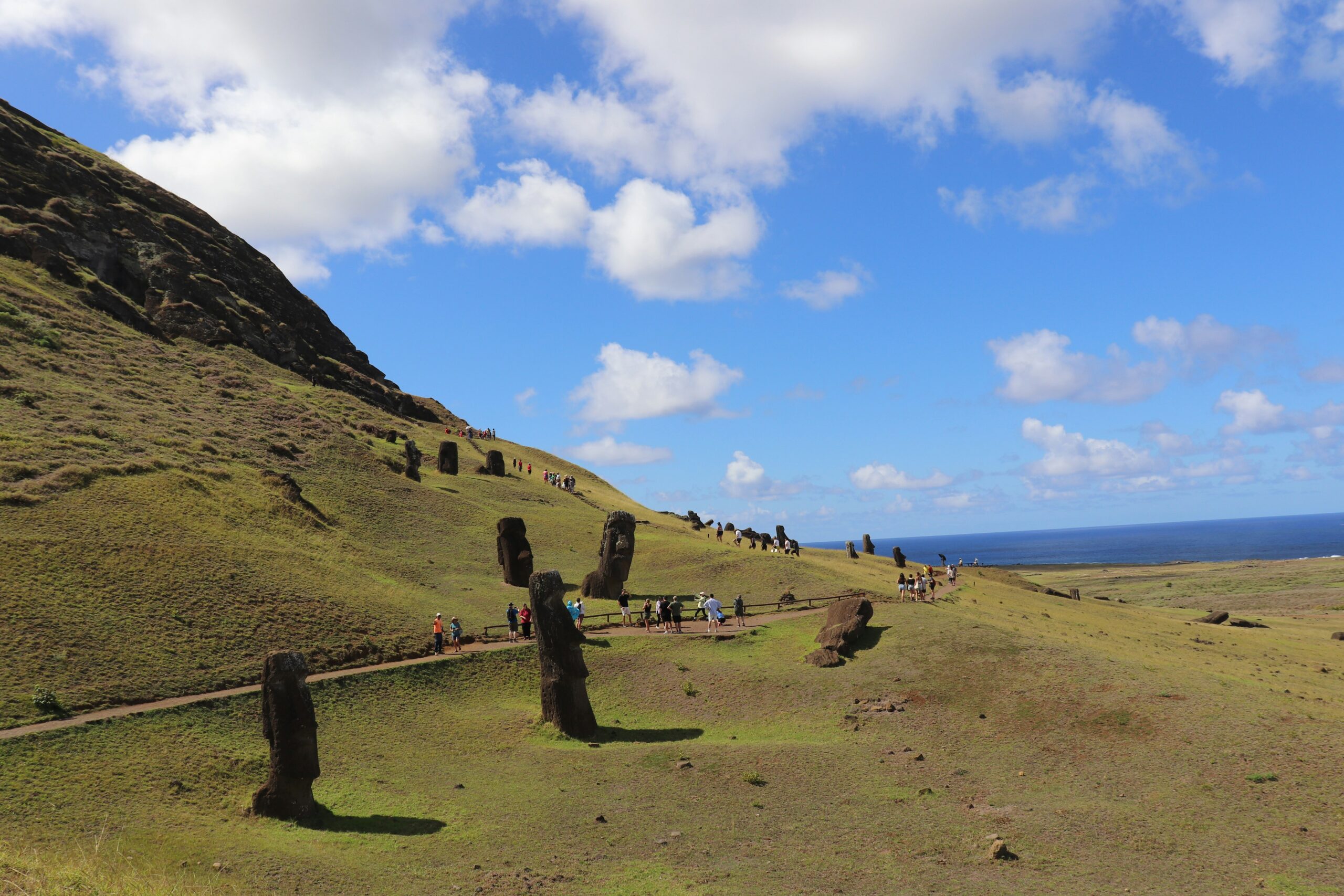
The sands of time have yielded countless treasures, whispering tales of forgotten civilizations and vanished peoples. Yet, for every enigma solved, a dozen more emerge, challenging our understanding of the past and igniting endless debate among scholars. Archaeology, the science of excavation and interpretation, is a field rife with mysteries, where tantalizing clues often lead to more questions than answers. From colossal stone structures that defy explanation to intricate artifacts with unknown purposes, the world is a treasure trove of unsolved archaeological puzzles that continue to captivate and confound.
The arid plains of the Nazca Desert in southern Peru are home to one of history’s most enduring visual riddles. Etched into the earth over two millennia ago by the Nazca culture, a series of colossal geoglyphs stretch for miles, depicting animals, plants, and geometric shapes. These intricate designs, some spanning hundreds of feet, are best appreciated from the air, leading to persistent questions about their purpose and the technology used to create them.
The Purpose of the Nazca Lines: A Cosmic Map or Artistic Expression?
The sheer scale and complexity of the Nazca Lines have fueled myriad theories. One of the most popular posits that they served as astronomical calendars, aligning with celestial bodies and marking solstices or other significant astronomical events. The precision with which some figures align with the stars is remarkable, suggesting a sophisticated understanding of astronomy by the Nazca people. This theory, championed by researchers like Maria Reiche, who dedicated decades to their study and preservation, offers a logical explanation for the immense effort involved.
However, other interpretations propose that the lines were part of religious or ritualistic practices. Perhaps they were pathways for processions, leading to sacred sites or allowing deities to view them from above. The figures themselves, often portraying animals held in high regard in Andean cosmology, could have been offerings or representations of spiritual beliefs. Theories involving shamanic journeys or communication with the spirit world also exist, suggesting a deeper, more metaphysical significance.
The Construction Conundrum: How Were they Made?
The creation of the Nazca Lines, particularly given their size and the apparent lack of advanced tools, remains a significant technological puzzle. The Nazca people, lacking metal tools and the wheel for large-scale construction, simply removed the dark desert varnish from the surface rocks to reveal the lighter soil beneath. This process, while seemingly straightforward, required immense planning and coordination to achieve the precise and enduring designs.
Theories range from the use of simple surveying techniques with ropes and stakes to more speculative ideas involving advanced knowledge of geometry and aerodynamics. The fact that the lines have survived for so long, resisting wind and erosion, speaks to a careful selection of materials and a deliberate method of creation. The question of who, or what, possessed the knowledge and organizational capacity to execute such a monumental undertaking continues to intrigue archaeologists and amateur enthusiasts alike.
Machu Picchu’s Unanswered Questions: A Lost Citadel’s Secrets
Perched high in the Andes Mountains, the Inca citadel of Machu Picchu is a UNESCO World Heritage Site and a testament to the ingenuity of its builders. While much has been learned about its function as an astronomical observatory and royal estate, several mysteries persist, particularly regarding its construction and abandonment.
The Purpose of the Intihuatana Stone
The Intihuatana stone, a large, carved rock at the heart of Machu Picchu, is often interpreted as an astronomical clock or calendar. Its precise alignment with the sun during the solstices suggests a crucial role in Inca rituals and agricultural practices. However, its exact function and the full extent of its astronomical significance are still debated. Scholars grapple with whether it was purely scientific, deeply religious, or a combination of both, and how its movements were interpreted by the Inca priests.
The Building of the Citadel: A Feat of Engineering
Machu Picchu’s construction, situated on a steep, mountainous terrain, is an architectural marvel. The Inca, known for their masterful stonework, managed to build this sprawling complex without mortar, fitting massive stones together with astonishing precision. The sheer logistical challenge of transporting materials and constructing such elaborate buildings on such a precarious perch raises questions about the labor force, engineering techniques, and the level of organization required. Evidence of sophisticated terracing and drainage systems further highlights their advanced understanding of their environment.
The Sudden Abandonment: Why Did the Inca Leave?
Perhaps the most tantalizing mystery surrounding Machu Picchu is its relatively short period of occupancy and its sudden abandonment. The citadel was likely inhabited for less than a century before being deserted. While the Spanish conquest of the Inca Empire is often cited as the reason for its decline, evidence suggests that Machu Picchu may have been abandoned before the arrival of the Spanish. Theories range from the spread of European diseases to internal conflict within the Inca Empire, or even a deliberate choice by the Inca to withdraw from this sacred site. The lack of definitive evidence leaves the precise circumstances of its desertion shrouded in mystery.
One intriguing aspect of unsolved archaeology mysteries is the ongoing debate over resource allocation in ancient civilizations, which can shed light on their societal structures and conflicts. A related article that delves into this topic is titled “Resource Wars: The Fight for Scarce Supplies,” which explores how competition for limited resources has shaped human history and archaeological findings. You can read more about it in this insightful piece: Resource Wars: The Fight for Scarce Supplies.
The Enigmatic Origins of Stonehenge: A Prehistoric Enigma
On the Salisbury Plain in Wiltshire, England, stands Stonehenge, arguably the world’s most famous prehistoric monument. This majestic circle of massive sarsen stones and smaller bluestones has captivated imaginations for centuries, sparking endless speculation about its builders, purpose, and construction methods.
The Astronomical Purpose: A Celestial Calendar or Ritual Site?
The alignment of Stonehenge with the solstices, particularly the summer solstice, is undeniable and has led many to believe it served as an astronomical observatory. The Heel Stone, perfectly positioned to mark the sunrise on the longest day of the year, is a prime example of this celestial connection. Some theories suggest it was a sophisticated calendar, tracking solar and lunar cycles with remarkable accuracy, guiding agricultural activities and seasonal ceremonies.
However, the sheer scale and the immense effort involved in its construction suggest a purpose beyond mere astronomical observation. Many scholars propose that Stonehenge was a sacred site, a temple dedicated to sun worship, or a place for rituals and ceremonies. The presence of burial sites nearby further hints at its connection to the afterlife and the veneration of ancestors. The possibility that it served as a healing center, attracting people from far and wide, is also a recurring theory, especially given the presence of bluestones believed to possess special properties.
The Construction Puzzle: Moving the Megaliths
The transportation and erection of the massive sarsen stones, weighing up to 40 tons, and the smaller, yet still substantial, bluestones, sourced from the Preseli Hills in Wales over 150 miles away, represent one of Stonehenge’s most profound mysteries. The builders, belonging to the Neolithic and Bronze Age periods, lacked the advanced technology we associate with such feats.
Theories on how these stones were moved range from the use of rollers and sledges pulled by teams of people, to sophisticated water transport systems via rafts or boats. The erection of the upright stones, some weighing as much as 25 tons, also presents a challenge. Explanations include the use of ramps made of earth and timber, or the ingenious method of tilting the stone into a prepared pit and then levering it upright. The skill and organization required to orchestrate such a massive undertaking without modern machinery are truly awe-inspiring.
The Builders: Who Were They?
The identity of the people who constructed Stonehenge remains a subject of ongoing debate. Archaeological evidence points to a succession of cultures over a long period, with the monument evolving over millennia. While no written records exist, the scale of the project suggests a highly organized society with a well-defined social structure and shared belief system. The sophistication of the monument implies a deep understanding of engineering, astronomy, and resource management, hinting at a culture far more advanced than previously assumed for that era.
The Lost City of Atlantis: Myth or Memory?
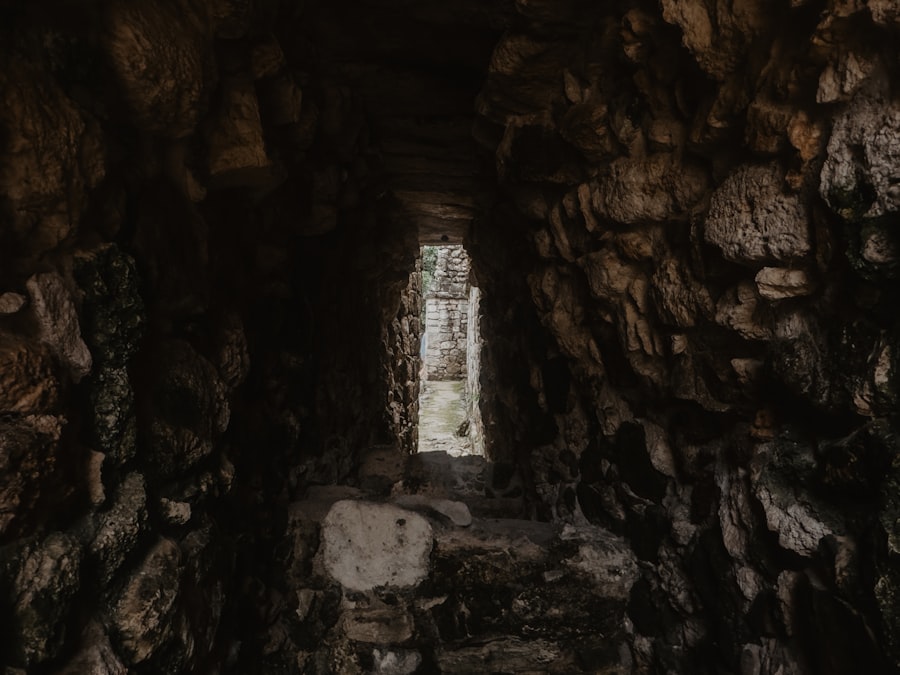
The legend of Atlantis, the advanced civilization swallowed by the sea, has captivated the human imagination for millennia. First described by the Greek philosopher Plato, Atlantis was depicted as a powerful seafaring empire that met a catastrophic end. While widely considered a philosophical allegory by many scholars, the persistent allure of this lost civilization fuels ongoing speculation and exploration.
Plato’s Account: Fact or Fiction?
Plato’s description of Atlantis in his dialogues Timaeus and Critias is the primary source for the legend. He describes a technologically advanced society with colossal architecture, sophisticated engineering, and a vast empire that eventually fell due to the hubris of its people and divine retribution. The question remains whether Plato was recounting a genuine historical event or crafting a parable to illustrate his philosophical ideas about ideal societies and the dangers of corruption.
The Search for Atlantis: Proving or Disproving
The search for Atlantis has led to numerous proposed locations, from the Mediterranean and the Atlantic Ocean to South America and even Antarctica. Some researchers point to similarities between Plato’s descriptions and the remnants of ancient civilizations, such as the Minoan civilization of Crete, which was devastated by a volcanic eruption. Others believe the story is purely mythical, a cautionary tale designed to convey moral lessons. The lack of definitive archaeological evidence for a sunken continent matching Plato’s description leaves the existence of Atlantis firmly in the realm of speculation.
The Enduring Appeal: Why Does the Legend Persist?
Despite the lack of concrete proof, the legend of Atlantis continues to resonate. It taps into a deep human fascination with lost civilizations, advanced technology, and the idea that a purer, more sophisticated society once existed. The mystery of its disappearance, combined with the tantalizing possibility of undiscovered underwater ruins, fuels an ongoing quest for answers and perpetuates the enduring allure of this ancient enigma.
The Enigmatic Giants of Easter Island: The Moai and Their Makers
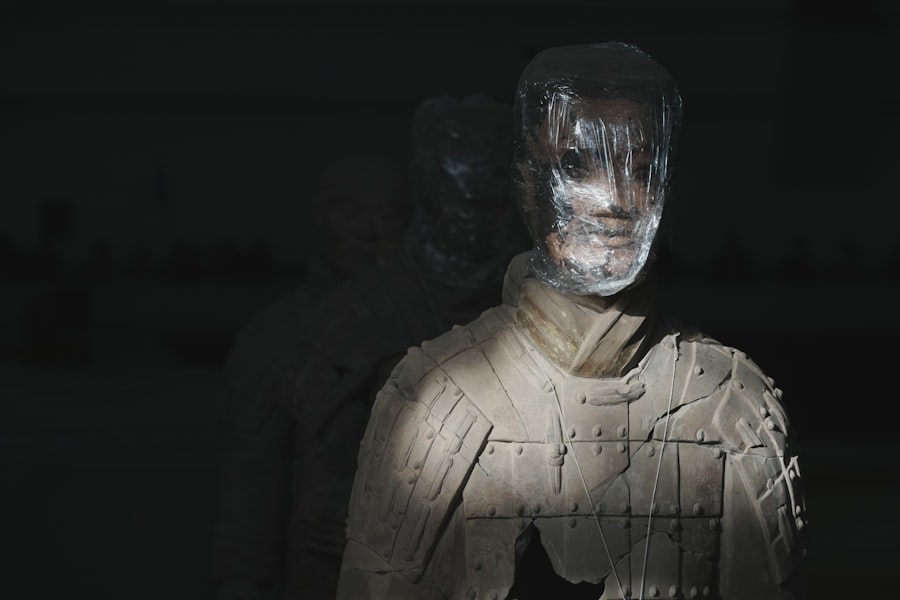
Rapa Nui, or Easter Island, a remote speck of land in the Pacific Ocean, is renowned for its iconic Moai statues. These colossal stone figures, carved from volcanic tuff by the Rapa Nui people, stand sentinel across the island, their enigmatic gaze fixed on the horizon. Despite their fame, many questions surrounding their creation, transportation, and the eventual collapse of Rapa Nui society remain.
The Purpose of the Moai: Ancestor Worship or Divine Guardians?
The exact purpose of the Moai is a subject of much debate among archaeologists. The most widely accepted theory is that they represent deified ancestors or powerful chiefs, erected to protect and watch over their descendants. Their imposing size and solemn expressions suggest a deep reverence and belief in their spiritual power. Some theories suggest they were associated with astronomical observations, while others propose they were used to mark territorial boundaries or as symbols of status and power within the Rapa Nui society.
The Transportation Challenge: How Were They Moved?
The creation of Moai, some weighing over 80 tons, and their subsequent transportation from quarry sites to ceremonial platforms across the island, presents a significant engineering puzzle. Without wheels or draft animals, the Rapa Nui people employed remarkable ingenuity. The prevailing theory suggests that the statues were moved upright, rocking them from side to side like a pendulum, using ropes and levers, and aided by a large workforce. Evidence of “walking” Moai tracks, though debated, further supports this idea of a deliberate, controlled movement.
The Societal Collapse: A Cautionary Tale?
The most tragic mystery of Easter Island is the apparent collapse of its society following a period of flourishing. Evidence suggests a once thriving population that eventually depleted the island’s resources, leading to deforestation, soil erosion, and internal conflict. The statues themselves, once revered, were eventually toppled. While the exact sequence of events is still under investigation, the story of Rapa Nui is often cited as a cautionary tale about the unsustainable exploitation of natural resources and the potential consequences for human civilization.
Unsolved archaeology mysteries continue to captivate researchers and enthusiasts alike, as they delve into the secrets of ancient civilizations. One intriguing aspect of these mysteries is the potential technological advancements that may have been lost to history. For a deeper exploration of this topic, you can read about the fascinating theories surrounding ancient inventions and the possible conspiracy to obscure these advancements in this article: ancient inventions. The ongoing quest to uncover the truth behind these enigmas not only sheds light on our past but also challenges our understanding of human ingenuity.
The Unidentified Texts and Artifacts: Whispers from the Unknown
| Archaeology Mystery | Location | Description |
|---|---|---|
| Stonehenge | England | Ancient stone circle with unknown purpose and construction methods. |
| Nazca Lines | Peru | Giant geoglyphs etched into the desert with unknown purpose. |
| Lost City of Atlantis | Unknown | Legendary city that disappeared without a trace. |
| Voynich Manuscript | Unknown | Untranslated medieval manuscript with unknown origin and meaning. |
Beyond impressive monumental structures and enigmatic statues, archaeology unearths a wealth of smaller, yet equally perplexing, artifacts and texts that defy immediate understanding. These objects, often found in isolation or within contexts that offer few clues, represent tantalizing bridges to lost knowledge and forgotten practices.
The Voynich Manuscript: A Cryptic Chronicle
The Voynich Manuscript, a handwritten codex dating back to the early 15th century, is perhaps the most famous unsolved linguistic mystery. Written in an unknown script and filled with bizarre illustrations of plants, astronomical diagrams, and naked figures in strange plumbing, it has eluded decipherment by cryptographers and linguists for centuries. Theories range from an elaborate hoax to a lost language, an alien text, or a coded message from an unknown civilization. Its secrets continue to taunt scholars, offering a glimpse into a mind or culture utterly foreign to our own.
The Antikythera Mechanism: An Ancient Computer?
Discovered in a Roman-era shipwreck off the coast of Greece, the Antikythera Mechanism is a complex assemblage of bronze gears and dials that dates back to the 2nd century BC. This intricate device, essentially an analog computer, was capable of predicting astronomical positions, eclipses, and even the timing of the Olympic Games. Its sophistication far surpasses anything previously known from that period, raising questions about the level of scientific and technological advancement achieved by the ancient Greeks. The mechanism suggests a lost lineage of advanced engineering that predates later discoveries by centuries, hinting at a forgotten era of technological brilliance.
The Phaistos Disk: Linear A’s Enigmatic Cousin
Unearthed from the Minoan palace at Phaistos in Crete, the Phaistos Disk is a fired clay disk inscribed with a series of symbols arranged in a spiral pattern. The script is unique and bears no resemblance to any known writing system, though it is widely believed to be related to Minoan Linear A. The symbols themselves are pictographic and seem to depict various objects and figures. Despite numerous attempts at decipherment, the meaning of the disk and its inscription remain a mystery, further underscoring the enigmatic nature of Minoan civilization and its lost language.
These unsolved mysteries are not merely historical curiosities; they are powerful reminders of the vastness of human history and the enduring capacity for innovation, belief, and mystery. Each artifact, each stone, each whispered legend invites us to continue digging, to keep questioning, and to embrace the profound wonder of the unknown that lies just beneath the surface of our understanding. The world’s unsolved archaeological mysteries are not roadblocks to knowledge, but rather invitations to explore, to imagine, and to perpetually push the boundaries of what we believe we know about our past.

The Greatest Technology Humanity Ever Lost
FAQs
What are some examples of unsolved archaeology mysteries?
Some examples of unsolved archaeology mysteries include the construction of Stonehenge, the purpose of the Nazca Lines in Peru, the disappearance of the Mayan civilization, the construction techniques of the ancient Egyptian pyramids, and the purpose of the Easter Island statues.
Why are these mysteries considered unsolved?
These mysteries are considered unsolved because despite extensive research and study, archaeologists and historians have been unable to definitively determine the answers to these questions. The evidence available is often limited or ambiguous, making it difficult to reach a conclusive explanation.
What methods are used to try to solve these mysteries?
Archaeologists and historians use a variety of methods to try to solve these mysteries, including excavation, carbon dating, remote sensing technology, comparative analysis with other known historical sites, and interdisciplinary collaboration with experts in fields such as geology, anthropology, and engineering.
What are the implications of solving these mysteries?
Solving these mysteries could provide valuable insights into ancient civilizations, their cultures, technologies, and belief systems. It could also help us better understand the development of human societies and the ways in which they interacted with their environments.
Are there any recent developments in the investigation of these mysteries?
Recent developments in technology, such as LiDAR scanning and advanced imaging techniques, have provided new opportunities for investigating these mysteries. Additionally, ongoing research and interdisciplinary collaboration continue to shed light on these enigmatic archaeological puzzles.