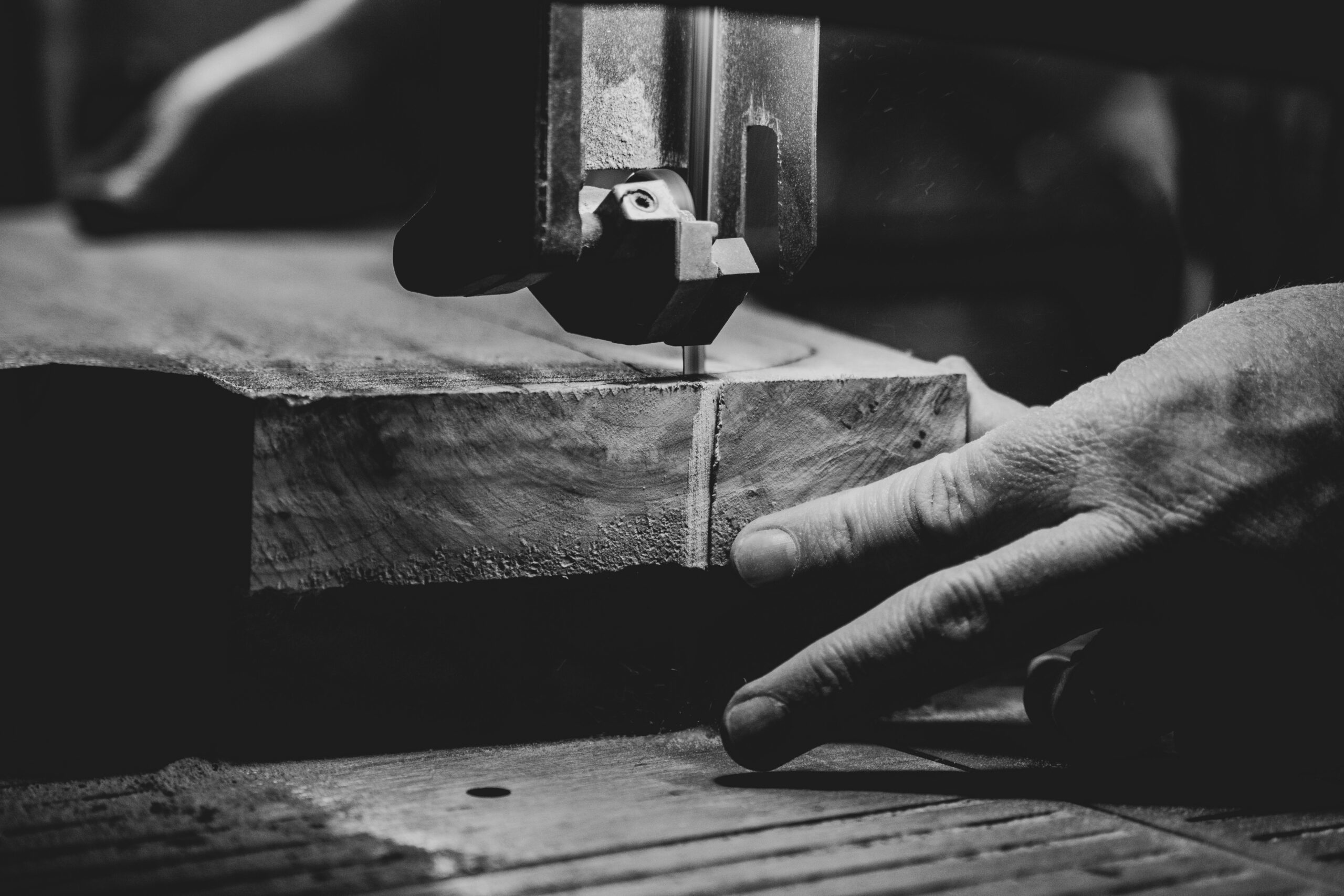
The hushed tones of history come alive in “Masters of the Past: Ancient Craftsmanship,” a documentary that embarks on a profound journey through the annals of human ingenuity. This meticulously crafted film doesn’t merely present ancient artifacts; it breathes life into them, revealing the dedication, skill, and often profound artistry that were integral to their creation. Viewers are transported back in time, witnessing the hands that shaped stone, molded clay, and spun thread with a mastery that still inspires awe millennia later. The documentary’s strength lies in its ability to bridge the chasm between our modern sensibilities and the realities of ancient production, showcasing a world where labor was not just a means to an end, but an avenue for profound expression and cultural legacy.
Before delving into the intricate details of specific crafts, “Masters of the Past” wisely lays the groundwork by exploring the fundamental tools and techniques that enabled ancient peoples to exert their influence over the natural world. This section of the documentary is crucial for understanding the sheer ingenuity born out of necessity and limited resources. It moves beyond romanticized notions and delves into the practical, often arduous, processes that laid the foundation for civilization itself.
From Stone to Sharpness: The Dawn of Lithic Technology
The film opens with a fascinating exploration of early lithic technology. It doesn’t shy away from the raw power and effort involved in knapping flint and other hard stones. Through expert demonstrations and stunning close-ups, viewers witness the precise strikes, the careful selection of materials, and the iterative process of trial and error that led to the development of incredibly effective tools.
The Art of the Flintknapper: Precision Under Pressure
“Masters of the Past” highlights the extraordinary skill of the flintknapper. These individuals, often working with rudimentary tools like antler hammers and bone punches, were capable of transforming a raw stone into axes, scrapers, and spearheads with remarkable precision. The documentary emphasizes that this was not a brute-force activity but a nuanced dance of pressure and cleavage, understanding the inherent fracture patterns of the stone. It showcases how these early artisans learned to control the flake’s trajectory and thickness, demonstrating an innate understanding of physics and material science that predates formal education by millennia. The sheer patience and focused concentration required are palpable, offering a profound respect for these foundational craftsmen.
Beyond the Edge: Grinding and Polishing Stones
The documentary also explores the transition from flaked tools to ground and polished implements. This signifies a further evolution in craftsmanship, requiring different techniques and an even greater investment of time and effort. The rubbing and grinding of stone against stone, often using abrasive sands, created smoother, more durable, and more versatile tools. This section illustrates the development of polished stone axes, adzes, and even early implements for food processing, demonstrating a growing sophistication in toolmaking that directly impacted human productivity and settlement patterns.
Harnessing the Earth: The Evolution of Clayworking
The mastery of earth itself, through the creation of pottery, marks another significant leap in ancient craftsmanship. “Masters of the Past” dedicates a substantial portion to the humble yet transformative medium of clay. The documentary emphasizes that pottery represented a paradigm shift, allowing for the storage of food and water, the cooking of meals, and the development of more complex societies.
From Coils to Kilns: The Birth of the Potter’s Wheel
The film visually narrates the progression of pottery techniques, starting with simple coil building. Viewers see how long ropes of clay were carefully joined and smoothed to form vessels. The true revelation, however, comes with the introduction of the potter’s wheel. The documentary showcases ancient recreations of early spinning wheels, demonstrating how this seemingly simple device dramatically increased efficiency and allowed for the creation of more symmetrical and refined forms. The hypnotic rhythm of the wheel and the effortless grace of the potter’s hands are a testament to a skill honed through countless hours of practice.
The Fiery Transformation: The Science of Firing
Perhaps one of the most awe-inspiring aspects of ancient pottery is the understanding of firing. “Masters of the Past” explores the development of kilns, from simple open fires to more sophisticated updraft and downdraft designs. The documentary explains the delicate balance of temperature, atmosphere, and time required to transform fragile clay into durable ceramic. It highlights the risks involved: too hot and the pottery would melt; too cool and it would remain brittle. The successful firing of a vessel was a triumph of empirical knowledge and a testament to the ancient potters’ keen observation and experimentation.
The documentary on ancient craftsmanship offers a fascinating glimpse into the skills and techniques used by artisans of the past, highlighting their intricate methods and the cultural significance of their work. For those interested in exploring related topics, the article on Minoan celestial navigation provides an intriguing perspective on how ancient civilizations utilized craftsmanship not only in art but also in practical applications like navigation. You can read more about this fascinating subject in the article found here: Unlocking the Secrets of Minoan Celestial Navigation.
Shaping Materials: Metalworking and Beyond
As societies progressed and resources became more varied, so too did the scope of ancient craftsmanship. The discovery and manipulation of metals, in particular, opened up a universe of possibilities, enabling the creation of tools, weapons, and objects of adornment with unprecedented strength and beauty. “Masters of the Past” dedicates significant attention to these transformative advancements.
The Alchemical Touch: Bronze and Iron Age Innovations
This section delves into the revolutionary impact of metalworking, tracing the evolution from the softer, more workable bronze to the harder, more abundant iron. The documentary emphasizes that these transitions were not merely technological but societal, fundamentally altering warfare, agriculture, and daily life.
The Magic of the Forge: Bronze Casting Techniques
The film provides a captivating look at the intricate process of bronze casting. Through detailed animations and expertly staged reenactments, viewers witness the meticulous preparation of molds, the smelting of copper and tin, and the precise pouring of molten metal. The documentary explores different casting methods, including lost-wax casting, highlighting how artisans could create incredibly detailed and complex objects, from delicate jewelry to formidable weapons. The sheer expertise required to manage the heat of the forge and the unpredictable nature of molten metal is a recurring theme, underscoring the courage and skill of these early metallurgists.
The Iron Revolution: Forging Strength and Durability
The introduction of iron presented a new set of challenges and opportunities. “Masters of the Past” explains the higher melting point of iron and the different techniques required for its manipulation. Viewers see the laborious process of heating iron blooms and repeatedly hammering them into shape, gradually removing impurities and creating a stronger, more durable material. The documentary emphasizes how iron tools revolutionized agriculture, allowing for the cultivation of previously intractable lands, and how iron weapons changed the nature of warfare, paving the way for larger empires and more organized societies.
Threads of Ingenuity: Textile Production and Decoration
While the focus often falls on the sturdy materials of stone and metal, “Masters of the Past” does not overlook the equally vital and delicate craft of textile production. This section explores the ancient origins of weaving, dyeing, and embroidery, showcasing how these skills were crucial for clothing, shelter, and cultural expression.
From Fiber to Fabric: The Art of the Loom
The documentary traces the journey from raw fibers, such as wool, flax, and cotton, to finished textiles. Viewers are shown the painstaking process of spinning thread, often on simple drop spindles, and then weaving it into fabric on ancient looms. The various types of looms, from backstrap looms used by nomadic peoples to more complex frame looms developed in settled civilizations, are illustrated. The intricate patterns and the sheer volume of fabric produced by these methods are a testament to the dedication and skill of ancient weavers.
A Spectrum of Color: Natural Dyes and Pigments
The vibrant colors that adorn ancient textiles are brought to life in this segment. “Masters of the Past” explores the sophisticated knowledge of natural dyes possessed by ancient cultures, derived from plants, insects, and minerals. The documentary details the complex processes of extracting pigments, mordanting fibers to ensure color fastness, and achieving a stunning array of hues. It highlights how color was not merely decorative but often carried symbolic meaning, denoting status, religious affiliation, or tribal identity. The delicate and often ephemeral nature of these dyes, and the skill required to create them, further emphasizes the artistry involved.
The Architect’s Vision: Building for Eternity

The grandest expressions of ancient craftsmanship are undoubtedly their monumental structures. “Masters of the Past” shifts its focus to the architects and builders who shaped landscapes and left behind legacies that continue to inspire awe. This section delves into the engineering prowess, organizational skills, and sheer determination that characterized ancient construction.
The documentary on ancient craftsmanship offers a fascinating glimpse into the skills and techniques that have been passed down through generations. For those interested in the broader context of ancient knowledge, a related article explores the intriguing legacy of the Library of Alexandria and its lost maps, shedding light on how such resources influenced craftsmanship and trade in the ancient world. You can read more about this captivating subject in the article here.
Stones in Place: The Engineering of Megaliths
This part of the documentary tackles the enduring mystery of how ancient peoples moved and erected massive stones with seemingly limited technology. Through detailed analysis and expert speculation, “Masters of the Past” explores various theories, from the use of levers and rollers to the ingenious employment of ramps and water.
From Quarry to Construction Site: Logistics on a Grand Scale
The film emphasizes that building with megaliths was not just about brute force but also about meticulous planning and logistics. It highlights the massive undertaking of quarrying, transporting, and precisely positioning enormous blocks of stone. The documentary explores the social organization required for such projects, suggesting that it involved coordinated labor, specialized skills, and a deep understanding of surveying and geometry. The sheer scale of these endeavors hints at the power and influence of the societies that commissioned them.
Precision Without Modern Tools: Alignments and Foundations
“Masters of the Past” showcases the remarkable precision with which ancient builders worked, often without the aid of modern surveying equipment. The documentary touches upon the astronomical alignments evident in many ancient structures, suggesting a sophisticated understanding of celestial movements. The creation of stable foundations and the precise fitting of stones, often with minimal or no mortar, are presented as testaments to their advanced architectural and engineering knowledge.
Shaping the Urban Landscape: Cities and Infrastructure
Beyond individual structures, this section explores the creation of entire urban environments. The documentary examines the planning and construction of cities, including their intricate street layouts, water management systems, and defensive fortifications.
The Flow of Life: Ancient Aqueducts and Sanitation
The ingenuity of ancient water management systems is a particularly compelling aspect. “Masters of the Past” showcases the construction of aqueducts, reservoirs, and drainage systems that supplied cities with fresh water and removed waste. The documentary emphasizes the sophisticated understanding of gravity and hydraulics that underpinned these systems, which were crucial for public health and urban development. The longevity and effectiveness of these ancient waterworks, some of which are still in use today, are a powerful testament to their engineering brilliance.
Defending the Realm: Walls and Fortifications
The documentary also delves into the construction of defensive structures, highlighting the strategic importance of walls and fortifications in the ancient world. Viewers are shown the principles behind their design, including the use of thick walls, battlements, and strategic gateways, all aimed at repelling attackers. The construction of these formidable defenses speaks to the constant need for security and the remarkable engineering capabilities that were deployed to ensure it.
The Artisan’s Legacy: Artistry, Symbolism, and Cultural Continuity

The final section of “Masters of the Past: Ancient Craftsmanship” moves beyond the purely functional and delves into the profound artistic and symbolic dimensions of ancient creations. It explores how craftsmanship was not solely about utility but also about communication, expression, and the perpetuation of cultural identity.
Beauty in Form: The Aesthetics of Ancient Design
The documentary highlights the inherent beauty and aesthetic sensibilities that characterized ancient artifacts. It is not just about how something was made, but how it was perceived and appreciated.
Beyond Decoration: The Language of Motifs and Symbols
“Masters of the Past” delves into the rich tapestry of symbolic language woven into ancient artifacts. Viewers are shown how motifs, patterns, and specific imagery were not merely decorative but carried profound cultural and religious meanings. The documentary explores how these visual narratives conveyed stories, beliefs, and values, acting as a form of visual communication across generations. The careful study of these symbols allows modern viewers a deeper understanding of the worldview and spiritual life of ancient peoples.
Mastery of Materials: From Precious Metals to Everyday Objects
The film celebrates the mastery with which ancient artisans worked with a wide range of materials, from the most precious metals to the humblest of clays. It showcases exquisite examples of jewelry, sculpture, and decorative objects, demonstrating an astonishing level of skill in manipulating materials to create objects of both beauty and cultural significance. The documentary emphasizes that even everyday objects, such as pottery or tools, often bore the mark of an artisan’s aesthetic care, elevating them beyond mere utility.
Passing the Torch: Schools of Craft and Apprenticeship
The enduring nature of ancient craftsmanship is often attributed to effective systems of knowledge transfer. “Masters of the Past” explores the informal and formal structures that ensured these skills were passed down through generations.
The Workshop as a Classroom: Learning by Doing
The documentary emphasizes the importance of the workshop as a living classroom. Viewers are guided through the process of apprenticeship, where young individuals learned their craft through direct observation, imitation, and hands-on practice under the tutelage of experienced masters. This system, focused on experience and repetition, was crucial for mastering the subtle nuances of each craft, nuances that could not be easily conveyed through written instruction.
Preserving Tradition, Embracing Innovation: The Evolution of Techniques
While the focus is on tradition, “Masters of the Past” also acknowledges that ancient craftsmanship was not static. The documentary explores how innovations and new techniques were gradually adopted and integrated into existing practices. It highlights the delicate balance between preserving time-honored methods and adapting to new discoveries and evolving needs, showcasing a dynamic and resilient tradition of skill and artistry that has shaped human history. The film concludes by leaving the viewer with a profound appreciation for the countless hands that, throughout history, have shaped the world we inhabit, one meticulously crafted object at a time.

The Greatest Technology Humanity Ever Lost
FAQs
What is the ancient craftsmanship documentary about?
The ancient craftsmanship documentary explores the traditional techniques and skills used by ancient civilizations to create various forms of art, architecture, and everyday objects.
Which ancient civilizations are featured in the documentary?
The documentary showcases the craftsmanship of various ancient civilizations such as the Egyptians, Greeks, Romans, Mayans, and Chinese, among others.
What types of craftsmanship are highlighted in the documentary?
The documentary highlights a wide range of craftsmanship including pottery, metalwork, stonemasonry, woodworking, textile production, and architectural design.
How is the documentary filmed?
The documentary is filmed on location at historical sites and museums around the world, providing viewers with a firsthand look at the ancient craftsmanship and the artifacts that have been preserved.
What can viewers learn from watching the ancient craftsmanship documentary?
Viewers can gain a deeper understanding of the ingenuity and skill of ancient artisans, as well as an appreciation for the enduring legacy of their craftsmanship in shaping the world we live in today.