The sands of Egypt hold countless stories, but few captivate the imagination quite like those of the pharaohs. Among them, Tutankhamun, the boy king, reigns supreme. For millennia, his reign was a mere footnote in history, his tomb lost to time and legend. Then, in a discovery that shook the world, Howard Carter unearthed the magnificent burial chamber, a treasure trove of unparalleled riches and an astonishing portal into a bygone era. However, the secrets held within King Tut’s tomb extend far beyond the glittering gold and precious artifacts; they whisper tales of his life, his reign, his untimely death, and the very essence of ancient Egyptian beliefs about the afterlife.
The story of Tutankhamun’s tomb is as dramatic as any epic. For years, Howard Carter, an archaeologist driven by an unshakeable conviction, scoured the Valley of the Kings. His patron, Lord Carnarvon, provided the financial backing and a degree of patience that must have been tested by the fruitless years of searching. The prevailing sentiment was that the valley had been thoroughly explored, its secrets laid bare. Yet, Carter persisted, his intuition guiding him to a less disturbed area.
A Chance Discovery and Growing Anticipation
The breakthrough came on November 4, 1922. A water boy, fetching water for the excavation team, stumbled upon a stone step. This was not just any stone; it was the first indication of something monumental. Carter, summoned to the site, recognized the potential. Over the following days, the team meticulously cleared away the sand, revealing a staircase leading down into the earth. With each descending step, the anticipation of what lay hidden grew palpably. This was not merely another tomb; it felt like a pathway to a forgotten king.
The Sealed Door and a Breath Held
The staircase led to a sealed doorway, plastered and bearing the necropolis seal of the royal tomb. This was an astonishing find. Most tombs in the Valley of the Kings had been plundered by ancient grave robbers, their seals broken, their treasures long gone. The intact nature of this doorway suggested that Tutankhamun’s tomb might have escaped the ravages of time and human greed. The air crackled with excitement and a profound sense of responsibility. They knew they were on the precipice of something extraordinary.
“Wonderful Things”: The Antechamber Revealed
After painstakingly clearing the debris to allow for a small hole to be made in the upper left-hand corner of the doorway, Carter and his team made their second, even more momentous, discovery. Lord Carnarvon arrived on the scene, and together they peered through the opening, holding a candle. The story goes that when Carnarvon, eager to know what was within, asked, “Can you see anything?” Carter, spellbound, famously replied, “Yes, wonderful things.” This was the antechamber, a chaotic yet breathtaking jumble of chariots, couches, statues, and various artifacts. It was a scene frozen in time, a testament to the wealth and artistry of the Eighteenth Dynasty.
Recent discoveries surrounding King Tutankhamun’s tomb have shed light on the mysteries of ancient Egypt, revealing secrets that have fascinated historians and archaeologists alike. For those interested in exploring how ancient civilizations, including the Egyptians, adapted to their environments, a related article titled “Uncovering Ancient Civilizations Through Paleoclimate Data” provides valuable insights. You can read more about this intriguing connection by visiting this link.
The Opulent Treasury of the Boy King
The antechamber was merely a prelude to the wonders that lay deeper within the tomb. As Carter and his team meticulously cataloged and removed the artifacts, each chamber revealed its own unique collection of treasures, meticulously prepared for the pharaoh’s eternal journey. The sheer volume and exquisite craftsmanship of the objects provided an unprecedented glimpse into the life and the afterlife beliefs of ancient Egyptians.
The Golden Sarcophagus and the Gilded Coffins
The most iconic discovery within Tutankhamun’s tomb is undoubtedly his sarcophagus and the nested gilded coffins that housed his mummy. Carved from solid quartz, the sarcophagus was a monumental piece of craftsmanship. Inside it lay three nested coffins, each more spectacular than the last. The outermost two were gilded wood, adorned with intricate inlays of lapis lazuli, turquoise, and carnelian. The innermost coffin, however, was a breathtaking masterpiece forged from over 110 kilograms of solid gold. It depicted the pharaoh in the likeness of Osiris, the god of the afterlife, symbolizing his transformation and rebirth. The mask that covered his face, also of solid gold and adorned with precious stones, is perhaps the most recognizable symbol of ancient Egypt.
Furniture and Furnishings for Eternity
The tomb was not just filled with objects of religious significance; it was equipped for the pharaoh’s eternal dwelling. Elaborate couches, shaped like mythical animals, were found, presumably for the pharaoh to rest upon in the afterlife. Intricately carved chairs and stools, as well as chests filled with linens, perfumes, and personal belongings, underscored the belief that the afterlife was a continuation of earthly existence, requiring the same comforts and necessities. The presence of actual food vessels and even preserved food items further emphasized this idea, suggesting that the pharaoh would continue to dine in his eternal palace.
The Chariots of War and Peace
Perhaps one of the most surprising and revealing discoveries was the presence of disassembled chariots. These were not mere ceremonial objects; they were functional war chariots, adorned with gilded panels depicting the young pharaoh in battle. This provided a tangible link to Tutankhamun’s role as a military leader, dispelling the notion that he was solely a passive figurehead. The inclusion of these chariots in his tomb signified his preparedness for any battles he might face in the afterlife, or perhaps even as a means of swift passage.
The Statues of Guardians and Gods
Throughout the tomb, statues of Tutankhamun and various deities served as guardians and protectors. Two life-size statues of the king, made of wood covered in gilded material, stood sentinel at the entrance to the burial chamber, their obsidian eyes seeming to survey intruders. Numerous smaller statues of gods and goddesses, such as Osiris, Isis, and Anubis, were also found, intended to offer divine protection and guidance on the pharaoh’s journey. These figures were not just decorative; they were functional elements of the funerary ritual, ensuring the king’s safe passage through the perils of the underworld.
The Enigmatic Reign of Tutankhamun

The tomb provided an unprecedented window into the life and reign of a pharaoh whose existence had been largely obscure. While the vast funerary treasures attest to his royal status, the contents also offer clues about his relatively short, and potentially politically charged, reign.
The Boy King’s Ascendancy and the Return of Amun
Tutankhamun ascended to the throne at a remarkably young age, likely around nine years old. His reign, which lasted a mere ten years (c. 1332–1323 BCE), occurred during a period of significant upheaval in ancient Egyptian history. His predecessor, Akhenaten, had instigated a radical religious reform, abandoning the traditional polytheistic worship in favor of a monotheistic devotion to the sun god Aten. This drastic shift had caused considerable social and political unrest. Tutankhamun’s reign is largely characterized by the reversal of these reforms. The hieroglyphs and inscriptions within his tomb, as well as the restoration of temples dedicated to Amun, indicate a deliberate effort to reestablish the traditional religious order and restore the power of the priests of Amun. This “restoration” narrative is a key theme in understanding his brief but significant rule.
Evidence of Governance and Administration
While the tomb’s primary purpose was funerary, it also contained items that hinted at the practicalities of governance. The presence of administrative tools, seals, and even depictions of tribute being brought to the king, suggested that Tutankhamun, despite his youth, was actively involved in the running of his kingdom. The inscriptions on some of his tomb goods refer to his titles and responsibilities, providing historical context for his administrative duties and his place within the Egyptian bureaucracy.
The Shadow of Akhenaten: A Continued Influence?
Despite the apparent reversal of Akhenaten’s religious policies, the lingering influence of the Atenist revolution remained an open question. Some scholars speculate that Tutankhamun, guided by his advisors, was a pawn in a larger political game, continuing to harbor some sympathies towards his father’s radical ideas. The tomb’s treasures, while overwhelmingly traditional in their iconography, occasionally show subtle deviations or stylistic elements that some interpret as concessions to the recent past. The exact nature of the relationship between Tutankhamun and his father, and the extent to which the Atenist legacy persisted, remains a subject of scholarly debate.
Decoding the Mysteries of His Demise
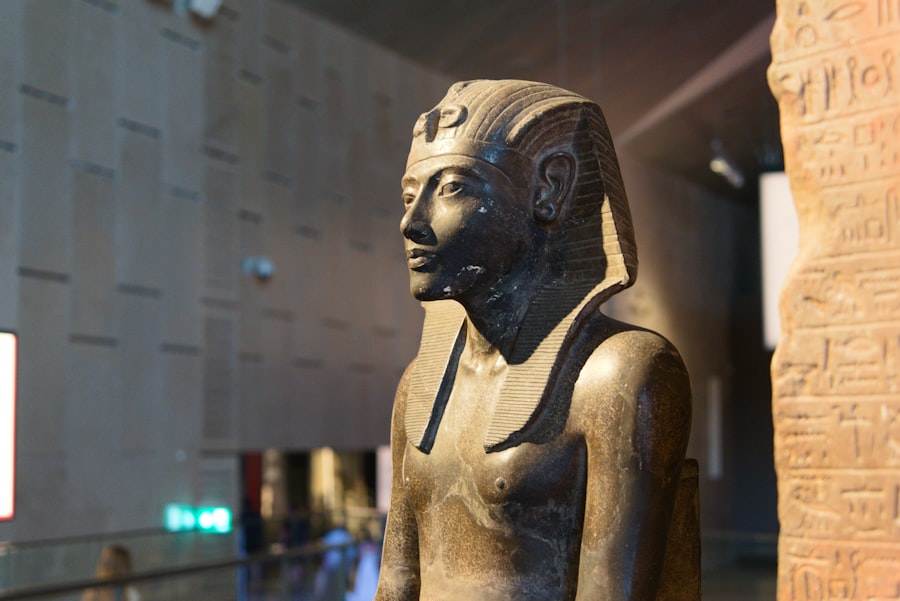
The most enduring mystery surrounding Tutankhamun is the cause of his tragically premature death. The examination of his mummy has provided crucial, albeit at times contradictory, evidence that has fueled centuries of speculation.
The Mummy’s Secrets: Trauma or Disease?
Initial examinations of Tutankhamun’s mummy by Howard Carter and later by scientists, revealed evidence of a fracture to the skull and a broken leg. These findings led to theories of assassination or accidental death during a chariot accident. However, more advanced forensic techniques, including X-rays and CT scans, have offered a more nuanced picture. While some fractures are undeniable, their cause remains debated. They may have occurred post-mortem during the mummification process or, as some argue, during the ancient Egyptian attempts to preserve the body.
Theories of Illness and Genetic Predispositions
Modern analysis has also explored the possibility of underlying medical conditions. The presence of malaria parasites in his mummy has been identified, suggesting that he may have succumbed to a severe bout of this debilitating disease. Furthermore, the discovery of evidence of clubfoot and other congenital anomalies has led to theories about genetic predispositions that may have weakened him and made him more susceptible to illness. While not necessarily fatal on their own, these conditions, combined with infections, could have contributed to his demise.
The Curse of the Pharaohs: Myth and Reality
The allure of Tutankhamun’s tomb also gave rise to the legend of the “Curse of the Pharaohs.” Following the deaths of Lord Carnarvon and others associated with the excavation, a narrative of divine retribution for disturbing the king’s rest gained traction in the popular press. While sensationalized and largely dismissed by modern historians, the idea of a curse speaks to the potent mystique surrounding the tomb and its inhabitants. The scientific consensus, however, points towards natural causes, whether disease, injury, or a combination thereof, as the likely culprits behind the boy king’s untimely end.
Recent discoveries surrounding the secrets of King Tutankhamun’s tomb have sparked renewed interest in ancient Egyptian history, revealing fascinating insights into the life and politics of the time. For those intrigued by the complexities of ancient diplomacy, an insightful article explores the art of diplomatic language in ancient politics, shedding light on how communication shaped relationships between powerful figures. You can read more about this intriguing topic in the article here.
The Enduring Legacy of Tutankhamun
| Secrets Revealed | Details |
|---|---|
| Hidden Chambers | Researchers discovered hidden chambers behind the walls of King Tut’s tomb. |
| Organic Materials | Analysis revealed organic materials that could indicate the presence of a hidden burial. |
| Scans and Imaging | Advanced scanning and imaging techniques were used to uncover these secrets. |
The discovery of Tutankhamun’s tomb was not merely an archaeological triumph; it had a profound and lasting impact on global culture and our understanding of ancient Egypt. The treasures of the boy king continue to fascinate and inspire, offering a tangible connection to a civilization that shaped the course of human history.
A Window into Everyday Life and Royal Ritual
Beyond the glittering gold, the artifacts within Tutankhamun’s tomb provide an unparalleled glimpse into the daily lives, customs, and artistic achievements of the Eighteenth Dynasty. The quality of craftsmanship, from the delicate jewelry to the sturdy furniture, speaks volumes about the skill of ancient artisans. The inclusion of everyday objects, alongside the sacred, offers a holistic view of royal life and the rituals surrounding death and the afterlife. It allows us to imagine the world as the pharaoh experienced it, not just as a distant historical period.
The Rebirth of Egyptian Archaeology and its Global Impact
The discovery of Tutankhamun’s tomb revitalized interest in ancient Egypt worldwide and propelled Egyptian archaeology to the forefront of scientific discovery. The meticulous documentation and preservation efforts orchestrated by Carter set new standards for archaeological practice. The subsequent exhibition of the tomb’s treasures became a global phenomenon, captivating millions and sparking a surge in tourism and scholarly research focused on the New Kingdom period. The boy king, once a forgotten ruler, became a symbol of ancient Egypt’s enduring allure.
Tutankhamun in Popular Culture: An Icon of Antiquity
King Tut has transcended the realm of archaeology to become a permanent fixture in popular culture. From Hollywood films and museum exhibitions to children’s books and fashion, his image and the treasures of his tomb continue to inspire artists, writers, and creators. He is an icon of antiquity, a testament to the enduring power of mystery, majesty, and the human fascination with the past. The secrets revealed from his tomb continue to be explored, reinterpreted, and celebrated, ensuring that the boy king’s legacy will continue to captivate generations to come.

The Pharaoh’s Dagger Came From Outer Space
FAQs
What are some of the secrets revealed in King Tut’s tomb?
Some of the secrets revealed in King Tut’s tomb include the discovery of hidden chambers, the presence of organic materials such as oils and resins, and the identification of new artifacts.
How were these secrets uncovered?
These secrets were uncovered through the use of non-invasive scanning technology, such as ground-penetrating radar and thermal imaging, which allowed researchers to peer inside the tomb without disturbing its contents.
What do these revelations tell us about King Tut and his reign?
These revelations provide insight into the burial practices and material culture of ancient Egypt, shedding light on the religious and cultural significance of the artifacts and materials found in the tomb.
What impact do these discoveries have on our understanding of ancient Egypt?
These discoveries have the potential to reshape our understanding of ancient Egypt by providing new information about the burial practices, religious beliefs, and material culture of the time.
What are the implications of these revelations for future archaeological research?
The implications of these revelations for future archaeological research include the potential for new discoveries and insights into ancient Egyptian history and culture, as well as the development of new non-invasive technologies for studying archaeological sites.