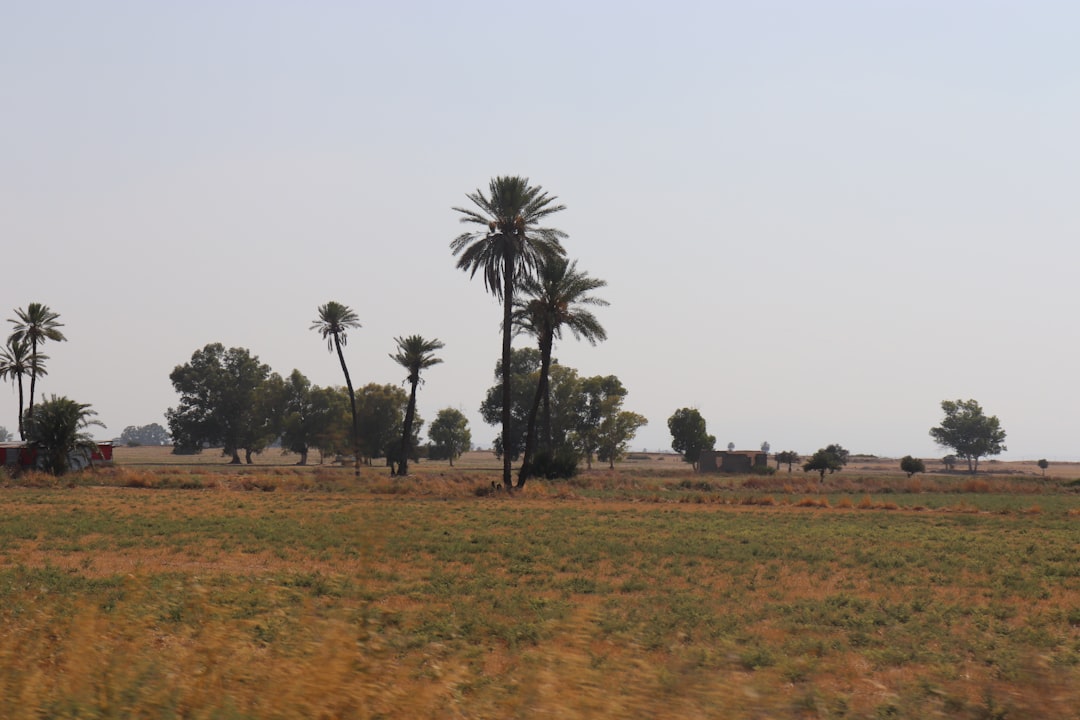
A documentary titled “The Green Sahara: A Documentary on the Ancient Desert’s Lush History” promises to transport viewers back in time, unveiling a forgotten epoch when the world’s largest hot desert was a vibrant tapestry of lakes, rivers, and grasslands. Leveraging cutting-edge scientific discoveries and captivating visual storytelling, this film delves into the mysteries of the African Humid Period, a time that challenges our contemporary perception of the Sahara. By weaving together insights from genomic analysis, newly discovered ancient landscapes, and a refined understanding of desertification, the documentary paints a vivid portrait of a lost paradise and the people who thrived within it.
The very notion of a verdant Sahara conjures images that are starkly at odds with the arid expanse known today. Yet, for millennia, this region teemed with life, sustaining diverse ecosystems and human populations. The documentary “The Green Sahara: A Documentary on the Ancient Desert’s Lush History” embarks on a journey to reconstruct this astonishing transformation, guided by the latest scientific revelations. It aims to move beyond theoretical musings and present tangible evidence of a world that once was, a world brimming with a natural abundance that seems almost fantastical in the present context.
The African Humid Period: A Climate Shift of Epic Proportions
At the heart of the documentary’s narrative lies the phenomenon known as the African Humid Period. This climatic regime, which persisted for thousands of years, stands as a testament to Earth’s dynamic environmental history. The film will explore the geological and atmospheric forces that precipitated this dramatic shift, transforming what is now one of the driest places on the planet into a verdant haven.
Understanding Orbital Forcing and Monsoon Intensification
One of the primary drivers of the Green Sahara, as explained in the film, was a subtle yet significant shift in Earth’s orbit, known as Milankovitch cycles. These cycles, which influence the amount of solar radiation reaching different parts of the planet, played a crucial role in orchestrating the monsoon systems that watered the region. The documentary will visually illustrate how these orbital variations led to intensified monsoons, bringing copious rainfall to North Africa.
The Role of Atmospheric Dust and Vegetation Feedback Loops
Beyond orbital forcing, the film will also delve into the intricate feedback loops that sustained the Green Sahara. Early vegetation, once established, would have influenced local atmospheric conditions, creating more humid microclimates and further encouraging plant growth. The documentary will examine how these self-sustaining cycles contributed to the longevity and vibrancy of this ancient ecosystem, illustrating a fascinating example of nature’s resilience and interconnectedness.
The documentary about the Green Sahara offers a fascinating exploration of how ancient civilizations thrived in what is now a desert landscape, highlighting the importance of water management and sustainable practices. For those interested in the broader implications of water resources, a related article titled “Pure Water: The Power of Maya Filtration” delves into the innovative water filtration techniques used by the Maya civilization, showcasing how historical societies adapted to their environments. You can read more about it here: Pure Water: The Power of Maya Filtration.
Echoes of Plenty: Newly Discovered Landscapes and Rivers
Recent advancements in remote sensing technology have revolutionized our ability to peer beneath the sands and uncover the hidden geography of the ancient Sahara. “The Green Sahara” documentary will prominently feature these groundbreaking discoveries, showcasing evidence of vast water bodies and intricate river systems that once crisscrossed the landscape, providing crucial lifelines for flora and fauna.
Radar Discovery: Unveiling the “Radar Rivers” of Libya
A significant aspect of the documentary will be the revelation of Libya’s “Radar Rivers.” These are not terrestrial rivers that have been simply buried, but rather the faint outlines of ancient riverbeds and drainage systems mapped using ground-penetrating radar. The film will utilize advanced visualization techniques to bring these subsurface landscapes to life, demonstrating the scale and complexity of the hydrological networks that once existed.
The Magnificence of Lake Mega-Chad
Among the most awe-inspiring discoveries is the immense Lake Mega-Chad. Once a colossal body of water, larger than the Caspian Sea, its remains are testament to the Sahara’s aquatic past. The documentary will provide a breathtaking overview of Lake Mega-Chad, illustrating its former expanse and the vital role it played in supporting life across a vast region. Viewers will witness compelling CGI reconstructions of this prehistoric superlake.
Life in Abundance: Genomic Insights and Ancient DNA
The human story of the Green Sahara is as captivating as its environmental transformation. Recent breakthroughs in ancient DNA analysis are offering unprecedented insights into the lives of its inhabitants, their migrations, and their cultural practices. “The Green Sahara: A Documentary on the Ancient Desert’s Lush History” will weave these genetic narratives into the broader environmental story.
The Takarkori Women: A Genomic Revolution
A pivotal element of the documentary will be the genomic analysis of two mummified women discovered in the Takarkori rock shelter in Libya. Published in 2025, this landmark study reveals their unique ancestry and provides a direct window into the transition from foraging to herding during the Green Sahara period. The film will explain the significance of these findings, showcasing how ancient DNA is rewriting our understanding of prehistoric human societies in North Africa.
Reconstructing Daily Lives Through DNA and Rock Art
The documentary will go beyond individual genetic profiles to reconstruct the broader tapestry of life. It will highlight new studies that synthesize ancient DNA data with the rich corpus of over 5,000 rock art paintings found in locations like Tassili n’Ajjer. By cross-referencing the genetic makeup of ancient populations with the depictions of cattle herders in this iconic rock art, the film will illuminate migration patterns, social structures, and daily routines of the people who inhabited this verdant world. The inclusion of chimpanzee and hippo fossils found in Chad further adds layers to the ecological context of human life.
The Long Goodbye: Refined Desertification Timelines
While the documentary celebrates the Green Sahara’s flourishing period, it also grapples with its inevitable decline. Recent scientific endeavors have refined our understanding of when and how this transformation occurred, pushing back the timeline of desertification and offering a more nuanced perspective on the Sahara’s enduring history.
A 7-Million-Year Genesis of Desertification
A significant update featured in the film is a 2025 study suggesting that the Sahara began its desertification process a staggering 7 million years ago. This discovery pushes the origin of the desert back by approximately four million years compared to previous estimates, fundamentally altering our perception of the Sahara’s geological and climatic evolution. The documentary will explore the implications of this extended timeline, suggesting a more gradual and complex process of aridification.
The Pace of Change: Understanding Enduring Transformations
The documentary will emphasize that the transition from a green landscape to a desert was not an instantaneous event but a protracted process. It will discuss the interplay of geological forces, climatic shifts, and potentially human activities in driving this gradual transformation. By presenting the refined timeline, the film encourages a deeper appreciation for the ancient dynamics of the African continent.
The fascinating history of the Green Sahara, a region that was once a lush and vibrant landscape, is explored in depth in a captivating documentary that sheds light on its transformation over millennia. To further understand the implications of such environmental changes, you might find it interesting to read about the concept of sovereignty in relation to celestial bodies, as discussed in a related article on the topic. For more insights, you can check out this article on whether the moon is a sovereign territory here.
Modern Echoes: Glimmers of Green in the Present Day
In a poignant and visually striking conclusion, “The Green Sahara: A Documentary on the Ancient Desert’s Lush History” will draw a direct line between the geological past and the present day. Recent satellite imagery has captured fleeting moments of unexpected greenery across the Sahara, offering a modern visual echo of its prehistoric lushness and a reminder of nature’s enduring capacity for renewal.
September 2024: Pockets of Life After a Cyclone
The documentary will showcase stunning NASA satellite imagery from late September 2024. This imagery revealed pockets of new vegetation spontaneously appearing across Morocco, Algeria, and Libya. These vibrant patches of green, spurred by an extratropical cyclone, serve as a powerful contemporary testament to the region’s inherent potential for life, even in its current arid state.
A Symbol of Resilience and Hope
These modern “green” anomalies are not mere curiosities; they are potent symbols of resilience and hope. The film will conclude by suggesting that understanding the Green Sahara’s past can offer valuable insights into the future environmental challenges facing the region and the planet. It underscores the dynamic nature of Earth’s ecosystems and the delicate balance that sustains life, urging viewers to contemplate the profound lessons embedded within the history of this extraordinary desert.

The Sahara Won’t Stay a Desert Forever
FAQs
What is the Green Sahara?
The Green Sahara refers to a period in the Earth’s history, approximately 10,000 years ago, when the Sahara Desert was a lush and fertile region with abundant vegetation and wildlife.
What is the documentary about the Green Sahara?
The documentary about the Green Sahara explores the scientific research and evidence that suggests the Sahara Desert was once a green and habitable environment, and it delves into the impact of climate change on the region.
Who produced the documentary about the Green Sahara?
The documentary about the Green Sahara was produced by a team of researchers, scientists, and filmmakers who are experts in the fields of archaeology, geology, and climate science.
What evidence supports the idea of a Green Sahara in the past?
The documentary presents evidence such as fossilized remains of plants and animals, ancient rock art depicting lush landscapes, and geological data indicating the presence of rivers and lakes in the Sahara region.
Where can I watch the documentary about the Green Sahara?
The documentary about the Green Sahara may be available for viewing on streaming platforms, through educational institutions, or at special screenings and events. Check with local libraries, museums, and online sources for availability.