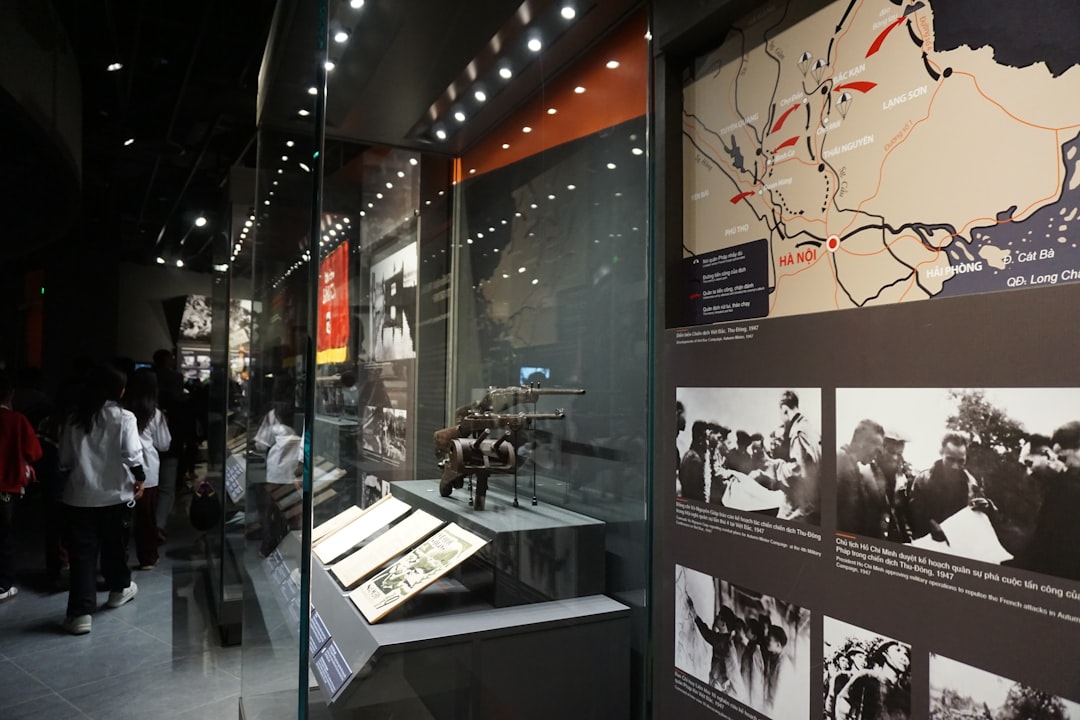
World War Two, a cataclysmic event that reshaped the global landscape, is often remembered for its overt battles and well-documented strategies. However, beneath the surface of this monumental conflict lies a labyrinth of hidden secrets that have only recently begun to emerge from the shadows. These secrets encompass a range of topics, from cryptography and espionage to resistance movements and the roles of women.
The war was not merely a series of military confrontations; it was also a complex web of intelligence operations, covert missions, and untold stories that shaped the course of history. As historians delve deeper into the archives and personal accounts from this era, they uncover narratives that challenge the conventional understanding of the war. The hidden aspects of World War Two reveal not only the ingenuity and bravery of individuals but also the moral ambiguities and ethical dilemmas faced during this tumultuous time.
By exploring these lesser-known facets, one can gain a more nuanced perspective on the war and its lasting impact on contemporary society.
Key Takeaways
- The Enigma Code played a crucial role in World War Two, impacting the outcome of the war.
- Espionage and spies were instrumental in gathering intelligence and influencing the course of the war.
- Operation Paperclip revealed hidden truths about the recruitment of German scientists by the Allies after the war.
- Resistance movements had untold stories of bravery and sacrifice during World War Two.
- Code Talkers made a significant impact by using their native languages to transmit secret messages.
The Enigma Code and its Impact on the War
One of the most significant secrets of World War Two was the Enigma code, a sophisticated encryption system used by Nazi Germany to secure military communications. The complexity of the Enigma machine made it seem unbreakable, leading the Germans to believe that their messages were safe from interception. However, this belief would soon be shattered by the efforts of Allied cryptanalysts, particularly those at Bletchley Park in England.
The work done by these codebreakers not only provided crucial intelligence but also altered the course of the war. The successful decryption of Enigma messages allowed the Allies to anticipate German movements and strategies, giving them a strategic advantage in key battles. For instance, the intelligence gained from breaking the Enigma code played a pivotal role in the Battle of the Atlantic, where Allied forces were able to counteract U-boat attacks effectively.
The impact of this breakthrough cannot be overstated; it is estimated that the work at Bletchley Park shortened the war by as much as two years, saving countless lives in the process.
The Role of Espionage and Spies in World War Two
Espionage was another critical element that shaped the dynamics of World War Two. Spies operated in various capacities, gathering intelligence that would inform military strategies and political decisions. Both the Axis and Allied powers employed a network of agents who infiltrated enemy lines, gathered information, and sometimes even engaged in sabotage.
The clandestine nature of these operations often meant that their successes went unrecognized, yet their contributions were invaluable. One notable figure in this realm was Virginia Hall, an American spy who worked for the British Special Operations Executive (SOE). Hall’s daring missions in occupied France involved recruiting resistance fighters and coordinating sabotage operations against German forces.
Her ability to evade capture and execute complex plans earned her a reputation as one of the most effective spies of the war. The stories of such individuals highlight the critical role that espionage played in shaping military outcomes and underscore the bravery required to operate in such perilous conditions.
Uncovering the Truth about Operation Paperclip
| Operation Paperclip Data | Metrics |
|---|---|
| Number of German scientists brought to the US | 1,600 |
| Duration of Operation Paperclip | 1945-1990 |
| Number of patents obtained by Operation Paperclip scientists | over 1,500 |
| Impact on US space program | Significant contribution to the development of NASA |
Operation Paperclip represents one of the more controversial aspects of post-war history. This secret program was initiated by the United States government to recruit German scientists, engineers, and technicians after World War Two ended. Many of these individuals had been involved in Nazi war efforts, including rocket technology and chemical weapons development.
The decision to bring them to America was driven by a desire to gain an edge in the burgeoning Cold War against the Soviet Union. The ethical implications of Operation Paperclip are profound. While it allowed for significant advancements in technology, particularly in aerospace and military applications, it also raised questions about morality and accountability.
Many of these scientists had been complicit in war crimes, yet their expertise was deemed too valuable to ignore. This duality reflects a broader theme in post-war society: the tension between scientific progress and moral responsibility.
The Hidden Stories of Resistance Movements
Resistance movements across Europe played a crucial role in undermining Nazi control during World War Two. These groups often operated in secrecy, engaging in acts of sabotage, intelligence gathering, and aiding those persecuted by the regime. Their stories are filled with courage and sacrifice, yet they often remain overshadowed by larger military narratives.
From the French Resistance to partisan fighters in Eastern Europe, these movements showcased the resilience of individuals who refused to accept oppression. One particularly inspiring example is the Polish resistance movement, which organized various uprisings against German occupation. The Warsaw Uprising of 1944 stands out as a significant event where Polish fighters took to the streets to reclaim their city from Nazi control.
Despite facing overwhelming odds and brutal reprisals, their determination symbolized a fierce spirit of defiance. These hidden stories remind us that even in times of great despair, hope and resistance can flourish.
The Impact of Code Talkers in World War Two
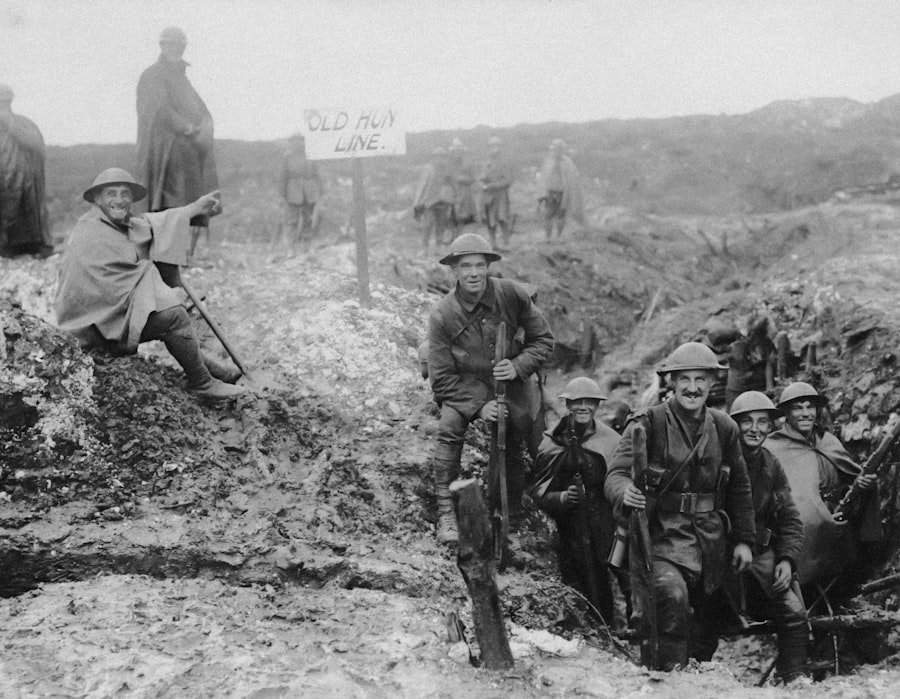
The use of Native American code talkers during World War Two is another fascinating aspect often overlooked in mainstream narratives. These individuals utilized their native languages to create unbreakable codes for military communications, providing a significant advantage on the battlefield. The most famous among them were members of the Navajo Nation, whose language was complex and unwritten at the time, making it an ideal choice for secure communication.
The contributions of code talkers were instrumental in several key battles in the Pacific Theater, including Iwo Jima and Okinawa. Their ability to relay messages quickly and accurately under fire proved invaluable to American forces. Despite their critical role, many code talkers returned home after the war without recognition or acknowledgment for their service.
It wasn’t until decades later that their contributions were celebrated, highlighting how history often overlooks marginalized voices.
Discovering the Secrets of Bletchley Park
Bletchley Park stands as a symbol of intelligence and innovation during World War Two. This British codebreaking center was home to some of the brightest minds tasked with deciphering enemy communications, including those encrypted by the Enigma machine.
The collaborative environment at Bletchley Park fostered groundbreaking advancements in cryptography and computing. Figures like Alan Turing emerged as key players in this effort, developing techniques that would lay the groundwork for modern computing. The legacy of Bletchley Park extends beyond its immediate wartime contributions; it represents a turning point in how information technology would evolve in subsequent decades.
The Untold Stories of Women in World War Two
Women played an indispensable role during World War Two, yet their contributions are often relegated to footnotes in history books. As men went off to fight, women stepped into roles traditionally held by men, working in factories, serving as nurses, and even taking up arms as part of resistance movements. Their stories reflect resilience and adaptability in a time when societal norms were being challenged.
One notable example is the Women’s Army Corps (WAC), which allowed women to serve in non-combat roles within the U.S. Army. These women took on vital tasks such as clerical work, communications, and logistics, freeing up men for combat duties.
Additionally, women like Anne Frank became symbols of hope and tragedy through their personal narratives during this dark period.
Uncovering the Truth about War Crimes and Trials
The aftermath of World War Two brought about significant scrutiny regarding war crimes committed during the conflict. The Nuremberg Trials marked a pivotal moment in international law as leaders from Nazi Germany were held accountable for their actions. These trials aimed not only to deliver justice but also to establish precedents for how future conflicts would be addressed legally.
However, many atrocities committed during the war remain shrouded in secrecy or have gone unpunished. The complexities surrounding issues such as genocide and crimes against humanity continue to resonate today. As historians sift through documents and testimonies from survivors, they strive to uncover truths that have long been buried.
This ongoing quest for justice serves as a reminder that accountability is essential for healing and reconciliation.
The Role of Technology in Uncovering World War Two’s Secrets
Advancements in technology have played a crucial role in uncovering hidden secrets from World War Two. From digital archiving to forensic analysis, modern tools have allowed historians and researchers to access previously classified documents and artifacts. This technological revolution has opened new avenues for understanding events that shaped global history.
For instance, satellite imagery has enabled researchers to identify historical sites related to wartime activities that may have been lost or forgotten over time. Additionally, artificial intelligence is being employed to analyze vast amounts of data quickly, revealing patterns and connections that might otherwise go unnoticed. As technology continues to evolve, it promises to shed light on even more hidden aspects of World War Two.
Preserving and Remembering the Hidden Secrets of World War Two
As society moves further away from World War Two, preserving its hidden secrets becomes increasingly important. Museums, archives, and educational institutions play vital roles in ensuring that these stories are not forgotten. By curating exhibits that highlight lesser-known narratives—such as those of spies, resistance fighters, or women—these organizations contribute to a more comprehensive understanding of history.
Moreover, public engagement through storytelling initiatives can help keep these memories alive for future generations. Oral histories from veterans or survivors provide personal insights that enrich historical accounts and foster empathy among audiences today. By actively preserving and remembering these hidden secrets, society honors those who lived through this tumultuous period while ensuring that lessons learned are not lost to time.
In conclusion, World War Two’s hidden secrets encompass a rich tapestry of narratives that deserve recognition alongside more prominent historical events. From codebreakers at Bletchley Park to courageous resistance fighters and overlooked contributions from women, these stories reflect humanity’s resilience amid adversity. As historians continue to uncover these truths through research and technology, society must commit to preserving this knowledge for future generations—ensuring that history remains a living testament to both triumphs and tragedies experienced during one of humanity’s darkest chapters.
One fascinating aspect of World War II is the myriad of historical secrets that have emerged over the years, shedding light on the complexities of the conflict. For those interested in exploring these hidden narratives, a related article can be found at this link, which delves into lesser-known events and figures that played pivotal roles during the war.
WATCH THIS! The 20 Things History Buried To Protect Us
FAQs
What are some historical secrets of World War Two?
Some historical secrets of World War Two include the Enigma code-breaking efforts at Bletchley Park, the Manhattan Project and the development of the atomic bomb, and the use of deception tactics such as Operation Fortitude to mislead the Axis powers.
How did the Enigma code-breaking efforts at Bletchley Park impact World War Two?
The Enigma code-breaking efforts at Bletchley Park, led by Alan Turing and others, played a crucial role in deciphering encrypted German communications. This intelligence gathering helped the Allies anticipate enemy movements and contributed to their eventual victory.
What was the Manhattan Project and how did it impact World War Two?
The Manhattan Project was a research and development project during World War Two that produced the first nuclear weapons. The impact of the atomic bombs dropped on Hiroshima and Nagasaki led to the surrender of Japan and the end of the war in the Pacific.
What were some deception tactics used during World War Two?
Operation Fortitude was a deception tactic used by the Allies to mislead the Axis powers about the location and timing of the D-Day invasion. This strategic deception played a significant role in the success of the Normandy landings.