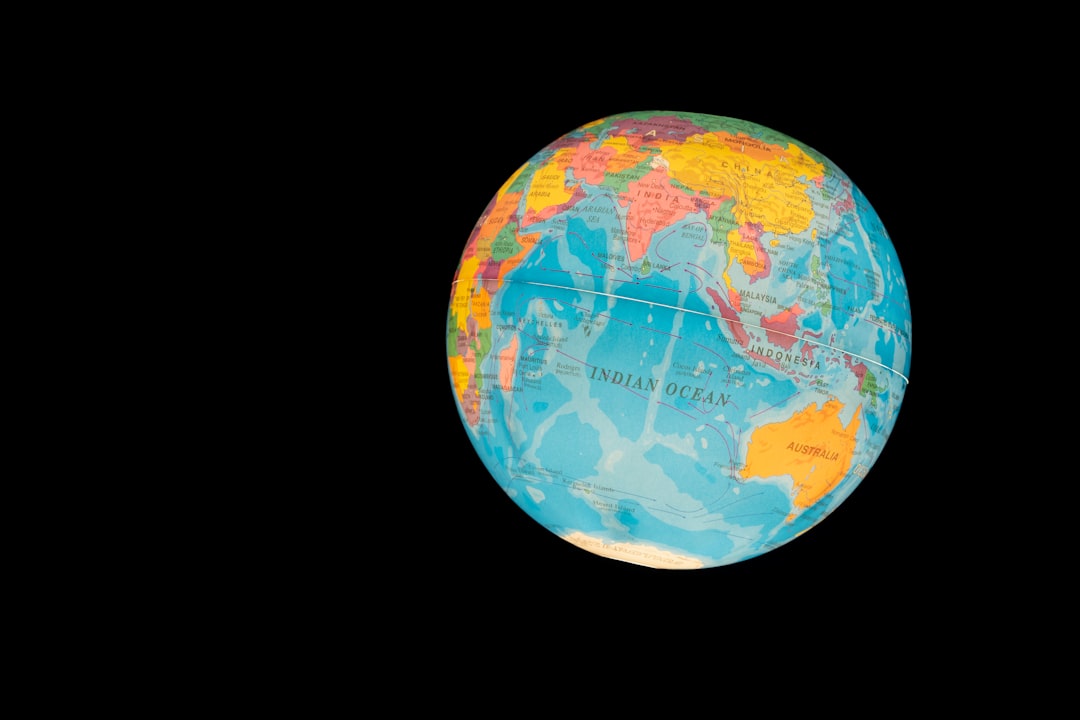
The story of Earth’s climate is a grand narrative, spanning billions of years and marked by dramatic shifts in temperature and atmospheric composition. Far from being a static entity, our planet has undergone continuous, and sometimes violent, transformations, shaping the very conditions that allowed life to emerge and evolve. Understanding this long and complex history is crucial for comprehending the current era of rapid, human-induced climate change. Recent groundbreaking research is reshaping our understanding of Earth’s thermal past, revealing a more nuanced and, in some ways, less extreme history than previously believed. Simultaneously, the present is unfolding at a pace that dwarfs natural fluctuations, presenting a stark contrast to the planet’s ancient rhythms.
For decades, scientists have sought to unravel the thermal secrets of Earth’s distant past, piecing together clues from geological formations, fossil records, and crucially, the chemical signatures preserved in ancient rocks and ice. This ongoing scientific endeavor has yielded remarkable insights, transforming our models of planetary evolution and the history of life itself. The most recent advances have significantly refined our understanding of Earth’s temperature over vast timescales, challenging long-held assumptions and providing a critical benchmark against which to measure present-day changes.
The 485-Million-Year Temperature Record: A New Perspective
A pivotal development in early 2025 was the publication of a landmark study in the journal Science, detailing a reconstructed record of Earth’s surface temperature spanning an astonishing 485 million years. This research, utilizing sophisticated geochemical proxies, painted a picture of Earth’s thermal journey far more intricate than previously imagined. It revealed that while our planet has indeed experienced periods significantly warmer than today, these warm spells were part of natural cycles occurring over millions of years, allowing ecosystems and species ample time to adapt.
The study’s findings directly challenged the long-held, and now largely debunked, theory that Earth’s past, particularly over the last 2 billion years, was characterized by consistently extreme and volatile heat. Instead, the new evidence points towards a surprisingly stable and relatively mild climate for the majority of this immense geological period. This long stretch of relative stability, punctuated by natural warming and cooling cycles, provided the foundation for the diversification and proliferation of life. The absence of rapid, human-driven warming over these vast spans of time highlights the unique nature of our current predicament.
Unearthing the Drivers of Ancient Climate Shifts
The reconstruction of these ancient temperatures was not merely an act of charting degrees Celsius. It involved intricate scientific detective work, deciphering the subtle chemical fingerprints left by past environments.
The Role of Volcanic Activity and Orbital Cycles
In the deeper geological past, colossal volcanic eruptions, on scales far exceeding anything witnessed in human history, were a primary driver of climate change. Massive outpourings of lava and gases could inject vast quantities of greenhouse gases like carbon dioxide into the atmosphere, leading to periods of significant warming. Conversely, volcanic ash and aerosols could also have a temporary cooling effect. Alongside these cataclysmic events, Milankovitch cycles – subtle, long-term variations in Earth’s orbit, axial tilt, and precession – also played a crucial role in modulating climate over tens of thousands to hundreds of thousands of years. These gradual shifts altered the distribution of solar radiation across the globe, influencing the onset and retreat of ice ages.
Ocean Currents and Atmospheric Composition
The circulation of vast ocean currents acted as a global thermostat, distributing heat around the planet. Changes in ocean circulation patterns, often triggered by tectonic shifts or the formation of continents, could lead to profound regional and global climate alterations. Furthermore, the concentration of greenhouse gases in the atmosphere, largely dictated by geological processes like weathering and volcanic outgassing, was a constant factor influencing Earth’s temperature.
The history of Earth’s climate is a complex narrative that reveals significant changes over millions of years, influenced by various natural and anthropogenic factors. A fascinating article that delves into this topic is titled “Uncovering Ancient Climate Collapse Cover-Up,” which explores the evidence of past climate events and their implications for understanding current climate challenges. You can read more about it here: Uncovering Ancient Climate Collapse Cover-Up. This resource provides valuable insights into how ancient civilizations responded to climate shifts, offering lessons that are increasingly relevant in today’s context.
The Epoch of Ice: Glacial and Interglacial Cycles
Earth’s journey through geological time has been punctuated by periods of intense glaciation, known as ice ages, interspersed with warmer intervals called interglacials. This cyclical pattern has dominated the last few million years, and our current era is, in geological terms, an interglacial period. Understanding these cycles is vital for placing current warming into its proper context.
The Last Glacial Maximum and Its Aftermath
The most recent glacial period, often referred to as the Last Glacial Maximum, reached its peak approximately 20,000 years ago. During this time, vast ice sheets covered large swathes of North America, Europe, and Asia, locking up immense volumes of water and leading to significantly lower sea levels. The Earth’s average temperature was several degrees Celsius colder than today. As the planet began to warm, these ice sheets gradually retreated, a process that unfolded over millennia, reshaping landscapes and releasing significant amounts of freshwater into the oceans.
The Holocene: A Relatively Stable Warm Period
The period following the Last Glacial Maximum, known as the Holocene epoch, began around 11,700 years ago. This has been a relatively warm and stable period, marked by less extreme glacial fluctuations compared to earlier epochs. This stability is widely believed to have been conducive to the development of human civilization, agriculture, and complex societies. However, even within the Holocene, there have been natural variations, such as the Medieval Warm Period and the Little Ice Age, though these were localized and less intense than the current global warming trend.
Evidence from Ice Cores: A Frozen Archive
Ice cores, particularly those extracted from Antarctica and Greenland, serve as invaluable archives of past climate conditions. Trapped within the ice are bubbles of ancient atmosphere, providing direct measurements of past greenhouse gas concentrations, including carbon dioxide and methane. These records, some extending back hundreds of thousands of years, offer irrefutable evidence of the natural fluctuations in these critical gases and their correlation with temperature.
CO₂ Levels: A Story of Natural Restraint
A striking revelation from ice core data, covering the last 800,000 years, is the remarkably consistent upper limit of atmospheric carbon dioxide. For the vast majority of this period, CO₂ levels never exceeded 300 parts per million (ppm). This natural restraint underscores the unprecedented nature of current atmospheric CO₂ concentrations, which have surged far beyond this historical threshold in the last two centuries due to human activities.
The Dawn of the Anthropocene: Human Influence Takes Hold
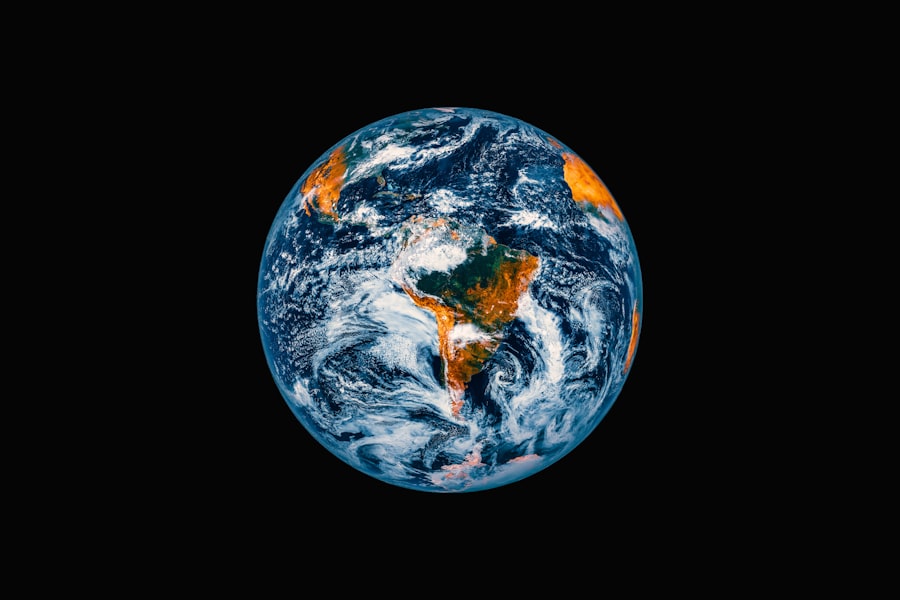
While Earth’s climate has always been in flux, the advent of the Industrial Revolution marked a profound turning point. For the first time in its history, a single species – humanity – began to exert a dominant influence on the planet’s climate system, primarily through the burning of fossil fuels and land-use changes. This new geological epoch, increasingly referred to as the Anthropocene, is characterized by rapid and accelerating human-induced climate change.
The Industrial Revolution and the Embrace of Fossil Fuels
The 18th and 19th centuries witnessed a technological revolution fueled by the discovery and exploitation of vast reserves of coal, and later oil and natural gas. The combustion of these fossil fuels released enormous quantities of greenhouse gases, primarily carbon dioxide, into the atmosphere, initiating a slow but steady build-up that had been absent for millennia. This marked the beginning of a departure from the relatively stable Holocene climate.
Deforestation and Land-Use Change
Beyond fossil fuel combustion, human activities such as widespread deforestation, agriculture, and urbanization have also contributed to climate change. Clearing forests reduces the Earth’s capacity to absorb carbon dioxide through photosynthesis, while changes in land cover can alter surface reflectivity and local weather patterns. These diverse human impacts, often working in concert, have amplified the greenhouse effect.
The Era of Unprecedented Warming: A Modern Climate Crisis
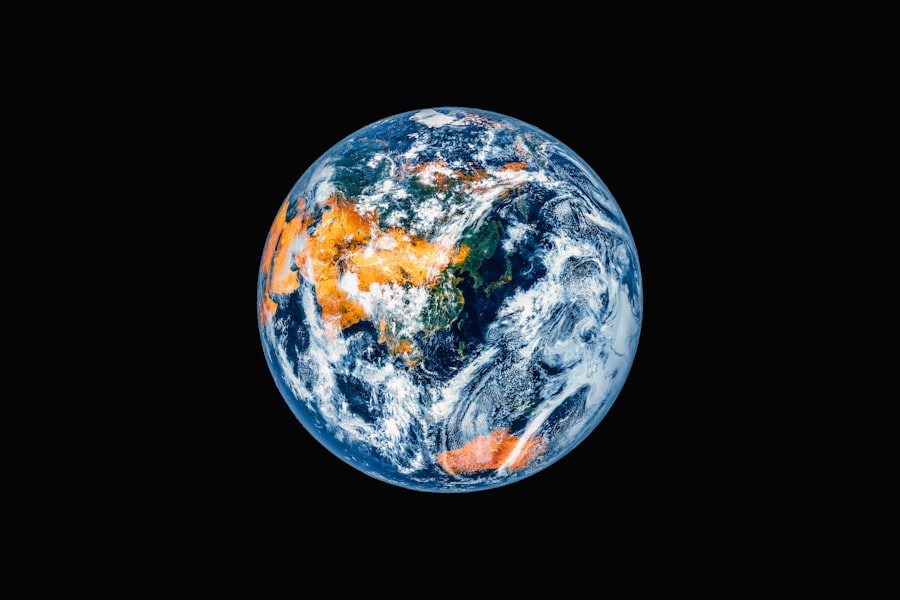
The latter half of the 20th century and the early 21st century have witnessed a dramatic intensification of warming, a trend that is both undeniable and accelerating. The latest scientific data paints a stark picture of a planet undergoing rapid and significant thermal shifts, driven unequivocally by human emissions.
2024: A Year of Record Heat
Confirmatory data from leading scientific bodies, such as NOAA, has unequivocally established 2024 as the hottest year in global temperature records, which officially began in 1850. Global average temperatures in 2024 were a significant 1.29°C above the 20th-century average and reached a staggering 1.46°C above the pre-industrial baseline (typically defined as 1850–1900). This figure is exceptionally close to the critical 1.5°C warming threshold that international agreements aim to avoid.
The Hottest Decade and a Accelerating Trend
The period from 2015 to 2025 has been identified as the hottest continuous 11-year stretch in recorded history. Within this period, 2025 is consistently ranking as either the second or third hottest year on record, indicating a persistent and powerful warming trend. This is not a blip; it is a sustained and intensifying surge in global temperatures. The rate of warming has notably accelerated since 1975, tripling to 0.20°C per decade, compared to a much slower rate of 0.06°C per decade observed since 1850. This dramatic acceleration unequivocally points to human-induced greenhouse gas emissions as the primary driver.
The Return of Interglacial Warmth and Beyond
The current warm period, which has been in effect since the early 1980s, represents the warmest 40-year stretch in at least the last eight centuries. While this brings temperatures closer to those experienced during peak interglacial periods of the distant past, the key difference is the speed at which this warming is occurring. The 1.1°C rise in global average surface temperature observed during the 2011–2020 decade, with the total rise since 1900 nearing 1.29°C, signifies a pace that outstrips the adaptive capacities of many natural systems.
The history of Earth’s climate is a fascinating subject that reveals the intricate relationship between natural processes and human activity. Understanding how climate has changed over millennia can provide valuable insights into current environmental challenges. For a deeper exploration of the implications of climate change on society, you might find this article on government actions during crises particularly relevant. It discusses how shifts in climate can lead to significant political and social responses, highlighting the interconnectedness of environmental and governmental issues. You can read more about it in this article.
The Unprecedented Nature of Anthropogenic Warming
“`html
| Time Period | Climate Condition |
|---|---|
| Archean Eon (4 to 2.5 billion years ago) | Hot and volcanic with little to no oxygen |
| Proterozoic Eon (2.5 billion to 541 million years ago) | Gradual cooling and increase in oxygen levels |
| Paleozoic Era (541 to 252 million years ago) | Varied climate with ice ages and warm periods |
| Mesozoic Era (252 to 66 million years ago) | Warm and tropical with periods of cooling |
| Cenozoic Era (66 million years ago to present) | Varied climate with ice ages and warm periods, leading to current climate |
“`
The stark contrast between past natural climate fluctuations and the current human-driven warming trend cannot be overstated. While Earth has experienced warmth in its deep past, the speed and scale of contemporary change are unlike anything seen in millions of years. This presents a profound challenge for both natural ecosystems and human societies.
A Pace Beyond Adaptation
The 485-million-year temperature record, while showing periods of Earth being warmer, also highlights the gradual nature of those shifts. Species and ecosystems had geological timescales to adapt to those changes. The current rate of warming, however, is occurring at a pace that far exceeds the evolutionary and adaptive capabilities of most life forms. This rapid transition is leading to widespread ecological disruption, including habitat loss, species extinction, and changes in ecosystem functioning.
The CO₂ Disconnect: A Modern Anomaly
The evidence from ice cores, revealing natural CO₂ levels that remained under 300 ppm for 800,000 years, serves as a stark reminder of the anomaly we have created. The current atmospheric CO₂ concentration, now exceeding this historical benchmark significantly, is a direct consequence of industrial-era emissions. This persistent and escalating rise in greenhouse gases is the fundamental driver of the unprecedented warming observed today.
The history of Earth’s climate is a story of immense natural forces and gradual, transformative change. However, the narrative of the last 150 years is fundamentally different. It is a story of human ingenuity unleashed, of rapid technological advancement, and of an unintended consequence that is now defining our planet’s future. Understanding this long and complex history, from the supercontinents of the distant past to the accelerating warmth of the present, is essential for comprehending the urgency of the climate crisis and for charting a course toward a more sustainable future.

The Sahara Won’t Stay a Desert Forever
FAQs
What is the history of Earth’s climate?
The history of Earth’s climate refers to the long-term changes in temperature, precipitation, and other atmospheric conditions that have occurred over millions of years. This includes periods of warming, cooling, and stability, as well as major events such as ice ages and mass extinctions.
How do scientists study the history of Earth’s climate?
Scientists study the history of Earth’s climate through various methods, including analyzing ice cores, sediment layers, tree rings, and fossil records. These sources provide valuable information about past climate conditions and help researchers understand how the climate has changed over time.
What are some major events in the history of Earth’s climate?
Some major events in the history of Earth’s climate include the formation of the Earth’s atmosphere, the development of the first ice ages, and the impact of asteroid collisions. Additionally, the rise and fall of ancient civilizations have been influenced by changes in climate.
How has human activity impacted the history of Earth’s climate?
Human activity, particularly the burning of fossil fuels and deforestation, has significantly impacted the Earth’s climate in recent centuries. This has led to an increase in greenhouse gas emissions, resulting in global warming and other climate-related changes.
What can we learn from the history of Earth’s climate?
Studying the history of Earth’s climate can provide valuable insights into how the planet’s climate system works and how it has responded to natural and human-induced changes. This knowledge can help inform efforts to mitigate the impacts of climate change and adapt to future changes.