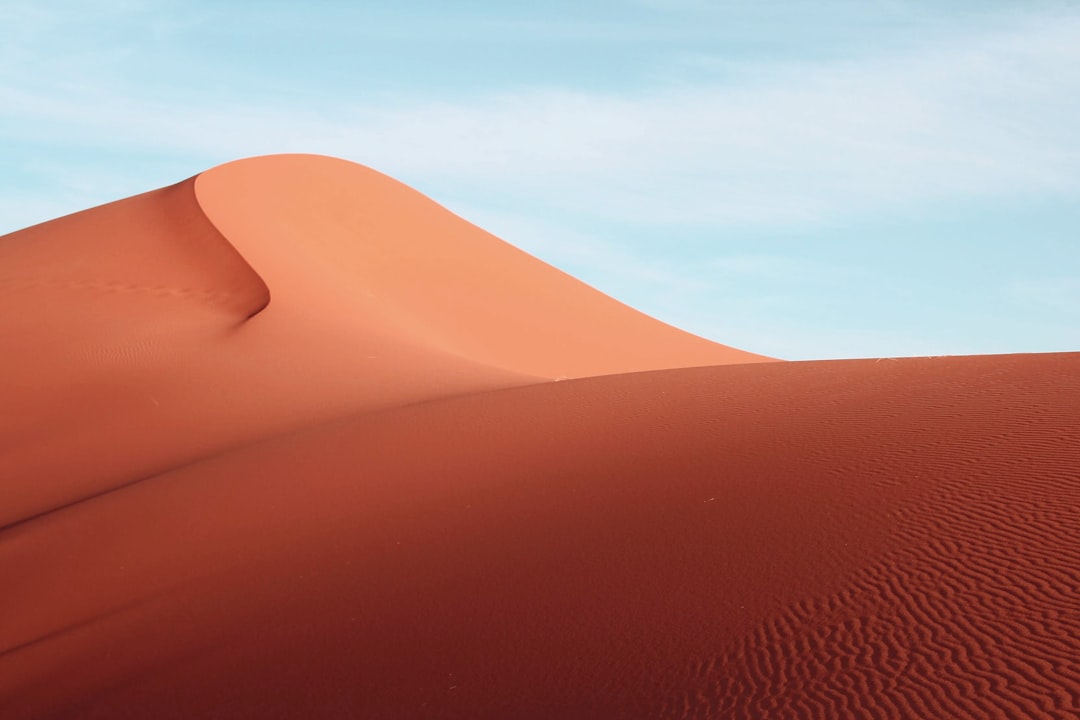
The vast expanse of the Sahara Desert, a moniker synonymous with barrenity and extreme aridity, has long been etched in the global consciousness as an immutable landscape of sand and stone. Yet, recent scientific observations, culminating in data gathered through mid-2026, paint a surprisingly different picture, one where verdant hues are slowly, and somewhat unexpectedly, reasserting themselves across certain swathes of this colossal desert. This emerging greening, driven by a potent cocktail of shifting weather patterns and the undeniable force of climate change, prompts a fundamental question that has long captivated the human imagination: can the Sahara turn green again? The answer, it appears, is not a simple yes or no, but rather a complex tapestry woven with threads of natural cycles, human influence, and the uncertain trajectory of our planet’s climate future.
The most striking revelation from the latest reports is the confirmation of an ongoing, albeit localized, greening within the Sahara. Satellite imagery from 2024 to 2026 has revealed a significant influx of heavy rainfall, a phenomenon that has spurred vegetation growth in areas previously thought to be permanently unsupportive of life. This greening is not a uniform transformation but rather a patchy resurgence, a testament to the intricate and often unpredictable nature of desert ecosystems.
Rainfall Patterns Shift Northward
At the heart of this nascent greening lies a fundamental shift in atmospheric dynamics. The Intertropical Convergence Zone (ITCZ), a global band of low pressure encircling the Earth, where the Northern and Southern Hemisphere trade winds converge, has been observed moving northward. This northward migration indicates a redistribution of moisture, bringing much-needed precipitation to regions that have historically been desiccated. This is not a subtle change; some areas have experienced rainfall amounts that are five to six times their long-term averages, a dramatic departure from the norm and a potent catalyst for vegetation revival.
From El Niño to La Niña: A Climate Seesaw
Further exacerbating these shifts in rainfall is the transition from an El Niño event to a La Niña phase. These phenomena, part of the broader El Niño-Southern Oscillation (ENSO) cycle, have profound impacts on global weather patterns. While El Niño phases often bring drier conditions to parts of Africa, La Niñas tend to be associated with increased rainfall. The current transition, coupled with the long-term trends of climate change, has created a meteorological perfect storm, albeit one that, for some regions, is fostering unexpected life.
Seasonal Lakes and Spreading Vegetation
The visible evidence of this increased precipitation is undeniable. Seasonal lakes, ephemeral water bodies that appear and disappear with the rains, have been forming in areas such as southern Chad, Sudan, and Eritrea. These oases of temporary life provide critical watering holes for both wildlife and local communities. More significantly, the vegetation is not merely surviving; it appears to be actively spreading. Grasses and shrubs are reclaiming ground, creating a mosaic of green against the ochre backdrop of the desert. This ecological rehabilitation, while confined to specific pockets, offers a glimpse into the Sahara’s potential for revival.
Recent studies have sparked interest in the possibility of the Sahara turning green again, as researchers explore the climatic changes that could lead to a resurgence of vegetation in the region. This topic is intricately linked to ancient technologies and their understanding of astronomical phenomena, as discussed in the article on the Antikythera mechanism. For more insights into how ancient civilizations interacted with their environment and the implications for modern climate discussions, you can read the article here: Unlocking the Antikythera Mechanism’s Ancient Functions.
The Double-Edged Sword: Ecological Recovery and Catastrophic Flooding
While the sight of returning vegetation is an inherently positive development, signifying a degree of ecological resilience, it is crucial to acknowledge that this greening is inextricably linked to a less welcome consequence: catastrophic flooding. The very same heavy rainfall that nourishes the land also poses a significant threat to human populations and infrastructure.
Millions Displaced and Impacted
The influx of unprecedented rainfall has led to widespread and devastating flooding across numerous countries. Reports as of mid-2026 indicate that approximately four million people have been impacted by these extreme weather events, affecting communities across fourteen nations. Homes have been destroyed, livelihoods shattered, and displacement has become a grim reality for vast numbers of people. This stark reality underscores the complex and often paradoxical nature of climate change impacts, where a seemingly beneficial phenomenon for one aspect of the environment can be detrimental to others.
The Fragility of Desert Ecosystems
The Sahara, despite its vastness, is a fragile ecosystem. Its inhabitants, both human and animal, have adapted to extreme scarcity. Sudden and intense rainfall, while capable of spurring growth, can also lead to soil erosion and the destruction of delicate habitats. Flash floods can sweep away topsoil, disrupting the nascent stages of vegetation establishment and further exacerbating the challenges of recovery. The balance, once tipped too far in either direction, is difficult to restore.
The Ghost of Jungles Past: Natural Cycles of the Green Sahara
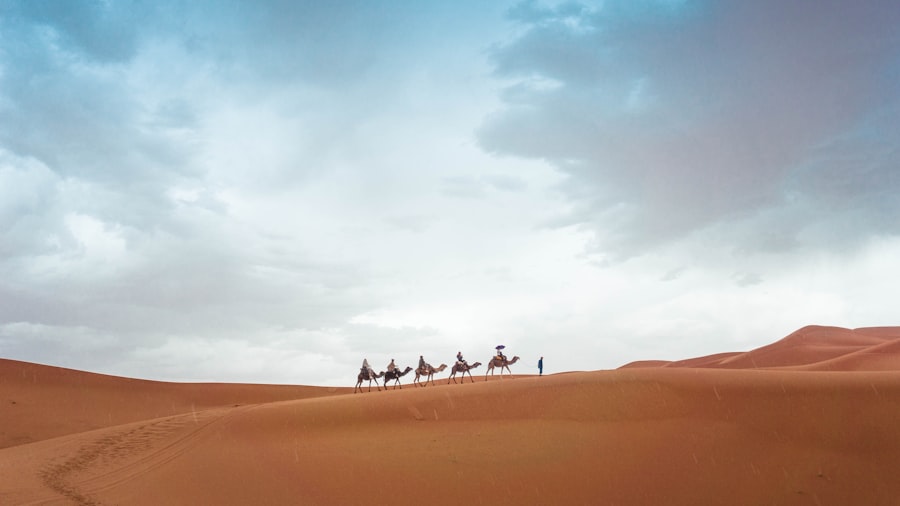
The current greening of the Sahara, while remarkable, is not entirely unprecedented. Paleoclimatological evidence points to a cyclical history of the desert, a time when a significantly wetter Sahara, often referred to as the “Green Sahara” or the African Humid Period, flourished. This period of lush vegetation was not a result of human intervention or even contemporary climate change, but rather a consequence of fundamental shifts in Earth’s orbit.
Earth’s Orbital Dance and Monsoons
These natural cycles are driven by Milankovitch cycles, variations in Earth’s orbital parameters – its eccentricity, axial tilt, and precession. Approximately every 23,000 years, these orbital shifts cause a change in the intensity of solar radiation reaching Earth’s surface. During specific alignments, the African continent receives more direct sunlight during the summer months, which in turn intensifies the monsoon rains, pushing the ITCZ further north and transforming the Sahara into a savanna-like landscape supporting a rich diversity of flora and fauna.
A Distant Horizon for Natural Greening
Based on these orbital cycles, the next natural peak of the “Green Sahara” is projected to occur roughly 10,000 to 12,000 years from now. This means that while the Sahara has a demonstrated capacity for verdant transformation, this natural resurgence is a phenomenon operating on geological timescales, far beyond the immediate concerns of human civilization. The current greening, therefore, is a brief interlude, a deviation from the long-term trend of desertification, rather than the dawn of a sustained return to the Green Sahara of antiquity.
The Human Shadow: Accelerating or Stifling the Bloom?
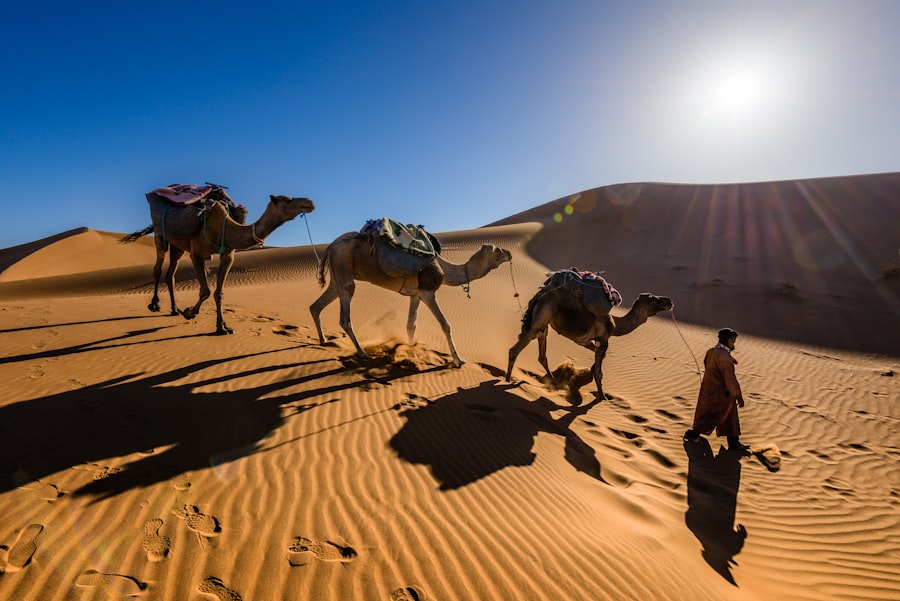
The profound influence of human activities, particularly through greenhouse gas emissions, looms large over the future of the Sahara. Scientists are grappling with the complex question of how anthropogenic climate change will interact with natural cycles, potentially altering the Sahara’s green trajectory in ways that are still poorly understood.
The Unknown Impact of Emissions
The burning of fossil fuels and other industrial activities have led to a significant increase in atmospheric greenhouse gases, trapping heat and altering global weather patterns. The precise impact of these emissions on the Sahara’s long-term fate remains a subject of intense scientific debate. Will the warming planet accelerate the natural cycle, bringing about a greener Sahara sooner than anticipated? Or will the increased temperatures and altered hydrological cycles ultimately exacerbate desertification, pushing the region further into arid conditions?
Partial Greening from Emissions?
Some preliminary studies, however, suggest that greenhouse gas emissions alone could indeed lead to a partial greening effect in certain regions. This phenomenon is attributed to changes in atmospheric circulation and moisture transport patterns that might, counterintuitively, lead to increased rainfall in some arid areas. However, the magnitude and duration of such an effect are likely to be significantly less pronounced than the transformations brought about by natural orbital shifts. The concern remains that the negative impacts of accelerated warming, such as increased evaporation and more frequent extreme heat events, might outweigh any localized increase in precipitation.
Recent studies have sparked interest in the possibility of the Sahara turning green again, as researchers explore the historical climate patterns of the region. This transformation could have profound implications for biodiversity and human habitation. For those intrigued by ancient civilizations and their relationship with the environment, a fascinating article discusses the alignment of the Giza pyramids and its potential connections to climate changes in the region. You can read more about this intriguing topic here.
Ambitious Undertakings: Artificial Interventions and Their Potential
| Metrics | Data |
|---|---|
| Annual rainfall in the Sahara | Less than 100 mm |
| Projected increase in rainfall | 10-15% |
| Impact on vegetation | Potential for greening |
| Factors contributing to greening | Climate change, reforestation efforts |
Beyond the natural and human-induced forces, ambitious technological and ecological interventions have been proposed to expedite the Sahara’s greening. These artificial solutions, some grand in scale, offer tantalizing possibilities, though they remain largely untested and often face significant practical and financial hurdles.
The Grand Vision of Solar and Wind Farms
One particularly striking proposal, emerging from a 2018 study, suggested the installation of massive solar and wind farms across the Sahara. The theory posits that these vast energy infrastructure projects could, through complex atmospheric feedbacks, artificially increase local rainfall and in turn, green the desert landscape. The idea is that the widespread evaporation from vast water bodies created by the infrastructure, coupled with changes in albedo (the reflectivity of the surface), could alter local microclimates, leading to more precipitation. However, this project remains purely theoretical, lacking any on-the-ground implementation or funding. The sheer scale and complexity of such an undertaking, not to mention the potential ecological ramifications, make it a distant prospect.
The Great Green Wall: A Patchwork of Progress
Alongside grand technological visions, a more grounded, yet equally ambitious, initiative is the “Great Green Wall” project. This pan-African initiative aims to combat desertification by planting a mosaic of trees and vegetation across the Sahel region, a transitional zone south of the Sahara. While the primary driver of the current observed greening appears to be the extreme weather shift, some reports suggest that the Great Green Wall may be contributing to the localized greening observed in 2023–2024. By increasing vegetation cover, the project aims to improve soil health, retain moisture, and create microclimates that are more conducive to plant life. However, its overall success has been a complex story, facing challenges related to funding, political will, and implementation across vast and varied landscapes. While it may not be the sole cause, its efforts are likely contributing to the observed ecological improvements in its designated areas.
Conclusion: A Green Mirage or a Dawning Reality?
In conclusion, the question of whether the Sahara can turn green again is met with a nuanced and evolving answer. As of mid-2026, it is undeniably true that parts of the Sahara are already exhibiting signs of renewed life, a testament to the profound and sometimes unexpected impacts of extreme weather driven by climate change. The northward shift of the ITCZ and the transition to a La Niña phase have brought about a significant increase in rainfall, leading to the re-emergence of vegetation and the formation of seasonal lakes. This is not a mirage; it is a tangible, albeit localized, greening.
However, a full and sustained return to the abundant “Green Sahara” of millennia past remains a distant prospect, dictated by the slow dance of Earth’s orbital cycles, with the next natural peak thousands of years away. The role of human-induced climate change in either accelerating or disrupting this natural timeline remains a critical area of ongoing scientific inquiry. While some studies suggest a potential for partial greening due to emissions, the overarching concern is that accelerated warming may ultimately lead to greater desertification.
The ambitious proposals for artificial interventions, such as vast solar and wind farms, offer speculative pathways, while initiatives like the Great Green Wall represent more tangible, though still challenging, efforts to combat desertification. Therefore, while pockets of the Sahara are indeed turning green again due to extreme weather phenomena, the ultimate fate of this iconic desert – whether destined for a sustained verdant revival, continued aridification, or a future shaped by unprecedented human intervention – remains a complex and unfolding narrative, intimately tied to the trajectory of our planet’s climate.

The Sahara Won’t Stay a Desert Forever
FAQs
1. What is the current state of the Sahara desert?
The Sahara desert is currently a vast, arid region covering much of North Africa, characterized by its extremely dry climate and limited vegetation.
2. What factors could contribute to the Sahara turning green again?
There are several factors that could potentially contribute to the greening of the Sahara, including climate change, shifts in atmospheric circulation patterns, and human intervention such as reforestation and sustainable land management practices.
3. Has the Sahara experienced periods of greening in the past?
Yes, scientific evidence suggests that the Sahara has experienced periods of greening in the past, such as during the African Humid Period approximately 5,000 to 11,000 years ago, when the region was much more lush and supported a diverse range of flora and fauna.
4. What are the potential benefits and challenges of the Sahara turning green again?
The potential benefits of the Sahara turning green include increased biodiversity, improved soil fertility, and the potential for sustainable agriculture and economic development. However, challenges could include managing water resources, potential conflicts over land use, and the need for careful environmental stewardship to prevent degradation.
5. What are some current initiatives aimed at greening the Sahara?
There are various initiatives and projects aimed at greening the Sahara, including the Great Green Wall project, which seeks to create a barrier of trees and vegetation across the Sahel region to combat desertification and promote sustainable land use. Additionally, efforts to promote sustainable agriculture, reforestation, and water management are also being pursued to help restore and protect the region’s ecosystems.