
For millennia, the Sahara Desert has evoked images of an unforgiving expanse of sand, a vast, arid realm where life clings precariously to survival. Yet, beneath the surface of this iconic desert lies a far more complex and dynamic history, one punctuated by epochs of verdant abundance. The Sahara, it turns out, was not always a desolate wasteland. It was, for extended periods, a flourishing ecosystem, a testament to the Earth’s remarkable capacity for change.
The understanding of the Sahara’s transformative past has burgeoned in recent decades, shifting from speculative theories to robust scientific consensus. Through the meticulous analysis of geological records, fossil evidence, and now, cutting-edge genomic studies, a picture is emerging of a very different North Africa. This is not merely a romantic notion; it is a scientifically validated narrative of a once-lush biome.
Tracing the Ancient Footprints: Paleoclimatic Evidence
The primary driver of these dramatic environmental shifts lies in the Earth’s orbital cycles.
Orbital Precession: The Cosmic Pendulum
New research has pinpointed Earth’s orbital precession as the principal natural force behind the Sahara’s cyclical greening events over the vast expanse of the past 8 million years. This millennia-old rhythm, occurring roughly every 21,000 years, dictates the intensity and duration of the African Humid Period. As the Earth’s axis wobbles and its orbit elongates and shortens, variations in the amount of solar radiation reaching different parts of the planet occur. During these periods of increased solar intensity in the Northern Hemisphere’s summer, atmospheric circulation patterns shift, allowing moisture-laden air from the Atlantic Ocean to penetrate deeper into the continent. This influx of precipitation is the catalyst for the Sahara’s transformation.
The African Humid Period: A Flourishing Epoch
Between approximately 11,000 and 5,000 years ago, the Sahara experienced one of its most significant and prolonged “Green Sahara” phases. This period, integral to the African Humid Period, witnessed a profound transformation of the landscape. Multiple studies, including those published in esteemed journals like Nature and Frontiers in Earth Science, have corroborated this period of exceptional rainfall. This wasn’t a subtle shift; it was a fundamental alteration of the regional climate. Rivers, now reduced to dry wadis, flowed robustly. Lakes, long vanished, teemed with life. The iconic arid acacia trees gave way to more expansive savannah grasslands and even woodlands. This was a biome capable of supporting a diverse array of wildlife, including large mammals like hippopotamuses, which require significant water sources.
Echoes in the Sediment: Geological Signatures
The landscape itself bears the indelible marks of this verdant past. Sedimentary layers in ancient lakebeds and river valleys provide a historical archive of environmental conditions.
Deposition of Sediments: A Story of Water
The presence of fine-grained silts and clays, interbedded with organic matter, within these ancient geological formations is a clear indicator of watery environments. In arid regions, sediment deposition is largely driven by wind, resulting in coarser materials like sand. However, the finer sediments found in many Saharan basins are characteristic of deposition in calmer, water-dominated environments, such as the bottoms of lakes and slow-moving rivers. These layers preserve not only physical evidence of water but also the chemical signatures of the water itself, offering clues about its salinity and the types of minerals it carried.
Fossilized Remains: Witnesses to Abundance
The discovery of fossilized flora and fauna further solidifies the narrative of a verdant Sahara. Pollen grains preserved in ancient sediments point to the widespread presence of savanna grasses and trees. The skeletal remains of animals that require substantial water resources, such as fish and amphibians, are found in areas that are now bone-dry. The most compelling evidence comes from the discovery of large mammal fossils, including those of hippopotamuses and elephants, animals that could not possibly survive in the hyper-arid conditions of the modern Sahara. These fossils are not isolated finds but are distributed across a wide geographical area, painting a consistent picture of a once-thriving ecosystem.
The Sahara Desert, known for its vast stretches of sand and arid climate, was once a lush forest teeming with life, a fact that highlights the dynamic nature of Earth’s ecosystems over millennia. For a deeper understanding of how environmental changes can influence global dynamics, you may find the article on preventing the space arms race and the importance of international cooperation insightful. It discusses how shifts in one domain can have far-reaching implications, much like the transformation of the Sahara. You can read the article here: Preventing Space Arms Race: International Cooperation.
Life in the Green Sahara: Human Habitation and Adaptation
The transformation of the Sahara from arid desert to fertile savannah had a profound impact on human populations. It presented opportunities for settlement, agriculture, and the development of complex societies. The archaeological record, combined with recent genetic discoveries, illuminates the vibrant human presence during this green epoch.
Thriving Communities: Hunter-Gatherers to Early Farmers
The period of the Green Sahara was not characterized by sparsely populated nomadic groups, but by settled communities and the emergence of early agricultural practices.
Settlements and Sedentarization
The availability of water sources and the abundance of game likely encouraged human groups to settle in more permanent locations. Archaeological sites reveal evidence of settlements, including the remains of dwellings, hearths, and refuse middens, indicating a relatively sedentary lifestyle. These communities were not solely reliant on hunting and gathering; they also began to cultivate crops.
The Dawn of Agriculture
Evidence of early plant domestication, including the cultivation of grains like sorghum and millet, has been found in Saharan archaeological sites. This transition to agriculture allowed for greater food security and population growth. The development of farming techniques, adapted to the specific climate and soil conditions of the Green Sahara, was a crucial step in the development of early human civilization in the region.
Genetic Clues: An Isolated and Resilient Lineage
Recent scientific breakthroughs have provided an unprecedented glimpse into the genetic makeup of the people who inhabited the Sahara during its verdant past.
The 2025 Genomic Revelation: A Unique African Ancestry
In 2025, researchers published groundbreaking ancient DNA analysis from 7,000-year-old mummified individuals discovered in Libya. This study revealed a unique, isolated human lineage that thrived during the “Green Sahara” period. This discovery is significant because it sheds light on a distinct ancestral component within Africa that was previously poorly understood. The genetic patterns suggest these individuals were well-adapted to their environment and likely had limited admixture with populations from outside the Sahara during that time. This genomic data helps to fill critical gaps in our understanding of human migration patterns and the genetic diversity of ancient African populations.
Tracing Ancestral Threads: Population Movements and Isolations
The genetic distinctiveness of these ancient Saharan populations suggests periods of isolation, likely dictated by the cyclical nature of the Green Sahara. As the climate shifted and the desert expanded, these populations would have been restricted to more favorable, wetter areas, leading to genetic divergence. Conversely, during periods of significant greening, these isolated groups may have interacted and intermingled, spreading their genetic material. Understanding these patterns is crucial for reconstructing the complex tapestry of human history in Africa.
The Sahara’s Dance with Climate: Cycles of Greening and Drying

The story of the Sahara is not a static one; it is a dynamic narrative of constant climatic flux. The cycles of greening, driven by natural forces, have been punctuated by periods of intense aridity, shaping the landscape and influencing the course of life within it.
Recent studies have revealed that the Sahara was once a lush forest, teeming with life, which contrasts sharply with its current arid landscape. This transformation has sparked interest in understanding how ancient civilizations adapted to such drastic environmental changes. For those curious about how communities thrived in challenging conditions, an insightful article on surviving drought and life in ancient cities can be found here. Exploring these historical adaptations provides a fascinating perspective on the resilience of human societies in the face of climate change.
The Natural Rhythms of Aridity and Abundance
The transition between a green Sahara and an arid desert is not a sudden collapse but a gradual recalibration of the planet’s climate systems.
The End of the African Humid Period: A Slow Fade
The last major Green Sahara phase gradually receded between 5,000 and 4,000 years ago. This was not a catastrophic event but a slow drying out of the landscape. As the orbital precession shifted and solar insolation decreased in the Northern Hemisphere during summer, the atmospheric mechanisms that brought moisture to the Sahara weakened. Rivers dwindled, lakes evaporated, and the savanna gradually gave way to the iconic desert we know today. This gradual transition allowed surviving flora and fauna, as well as human populations, time to adapt or migrate.
The Persistence of Arid Ecosystems: Life in the Present Day
Even during the Green Sahara periods, arid and semi-arid zones would have persisted at the fringes. These areas would have been more resilient to drying trends and would have served as refuges. The ability of certain desert-adapted species to survive periods of extreme aridity is also a testament to the evolutionary pressures at play. The modern Sahara, while vastly different from its green past, still harbors life, though it is characterized by a remarkable resilience and specialization.
Modern Greening: A Shadow of the Past?
The remarkable events of late 2024 and early 2025 have ignited renewed interest in the Sahara’s potential to transform. These extreme rainfall events, while localized, offer a tantalizing glimpse of past transformations.
2024–2025 Extreme Rainfall: A Fleeting Bloom
The unprecedented days of rain that drenched parts of Morocco, Algeria, Tunisia, and Libya in late 2024 and early 2025 were a striking example of the Sahara’s sensitivity to significant precipitation. Dormant lakes, dry riverbeds, and vast swathes of desert vegetation sprung to life, creating vivid green landscapes where only sand and rock had been visible. These events, while extraordinary in their extremity, serve as a potent reminder that the Sahara’s arid state is not a permanent condition. They offer a visually compelling, albeit temporary, echo of its lush past, demonstrating the latent capacity for life within its seemingly barren expanse.
The West African Monsoon: An Accelerating Force?
Scientists are increasingly concerned about the potential impact of accelerating climate change on the West African monsoon. There is a growing hypothesis that current global warming trends might be strengthening this crucial weather system. This strengthening could, in turn, trigger a greening of the Sahara “millennia ahead of schedule.” While this might seem like a positive development, the ecological consequences of such a rapid transformation are uncertain and could be disruptive. A rapid shift from arid to more humid conditions could overwhelm existing ecosystems, favor invasive species, and alter delicate ecological balances in ways that are difficult to predict.
The Sahara’s Future: Uncertainty in a Changing Climate
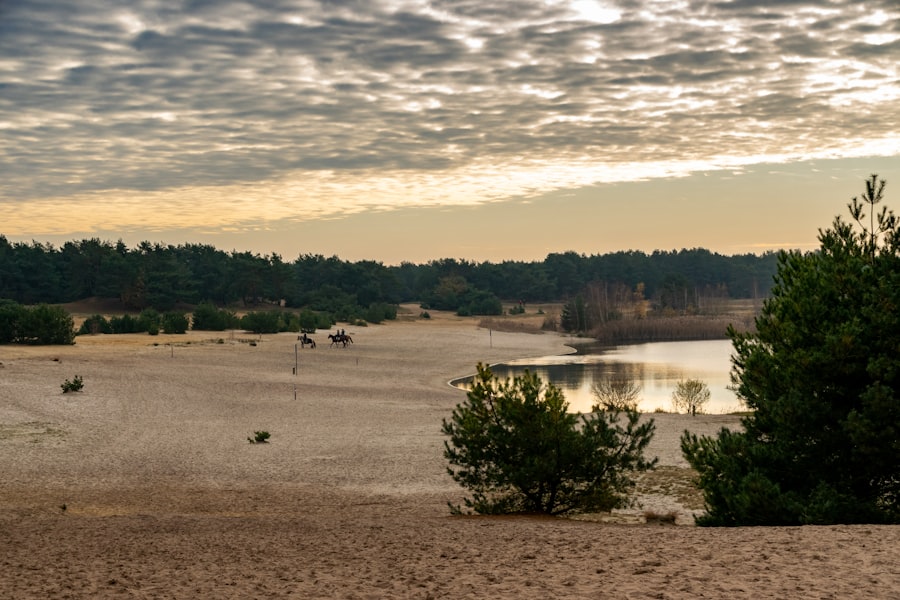
The Sahara’s history of dramatic climatic swings, coupled with the accelerating pace of modern climate change, creates a complex and uncertain future for this vast desert. The potential for future greening events, while fascinating, is fraught with potential ecological challenges.
Predicting the Unpredictable: The Role of Global Warming
The interplay between orbital cycles and anthropogenic climate change is a critical area of scientific inquiry.
Climate Feedback Loops: Amplifying Change
The relationship between the Sahara and the global climate system is intricate. Changes in the Sahara – whether natural drying or potential human-induced greening – can, in turn, influence global weather patterns. Understanding these feedback loops is crucial for accurate climate modeling and prediction. The potential for accelerated greening due to a strengthened West African monsoon highlights the complex and often unpredictable nature of climate change.
Ecological Consequences: A Rapid Transformation
A rapid greening of the Sahara, accelerated by anthropogenic climate change, could have profound and potentially detrimental ecological consequences. The current desert ecosystem, adapted to extreme aridity, could be ill-equipped to handle swift shifts to wetter conditions. This could lead to the displacement of native species, the proliferation of invasive plants, and disruptions to the delicate balance of the desert environment. The question remains whether the existing flora and fauna could adapt quickly enough to such a dramatic transformation, or if the Sahara will once again become a blank slate for new life to colonize at an unprecedented pace.
The Interplay of Natural and Anthropogenic Forces
The Sahara’s past greening events were primarily driven by natural astronomical cycles. However, the potential for future greening is increasingly intertwined with human influence on the global climate.
Reconciling Cycles and Human Impact
Scientists are working to disentangle the relative contributions of natural orbital shifts and anthropogenic climate change to the modern and future state of the Sahara. While orbital precession will continue to drive long-term cycles, the current accelerated warming may supercharge or even preempt these natural transitions. The 2024-2025 rainfall events, while likely a coincidence of natural weather patterns amplified by existing climate conditions, serve as a stark reminder of the potential for rapid shifts.
A Renewed Call for Research and Monitoring
The dynamic nature of the Sahara, underscored by its historical transformations and recent climatic anomalies, necessitates a renewed focus on scientific research and environmental monitoring. Understanding the intricate mechanisms that govern its climate, predicting future changes with greater accuracy, and preparing for the potential ecological and societal impacts of a transforming Sahara are paramount. The Sahara’s story is far from over; it is a continuing narrative of change, adaptation, and the profound power of Earth’s climate systems. The desert, once lush, may yet surprise us in ways we are only beginning to comprehend.

The Sahara Won’t Stay a Desert Forever
FAQs
What evidence suggests that the Sahara was once a forest?
There is evidence from geological and fossil records that suggest the Sahara desert was once a lush and green region with a diverse ecosystem. Fossilized remains of plants and animals, as well as ancient rock art depicting a more verdant landscape, support this theory.
When did the Sahara transform from a forest to a desert?
The transformation of the Sahara from a forested region to a desert is believed to have occurred around 5,000 to 6,000 years ago. This shift in climate and landscape is thought to have been influenced by changes in the Earth’s orbit and tilt, as well as natural climate variability.
What caused the Sahara to become a desert?
The shift from a forested Sahara to a desert was likely driven by a combination of natural climate variability and changes in the Earth’s orbit and tilt. These factors led to a decrease in rainfall and an increase in aridity, ultimately transforming the region into the desert we see today.
What impact did the Sahara’s transformation have on the environment and human populations?
The transformation of the Sahara had significant impacts on both the environment and human populations. The loss of vegetation and water sources would have forced many plants and animals to migrate or adapt to the changing conditions. Human populations in the region would have also been affected, potentially leading to migrations and changes in settlement patterns.
Could the Sahara become a forest again in the future?
While it is difficult to predict future climate changes with certainty, some scientists believe that the Sahara could potentially become a more hospitable environment in the distant future. However, this would likely require significant shifts in global climate patterns and would not occur in the near term.