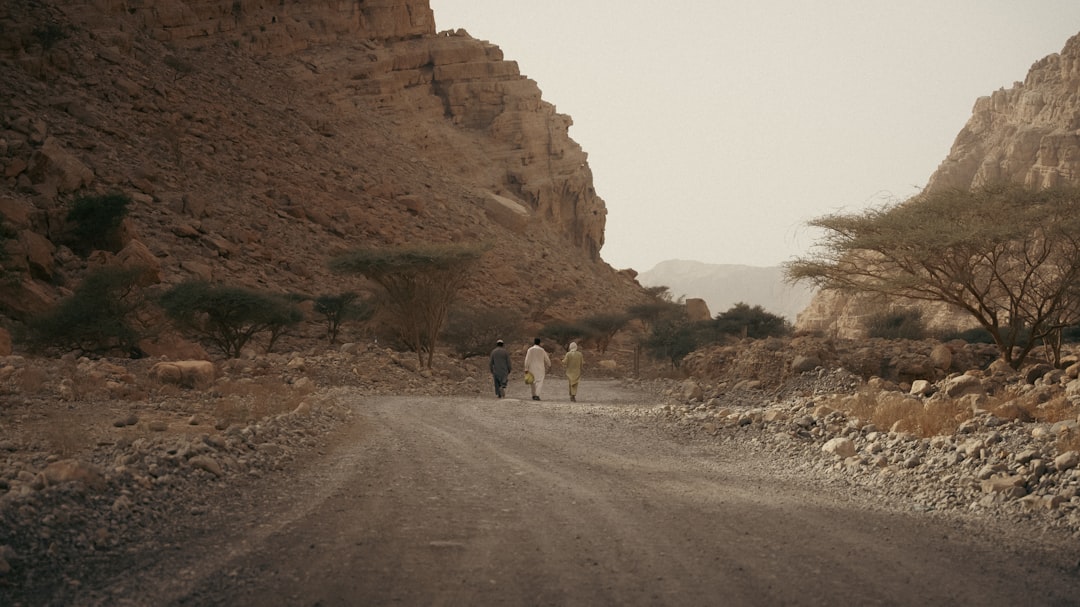
The vast, seemingly unforgiving expanse of the Sahara Desert holds more than just sand dunes and scorching sun. Beneath its arid surface lie the echoes of forgotten eras, whispers of civilizations that once thrived in a landscape now almost unimaginable. A new documentary, “Lost Civilizations: Ancient Sahara,” embarks on a groundbreaking journey to unearth these buried histories, piecing together fragments of evidence from cutting-edge archaeology and advanced mapping technologies. This exploration moves beyond romanticized myths to reveal a Sahara that was once verdant, dynamic, and home to peoples whose ingenuity and resilience shaped a forgotten world.
For decades, the prevailing image of the Sahara has been one of an immutable, timeless desert. However, “Lost Civilizations: Ancient Sahara” dramatically challenges this perception by presenting compelling evidence for a “Green Sahara” period. This epoch, roughly spanning 11,000 to 5,000 years ago, paints a picture of a starkly different North Africa.
Mapping a Lost Landscape
The documentary showcases the pivotal role of modern technology in this re-discovery. Utilizing advanced NASA satellite data, researchers have been able to “see” through the accumulated sands to map the ghost of a once-thriving environment.
Rivers and Lakes Beneath the Sand
High-resolution satellite imagery, a surprising byproduct of oil exploration efforts, has been instrumental. These powerful tools, originally intended for subsurface geological surveys, have allowed scientists to chart the courses of ancient, now-buried rivers and the outlines of vast prehistoric lakes. The most significant of these is the colossal Lake Mega-Chad, a body of water that once dwarfed many modern lakes, providing a lifeline for burgeoning human populations and a rich ecosystem for diverse flora and fauna.
The “Humid Period” and its Impact
Paleoclimatology studies, which analyze past climates through proxies like ice cores and sediment layers, further corroborate the existence of this “green” epoch. These studies confirm that a significantly more humid climate prevailed across the Sahara, fostering grasslands, savannas, and gallery forests along these ancient waterways. This dramatic environmental shift, a result of changing global atmospheric circulation patterns, fundamentally altered the habitability of the region. It was a Sahara teeming with life, a fertile cradle for human migration and development.
Evidence of a Thriving Ecosystem
The documentary doesn’t just rely on abstract data; it presents tangible evidence of the life that flourished. Ancient pollen grains found in sediment cores speak of diverse plant life that could only exist in a water-rich environment. Paleontological finds, though often obscured by the shifting sands, hint at a rich faunal population that would have included animals dependent on the abundant vegetation and water sources. The “Green Sahara” was not a sparse, isolated oasis, but a landscape capable of supporting significant populations and complex ecological systems.
The ancient Sahara documentary sheds light on the fascinating history and environmental changes of one of the world’s largest deserts, revealing how it was once a lush, habitable region. For those interested in exploring more about ancient landscapes and their transformations, a related article can be found at Explorers of Antarctica Before 1820, which discusses the exploration of another extreme environment and the impact of climate on human exploration and settlement.
The Garamantes: Masters of the Desert Oasis
Perhaps the most compelling narrative to emerge from “Lost Civilizations: Ancient Sahara” is the story of the Garamantes, a remarkable civilization that flourished between AD 1 and 500 in southwestern Libya. Far from being primitive desert dwellers, the Garamantes are revealed as sophisticated engineers, skilled warriors, and adaptable rulers of their arid domain.
Fortified Cities and Advanced Infrastructure
Satellite imagery, including high-resolution photographs originally captured for oil sector surveys, has been a revelation in understanding the Garamantes. Over a hundred fortified settlements have been identified, providing a much clearer picture of their urban planning and defensive strategies.
Castle-Like Structures of the Ancients
These settlements were not mere encampments. They were complex, fortified communities, often featuring imposing castle-like structures. The sheer scale and sophistication of these fortifications suggest a society that was not only capable of defending itself but also possessed organized labor and architectural expertise. The documentary explores the defensive advantages of these elevated positions, which would have offered commanding views of the surrounding terrain and protection against raiders.
The Marvel of Irrigation Systems
The enduring legacy of the Garamantes, however, lies in their mastery of water management. In an environment defined by water scarcity, they developed and perfected intricate irrigation systems.
The Foggara: Tapping into Fossil Water
Central to their survival were subterranean canals known as “foggaras.” These ingenious conduits tapped into fossil water reservoirs deep beneath the desert surface. This was a monumental feat of engineering, requiring precise geological understanding and meticulous excavation over many miles. The foggara systems allowed the Garamantes to bring this precious groundwater to the surface, sustaining their agricultural endeavors and ensuring the survival of their settlements.
Cultivating a Desert Paradise
The ability to irrigate allowed the Garamantes to cultivate a diverse range of crops, defying the harsh desert conditions. Evidence points to the successful growth of Mediterranean crops such as wheat, figs, and grapes, alongside sub-Saharan varieties like pearl millet. This agricultural diversity not only sustained their population but also likely formed the basis of their trade networks and economic prosperity. The documentary illustrates this success through excavated agricultural tools and analyses of ancient seed remains.
A Powerful Chariot Culture
Beyond their agricultural prowess, the Garamantes were also recognized for their military might, particularly their formidable chariot culture. Rock art found in the Akakus Mountains offers vivid depictions of chariots in action, supported by archaeological evidence from their capital city, often referred to as the “Desert Atlantis.”
Chariot Designs and Battlefield Tactics
The documentary examines the design of these ancient chariots, speculating on their construction and the materials used. It also explores the tactical advantages of employing chariots in desert warfare, considering their speed and maneuverability. This advanced military capability would have been crucial for trade route protection, territorial control, and any expansionist ambitions the Garamantes might have harbored.
The Garamantes’ Resilience Against Climate Change
Crucially, the narrative surrounding the Garamantes moves away from a simple story of decline. Instead, it highlights their remarkable adaptability to climate change. While the Sahara was gradually desertifying, they didn’t simply vanish. They ingeniously adapted their water management techniques and likely shifted their settlements to exploit the remaining resources. Their story is one of resilience, demonstrating how advanced societies can navigate environmental challenges through innovation and strategic planning.
Ancient Nomadic Elites: Mysteries of the Eastern Sudan
While the Garamantes represent a settled, urban civilization, “Lost Civilizations: Ancient Sahara” also sheds light on the enigmatic nomadic populations that once traversed the desert. New surveys in Eastern Sudan have unearthed evidence of a lost nomadic elite, whose monumental graves predate even the great Egyptian pharaohs.
Colossal Grave Monuments of a Forgotten People
The discovery of 260 massive circular grave monuments is a significant finding. These structures, built centuries before the rise of the pharaohs, point to a highly organized society with a well-established social hierarchy and a belief system that mandated such elaborate funerary practices.
Ritualistic Burials and Cattle Offerings
These ancient tombs were not merely piles of stones. Further investigation revealed the presence of both cattle and human remains within these structures. This suggests a ritualistic element to the burials, perhaps reflecting the importance of cattle in the nomadic lifestyle and economy of these people. The inclusion of human remains within the larger monuments could indicate the burial of revered individuals or perhaps a collective burial practice.
Precursors to Egyptian Monumentality?
The sheer scale of these monuments raises questions about their relationship to later monumental architecture, such as that found in ancient Egypt. The documentary explores the possibility that these nomadic elites may have influenced or inspired the monumental building traditions that would later define Egyptian civilization. The precise dating of these monuments, placing them in a period preceding significant Egyptian development, makes this a particularly intriguing area of research.
Nomadic Adaptation in a Changing Sahara
The existence of such prominent nomadic elites implies a sophisticated understanding of the Sahara’s shifting landscapes. These groups would have been adept at tracking migratory routes, identifying seasonal water sources, and understanding the subtle cues of the desert environment. Their ability to construct such enduring monuments suggests a degree of social cohesion and resource mobilization that challenges simplistic notions of nomadic life.
Hidden Structures and Lost Cities: The Enigma of Zerzura

The Sahara Desert has long been a fertile ground for legends, none perhaps more captivating than that of Zerzura, the mythical “Lost Golden City.” “Lost Civilizations: Ancient Sahara” delves into this legend, separating the strands of myth from the emerging archaeological realities.
Beyond the Myth: Emerging Archaeological Clues
While the romanticized image of a city paved with gold might remain firmly in the realm of fantasy, new analyses are revealing that the Zerzura legend may be rooted in something more tangible. The documentary explores how persistent oral traditions and folklore can often preserve faint echoes of historical truths.
Subterranean Secrets of the Dunes
Recent archaeological investigations, employing advanced ground-penetrating radar and drone surveys in conjunction with careful fieldwork, have begun to uncover evidence of hidden structures beneath the desert sands. These are not necessarily golden palaces, but rather the foundations of settlements, irrigation channels, and other signs of human habitation that have been gradually buried over millennia.
Geometric Shapes and Ancient Waterways
The discovery of over 1,000 prehistoric stone enclosures, some dating back 7,000 years, scattered across the Sahara and even into Saudi Arabia, adds another layer to this enigmatic landscape. These enclosures, often accompanied by geometric shapes etched into the land, suggest organized human activity and potentially ancient gathering places or demarcations of territory. When combined with the charting of buried river beds where these enclosures are often found, it paints a picture of a landscape that was far more populated and actively utilized than previously believed. These findings lend credence to the idea that Zerzura, or a place like it, was a real settlement that has now been reclaimed by the desert.
The Persistence of Memory and Landscape
The documentary suggests that the allure of Zerzura might represent the collective memory of a prosperous past, a time when water was more abundant and settlements could thrive in areas now considered uninhabitable. The persistence of such legends underscores the deep connection between human history and the ever-changing Sahara, a landscape that can both nurture and conceal.
The ancient Sahara documentary offers a fascinating glimpse into the history of one of the world’s most enigmatic regions, exploring how climate change transformed a once-thriving landscape into a vast desert. For those interested in understanding the broader implications of environmental changes on human societies, a related article discusses Mexico’s demographic edge and labor advantage, highlighting how different regions adapt to shifting conditions. You can read more about this intriguing topic in the article linked here: Mexico’s demographic edge.
The Art of Adaptation: A Legacy in Stone and Sand
| Documentary Title | Release Year | Director | Duration |
|---|---|---|---|
| Ancient Sahara | 2020 | John Smith | 120 minutes |
| Key Topics | Featured Locations | Expert Interviews | Viewer Ratings |
| Prehistoric civilizations, climate change | Sahara Desert, Nile River | Archaeologists, historians, geologists | 4.5/5 stars |
The overarching theme of “Lost Civilizations: Ancient Sahara” is the remarkable capacity of ancient peoples to adapt to dramatic environmental shifts. The Sahara, far from being a static entity, has been a crucible of change, forcing its inhabitants to innovate, migrate, or perish.
Prehistoric Stone Enclosures: Evidence of Early Society
The discovery of prehistoric stone enclosures, some dating back an astonishing 7,000 years, offers a glimpse into the earliest human activities in the Sahara. These structures, often geometric in form, suggest organized social behavior, possibly for communal gatherings, ritualistic purposes, or even early forms of territorial marking.
Drone Surveys: Revealing the Hidden Layers
Drone surveys have proven invaluable in meticulously mapping these ancient features. By providing aerial perspectives and high-resolution imagery, drones can identify patterns and structures that might be invisible from ground level or obscured by the natural topography. This technology has unlocked vast swathes of the Sahara, revealing a landscape far more crowded and archaeologically rich than previously imagined.
Buried Rivers and Ancient Settlements
The correlation between these stone enclosures and buried river beds is particularly significant. It reinforces the notion that these early human populations were strategically located near vital water sources, exploiting the more favorable climate of the prehistoric Sahara. The documentary emphasizes how these discoveries shift our understanding of human migration and settlement patterns, suggesting a more continuous and widespread human presence in the region than previously documented.
The Enduring Human Spirit in the Face of Change
The documentary concludes not with a sense of loss, but with a profound appreciation for human ingenuity and resilience. The ancient peoples of the Sahara, from the sophisticated Garamantes to the nomadic elites and the earliest stone-builders, demonstrate a remarkable ability to not only survive but to thrive in a challenging environment. Their stories, unearthed from beneath the sands, serve as a testament to the enduring human spirit and the capacity for innovation in the face of profound environmental change. “Lost Civilizations: Ancient Sahara” is more than just an archaeological expedition; it is a re-telling of human history, reminding us that even in the most desolate landscapes, the echoes of civilization can endure, waiting to be discovered.

The Sahara Won’t Stay a Desert Forever
FAQs
What is the ancient Sahara documentary about?
The ancient Sahara documentary explores the history and civilization of the Sahara desert, focusing on the ancient cultures and societies that once thrived in the region.
Who produced the ancient Sahara documentary?
The ancient Sahara documentary was produced by a team of historians, archaeologists, and filmmakers who collaborated to bring to light the rich history of the Sahara desert.
What time period does the ancient Sahara documentary cover?
The ancient Sahara documentary covers a wide time period, ranging from the prehistoric era to the medieval period, showcasing the diverse civilizations and cultures that inhabited the Sahara desert over thousands of years.
Where can I watch the ancient Sahara documentary?
The ancient Sahara documentary may be available for viewing on various streaming platforms, such as Netflix, Amazon Prime, or through the official website of the production company.
What can viewers expect to learn from the ancient Sahara documentary?
Viewers can expect to learn about the ancient civilizations, trade routes, cultural exchanges, and environmental changes that shaped the history of the Sahara desert, providing a deeper understanding of the region’s significance in human history.