Gobero: Uncovering the Ancient Humans of the Sahara
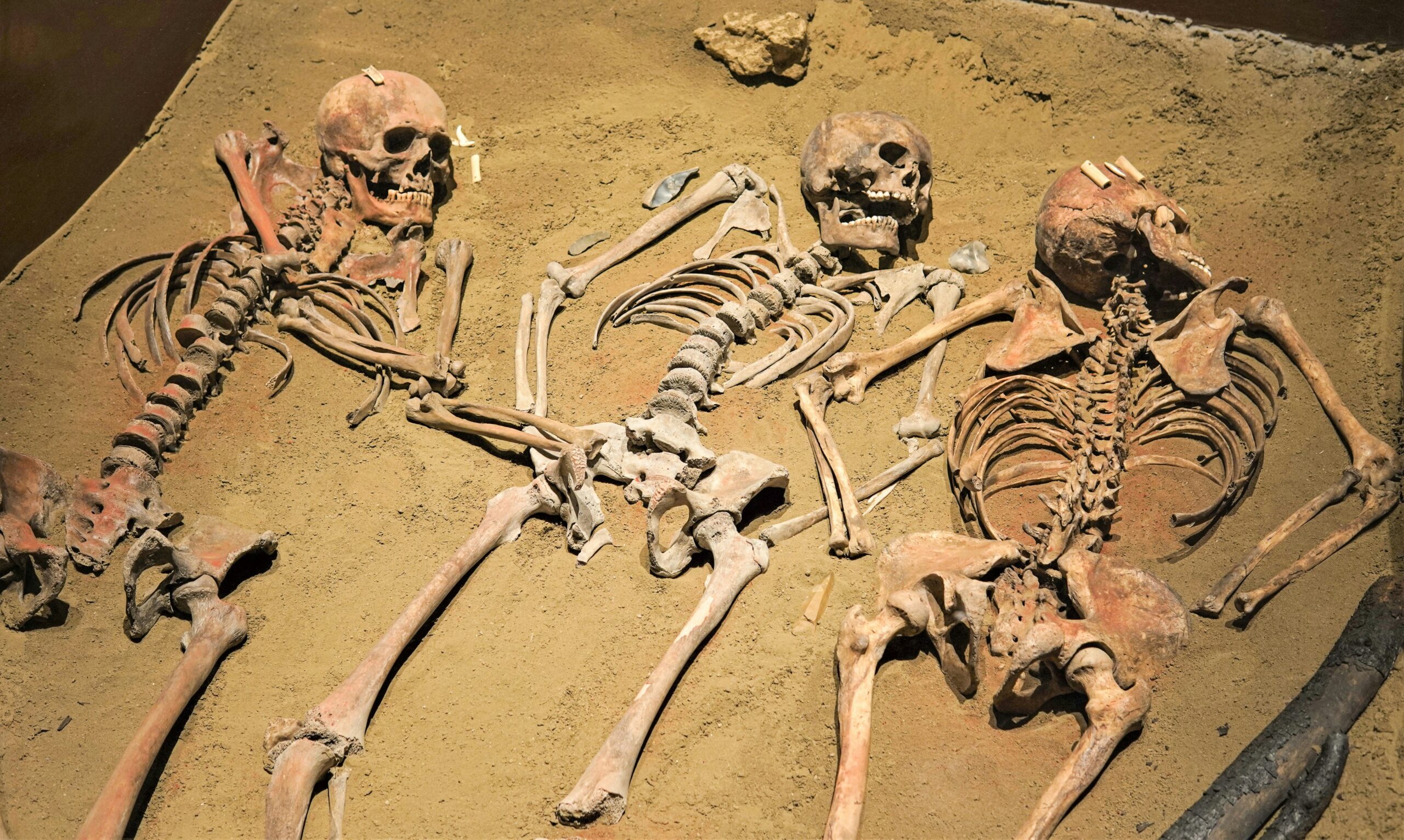
In the heart of one of the world’s most formidable landscapes, a remarkable discovery has begun to rewrite our understanding of human history in North Africa. Gobero, nestled within the unforgiving Ténéré Desert of Niger, a region so austere that Tuareg nomads refer to it as a “desert within a desert,” has emerged as a pivotal archaeological site. Its sands conceal the remnants of not one, but two distinct ancient human populations, offering an unparalleled glimpse into life during the Sahara’s surprisingly verdant past. Identified in 2000 by paleontologist Paul Sereno of the University of Chicago, Gobero is not merely a collection of ancient bones; it is the oldest and largest known Holocene cemetery in the Sahara, a repository of approximately 200 graves and thousands of artifacts that collectively tell a story spanning 5,000 years. This extensive graveyard, situated near the shores of what was once a vast prehistoric lake, provides a unique window into the African Humid Period, a time when this now-arid expanse teemed with life, supporting a thriving ecosystem and the humans who depended upon it. The ongoing scientific investigations at Gobero are continually unveiling new details about these forgotten peoples, their lifeways, and their intricate relationship with a dramatically changing environment.
The discovery of Gobero was not the culmination of a targeted search for human remains, but rather a serendipitous encounter during a paleontological expedition. Paul Sereno, renowned for his work on dinosaur fossils, was undertaking a prospecting mission in the Ténéré Desert, a region largely unexplored and exceptionally challenging to traverse. It was during this expedition, amidst the stark beauty of the desert dunes, that the first signs of an ancient human presence emerged from the sand. The sheer scale of the discovery soon became apparent. What initially appeared to be isolated burials rapidly resolved into a sprawling cemetery, a testament to a significant human occupation over millennia. The context of this discovery, within a region now synonymous with extreme aridity, immediately hinted at a past far removed from the present, a Sahara that was once profoundly different.
A Paleontologist’s Eye for the Unseen
Paul Sereno’s background in paleontology, while focused on ancient reptiles, instilled in him a keen eye for the subtle clues that ancient landscapes can reveal. His understanding of geological formations and the processes of fossilization proved invaluable when encountering the scattered remains at Gobero. It was this expertise, coupled with an adventurous spirit and a willingness to explore remote territories, that led him to identify the site’s immense potential. The initial assessment recognized the extraordinary preservation afforded by the arid desert environment, which has acted as a natural conservator for organic materials and delicate skeletal structures. This fortunate combination of ecological conditions and scientific curiosity laid the foundation for what would become one of the most significant archaeological finds in recent history.
The Ténéré: A Desert Within a Desert
The Ténéré Desert is not just any desert; it is a region defined by its extreme remoteness and harshness. Its vast, featureless plains are sparsely inhabited by nomadic Tuareg peoples who have mastered the art of survival in this unforgiving environment. For them, the Ténéré is a place of profound mystery and, at times, perceived danger. The discovery of a major human settlement, complete with a large cemetery, within such a desolate area challenged preconceived notions of human habitation and resilience. It underscored the adaptability of our ancestors and their capacity to thrive in environments that contemporary humans find almost insurmountable. The presence of a paleolake, a remnant of a wetter past, at Gobero further emphasizes the transformative power of climate change and the cyclical nature of environmental conditions in this part of the world.
The study of ancient humans in Gobero, located in the Sahara Desert, has provided fascinating insights into the lives of early populations in arid environments. This research not only sheds light on the adaptation strategies of these ancient communities but also connects to broader discussions about historical navigation and exploration. For instance, an intriguing article discussing the authenticity of the Piri Reis map, which offers insights into ancient cartography and maritime exploration, can be found here: US Military Confirms Authenticity of Piri Reis Map. This connection highlights the importance of understanding our past, both on land and at sea.
A Chronicle of Two Peoples: The Kiffians and the Tenerians
Gobero’s unique contribution to our understanding of the past lies in its ability to preserve a continuous, albeit interrupted, record of two distinct human populations. These groups, separated by a significant period of environmental upheaval, occupied the same landscape but with differing lifeways and cultural expressions. The site offers a rare opportunity to compare and contrast their adaptations, their physical characteristics, and their ultimate fates. The existence of these two distinct civilizations, meticulously documented in the archaeological record of Gobero, provides invaluable insights into the dynamic nature of human societies and their responsiveness to environmental pressures.
The Kiffians: Masters of the Wet Sahara
The earliest inhabitants of Gobero, known as the Kiffians, flourished during the early Holocene, approximately 10,000 to 8,000 years ago. This period coincided with the peak of the African Humid Period, a time when the Sahara was transformed into a vast savanna, dotted with numerous lakes and rivers. The Kiffians were a physically imposing people. Skeletal remains indicate that they were among the tallest humans ever discovered, with many individuals exceeding two meters in height. Their robust stature suggests a life of physical exertion and ample nutrition.
Diet and Subsistence of the Kiffians
The Kiffians were primarily hunter-fisher-gatherers, their subsistence strategies dictated by the abundant resources of the wet Sahara. Evidence from the site, including faunal remains and sophisticated fishing tools, points to a diet rich in wild game and aquatic life. They were adept at hunting large mammals that roamed the savanna and, crucially, at spearing enormous perch from the nearby paleolake. The abundant fish in these ancient waters would have provided a consistent and protein-rich food source, likely contributing to the exceptional size and health of the Kiffian population. Their reliance on these wild resources paints a picture of a people intimately connected to their environment, skilled in exploiting its bounty.
The Kiffian Legacy: A Lost Giant
The Kiffian civilization appears to have reached its zenith during the “greenest” phase of the Sahara. While their specific trajectory is still being pieced together, their abrupt disappearance from the archaeological record suggests a significant environmental shift that ultimately impacted their way of life. The end of their dominance at Gobero marks a transition, a pause before the emergence of a new group who would inhabit the same landscape under different climatic conditions.
The Tenerians: Adapting to a Changing World
Following a substantial 1,000-year drought, which occurred roughly between 6200 and 5200 BCE, a new population, the Tenerians, began to inhabit Gobero. This period represents the mid-Holocene, and the landscape, though still more hospitable than today, had begun to recede from its earlier lushness. The Tenerians presented a contrast to their Kiffian predecessors. They were more gracile in build, suggesting a different physiological adaptation to their environment and possibly changes in their diet and daily activities.
Ritualistic Burials and Cultural Practices
The Tenerians are distinguished by their distinctive burial practices. Their dead were interred in ritualistic poses, demonstrating a clear concern for the afterlife and a rich spiritual life. The most poignant example of this is the famous “embrace” burial, where a woman is depicted in a tender embrace with two children, a powerful testament to familial bonds and emotional expression. These meticulously prepared graves, often accompanied by grave goods, offer invaluable insights into Tenerian beliefs and their complex social structures.
Diversified Subsistence: The Dawn of Husbandry
Unlike the purely hunter-gatherer Kiffians, the Tenerians appear to have practiced a more diversified subsistence strategy. While they continued to hunt and gather, evidence suggests the beginnings of cattle husbandry. The presence of domesticated animals, even if on a smaller scale than later pastoralist societies, indicates a move towards a more controlled food supply and a greater human impact on the environment. This adaptation likely played a role in their ability to persist in a Sahara that was gradually becoming drier. The Tenerians represent a crucial transitional phase, demonstrating how human populations adapted to environmental stress by diversifying their economic activities.
The “Green Sahara”: A Lost Oasis of Humanity

Gobero’s most profound revelation is its role as a direct witness to the African Humid Period, often referred to as the “Green Sahara.” This era, spanning roughly from 14,000 to 5,500 years ago, marks a dramatic departure from the hyperarid conditions that characterize the region today. During this period, shifts in Earth’s orbital parameters and monsoon patterns brought significantly increased rainfall to North Africa, transforming vast swathes of desert into a savanna ecosystem rich with vegetation, rivers, and substantial lakes. Gobero’s location adjacent to a paleolake directly places it at the heart of this remarkable transformation.
The African Humid Period: A Global Phenomenon
The African Humid Period was not an isolated event but part of a broader climatic oscillation that affected global weather patterns. The increased moisture transformed landscapes from the Atlantic coast to the Red Sea. In the Sahara, this meant the emergence of perennial lakes, the growth of grasslands and savannas, and the influx of diverse flora and fauna. These conditions created a landscape that was conducive to human settlement and the development of complex societies. The legacy of this period is still visible in the geological formations and archaeological sites scattered across the Sahara, but Gobero offers an unparalleled continuous record within a single location.
Life by the Prehistoric Lake
The presence of a large prehistoric lake adjacent to Gobero was central to the sustenance of both the Kiffians and the Tenerians. This body of water provided a reliable source of fresh water, a vital resource in any human settlement. More importantly, it was a thriving ecosystem that supported a rich diversity of aquatic life, as evidenced by the abundance of fish bones found at the site. For the Kiffians, this lake was a primary food source, enabling their large stature and robust lifeways. For the Tenerians, it remained a vital resource, even as the climate began to shift, and they adapted their practices to incorporate its offerings alongside new strategies like animal husbandry. The lake, therefore, acted as an anchor for human occupation, shaping the lives and culture of the people who lived beside it for millennia.
Recent Scientific Insights: Decoding Ancient Lives

Recent scientific analyses of the Gobero remains and artifacts have delved deeper into the lives of these ancient populations, offering precise details that were previously unimaginable. By employing cutting-edge techniques in genetics, osteology, and paleoenvironmental reconstruction, researchers are piecing together a more nuanced picture of their health, diet, and resilience. These findings are not only illuminating the lives of these specific groups but also contributing to our broader understanding of human adaptation and migration patterns.
Genetic Revelations: Unraveling Ancestry and Health
The application of ancient DNA analysis to skeletal remains from Gobero has yielded groundbreaking insights. These genetic studies have helped to clarify the relationship between the Kiffian and Tenerian populations and to assess their overall health profiles. The findings have indicated that these ancient Saharans were remarkably healthy for their time, well-adapted to their environments, and in many cases, genetically distinct from later populations that migrated into the region. This is particularly significant as it highlights the independent development and survival of these groups within the Sahara for extended periods. Moreover, the genetic data has provided evidence of gene flow and genetic continuity, suggesting that the Tenerians, in part, might have descended from or interacted with earlier groups, rather than being an entirely novel immigration.
Nutritional Adequacy and Disease Resistance
The genetic and paleopathological analyses have revealed that both Kiffian and Tenerian populations enjoyed a relatively healthy existence. Evidence of infectious diseases and severe chronic ailments appears to be less prevalent than might be expected in ancient communities. Their diets, rich in proteins from fish and game, and for the Tenerians, supplemented by animal husbandry, provided the necessary nutrients for growth and development. This suggests a population that was not constantly struggling with malnutrition or widespread disease, allowing them to thrive and adapt.
The Genetic Landscape of the Holocene Sahara
The genetic data from Gobero paints a picture of a unique human landscape in the Holocene Sahara, one that was populated by distinct groups who maintained their genetic integrity for long periods. The findings challenge the notion of constant large-scale migrations replacing entire populations. Instead, they suggest a more complex interplay of local adaptations, regional interactions, and gradual demographic shifts influenced by environmental changes. This genetic tapestry is crucial for understanding the broader human story of North Africa.
Dietary Habits: A Spoonful of Evidence
Through isotopic analysis of skeletal remains, particularly collagen in bones, scientists can reconstruct the dietary habits of ancient peoples. These analyses at Gobero have confirmed the significant reliance of the Kiffians on aquatic resources, with a diet rich in freshwater fish. For the Tenerians, the isotopic signatures indicate a more mixed diet, incorporating plant-based foods and the products of domestic animals, such as cattle. This dietary diversification is a key distinguishing feature of the Tenerian subsistence strategy and highlights their adaptive capabilities in a progressively drying environment.
Paleoenvironmental Reconstruction: The Story in the Soil
Complementing the human remains, analyses of pollen grains and other microfossils found in the soil layers at Gobero provide a detailed record of the local environment over time. These paleoenvironmental reconstructions have vividly illustrated the transition from the lush, lake-dotted savannas of the Kiffian period to the more arid conditions experienced by the Tenerians. This detailed environmental context is crucial for understanding the pressures that shaped the lives and adaptations of these ancient Saharans and for interpreting the archaeological evidence in light of climatic shifts.
Recent discoveries about the Gobero ancient humans have shed light on the complexities of early human life in arid environments. These findings not only enhance our understanding of prehistoric societies but also connect to broader themes of migration and adaptation. For a deeper exploration of how historical contexts influence contemporary challenges, you might find this article on navigating post-colonial borders insightful. It discusses various factors that shape human experiences across different regions, much like the ancient populations of Gobero. You can read more about it here.
Gobero’s Enduring Legacy: A Window into the Past and Future
| Location | Period | Discovery |
|---|---|---|
| Gobero, Niger | 10,000 – 4,000 years ago | Discovered in 2000 |
| Population | Artifacts | Excavation |
| Early Holocene | Stone tools, pottery, jewelry | Ongoing since 2000 |
The discovery and ongoing study of Gobero represent a monumental leap forward in our understanding of early human history. It has transformed our perception of the Sahara from an impenetrable wasteland to a cradle of human civilization, demonstrating the profound impact of climate on human societies and the remarkable adaptability of our species. The lessons learned from Gobero are not confined to the ancient past; they hold relevance for contemporary challenges related to climate change and human resilience.
Rethinking the Sahara’s Past
Gobero has fundamentally altered our conception of the Sahara’s past. No longer is it solely viewed as a timeless desert. Instead, it is understood as a dynamic landscape that has undergone dramatic climatic shifts, periods of lushness, and subsequent aridification. This understanding is critical for interpreting the distribution of archaeological sites and for understanding the migratory patterns and cultural developments of ancient populations across North Africa. The “Green Sahara” is no longer a romanticized notion but a scientifically evidenced period of significant human flourishing.
Lessons in Adaptation and Resilience
The story of the Kiffians and Tenerians is a powerful testament to human resilience and adaptability. These populations not only survived but thrived in environments that experienced radical transformation. Their ability to develop sophisticated subsistence strategies, to adapt their social structures, and to maintain healthy lives in the face of environmental challenges offers valuable lessons. The Tenerians, in particular, demonstrate a proactive approach to changing conditions, diversifying their economy and presumably their cultural practices to ensure their survival.
A Global Relevance for Climate Change
The insights gleaned from Gobero have profound relevance in the context of modern climate change. The dramatic environmental shifts that these ancient populations experienced mirrors, in some ways, the rapid changes occurring today. By studying how ancient humans responded to such challenges, we can gain a deeper appreciation for the potential impacts of climate change on human societies and for the strategies that might promote resilience and adaptation in the future. Gobero serves as a stark reminder that environments are not static and that human history is intimately intertwined with the planet’s climate. The legacy of Gobero is a continuous unfolding story, one that promises to reveal even more about our shared human heritage and our capacity to endure and evolve in a changing world.

The Sahara Won’t Stay a Desert Forever
FAQs
What is Gobero?
Gobero is an archaeological site located in the Sahara Desert in Niger, Africa. It is known for its well-preserved ancient human remains and artifacts.
What is significant about the ancient humans found at Gobero?
The ancient humans found at Gobero are significant because they provide important insights into the prehistoric populations of the Sahara region. The remains date back to around 10,000 years ago and offer valuable information about the lifestyle and culture of the people who lived in the area during that time.
What have archaeologists learned from the discoveries at Gobero?
Archaeologists have learned about the diet, burial practices, and environmental conditions of the ancient humans at Gobero. The discoveries have also shed light on the complex interactions between different groups of people in the region during the Holocene period.
How were the ancient humans at Gobero preserved?
The ancient humans at Gobero were preserved due to the arid climate of the Sahara Desert. The dry conditions helped to mummify the remains and protect them from decay, allowing researchers to study them in detail.
What is the significance of Gobero in understanding human history?
Gobero is significant in understanding human history because it provides evidence of early human occupation in the Sahara Desert. The discoveries at Gobero contribute to our understanding of human migration, adaptation to different environments, and the development of ancient cultures.