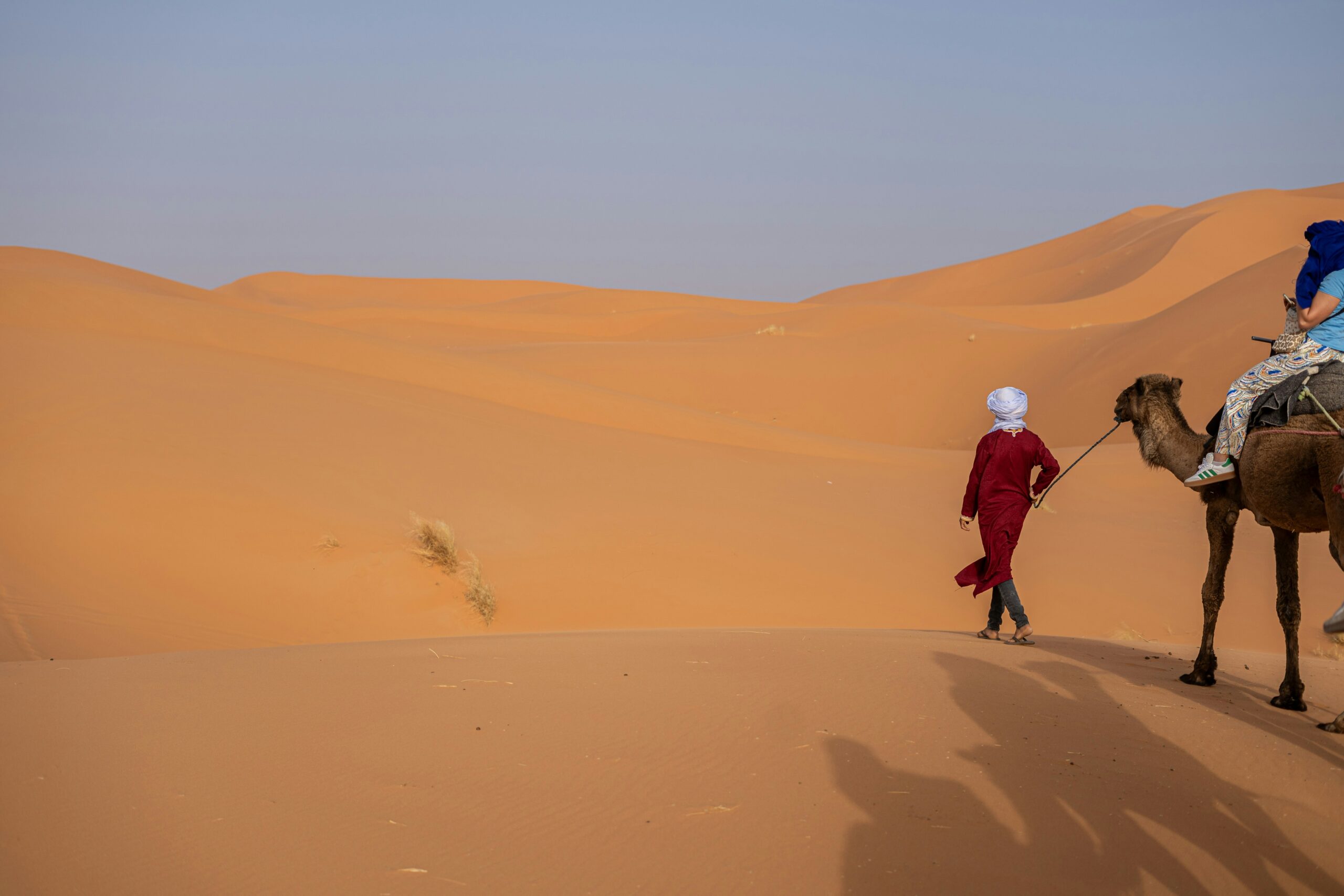
The Sahara Desert, a seemingly boundless expanse of aridity and sand, holds within its depths a profound secret: a past far removed from its present desolation. This vast arid region was once a cradle of life, a verdant landscape teeming with flora and fauna, sustained by an abundance of water. Recent scientific endeavors have unearthed compelling evidence of ancient lakes and fossilized plants, painting a vivid picture of what is now commonly referred to as the “Green Sahara.” These discoveries are not merely academic curiosities; they offer critical insights into past climate shifts, the evolution of human migration, and the resilience of life in the face of dramatic environmental change.
The notion of a green Sahara might strike many as a paradox, given its current status as the world’s largest hot desert. However, a confluence of geological, archaeological, and biological evidence is steadily dismantling this perception, revealing a past where rivers flowed, lakes shimmered, and rainfall was plentiful. This period, often referred to as the African Humid Period or the “Green Sahara,” spanned millennia, influencing the development of both the landscape and its inhabitants.
Megalakes and Subterranean Rivers: The Hydrological Backbone
The sheer scale of water that once characterized the Sahara is a testament to its ancient wet phases. Far from being mere ephemeral puddles, these prehistoric water bodies were often colossal in size, comparable to some of the largest modern lakes.
The Dimensions of Ancient Lakes
Recent research, leveraging both marine sediment cores and sophisticated analysis of NASA satellite imagery, has confirmed the existence of truly massive ancient lakes. Some of these bodies of water were immense, stretching to an astounding 30,000 square kilometers. To put this into perspective, this is roughly the size of the Caspian Sea, the world’s largest inland body of water today. These were not isolated features but part of a more interconnected hydrological system that once crisscrossed the desert.
Buried River Systems: The Arteries of a Living Landscape
Beneath the sandy surface lies a forgotten network of rivers, their courses etched into the geological record. These buried river systems, identified through advanced remote sensing techniques, acted as the arteries of the Green Sahara, channeling water and sustaining the ecological systems they nourished. Their presence indicates that the Sahara was not simply rained upon, but actively drained and shaped by flowing water, supporting a dynamic landscape. The age of these hydrological features is crucial, with evidence suggesting they were active and supporting life for extended periods, particularly between 15,000 and 5,000 years ago.
Sedimentological Clues: Reading the Layers of History
The very earth of the Sahara holds the memory of its wetter past. Geological strata, particularly those found in ancient lakebeds and marine sediments, are rich repositories of information about the environmental conditions of bygone eras.
Lake Sediments: Archives of Aquatic Life
Scientists meticulously examine lake sediments, which accumulate over time, trapping organic matter, minerals, and the remnants of aquatic life. These layers act as a chronological record, offering insights into the water levels, salinity, and the types of organisms that inhabited these ancient lakes. The composition of these sediments can reveal periods of high rainfall and prolonged aquatic presence.
Marine Sediment Cores: A Wider Perspective
The analysis of marine sediment cores, collected from the seabed bordering the African continent, has provided an even broader perspective on the Sahara’s past humidity. These cores can reveal the input of freshwater and terrestrial matter into the ocean, offering clues about regional rainfall patterns that extended inland to the Sahara. This cross-referencing of data, from both terrestrial lakebeds and marine environments, strengthens the case for significant hydrological activity across North Africa.
Recent studies have provided compelling evidence that the Sahara Desert was once a lush, green landscape teeming with life. This transformation is attributed to changes in the Earth’s climate and orbital patterns, which allowed for increased rainfall and vegetation growth in the region thousands of years ago. For further insights into the implications of such environmental changes, you can read more in the article found here: Protecting Your Gold: Safeguarding Against Government Seizure.
The Green Carpet of Life: Fossilized Flora and a Flourishing Savannah
The presence of vast lakes and rivers would mean little without the life they supported. Extensive findings of fossilized plant material provide irrefutable proof that the Green Sahara was indeed a flourishing ecosystem, a stark contrast to its current arid state.
Pollen Records: Whispers of Ancient Vegetation
Pollen, the microscopic reproductive cells of plants, are remarkably well-preserved in various geological environments, especially in sediments of ancient lakes and marine deposits. Analyzing these preserved pollen grains allows scientists to reconstruct the types of plants that once thrived in the Sahara.
Identifying Grasses, Shrubs, and Trees
The analysis of fossilized pollen and, more recently, refractory plant molecules, has revealed a surprisingly diverse flora. Instead of the sparse, drought-resistant vegetation characteristic of modern deserts, the Sahara was once a verdant savannah. This ecosystem was dominated by grasses, interspersed with shrubs and trees, indicating a robust and well-established plant cover that could only be sustained by abundant rainfall.
Quantifying Past Rainfall: A Dramatic Shift
The concentration and types of pollen found in these ancient deposits have allowed researchers to estimate the rainfall levels during the African Humid Period. The findings are staggering: rainfall was up to 10 times higher than what is experienced in the Sahara today. This dramatic increase in precipitation was the driving force behind the transformation of a hyperarid desert into a life-sustaining landscape.
Refractory Plant Molecules: Direct Chemical Signatures
Beyond pollen, scientists are now employing advanced techniques to analyze refractory plant molecules. These are stable organic compounds produced by plants that can survive geological time and can be directly linked to specific plant types. This allows for even more precise identification of the flora that once populated the Green Sahara, providing a chemical fingerprint of the ancient ecosystem. These molecules act as direct messengers from the past, confirming the abundance of specific plant communities.
Footprints of Humanity: Ancient DNA and the Green Sahara Migration
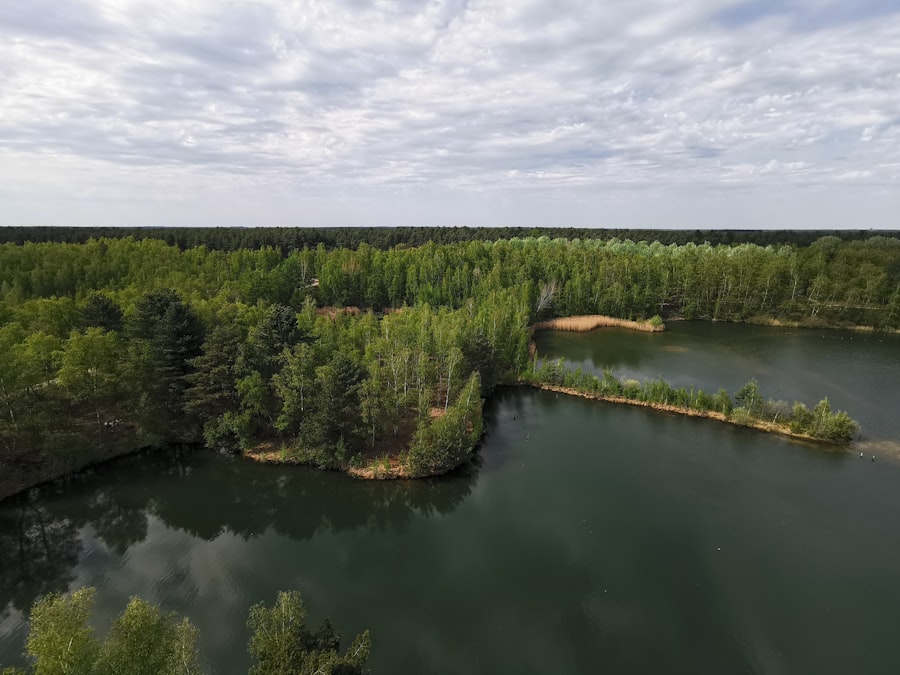
The Green Sahara was not merely a botanical paradise; it was also a crucial stage for early human populations and their migrations. Recent groundbreaking research utilizing ancient DNA analysis is shedding new light on the human story intertwined with this once-fertile land.
Mummified Herders: A Genetic Window into the Past
A landmark study published in Nature in December 2024 has provided direct genetic evidence of human presence and activity in the Green Sahara. This research analyzed DNA extracted from mummified livestock herders found in present-day Libya. This discovery is significant on multiple levels.
Direct Genetic Evidence of Thriving Populations
The DNA analysis revealed the genetic makeup of these ancient individuals, confirming they were part of a thriving human population that inhabited the region during its green phase. This isn’t indirect evidence; it’s the direct genetic legacy of people who lived, worked, and thrived in an environment that supported substantial human settlements and animal husbandry.
The Lifestyle of Green Sahara Dwellers
The presence of livestock herders implies a settled or semi-nomadic lifestyle, with a dependence on the abundant vegetation and water sources to sustain their animals. The genetic data, coupled with archaeological findings, allows for a more nuanced understanding of how early humans adapted to and utilized this rich environment.
Green Corridors for Migration: Out of Africa and Beyond
The concept of the Green Sahara is not new in the context of human evolution, but recent studies provide compelling support for its role as a vital migratory pathway. Scientists believe these periods of increased humidity created “green corridors” that facilitated the dispersal of early humans.
The Last Interglacial Period: An Earlier Green Phase
Evidence suggests that the Green Sahara was not a singular event. Lacustrine (lake) sediment studies indicate that the region experienced similar humid periods in the distant past, including the last interglacial period, which occurred approximately 125,000 years ago. This implies a recurring pattern of environmental transformation that played a significant role in shaping human history.
Facilitating Out-of-Africa Migrations
These green corridors likely provided essential resources – water, food, and shelter – for early modern humans as they ventured out of Africa and spread across the globe. The Sahara, in its green guise, would have presented a traversable landscape rather than an insurmountable barrier, allowing for sustained movement and exploration. This rewrites our understanding of dispersal routes and the environmental pressures that influenced our ancestors’ journeys.
Archaeological Treasures: Clues Etched in Stone
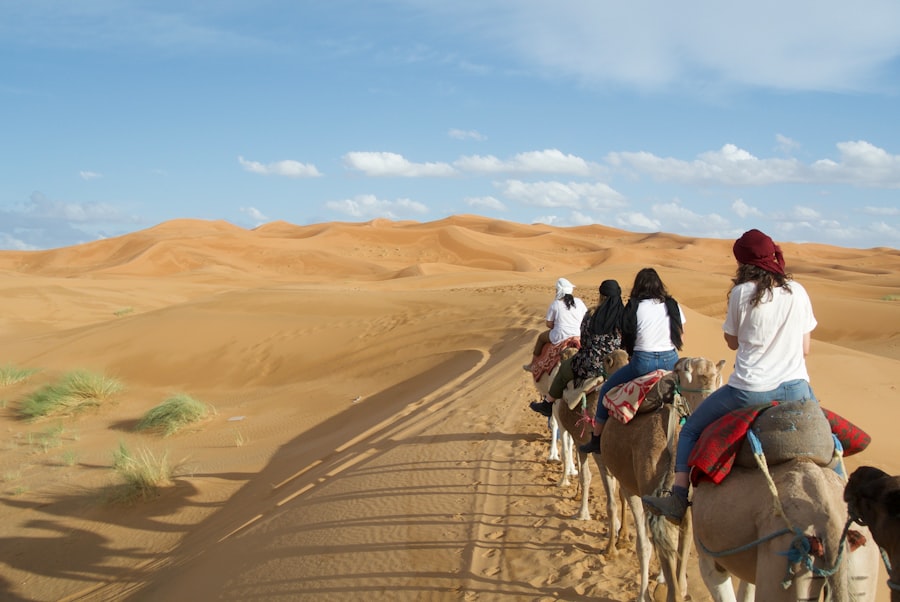
The landscape of the Sahara is not only a geological and biological archive but also a canvas for human artistry and ingenuity. Archaeological discoveries, particularly rock art, offer tangible and often vivid insights into the life and environment of the Green Sahara.
Rock Art in Sudan: A Window into a Watery World
New rock art sites discovered in Sudan have provided particularly compelling evidence supporting the Green Sahara theory. These ancient paintings offer a glimpse into a world vastly different from the current desert.
Depictions of a Rich Ecosystem
The rock art features a remarkable array of subjects, including detailed depictions of cattle. The presence of domesticated cattle signifies a stable and resource-rich environment capable of supporting animal husbandry on a significant scale. Furthermore, the art includes images of boats, a clear indicator of the presence of substantial water bodies, whether rivers, lakes, or perhaps even flooded plains.
Wildlife and Abundant Water
Beyond cattle and boats, the rock art showcases a diverse range of wildlife, many of which are no longer found in the arid Sahara. These scenes, coupled with the explicit depictions of watercraft, serve as crucial physical evidence that substantiates the “Green Sahara” hypothesis. They paint a narrative of a much more dynamic and water-abundant ecosystem than the one we see today. These depictions strongly support the timeframe of 15,000 to 5,000 years ago, a period of significant climate change and ecological transition.
Preserving the Visual Narrative
The preservation of this rock art is remarkable, allowing us to connect directly with the people who inhabited the Green Sahara. These images are not abstract representations; they are documentary evidence, capturing snapshots of daily life, the prevailing environment, and the relationship between humans and their world. Their existence in the heart of what is now the world’s largest hot desert underscores the dramatic climatic oscillations and the profound impact of such shifts on both the natural world and human civilization.
Recent studies have provided compelling evidence that the Sahara Desert was once a lush, green landscape teeming with life. Researchers have uncovered ancient lake beds and fossilized remains of plants and animals, suggesting that this vast region experienced a much wetter climate thousands of years ago. For a deeper understanding of how climate change has transformed landscapes over time, you can read more in this insightful article about industrial developments in Mexico, which also touches on environmental shifts. Check it out here.
The Sahara’s Climatic Cycles: Understanding a Dynamic Planet
| Metrics | Data |
|---|---|
| Carbon dating of fossils | Indicates presence of vegetation and water |
| Pollen analysis | Shows evidence of diverse plant life |
| Geological studies | Reveal ancient riverbeds and lakes |
| Climate models | Suggest a wetter climate in the past |
The existence of the Green Sahara is not a singular anomaly but part of a larger, cyclical pattern of climatic change that has shaped the Earth over millennia. Understanding these cycles is key to comprehending the Sahara’s past and potentially predicting its future.
The African Humid Period: A Recurring Phenomenon
The African Humid Period, or “Green Sahara,” is understood to be driven by predictable shifts in Earth’s orbit, a phenomenon known as Milankovitch cycles. These cycles influence the amount of solar radiation reaching different parts of the Earth at different times of the year.
Orbital Forcing and Monsoon Intensification
During specific orbital configurations, the Northern Hemisphere receives more direct sunlight during its summer months. This increased solar insolation leads to a more pronounced summer monsoon season across North Africa. The monsoonal rains are amplified and penetrate much further inland, transforming the Sahara from a hyperarid desert into a savannah with vast lake systems.
The Role of Atmospheric Dust
Changes in dust deposition provide further evidence of these climatic shifts. During wetter periods, less dust is transported from North Africa. Conversely, during drier phases, increased wind erosion leads to a higher concentration of dust in atmospheric and oceanic records, indicating a return to arid conditions.
Interglacial and Glacial Dynamics: A Spectrum of Environments
The Sahara’s climate has oscillated dramatically between intensely dry glacial periods and the wetter interglacial periods like the one that created the Green Sahara.
Ice Ages and the Sahara’s Aridity
During glacial periods, when vast ice sheets covered parts of the Northern Hemisphere, global atmospheric circulation patterns shifted. This resulted in a contraction of the monsoonal belt, pushing the rain-bearing systems further south and leaving the Sahara in a state of extreme aridity, characterized by expansive dune seas and dust storms.
Interglacials and the Resurgence of Life
Conversely, during interglacial periods, such as the one roughly 10,000 to 5,000 years ago, the conditions favored a return of intensified monsoons. This revitalized the landscape, creating the lush conditions that allowed for the flourishing of life and the establishment of significant human populations. The evidence of the Green Sahara, from ancient lakes to fossilized plants and human DNA, all points to the potent impact of these natural climatic cycles on one of Earth’s most iconic environments. Understanding this past is crucial for appreciating the dynamic nature of our planet and the profound resilience and adaptability of life it sustains.

The Sahara Won’t Stay a Desert Forever
FAQs
1. What evidence supports the idea that the Sahara was once green?
There is geological and archaeological evidence that suggests the Sahara was once a lush and green region. Fossilized remains of plants and animals, ancient rock art depicting a savannah-like environment, and sediment cores containing evidence of past vegetation all support this theory.
2. When did the Sahara transform from a green landscape to a desert?
The transformation of the Sahara from a green landscape to a desert occurred gradually over thousands of years, starting around 5,000 years ago. Climate change, including shifts in the Earth’s orbit and changes in ocean currents, played a significant role in this transformation.
3. What caused the Sahara to become a desert?
The gradual desertification of the Sahara was primarily driven by changes in the Earth’s orbit and axial tilt, which affected the distribution of sunlight and rainfall patterns. Additionally, the retreat of the African monsoon and the expansion of the subtropical high-pressure systems contributed to the drying of the region.
4. How does the knowledge of the Sahara’s green past impact our understanding of climate change?
Studying the Sahara’s green past provides valuable insights into the Earth’s climate system and how it has changed over time. It also highlights the potential for dramatic shifts in climate and the long-term impacts of human activities on the environment.
5. What implications does the Sahara’s green past have for the future of the region?
Understanding the Sahara’s green past can inform conservation efforts and land use planning in the region. It also underscores the importance of addressing climate change to mitigate the potential for further desertification and its associated environmental and societal impacts.