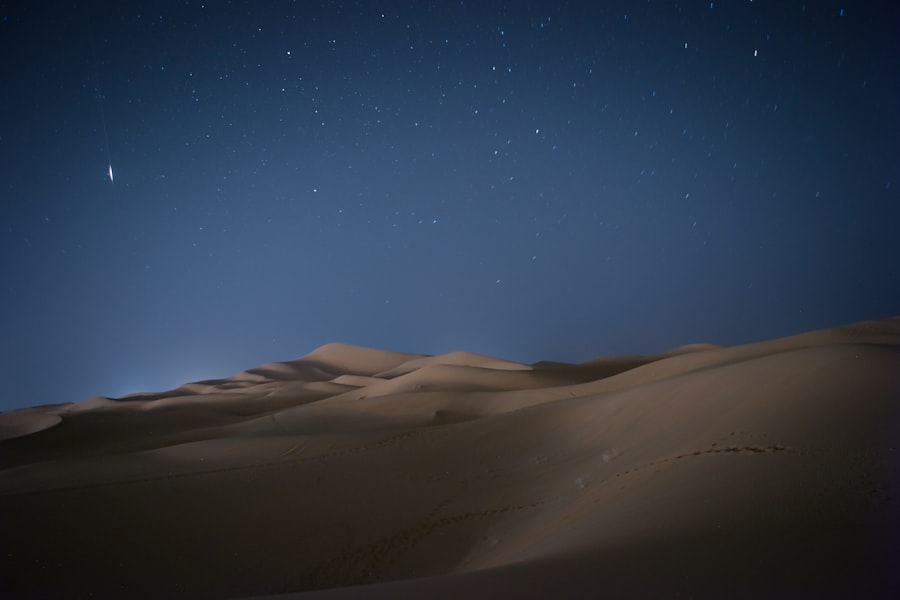
The Sahara Desert, a vast expanse of sand and stone, evokes images of extreme aridity and a landscape utterly inimical to life. Yet, beneath this surface of stark desolation lies a profound paradox: evidence of a once-verdant world. For millennia, this now-arid region was alive with grasslands, lakes, and rivers, a testament to Earth’s dynamic climatic shifts and the resilience of life. The story of the “Green Sahara” is not merely a historical curiosity; it is a vivid illustration of how dramatically our planet’s environments can transform and how deeply intertwined these transformations are with human history and evolution. Recent scientific breakthroughs are continuing to paint a more detailed and nuanced picture of this ancient, lush landscape, revealing not only its existence but also the mechanisms behind its rise and fall, and even the potential role of early humans in its desiccation.
The Sahara as it is known today is the world’s largest hot desert, a sweeping arid zone that stretches across North Africa. Its iconic dunes, rocky plateaus, and sparse oases are synonymous with extreme heat and lack of water. However, this current state is a relatively recent phenomenon in geological and paleoclimatological terms. For extended periods in Earth’s history, the Sahara was a vastly different place, a landscape teeming with life, supporting diverse ecosystems, and acting as a crucial corridor for human migration and development. The term “Green Sahara” refers to these periods of significant climatic amelioration, when increased precipitation transformed the region into a semi-arid to even sub-humid environment, characterized by savannas, grasslands, and extensive freshwater systems.
Recounting the Rainfall: The Evidence Mounts
The accumulation of evidence from diverse scientific disciplines has definitively established the reality of these past lush periods. Geologists, paleontologists, archaeologists, and paleoclimatologists have converged on a compelling narrative of a dynamically changing Sahara. This narrative is built upon a foundation of physical evidence, painstakingly uncovered and analyzed.
Sediment Secrets: Marine Archives of Past Rains
One of the most significant recent advancements in understanding Sahara rainfall patterns comes from marine sediment cores. Research led by Jessica Tierney at the University of Arizona has compiled the first continuous marine sediment record of Sahara rainfall spanning an astonishing 25,000 years. This groundbreaking work utilized the chemical composition and physical characteristics of sediments deposited in the Atlantic Ocean, off the coast of Northwest Africa. These sediments act as a powerful archive of past atmospheric conditions, including the intensity and patterns of rainfall over the continent. By analyzing the isotopes of various elements, particularly oxygen and carbon, as well as the types of organic matter preserved, scientists can reconstruct past precipitation levels. This marine record has provided robust confirmation that the “Green Sahara” period, characterized by significantly increased rainfall, lasted for approximately 6,000 years, roughly from 11,000 to 5,000 years ago. During this time, the Sahara received rainfall estimations of up to 10 times higher than the extremely low levels observed today. The data from these marine archives paint a clear picture of a prolonged, widespread wet phase.
Lake and River Relics: Traces of Inland Waters
Beyond marine records, the African continent itself holds tangible remnants of these wetter epochs. Ancient lakebeds, now often filled with sand or salt, are scattered across the Sahara. These sedimentary basins, when excavated, reveal layers of finer sediments, fossilized pollen, and even the remains of freshwater organisms, all indicative of past lacustrine environments. Similarly, dry riverbeds, known as wadis, carve through the desert landscape. While these are now ephemeral during rare rain events, their scale and sinuosity suggest they once carried substantial and perennial water flows. The presence of fossilized fish, crocodiles, and hippopotamuses in areas now far from any permanent water sources provides further irrefutable evidence of large freshwater bodies. These fossil discoveries are not just isolated finds; they are found in sufficient numbers and across broad geographical areas to reconstruct the extent of these ancient river systems and lakes, painting a picture of a far more hydrated Sahara.
Recent studies have provided compelling evidence that the Sahara Desert was once a lush, green landscape, teeming with life. This transformation, known as the Green Sahara period, occurred during the Holocene epoch when increased monsoon rains allowed vegetation to flourish across the region. For more insights into how climate changes have historically impacted landscapes, you can read a related article that discusses various environmental transformations at this link.
The Astronomical Engine: Earth’s Orbital Wobble
The dramatic shifts in the Sahara’s climate are not a random occurrence but are intrinsically linked to predictable cycles in Earth’s orbit around the Sun. This phenomenon, known as Milankovitch cycles, is the primary driver of these large-scale climatic transformations. These orbital variations influence the amount of solar radiation reaching Earth’s surface and how it is distributed seasonally and geographically.
The Monsoon’s Embrace: Strengthened Rains
The most crucial orbital parameter influencing the Sahara’s greening is the Earth’s axial tilt, also known as obliquity. A greater axial tilt leads to more extreme seasons, with hotter summers and colder winters. In the case of North Africa, a higher axial tilt during the Holocene epoch (the period encompassing the Green Sahara) resulted in an intensified summer monsoon. This stronger monsoon, fueled by increased moisture drawn from the Atlantic Ocean, brought significantly more rainfall into the Sahara. The delicate balance of atmospheric circulation patterns was altered, effectively pushing the monsoon northward and bringing life-giving rains to what is now the world’s largest desert.
The 21,000-Year Rhythm: A Recurring Greening
Paleoclimate data, including the aforementioned marine sediment records, demonstrates a remarkable cyclical pattern to these greening events. The Sahara has experienced over 230 distinct greening events roughly every 21,000 years for the past 8 million years. This consistent rhythm is a direct reflection of the Earth’s orbital precession, a cycle that influences the timing of the seasons relative to Earth’s orbit. When the Northern Hemisphere’s summer solstices align with perihelion (the point in Earth’s orbit closest to the Sun), the African monsoon is strengthened, leading to periods of increased rainfall across the Sahara. This cyclical nature underscores that the Green Sahara was not a singular event but a recurring phase in the planet’s climatic history, a consequence of Earth’s well-understood orbital mechanics.
Life Flourishes: An Ancient Savannah Ecosystem
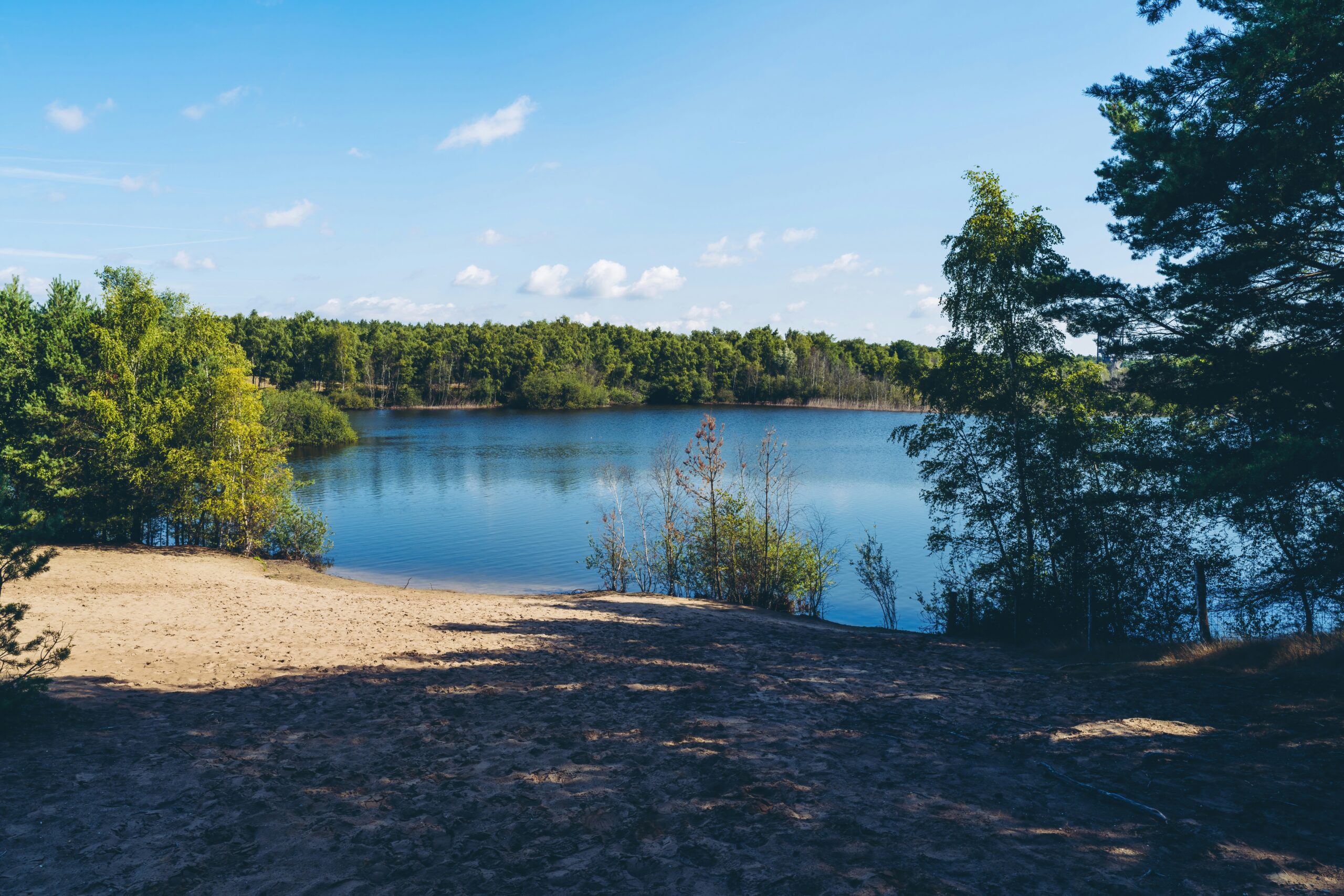
During the height of the African Humid Period, which largely coincides with the Green Sahara, the landscape was transformed into a vibrant savanna ecosystem, capable of supporting a rich diversity of flora and fauna. This was a stark contrast to the hyper-arid conditions that dominate much of the region today. The presence of ample water and vegetation fostered a delicate ecological balance.
Megafauna and Migratory Paths: Fossils of Abundance
The evidence for a teeming, biodiverse Sahara ecosystem is abundant. The discovery of fossilized remains of large mammals, or megafauna, is particularly compelling. Elephants, giraffes, hippopotamuses, rhinoceroses, antelopes, and various species of wild cattle have all been found in fossilized form within areas that are now profoundly arid. These discoveries indicate extensive grasslands, riverine environments, and watering holes capable of sustaining these large herbivores and the predators that hunted them. The geographical distribution of these fossils suggests that the Sahara served as a critical migratory corridor for these animals, connecting different ecological zones across Africa.
Rock Art as a Living Museum: Visual Testimonies
Perhaps the most evocative and direct evidence of a vibrant Green Sahara comes from ancient rock art. The Tassili N’Ajjer region in southeastern Algeria, a UNESCO World Heritage site, is renowned for its extraordinary concentration of prehistoric rock art. This art, created by various pastoralist and hunter-gatherer cultures between 6,000 and 11,000 years ago, provides a vivid visual chronicle of the pre-desert ecosystem. The paintings and engravings depict a rich tapestry of life, showcasing a savannah teeming with megafauna like elephants, hippopotamuses, giraffes, lions, and rhinos, alongside domestic animals such as cattle, sheep, and goats. These artworks offer an unparalleled glimpse into the environment as it was experienced by the people who inhabited it, leaving no doubt about the lushness and biodiversity of the ancient Sahara. The detail and variety of species depicted underscore the ecological richness of the period.
The Human Element: Genesis of a Pastoral Society

The Green Sahara was not just a landscape devoid of human presence; it was a crucial cradle for early human societies and their development. The availability of water and abundant resources fostered the emergence and flourishing of unique human cultures, particularly pastoralist communities.
Genomic Insights: Unraveling Ancestry
Recent scientific advancements are shedding light on the genetic makeup and lifestyle of the people who lived during the Green Sahara. A significant breakthrough occurred in April 2025 with a study published in the prestigious journal Nature. This study presented the first genomic analysis of naturally mummified individuals from the Takarkori rock shelter in Libya. These exceptionally well-preserved remains, notably two females, provided ancient DNA that allowed researchers to reconstruct their genetic heritage. The analysis confirmed that these individuals belonged to a unique, isolated pastoralist group. They lived in a lush savannah environment approximately 7,000 years ago, a period well within the African Humid Period. This genomic data offers profound insights into the population dynamics, migrations, and genetic adaptations of early humans in this now-arid region, confirming their presence and their way of life.
The Pastoralist Lifestyle: Adapting to Plenty
The Takarkori findings, combined with archaeological evidence from numerous other sites across the Sahara, paint a picture of sophisticated pastoralist societies. These communities, well into the Holocene Humid Period, relied heavily on herding livestock, predominantly cattle, sheep, and goats. The rock art provides ample evidence of large herds and the importance of cattle in their culture. The presence of grinding stones and evidence of grain processing also suggests that these groups may have supplemented their diet with gathered or cultivated plants. The abundance of game, facilitated by the savanna environment, would have also provided a consistent food source. The people of the Green Sahara were not simply enduring their environment; they were thriving within it, developing complex social structures and a distinct cultural identity shaped by the resources at hand.
Recent research has provided compelling evidence that the Sahara was once a lush, green landscape teeming with life, challenging our current perceptions of this vast desert. A fascinating article discusses how ancient technologies and methods can help us understand this transformation and its implications for modern solutions. You can read more about this intriguing topic in the article found here, where the connection between past climates and present-day innovations is explored in depth.
The Desert’s Return: Potential Human Impact
| Metrics | Data |
|---|---|
| Time Period | 5,000 to 11,000 years ago |
| Vegetation | Grasslands, lakes, and rivers |
| Animal Life | Large mammals such as elephants and giraffes |
| Evidence | Fossil records, rock art, and archaeological findings |
While extraterrestrial astronomical cycles are the primary drivers of the Sahara’s long-term climatic oscillations, emerging research suggests that human activity may have played a significant role in accelerating the transition from the Green Sahara to its current arid state. This hypothesis posits that the burgeoning pastoralist populations, with their ever-increasing herds, may have tipped the ecological balance.
Overgrazing and Desertification: A Feedback Loop
New studies, including work by researcher David Wright, are exploring the possibility that humans and their livestock may have exacerbated the natural desertification process. As early as 6,000 to 8,000 years ago, during the later stages of the African Humid Period, the expansion of livestock populations, particularly cattle, sheep, and goats, could have led to overgrazing of native vegetation. This overgrazing would have depleted the plant cover, leaving the soil exposed and more susceptible to erosion by wind and water. This loss of vegetation creates a positive feedback loop: less vegetation means less moisture retention in the soil, less transpiration, and ultimately, a drier environment. This, in turn, further stresses the remaining vegetation, leading to more overgrazing and accelerating the desert’s advance. The hypothesis suggests that human actions, though perhaps unintentional, may have accelerated the Sahara’s transition from a lush grassland to the arid desert we know today by several thousand years.
The Fleeting Green: A Modern Echo
The phenomenon of the Green Sahara, though predominantly a feature of Earth’s deep past, is not entirely absent from our modern world. In September 2024, NASA satellite imagery captivated global attention by capturing scattered pockets of the Sahara unexpectedly turning green. This remarkable transformation was the result of an extratropical cyclone that delivered an unprecedented amount of rainfall – an entire year’s worth – to Morocco, Algeria, Tunisia, and Libya in just a few days. While visually striking and a testament to the land’s ability to respond to water, this event is fundamentally different from the ancient Green Sahara periods. It was a fleeting, structural response to a sudden deluge, a temporary resurgence rather than a sustained climatic shift. This modern greening, however, serves as a potent reminder of the inherent potential for life within the Sahara’s arid landscape, a faint echo of a much grander, ancient vitality. It underscores that while the cycles of immense greening are driven by cosmic forces over millennia, the underlying capacity for rapid vegetative response to water remains. The story of the Green Sahara, therefore, continues to unfold, offering vital lessons about Earth’s climatic history, the evolution of life, and humanity’s enduring, and sometimes impactful, relationship with our planet.

The Sahara Won’t Stay a Desert Forever
FAQs
What evidence suggests that the Sahara was once green?
There is evidence from geological and archaeological studies that suggest the Sahara was once a green and fertile region. Fossilized remains of plants and animals, ancient rock art depicting lush landscapes, and the presence of ancient riverbeds and lakes all point to a much wetter climate in the past.
When did the Sahara become a desert?
The transformation of the Sahara from a green landscape to a desert is believed to have occurred around 5,000 to 6,000 years ago. This shift in climate is thought to have been caused by changes in the Earth’s orbit and tilt, as well as natural climate variability.
What caused the Sahara to become a desert?
The shift from a green Sahara to a desert is believed to have been caused by changes in the Earth’s orbit and tilt, which affected the distribution of sunlight and rainfall patterns. This, combined with natural climate variability, led to the drying up of the region.
How did the green Sahara impact human history?
The green Sahara is believed to have played a significant role in human history. It is thought to have provided a hospitable environment for early human migration and settlement, as well as supporting diverse ecosystems and wildlife. The transition to a desert landscape likely had a profound impact on the societies and cultures that inhabited the region.
Could the Sahara become green again in the future?
While it is difficult to predict future climate changes with certainty, some scientists believe that the Sahara could potentially become green again in the distant future. However, this would likely require significant shifts in global climate patterns and would have far-reaching implications for ecosystems and human societies.