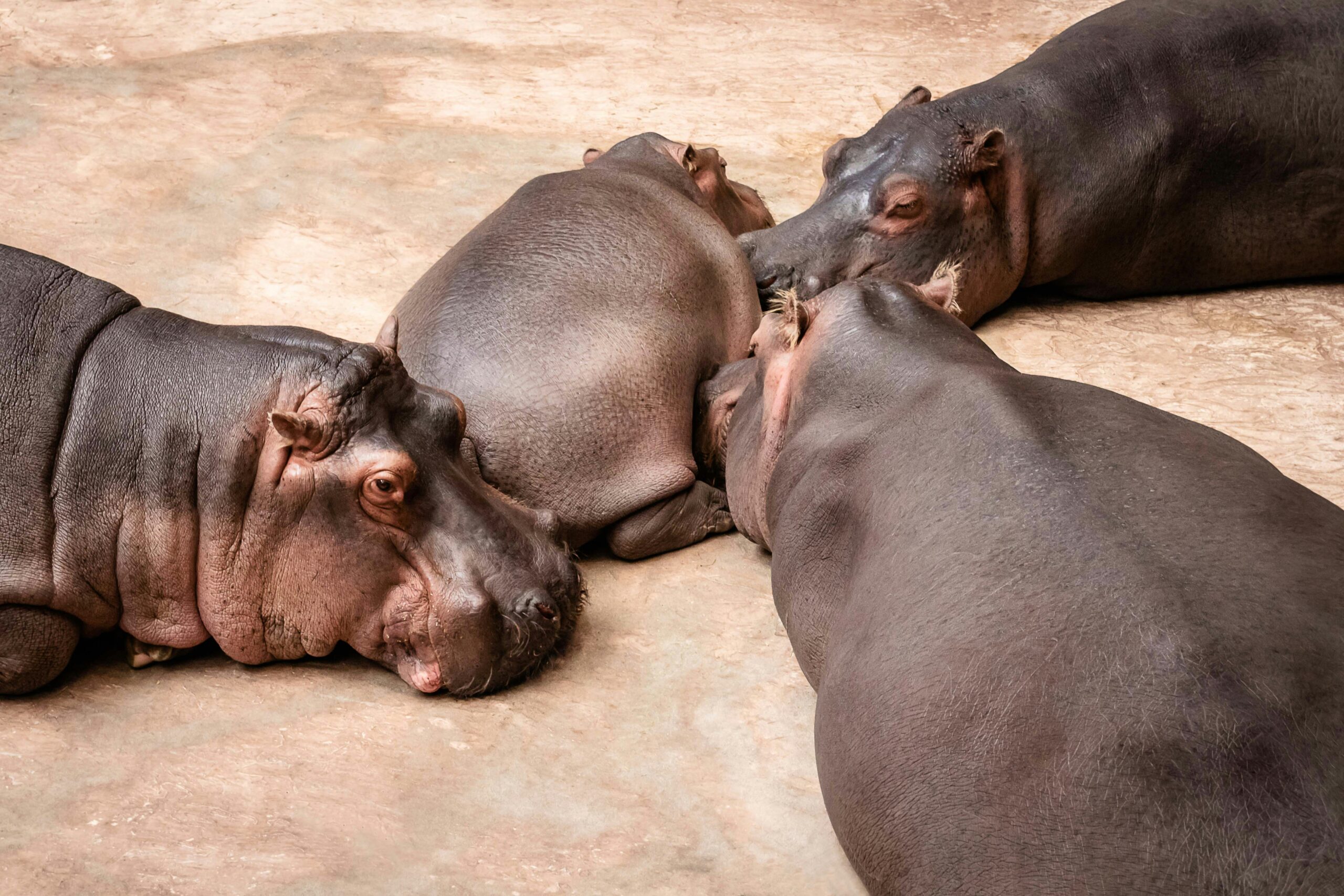
The whispers began as hushed tones, a ripple of disbelief spreading through circles of naturalists and historians alike. A “surprising sight” – hippos, those behemoths of the African waterways, glimpsed within the stark, sun-baked expanse of the Sahara Desert. But as the dust settled, and the latest scientific pronouncements materialized, the initial reports faded, replaced by a more nuanced and fascinating truth about the Sahara’s watery past and the creatures that once thrived there. The notion of a contemporary hippo herd navigating the dunes is a captivating, albeit ultimately unfounded, image, yet it serves as a potent catalyst to explore the profound transformations of this iconic landscape and the enduring testament of life that persists and once flourished within its arid embrace.
The initial reports, disseminated through various channels, painted a vivid picture. Images, perhaps digitally manipulated or misunderstood, circulated online and in speculative media. They depicted bulky, grey forms silhouetted against ochre sands, a stark contradiction to the known ecological realities of the Sahara. The very idea sparked a flurry of excitement and skepticism. Hippos, after all, are inextricably linked with water – vast lakes, meandering rivers, and expansive wetlands. Their sheer mass and semi-aquatic lifestyle necessitate constant immersion in water to regulate body temperature, protect their sensitive skin from the sun, and facilitate their movements. To imagine them in the heart of the Sahara, a region synonymous with extreme aridity and scarcity of life-sustaining water, seemed like a geographical and biological impossibility.
Understanding Hippo Ecology
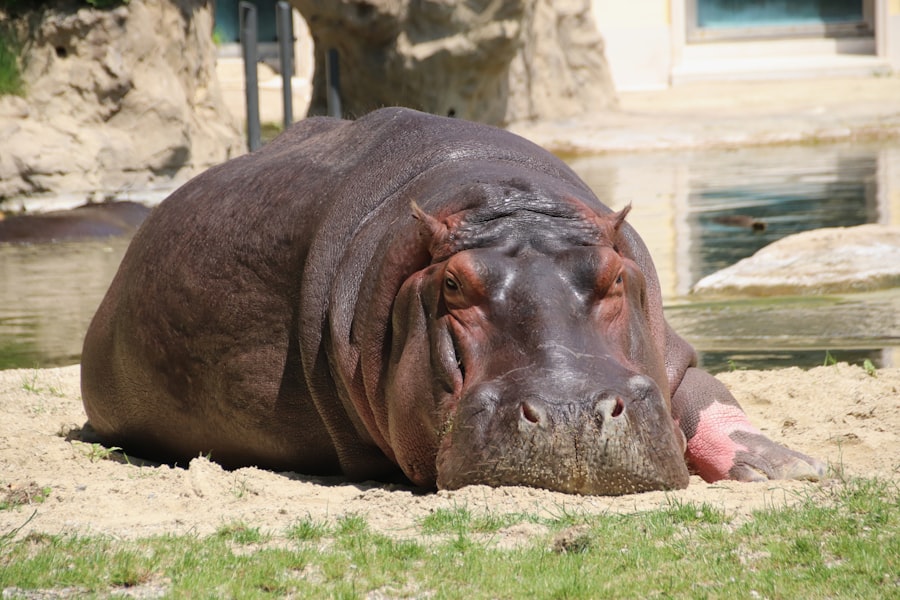
The common hippopotamus, Hippopotamus amphibius, is a formidable creature, ranking as the third largest land mammal in Africa. Its life is intimately tied to aquatic environments. These animals spend much of their day submerged in water, emerging primarily at night to graze on grasses. Their massive bodies, weighing up to 4,500 kilograms for males, require substantial hydration. Their skin, lacking oil glands and susceptible to dehydration and sunburn, necessitates daily immersion. The presence of water is not merely a convenience; it is an ecological imperative for their survival.
The Sahara’s Arid Reality
Conversely, the Sahara Desert, the largest hot desert in the world, is characterized by its extreme dryness. Rainfall is exceptionally low and unpredictable, with vast areas receiving less than 25 millimeters of precipitation annually. The landscape is dominated by sand dunes, rocky plateaus, and arid plains, with vegetation sparse and adapted to survive with minimal water. The absence of persistent surface water sources across the majority of the Sahara makes it an inhospitable environment for large, water-dependent mammals like hippos.
In exploring the fascinating history of hippos in the Sahara, one can draw connections to the broader themes of survival and adaptation in harsh environments. An intriguing article that delves into the archaeology of food rationing, which highlights how ancient civilizations managed their resources, can provide valuable insights into the challenges faced by both humans and animals in arid landscapes. For more information, you can read the article here: Uncovering the Archaeology of Food Rationing.
Echoes of a Green Sahara: A Lost World
While the idea of modern hippos in the Sahara might be a phantom, the concept of the Sahara as a verdant landscape is not mere fantasy. Scientific evidence, meticulously gathered and analyzed, paints a compelling picture of a dramatically different Sahara in the not-so-distant past. This “Green Sahara” era, a period of increased rainfall and flourishing ecosystems, allowed a diversity of life, including hippos, to thrive.
The Holocene Climatic Optimum
Approximately 6,000 years ago, during the early Holocene epoch, the Earth experienced a period known as the Holocene Climatic Optimum. This era was characterized by warmer temperatures and, crucially for North Africa, significantly higher rainfall. Monsoonal systems extended further north, transforming the arid heart of what is now the Sahara into a landscape dotted with lakes, rivers, and vast grasslands. This was a time of ecological abundance, a stark contrast to the desert we know today.
Witness to a Wetter Past: Rock Art
One of the most compelling pieces of evidence for this wetter Sahara comes from the realm of art. Ancient rock engravings and paintings found in locations like the Tassili n’Ajjer mountain range in southeastern Algeria offer breathtaking glimpses into a bygone era. These artistic expressions, created by early human populations, depict scenes of vibrant life, including animals that are now entirely absent from the region. Among these depictions are unambiguous representations of hippos, often shown in or near bodies of water. These artworks are not merely decorative; they are invaluable historical documents, providing visual confirmation of the presence of hippos in a Sahara that was vastly different from its current state.
Unearthing the Past: Fossil Discoveries
Beyond the artistry of early humans, the earth itself holds the physical remnants of this ancient ecosystem. The discovery of hippo fossils in various parts of the Sahara, particularly in areas of Niger like the Gombe region, serves as irrefutable proof of their historical presence. These fossilized bones are tangible evidence that hippos once roamed and lived in these now-arid lands.
Paul Sereno’s Groundbreaking Excavations
Recent paleontological endeavors have further illuminated this submerged history. Renowned paleontologist Paul Sereno and his team have made significant discoveries in Niger, unearthing what has been described as the “oldest graveyard of the Sahara.” Within this ancient lakebed, they have found a rich assemblage of fossilized remains, including fish bones, crocodile skulls, and, crucially, hippo remnants. These findings provide direct, scientific confirmation of a substantial, long-vanished lake that supported a diverse aquatic and semi-aquatic fauna, including hippos, in a region that is now bone-dry.
The Sahara’s Transformation: A Story of Climate Change
The shift from a “Green Sahara” to the hyper-arid desert known today is a profound example of climate change on a grand scale. Understanding this transition is crucial to appreciating why modern hippo sightings in the Sahara are highly improbable. The forces that reshaped this vast region are complex and driven by global atmospheric and oceanic patterns.
The Role of Orbital Cycles
The dramatic fluctuations in Sahara’s climate are largely attributed to Milankovitch cycles – long-term, cyclical variations in the Earth’s orbit. These cycles influence the amount of solar radiation received by different parts of the planet. During periods favorable to the northward expansion of the African monsoon, the Sahara received significantly more rainfall. As these orbital parameters shifted, the monsoons retreated southward, initiating the desertification process.
The Retreat of the Waters
As the monsoonal rains diminished, the numerous lakes and rivers that once characterized the Sahara began to shrink and eventually disappear. This drying out of the landscape led to the extinction of many of the species that were dependent on these aquatic environments. For hippos, the loss of their vital water sources meant an inability to survive, forcing any remaining populations to migrate or perish.
The Enduring Aridity
The Sahara has remained in its arid state for the last several thousand years. The absence of sufficient rainfall and the presence of extensive sand seas create a landscape that is fundamentally incompatible with the ecological needs of large, water-dependent mammals like the common hippopotamus.
Where Hippos Roam Today: A Separate Realm
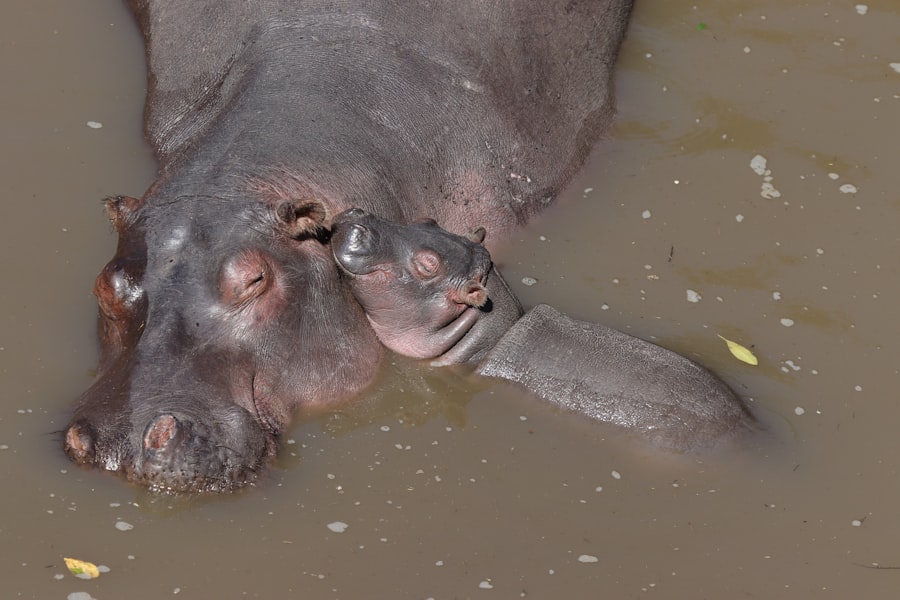
The confirmation that hippos once inhabited the Sahara does not, however, translate to them being present there today. Their wild populations have retreated to the more hospitable wetlands and river systems of sub-Saharan Africa, a testament to their continued reliance on water for survival.
Guardians of the Rivers: Current Habitats
Today, wild hippopotamus populations are found in various countries across sub-Saharan Africa. Their strongholds include the Democratic Republic of Congo, Uganda, Tanzania, Kenya, Ethiopia, Somalia, Sudan, and South Africa. These regions boast the large river systems and lakes that provide the essential habitat for these iconic animals.
Absent from the Northern Sands
Despite their historical presence, hippos are entirely absent from the contemporary North African desert. The ecological conditions simply do not permit their survival. The vastness of the Sahara, with its extreme temperatures and lack of water, presents an insurmountable barrier to any surviving hippo populations.
Recent discoveries in the Sahara have shed light on the fascinating history of hippos in the region, revealing how these magnificent creatures once thrived in what is now a vast desert. Archaeologists have uncovered evidence of ancient waterways that supported diverse wildlife, including hippos, which were integral to the ecosystem. For more intriguing insights into ancient civilizations and their connections to wildlife, you can read about a remarkable find in an ancient city by following this link. This article explores how archaeological efforts continue to unveil the mysteries of our past, including the habitats of animals like hippos.
The Case of the Colombian Hippos: A Misdirection
| Location | Population | Conservation Status |
|---|---|---|
| Sahara Desert | Unknown | Vulnerable |
Recent media coverage has sometimes conflated the idea of hippos in unusual locations with the actual ecological landscape of the Sahara. Specifically, the story of Pablo Escobar’s escaped hippos in Colombia has generated considerable attention and, at times, confusion.
The Narco-King’s Exotic Collection
The late Colombian drug lord Pablo Escobar maintained a private zoo on his Hacienda Nápoles estate in Puerto Triunfo, Colombia. Among his exotic collection were several hippos, imported from Africa. When Escobar was killed and his estate was largely abandoned, some of these hippos escaped into the local river systems.
An Invasive Species in the Americas
These escaped hippos have since established a breeding population in Colombia, becoming an invasive species. They are now a significant ecological concern, as they compete with native wildlife and can disrupt local ecosystems. Their presence in South America, however, has no bearing on the ecological conditions or hippo populations of the Sahara Desert in North Africa.
Note: It is crucial to differentiate between historical ecological presence, current wild populations, and introduced invasive species. While the Sahara once harbored hippos, its present-day arid state makes it unsuitable for them. Similarly, the situation in Colombia, while fascinating from an ecological and cultural perspective, is entirely separate from the African continent’s natural hippo distribution.
In conclusion, while the initial reports of hippos in the Sahara may have sparked a fleeting sense of wonder and surprise, they ultimately serve as a reminder of the dynamic nature of our planet’s ecosystems and the profound influence of climate. The Sahara, a land of stark beauty and resilience, once teemed with life, a testament to its wetter past. Today, its landscapes tell a different story, one of adaptation and survival in extreme conditions. The majestic hippos, though absent from its modern sands, continue to thrive in the vital waterways of sub-Saharan Africa, their presence a living link to the continent’s rich biodiversity and a symbol of the enduring power of nature. The “surprising sight” of hippos in the Sahara, therefore, lies not in their present-day presence, but in the compelling evidence of their ancient coexistence with a vastly different, greener African landscape.

The Sahara Won’t Stay a Desert Forever
FAQs
What are hippos doing in the Sahara?
Hippos are not native to the Sahara, but there have been sightings of hippos in the region due to climate change and human intervention. Some hippos have been introduced to the Sahara for conservation efforts, while others have migrated from their natural habitats in search of water and food.
How are hippos adapting to the Sahara environment?
Hippos in the Sahara are adapting to the harsh environment by seeking out water sources such as rivers, oases, and man-made reservoirs. They are also adjusting their feeding habits to consume a wider variety of plants and grasses that are available in the desert.
What are the potential impacts of hippos in the Sahara?
The presence of hippos in the Sahara could have both positive and negative impacts. On one hand, they could contribute to the ecosystem by creating new habitats and influencing vegetation growth. On the other hand, they could compete with native species for resources and potentially disrupt the balance of the ecosystem.
Are hippos in the Sahara a threat to humans?
While hippos are generally considered to be dangerous animals, there have been no reports of hippos in the Sahara posing a significant threat to humans. However, it is important for people to exercise caution and respect the natural behavior of hippos if they encounter them in the Sahara.
What is being done to study and monitor hippos in the Sahara?
Researchers and conservationists are conducting studies to better understand the behavior and impact of hippos in the Sahara. They are using tracking devices, satellite imagery, and field observations to monitor the movements and activities of hippos in the region. This information will help inform conservation efforts and management strategies for hippos in the Sahara.