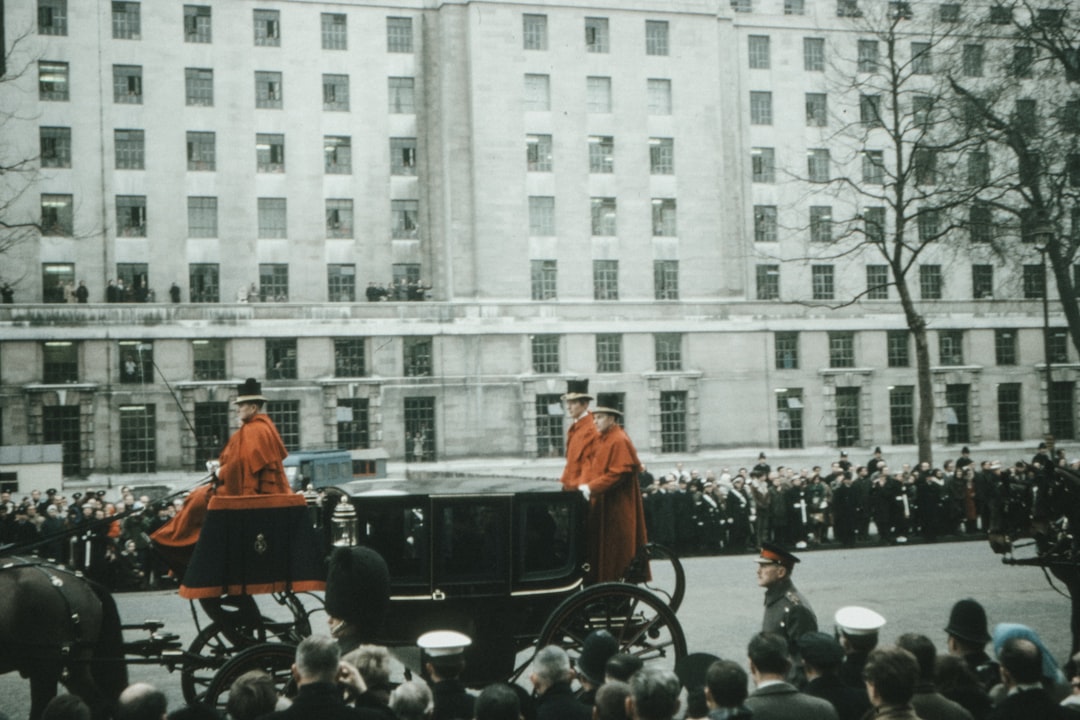
Historical manipulation refers to the deliberate alteration or misrepresentation of historical facts and events to serve specific agendas. This phenomenon has been a recurring theme throughout human history, often employed by those in power to shape public perception and influence societal beliefs. By distorting the past, individuals or groups can create narratives that justify their actions, bolster their authority, or promote ideologies.
The manipulation of history is not merely an academic concern; it has profound implications for how societies understand their identities, values, and futures. The motivations behind historical manipulation are varied and complex. Political leaders may seek to legitimize their rule by glorifying certain events or figures while downplaying or erasing less favorable aspects of history.
Similarly, cultural movements may reshape historical narratives to align with contemporary values or to foster a sense of unity among their followers. As such, the study of historical manipulation is essential for understanding the dynamics of power and the ways in which history can be weaponized in the service of ideology.
Key Takeaways
- Historical manipulation is the deliberate distortion or misrepresentation of historical facts and events for various purposes.
- Historical narratives have the power to shape public perception, influence decision-making, and perpetuate certain ideologies.
- Examples of historical manipulation include propaganda, censorship, and the glorification or demonization of certain historical figures.
- Governments and institutions play a significant role in historical manipulation through control of information, education, and cultural representation.
- Historical manipulation can have far-reaching impacts on society, including the perpetuation of stereotypes, the justification of discrimination, and the erosion of trust in institutions.
The Power of Historical Narratives
Historical narratives possess a unique power to shape collective memory and identity. They serve as the foundation upon which societies build their understanding of who they are and where they come from. These narratives can inspire pride and cohesion, but they can also foster division and conflict.
The stories that societies choose to tell about their pasts often reflect their current values and aspirations, making them potent tools for both unity and division. Moreover, the way history is taught and remembered can significantly influence future generations. When certain events are emphasized while others are marginalized, it creates a skewed perception of reality that can perpetuate stereotypes and biases.
For instance, the glorification of national heroes while ignoring the contributions of marginalized groups can lead to a narrow understanding of a nation’s history. This selective storytelling not only shapes individual identities but also influences broader societal attitudes toward issues such as race, gender, and class.
Examples of Historical Manipulation

Throughout history, numerous examples illustrate the practice of historical manipulation. One prominent case is the portrayal of World War II in various countries. In some nations, the narrative emphasizes heroic resistance against tyranny, while in others, it may focus on victimhood or collaboration with occupying forces.
These differing perspectives can lead to conflicting national identities and tensions between countries that share a common history. Another notable example is the way colonial histories have been recounted. Many former colonial powers have tended to downplay the violence and exploitation inherent in their imperial endeavors, instead framing their actions as benevolent missions to civilize “lesser” cultures.
This manipulation not only distorts historical facts but also impacts contemporary discussions about reparations and reconciliation. By presenting a sanitized version of colonialism, these narratives can perpetuate systemic inequalities and hinder meaningful dialogue about historical injustices.
The Role of Governments and Institutions in Historical Manipulation
| Government/Institution | Historical Manipulation | Impact |
|---|---|---|
| Government of China | Distortion of events like the Tiananmen Square massacre | Control of public perception and suppression of dissent |
| Soviet Union | Rewriting history to fit communist ideology | Creation of a false narrative to maintain power |
| Nazi Germany | Propaganda and censorship to promote Aryan supremacy | Perpetuation of hate and discrimination |
| North Korea | Manipulation of historical events to glorify the ruling Kim dynasty | Control of the population and suppression of dissent |
Governments and institutions play a crucial role in shaping historical narratives through education systems, media, and public commemorations. State-sponsored education often reflects the prevailing political ideology, leading to a curriculum that emphasizes certain events while omitting others. This selective teaching can create a generation that is unaware of critical aspects of their own history, making them more susceptible to manipulation.
Additionally, governments may engage in historical revisionism to bolster national pride or justify current policies. For instance, during times of conflict, leaders may invoke historical grievances or triumphs to rally support for military actions. Institutions such as museums and archives also wield significant influence over how history is presented to the public.
When these entities align with governmental narratives, they risk becoming complicit in the distortion of historical truth.
The Impact of Historical Manipulation on Society
The consequences of historical manipulation extend far beyond academic discourse; they permeate everyday life and societal interactions. When history is distorted, it can lead to a misinformed populace that struggles to engage critically with contemporary issues. This lack of understanding can foster intolerance and division, as individuals cling to simplified narratives that reinforce their biases.
Moreover, historical manipulation can undermine trust in institutions and erode social cohesion. When people discover that they have been misled about their past, it can lead to disillusionment with governments, educational systems, and media outlets. This erosion of trust can create a fertile ground for conspiracy theories and extremist ideologies to flourish, as individuals seek alternative explanations for their realities.
The Ethics of Historical Manipulation

The ethics surrounding historical manipulation raise important questions about responsibility and accountability. Is it ever justifiable to alter historical facts for a perceived greater good? While some may argue that certain narratives can promote social cohesion or national pride, others contend that the integrity of historical truth must be upheld at all costs.
The ethical implications become even more pronounced when considering the impact on marginalized communities whose histories are often erased or misrepresented. Furthermore, the question of who gets to tell history is inherently tied to power dynamics within society. Those in positions of authority often have greater access to resources that allow them to shape narratives, leading to an imbalance in representation.
This raises ethical concerns about inclusivity and the need for diverse voices in historical discourse. Ultimately, grappling with these ethical dilemmas is essential for fostering a more nuanced understanding of history that honors all perspectives.
Uncovering the Truth: The Importance of Historical Research and Fact-Checking
In an age where misinformation can spread rapidly, rigorous historical research and fact-checking are more critical than ever. Scholars and historians play a vital role in uncovering truths that may have been obscured by manipulation or bias. By employing rigorous methodologies and engaging with primary sources, historians can provide a more accurate portrayal of events that challenges dominant narratives.
Moreover, fact-checking organizations have emerged as essential resources in combating misinformation. These entities work tirelessly to verify claims made in public discourse, ensuring that individuals have access to accurate information about historical events. By promoting transparency and accountability in historical narratives, these efforts contribute to a more informed society capable of engaging critically with its past.
Combating Historical Manipulation: Education and Media Literacy
Education serves as one of the most powerful tools in combating historical manipulation. By fostering critical thinking skills and encouraging students to engage with multiple perspectives, educators can empower future generations to question dominant narratives and seek out diverse sources of information. A curriculum that emphasizes inquiry-based learning allows students to explore history as a complex tapestry rather than a linear story.
Media literacy is equally important in this endeavor. In an era dominated by digital communication, individuals must be equipped with the skills necessary to discern credible sources from unreliable ones. Teaching media literacy not only helps individuals navigate contemporary information landscapes but also instills a sense of responsibility toward preserving historical truth.
By cultivating an informed citizenry, societies can better resist attempts at historical manipulation.
The Long-Term Consequences of Historical Manipulation
The long-term consequences of historical manipulation can be profound and far-reaching. Societies that fail to confront their past may find themselves repeating mistakes or perpetuating cycles of injustice. When history is manipulated for political gain or ideological purposes, it can create divisions that persist across generations, hindering reconciliation efforts and fostering resentment.
Additionally, the legacy of manipulated histories can shape national identities in ways that are detrimental to social cohesion. A society built on a foundation of distorted truths may struggle to unite around shared values or goals, leading to fragmentation and conflict. Recognizing the long-term implications of historical manipulation underscores the importance of striving for accuracy and inclusivity in how history is understood and taught.
Historical Manipulation in the Digital Age
The digital age has transformed the landscape of information dissemination, presenting both challenges and opportunities for historical accuracy. On one hand, the internet has democratized access to information, allowing individuals from diverse backgrounds to share their perspectives on history. Social media platforms enable grassroots movements to challenge dominant narratives and amplify marginalized voices.
However, this same digital landscape has also facilitated the rapid spread of misinformation and disinformation. The ease with which false narratives can circulate poses significant challenges for historians and educators alike. As individuals increasingly rely on online sources for information about history, it becomes imperative to promote digital literacy skills that empower users to critically evaluate the credibility of what they encounter.
Preserving the Integrity of Historical Truth
Preserving the integrity of historical truth is essential for fostering an informed society capable of engaging with its past in meaningful ways.
By confronting historical manipulation head-on and striving for accuracy in narratives, societies can work toward reconciliation and understanding.
Ultimately, the responsibility lies with both individuals and institutions to uphold the principles of honesty and inclusivity in historical discourse. By recognizing the power of narratives and actively seeking out diverse perspectives, societies can cultivate a richer understanding of their histories—one that honors all voices and paves the way for a more just future.
Historical manipulation of facts has been a significant concern throughout various periods, as it shapes public perception and understanding of events. A related article that delves into this topic can be found on the Real Lore and Order website, which explores how narratives are constructed and altered over time. For more insights, you can read the article [here](https://www.realloreandorder.com/).
WATCH THIS! The 20 Things History Buried To Protect Us
FAQs
What is historical manipulation of facts?
Historical manipulation of facts refers to the deliberate distortion or alteration of historical events, evidence, or records in order to present a biased or false interpretation of the past.
Why do people manipulate historical facts?
People manipulate historical facts for various reasons, including political agendas, nationalistic propaganda, ideological beliefs, and personal gain. By distorting historical events, individuals or groups can shape public opinion, justify actions, or promote a particular narrative.
How does historical manipulation of facts affect society?
Historical manipulation of facts can have significant impacts on society by influencing public perceptions, shaping cultural identities, and perpetuating misinformation. It can also contribute to social division, conflict, and the erosion of trust in historical scholarship and institutions.
What are some examples of historical manipulation of facts?
Examples of historical manipulation of facts include the distortion of historical events in textbooks, the censorship of historical records, the fabrication of evidence to support a particular narrative, and the selective interpretation of historical data to fit a specific agenda.
How can historical manipulation of facts be countered?
Countering historical manipulation of facts requires critical thinking, fact-checking, and the promotion of historical literacy. It also involves supporting independent historical research, preserving historical records, and encouraging diverse perspectives in the study and interpretation of history.