The traditional image of North Africa often conjures vast, undulating deserts, camels traversing endless dunes, and hushed ancient cities. While the Sahara is undeniably a defining feature, this perception captures only a fraction of the region’s astonishing diversity and allure. Beyond the sandy expanses lies a tapestry of vibrant cultures, dramatic coastlines, verdant mountains, and a rich history that beckons the discerning traveler. Exploring North Africa beyond its iconic desert landscapes reveals a continent brimming with experiences that cater to adventurers, cultural enthusiasts, and those seeking an authentic, off-the-beaten-path journey. From the bustling souks of Marrakech to the Roman ruins of Carthage, from the rugged Atlas Mountains to the crystalline waters of the Mediterranean, North Africa offers a multifaceted adventure waiting to be unearthed.
While the desert dominates the southern reaches, the northern strip of North Africa is a realm of verdant highlands and sparkling Mediterranean coastlines. This is where ancient civilizations first took root, where Phoenicians, Romans, Vandals, and Arabs left indelible marks, shaping the cultural and architectural landscape. The Atlas Mountains, a formidable range stretching across Morocco, Algeria, and Tunisia, form a dramatic backdrop to coastal plains and offer a stark contrast to the arid south. These mountains are not just a geographical barrier; they are a cradle of Berber culture, home to resilient communities living in picturesque villages nestled amongst cedar forests and snow-capped peaks.
Coastal Charms and Ancient Ports
The Mediterranean coast of North Africa is a sun-drenched paradise, dotted with charming fishing villages, historic port cities, and pristine beaches. Morocco’s northern coastline, from the bustling Tangier with its storied past and upcoming infrastructure upgrades, to the serene blue city of Chefchaouen nestled in the Rif Mountains, offers a captivating blend of European and African influences. Here, visitors can wander through ancient medinas, savor freshly caught seafood, and witness the vibrant hues of the sea meeting the azure sky. Further east, Tunisia boasts a coastline renowned for its Roman ruins, most notably Carthage, a testament to Phoenician might and a pivotal city in the Punic Wars. The coastal towns in Tunisia offer a more laid-back atmosphere, ideal for those seeking relaxation and a glimpse into a Mediterranean way of life that has endured for millennia. The recent EU classification of Tunisia and Morocco as “safe countries of origin” (late 2025) further streamlines travel for those wishing to explore these accessible and historically significant coastal regions.
The Atlas Ascent: Peaks, Valleys, and Berber Life
The Atlas Mountains present an entirely different kind of North African exploration. For trekkers and nature lovers, the range offers a spectacular playground. Mount Toubkal, North Africa’s highest peak in Morocco, attracts seasoned mountaineers, but numerous other trails cater to varying fitness levels. Hiking through these mountains reveals a world of terraced farms, ancient kasbahs, and Berber villages where life unfolds at a slower, more traditional pace. Visitors can experience the legendary hospitality of the Berber people, share in their simple meals, and gain an intimate understanding of their enduring cultural practices. The transition from arid plains to lush mountain valleys, often adorned with orchards and flowing streams, underscores the incredible geographical diversity of the region. The air is crisp, the views are breathtaking, and the sense of stepping back in time is palpable.
Before the vast expanse of the Sahara Desert, North Africa was home to a rich tapestry of cultures and civilizations that thrived in its diverse landscapes. The ancient palace ruins scattered throughout the region offer a glimpse into this fascinating history, showcasing the architectural prowess and societal structures of the time. For a deeper understanding of these historical remnants, you can read more in the article titled “Exploring the Mysterious Secrets of Ancient Palace Ruins,” which delves into the significance of these sites and their impact on our understanding of North African heritage. You can find the article here: Exploring the Mysterious Secrets of Ancient Palace Ruins.
Algeria: A Land of Contrasts and Untamed Beauty
Algeria, the largest country in Africa, is a destination that has historically remained somewhat enigmatic to mass tourism, making it a prime candidate for those seeking genuine exploration. While much of its vast interior is characterized by the Sahara, its northern regions are a treasure trove of history, culture, and stunning natural beauty. The French colonial past has left an architectural imprint, particularly in Algiers, a captivating capital city with a stunning white-washed appearance cascading down towards the Mediterranean. Beyond the capital, Algeria offers a rich tapestry of experiences, from Roman ruins to vibrant cultural festivals.
Algiers: The White City and its Echoes of History
Algiers, often referred to as “Alger la Blanche” (Algiers the White), is a city that demands exploration. Its Casbah, a UNESCO World Heritage site, is a labyrinth of narrow alleyways, hidden courtyards, and traditional homes, a living museum of Ottoman and Arab architecture. Wandering through the Casbah offers a sensory overload of sights, sounds, and smells – the aroma of spices, the calls of street vendors, and the vibrant colors of textiles. The city also boasts impressive colonial-era architecture, grand boulevards, and a sophisticated arts scene. The recent recalibration of security deals with France suggests a continued focus on stability, making Algiers an increasingly accessible and rewarding destination for cultural immersion.
Roman Legacies in the Sahel and Beyond
Beyond the coastal cities, Algeria is home to some of North Africa’s most significant Roman ruins. Timgad, an exceptionally well-preserved Roman colonial city, offers a remarkably intact example of Roman urban planning, complete with its forum, temples, and theater. Djemila, another UNESCO site, is dramatically situated on a hilltop and provides breathtaking views alongside its well-preserved amphitheater, basilicas, and triumphal arches. These sites offer a tangible connection to the Roman Empire’s vast reach and its profound impact on the region’s development, a stark contrast to the nomadic lifestyles found further south.
The Jebel Acacus and Desert Pyramids: A Glimpse Southward
While focusing beyond the desert, it’s worth noting that Algeria’s southern reaches hold unique geological and historical wonders that are increasingly accessible. The Jebel Acacus, a mountain range in the southwest, is renowned for its stunning rock formations, often referred to as “desert mushrooms,” and its prehistoric rock art. This area is a testament to a time when the Sahara was a greener, more fertile landscape. Furthermore, whispers of enigmatic “desert pyramids” add a layer of mystique, hinting at forgotten civilizations and offering a compelling reason to venture further south, even if only for a glimpse of the desert’s deeper secrets.
Tunisia: A Gateway to Antiquity and a Mediterranean Gem

Tunisia, often considered the most accessible of the Maghreb nations, offers a compelling blend of ancient history, beautiful coastlines, and a relaxed Mediterranean atmosphere. From the vibrant capital of Tunis to the ruins of ancient Carthage and the picturesque villages of the northeast, Tunisia provides a diverse and rewarding travel experience. Its relatively compact size and well-developed infrastructure make it an ideal destination for those wishing to explore North Africa without venturing into the more remote and challenging terrains.
Tunis and the Medina’s Enduring Charm
Tunis, the capital city, is a fascinating juxtaposition of modern life and ancient traditions. Its most captivating feature is its sprawling Medina, another UNESCO World Heritage site. This ancient walled city is a maze of souks, mosques, madrasas, and traditional houses, where every turn reveals a new discovery. The vibrant atmosphere, the scent of mint tea and spices, and the intricate craftsmanship on display are an assault on the senses in the best possible way. Beyond the Medina, Tunis boasts grand colonial boulevards, a bustling harbor, and a vibrant arts and culinary scene, showcasing the country’s rich cultural heritage.
Carthage: Echoes of Empires
The ancient city of Carthage, a mere suburb of modern Tunis, is a must-visit for any history enthusiast. Once the capital of a powerful Phoenician empire that rivaled Rome, its ruins whisper tales of epic battles and vast dominions. The archaeological park encompasses a vast area, revealing remnants of Punic ports, Roman baths, amphitheaters, and villas. Standing amidst these colossal ruins, with the Mediterranean Sea stretching out before you, offers a profound connection to the ancient world and the people who shaped its destiny.
Sidi Bou Said: A Blue and White Dreamscape
Perched on a clifftop overlooking the Mediterranean, the village of Sidi Bou Said is a vision of white-washed buildings adorned with vibrant blue doors and windows. This picturesque village, a haven for artists and intellectuals, offers breathtaking panoramic views and a serene atmosphere. Wandering through its narrow, cobbled streets, lined with charming cafes and artisan shops, is an experience in itself. It is a place where time seems to slow down, allowing visitors to soak in the beauty and tranquility of this iconic North African village.
Morocco: A Tapestry of Culture, Mountains, and Coastal Wonders
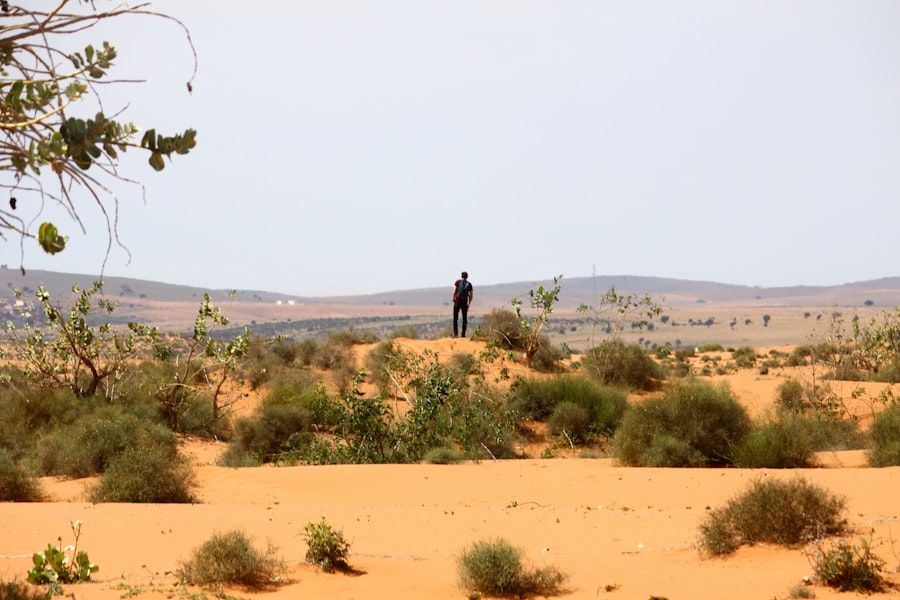
Morocco stands as one of North Africa’s most popular destinations, and for good reason. It offers an unparalleled diversity of landscapes and experiences, from the imperial cities with their bustling souks and intricate palaces to the snow-capped Atlas Mountains and the dramatic Atlantic coastline. The country has seen a remarkable surge in tourism, with a 20% increase in 2024, highlighting its enduring appeal. The ongoing development of two deepwater ports and a major gas pipeline further underscores Morocco’s strategic importance and its commitment to future growth.
The Imperial Cities: Imperial Grandeur and Sensory Delights
Morocco’s imperial cities – Marrakech, Fes, Meknes, and Rabat – are the pulsating hearts of its cultural heritage. Marrakech, with its iconic Djemaa el-Fna square, is a sensory overload of snake charmers, storytellers, and food stalls. Its vibrant souks offer a treasure trove of carpets, leather goods, spices, and intricate metalwork. Fes, the oldest of the imperial cities, boasts the world’s largest car-free urban area, its Fes el-Bali medina a labyrinth of over 9,000 narrow, winding streets. Meknes showcases grand architecture from its historical period, while Rabat, the capital, offers a more stately elegance. Exploring these cities is not just sightseeing; it’s an immersion into a living history.
The Jebel Acacus and Desert Pyramids: A Glimpse Southward
While Morocco is widely known for its desert experiences, its southern reaches, bordering the Sahara, also hold unique geological and historical wonders. The Jebel Acacus, a mountain range in the southwest, is renowned for its stunning rock formations, often referred to as “desert mushrooms,” and its prehistoric rock art. This area is a testament to a time when the Sahara was a greener, more fertile landscape. Furthermore, whispers of enigmatic “desert pyramids” add a layer of mystique, hinting at forgotten civilizations and offering a compelling reason to venture further south, even if only for a glimpse of the desert’s deeper secrets.
The Atlas Mountains and Berber Villages: Alpine Adventures and Cultural Encounters
The High Atlas Mountains in Morocco offer a dramatic contrast to the desert and coastal plains. For trekkers, the range provides endless opportunities for exploration, from challenging ascents of Toubkal to gentler walks through verdant valleys and traditional Berber villages. These villages, often built with local stone and clinging to hillsides, offer a glimpse into a way of life that has remained largely unchanged for centuries. Experiencing the renowned hospitality of the Berber people, sharing mint tea, and learning about their unique culture is a truly enriching aspect of visiting Morocco beyond its urban centers.
The Atlantic Coast: Windswept Beaches and Coastal Cities
Morocco’s Atlantic coastline is a starkly different but equally captivating aspect of the country. From the windswept beaches of Essaouira, popular with surfers and windsurfers, to the bustling port of Agadir and the historic city of El Jadida, the coast offers diverse attractions. Essaouira, with its charming blue and white medina, ancient ramparts, and lively fishing harbor, provides a laid-back atmosphere. Further south, the coastline transforms into dramatic cliffs and vast stretches of sand, offering opportunities for relaxation, water sports, and exploring coastal towns that have long been vital trading hubs.
In exploring the rich history of North Africa before the desert, one can gain fascinating insights into the region’s ancient civilizations and their interactions with neighboring cultures. A related article that delves into the mysteries of ancient environments is available at Uncovering the Unknown Past, which discusses how climatic changes have shaped various landscapes, including those in North Africa. This connection highlights the importance of understanding how historical climates influenced the development of societies long before the vast deserts took their current form.
Mauritania and Libya: Emerging Frontiers of Adventure
| Country | Population | Area (sq km) | Climate |
|---|---|---|---|
| Algeria | 44,616,624 | 2,381,741 | Arid to semiarid |
| Libya | 6,871,292 | 1,759,540 | Arid to semiarid |
| Morocco | 36,910,560 | 446,550 | Mediterranean |
| Tunisia | 11,694,719 | 163,610 | Arid to semiarid |
As other North African nations embrace tourism, Mauritania and Libya are emerging as compelling destinations for intrepid travelers, offering experiences that lie far beyond the conventional tourist trail. These countries, with their vast desert interiors, rich nomadic cultures, and unique historical sites, are ripe for exploration by those seeking true adventure and a deeper understanding of the region’s less-trodden paths. The introduction of new e-visa systems across North Africa by countries like Mauritania and the increased accessibility in Libya are paving the way for these regions to capture the surge in global interest.
Mauritania: The Iron Ore Train and the Eye of Africa
Mauritania, a vast Sahara nation, is increasingly attracting adventurous travelers drawn to its raw, untamed beauty and unique cultural experiences. A major highlight on the emerging tourism radar is the iconic Iron Ore Train. This legendary train, stretching over 2,000 kilometers, transports iron ore from the mines in the interior to the coast, offering intrepid passengers a truly unique and unforgettable journey across the desert. Beyond the train, the “Eye of Africa,” a geological marvel in the Adrar Plateau, a massive eroded dome that resembles a giant eye, is a spectacular natural wonder. Untamed Borders is launching a dedicated tour to Mauritania in 2026, signaling a growing interest in this fascinating country.
Libya: Jebel Acacus, Desert Pyramids, and Nomadic Encounters
Libya, once a more restricted destination, is now opening its doors to visitors, offering a glimpse into a North African landscape largely untouched by mass tourism. The Jebel Acacus mountain range in the southwest is a UNESCO World Heritage site, renowned for its breathtaking rock formations and ancient rock art, some dating back thousands of years. Travelers can explore these remote areas, discover hidden desert oases like Ubari’s, and witness the remnants of ancient civilizations that once thrived in this now arid landscape. The allure of the Jebel Acacus, desert pyramids, and encounters with resilient nomadic communities are drawing a new wave of adventurous explorers eager to experience Libya’s raw beauty and rich history. The planned tours to the South of Libya by Untamed Borders are indicative of this burgeoning interest.
The Maghreb Mosaic: A Fusion of Cultures and Landscapes
The term “Maghreb” refers to the western part of North Africa, encompassing Morocco, Algeria, and Tunisia. These three nations, while distinct in their cultures and histories, share a deep interconnectedness, a “Maghreb Mosaic” of shared traditions, languages, and influences. A new 22-day small-group tour launched by Crooked Compass in 2026, spanning Algeria, Tunisia, and Morocco, exemplifies the desire to experience this multifaceted region as a cohesive whole. This kind of comprehensive tour allows travelers to appreciate the nuances and commonalities that bind these North African countries together, revealing a richer, more complex understanding of the region.
Interconnected Histories and Shared Heritages
The history of the Maghreb is a multilayered narrative of conquests, trade, and cultural exchange. From the Roman occupation to the Arab invasions, from the Ottoman Empire to French colonialism, each era has left its indelible mark. This shared history is evident in the architecture, the cuisine, the languages, and the religious practices found across the region. The concept of the Maghreb as a unified entity is rooted in these long-standing connections, a testament to centuries of interaction and mutual influence, even amidst periods of political divergence.
The New Pan-African Investment Landscape
While focusing on the Maghreb, it’s important to acknowledge the broader geopolitical shifts occurring in North and West Africa. The formation of new regional investment banks by Mali, Burkina Faso, and Niger, while based in the Sahel, signals a growing trend of regional economic cooperation. These developments, alongside France’s recalibration of security deals with Algeria, hint at a shifting geopolitical landscape in North Africa, with implications for regional stability and future investment, potentially benefiting tourism in neighboring countries as well.
Conclusion: North Africa’s Enduring Allure
North Africa is a region of profound beauty, rich history, and diverse experiences that extend far beyond its iconic desert landscapes. From the azure waters of the Mediterranean to the rugged peaks of the Atlas Mountains, from the ancient ruins of Roman cities to the vibrant souks of imperial metropolises, the continent offers an unparalleled travel adventure. Emerging destinations like Mauritania and Libya, coupled with the established allure of Morocco, Algeria, and Tunisia, present a compelling case for a deeper exploration of this captivating corner of the world. With ongoing infrastructure developments and a growing emphasis on accessibility, now is an opportune time to discover the multifaceted wonders of North Africa, venturing beyond the sands to uncover a tapestry of culture, history, and natural beauty that promises to leave an indelible mark on every traveler. The call to explore North Africa, beyond the desert, is a call to embrace a journey of discovery, a testament to the enduring allure of a region that continues to captivate and inspire.

The Sahara Won’t Stay a Desert Forever
FAQs
What is the geographical location of North Africa?
North Africa is located in the northern region of the African continent, bordering the Mediterranean Sea to the north and the Sahara Desert to the south.
What were the major civilizations and empires in North Africa before the desert?
Before the desertification of North Africa, the region was home to several major civilizations and empires, including the ancient Egyptians, Carthaginians, Numidians, and the Roman Empire.
What was the climate and environment like in North Africa before the desertification?
Before the desertification, North Africa had a more temperate climate and a diverse environment, including fertile lands, forests, and abundant wildlife. The region was not as arid and dry as it is today.
How did the desertification of North Africa impact the region’s inhabitants?
The desertification of North Africa led to the displacement of many inhabitants, as the once fertile lands became arid and unsuitable for agriculture. This forced many people to migrate to other regions in search of better living conditions.
What are some of the lasting legacies of the civilizations in North Africa before the desert?
The civilizations and empires of North Africa before the desert left lasting legacies in the form of architectural marvels, cultural traditions, and advancements in science, mathematics, and literature. These legacies continue to influence the region and the world today.