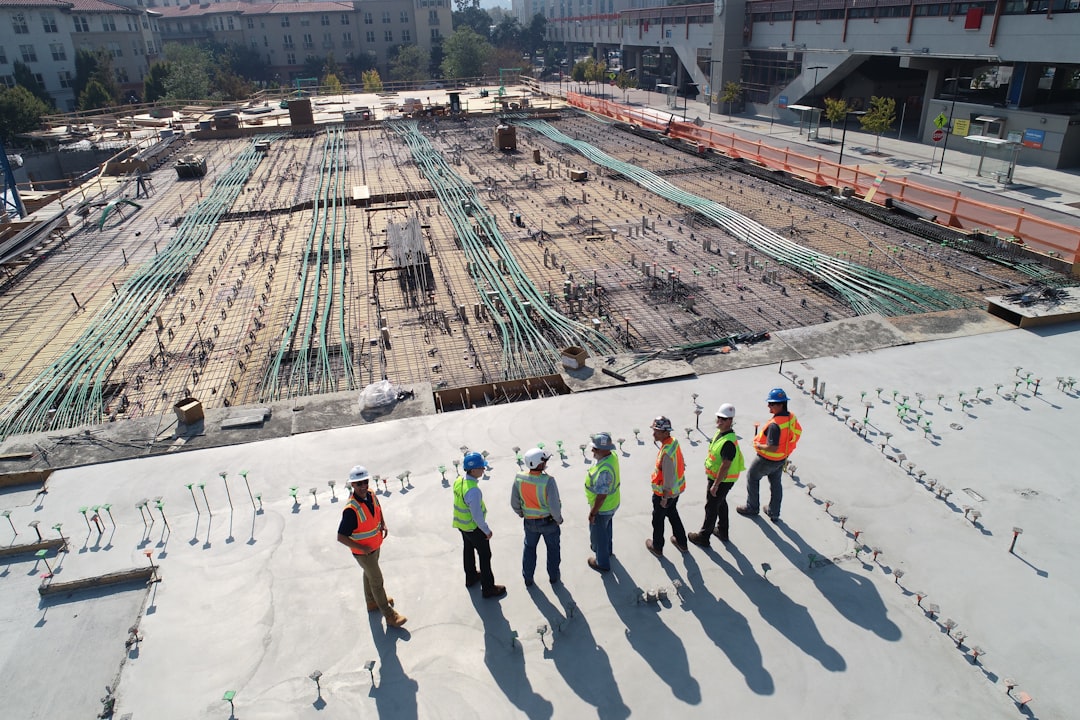
Uncovering buried secrets is a critical endeavor that significantly contributes to public safety. These secrets can range from historical artifacts and human remains to hazardous materials and hidden infrastructure. The act of revealing these concealed elements not only enriches the understanding of a community’s past but also plays a vital role in ensuring the safety and well-being of its current inhabitants.
When buried secrets are brought to light, they can inform urban planning, disaster preparedness, and even criminal investigations, ultimately leading to a more secure environment for all. Moreover, the process of uncovering these secrets often involves collaboration among various disciplines, including archaeology, geology, and law enforcement. This interdisciplinary approach enhances the effectiveness of the efforts, as each field brings its own expertise to the table.
By working together, professionals can ensure that the information gleaned from these discoveries is utilized to mitigate risks and enhance public safety measures. In essence, the importance of uncovering buried secrets transcends mere curiosity; it is a fundamental aspect of safeguarding communities and preserving their histories.
Key Takeaways
- Uncovering buried secrets is crucial for public safety as it can reveal hidden hazards and historical events that impact communities.
- Historical examples, such as the discovery of buried toxic waste sites, highlight the significant impact of uncovering buried secrets on public safety.
- Methods and technologies like ground-penetrating radar and LiDAR play a key role in uncovering buried secrets, aiding in disaster preparedness and urban planning.
- Archaeologists and historians are essential in uncovering buried secrets, providing valuable insights into past events and cultural heritage.
- Legal and ethical considerations must be carefully addressed when uncovering buried secrets to ensure the protection of cultural heritage and the rights of affected communities.
Historical Examples of Uncovered Buried Secrets and Their Impact on Public Safety
Throughout history, numerous examples illustrate the profound impact of uncovering buried secrets on public safety. One notable instance is the discovery of mass graves from past conflicts or genocides. These sites often contain the remains of individuals who suffered unimaginable atrocities, and their excavation can serve multiple purposes.
Not only does it provide closure for families seeking answers about their loved ones, but it also serves as a stark reminder of the consequences of hatred and violence. By acknowledging these buried secrets, societies can foster healing and work towards preventing future conflicts. Another significant example is the unearthing of toxic waste sites that have been long forgotten.
In many cases, industries have disposed of hazardous materials improperly, leading to environmental contamination that poses serious health risks to nearby communities. When these sites are discovered, they often prompt immediate action from local governments and environmental agencies to remediate the area and protect public health. The revelation of such buried secrets can lead to stricter regulations and increased awareness about environmental safety, ultimately benefiting the community at large.
Methods and Technologies Used in Uncovering Buried Secrets

The methods and technologies employed in uncovering buried secrets have evolved dramatically over the years. Traditional excavation techniques, while still relevant, have been supplemented by advanced technologies that allow for more efficient and less invasive exploration. Ground-penetrating radar (GPR) is one such technology that has revolutionized the field.
By sending radar pulses into the ground, GPR can create detailed images of subsurface structures without the need for extensive digging. This capability not only saves time and resources but also minimizes disruption to the surrounding environment. In addition to GPR, other technologies such as LiDAR (Light Detection and Ranging) and electromagnetic surveys have become invaluable tools in uncovering buried secrets.
LiDAR can produce high-resolution topographical maps that reveal hidden features beneath vegetation or debris, while electromagnetic surveys can detect variations in soil conductivity that may indicate the presence of buried objects or contaminants. These innovative methods enable researchers and professionals to gather critical information about what lies beneath the surface, facilitating informed decision-making regarding public safety.
The Role of Archaeologists and Historians in Uncovering Buried Secrets
| Role | Archaeologists | Historians |
|---|---|---|
| Research | Conduct excavations to uncover artifacts and analyze findings | Study written records and documents to understand historical events |
| Analysis | Use scientific methods to date and interpret artifacts | Interpret and contextualize historical events based on available evidence |
| Documentation | Record and document findings for future reference | Compile and analyze historical documents for publication |
| Preservation | Work to preserve and protect archaeological sites | Preserve historical records and documents for future generations |
Archaeologists and historians play a pivotal role in the process of uncovering buried secrets. Their expertise allows them to interpret findings within a broader historical context, providing valuable insights into past societies and their interactions with the environment.
This meticulous approach not only aids in understanding historical narratives but also contributes to cultural heritage preservation. Historians complement this work by analyzing documents, oral histories, and other records that can shed light on the significance of uncovered artifacts or sites. Their research helps contextualize discoveries, allowing communities to appreciate their shared history more fully.
Furthermore, both archaeologists and historians advocate for responsible practices when it comes to uncovering buried secrets, emphasizing the importance of ethical considerations in their work. By collaborating with local communities and stakeholders, they ensure that the process respects cultural sensitivities while prioritizing public safety.
Legal and Ethical Considerations in Uncovering Buried Secrets
The legal and ethical considerations surrounding the uncovering of buried secrets are complex and multifaceted. Laws governing archaeological excavations vary widely across different jurisdictions, often reflecting cultural values and historical contexts. In many cases, permits are required before any excavation can take place, ensuring that proper protocols are followed to protect both cultural heritage and public safety.
Additionally, laws may dictate how human remains are treated, necessitating sensitivity and respect for the deceased and their descendants. Ethical considerations also play a crucial role in this field. Professionals must navigate issues related to ownership, repatriation, and community involvement when uncovering buried secrets.
Engaging with local communities is essential to ensure that their voices are heard and respected throughout the process. This collaborative approach fosters trust and transparency, ultimately leading to more successful outcomes in terms of both public safety and cultural preservation.
The Impact of Uncovered Buried Secrets on Urban Planning and Infrastructure

Uncovering buried secrets can have significant implications for urban planning and infrastructure development. As cities expand and evolve, understanding what lies beneath the surface becomes increasingly important for ensuring safe construction practices. For instance, discovering ancient burial sites or historical structures can lead to changes in building plans or even halt construction altogether to allow for further investigation.
Such findings not only preserve cultural heritage but also inform planners about potential hazards associated with subsurface conditions. Moreover, knowledge gained from uncovering buried secrets can influence infrastructure projects aimed at disaster preparedness. For example, identifying areas prone to flooding or landslides through archaeological studies can guide urban planners in designing resilient infrastructure that mitigates risks to public safety.
By integrating insights from these discoveries into planning processes, cities can create environments that prioritize safety while honoring their historical narratives.
Uncovering Buried Secrets in Natural Disasters and Their Impact on Public Safety
Natural disasters often reveal buried secrets that can significantly impact public safety. For instance, after an earthquake or flood, previously hidden geological features may come to light, providing valuable information about potential hazards in affected areas. Understanding these features is crucial for disaster response teams as they assess risks and develop strategies for recovery.
By analyzing what lies beneath the surface, authorities can better prepare for future events and implement measures to protect vulnerable populations. Additionally, uncovering buried secrets related to past disasters can inform current practices in emergency management. Historical records of previous events may reveal patterns or trends that help predict future occurrences.
By studying these patterns alongside newly uncovered geological data, emergency planners can develop more effective response strategies tailored to specific risks faced by communities. Ultimately, this knowledge enhances resilience and fosters a culture of preparedness among residents.
The Role of Geologists and Geophysicists in Uncovering Buried Secrets
Geologists and geophysicists play an essential role in uncovering buried secrets by applying their scientific expertise to understand subsurface conditions better. Their work often involves analyzing soil composition, rock formations, and groundwater movement to identify potential hazards or resources hidden beneath the surface. By employing various techniques such as seismic surveys or soil sampling, these professionals can provide critical insights into what lies below ground level.
In addition to hazard assessment, geologists contribute to environmental protection efforts by identifying contaminated sites or assessing natural resources’ sustainability. Their findings can inform remediation strategies for polluted areas or guide responsible resource extraction practices. By collaborating with archaeologists, historians, urban planners, and other stakeholders, geologists ensure that their expertise is integrated into broader efforts aimed at uncovering buried secrets while prioritizing public safety.
Uncovering Buried Secrets in Criminal Investigations and Their Impact on Public Safety
The role of uncovering buried secrets extends into the realm of criminal investigations as well. Law enforcement agencies often rely on forensic archaeologists and other specialists to locate evidence related to unsolved cases or missing persons.
In this context, uncovering buried secrets becomes a matter of justice as much as it is about public safety. Moreover, these investigations can have broader implications for community safety by addressing patterns of criminal behavior or identifying potential threats. For example, uncovering evidence related to organized crime activities may lead authorities to dismantle networks that pose risks to public safety.
By prioritizing thorough investigations into buried secrets associated with criminal activity, law enforcement agencies contribute not only to individual cases but also to overall community well-being.
Collaborative Efforts in Uncovering Buried Secrets for Public Safety
Collaboration is key when it comes to uncovering buried secrets for public safety. Various stakeholders—including government agencies, academic institutions, non-profit organizations, and local communities—must work together to ensure comprehensive approaches are taken in these endeavors. By pooling resources and expertise from different fields, collaborative efforts can yield more effective results than isolated initiatives.
For instance, partnerships between archaeologists and environmental scientists can lead to innovative solutions for addressing contamination issues at historical sites while preserving cultural heritage. Similarly, collaboration between law enforcement agencies and forensic experts can enhance investigative processes related to criminal cases involving buried evidence. These cooperative efforts not only maximize resources but also foster a sense of shared responsibility among stakeholders committed to enhancing public safety through uncovering buried secrets.
The Future of Uncovering Buried Secrets for Public Safety and Disaster Preparedness
Looking ahead, the future of uncovering buried secrets for public safety holds great promise as technology continues to advance rapidly. Innovations such as artificial intelligence (AI) and machine learning are poised to revolutionize how professionals analyze data related to subsurface conditions or historical records. These tools can enhance predictive modeling capabilities, allowing for more accurate assessments of risks associated with natural disasters or urban development projects.
Furthermore, increased awareness about the importance of preserving cultural heritage alongside ensuring public safety will likely drive future initiatives focused on uncovering buried secrets. As communities recognize the value of their histories in shaping identity and resilience against challenges like climate change or social unrest, efforts will intensify toward responsible exploration practices that honor both past narratives and present needs. In conclusion, uncovering buried secrets is an essential endeavor that intersects with various aspects of public safety—from urban planning to disaster preparedness and criminal investigations.
As professionals across disciplines continue collaborating on these efforts while embracing technological advancements, society stands poised not only to safeguard its present but also to honor its past in meaningful ways.
In the ongoing discussion about the balance between public safety and transparency, the article on