
In an age where information is more accessible than ever, the concept of transparency in government has become a double-edged sword. Citizens are often led to believe that they have a clear view of the inner workings of their government, yet this perception can be misleading. The illusion of transparency is perpetuated by the selective release of information, where only certain details are made available to the public, creating a façade of openness.
This carefully curated narrative can obscure the more complex realities of governance, leaving citizens with a skewed understanding of their leaders’ actions and intentions. Moreover, the illusion of transparency can foster a false sense of security among the populace. When governments present themselves as open and accountable, citizens may feel less inclined to question their authority or demand further scrutiny.
This complacency can be dangerous, as it allows for the potential abuse of power to go unchecked. The gap between what is disclosed and what remains hidden can lead to a disillusioned public, one that may eventually realize that the transparency they believed in was merely a construct designed to maintain control and mitigate dissent.
Key Takeaways
- People often overestimate how much others can understand their thoughts and emotions, known as the illusion of transparency.
- Classified information is crucial for national security, but it can also be used to manipulate public perception and control the narrative.
- Whistleblowers play a significant role in uncovering government secrets and shedding light on unethical practices.
- The media has a responsibility to uncover government secrets and hold those in power accountable, but they also face ethical dilemmas in the process.
- Government secrecy raises legal and moral dilemmas, and the future of government transparency will continue to be a topic of debate and concern.
Classified Information and National Security
Classified information plays a pivotal role in national security, serving as a protective barrier against threats both foreign and domestic. Governments often justify the classification of certain documents and data as necessary for safeguarding sensitive information that could compromise national interests. However, this practice raises significant questions about the balance between security and accountability.
While it is essential to protect certain information from falling into the wrong hands, the over-classification of documents can lead to a culture of secrecy that undermines democratic principles. The challenge lies in determining what should remain classified and what should be accessible to the public. In many cases, the rationale for classifying information is not always transparent, leading to suspicions that governments may be hiding more than just national security concerns.
The lack of clarity surrounding classified information can breed mistrust among citizens, who may feel that their government is withholding critical information that affects their lives. This tension between the need for security and the public’s right to know is a delicate balancing act that requires constant vigilance and ethical consideration.
The Manipulation of Public Perception
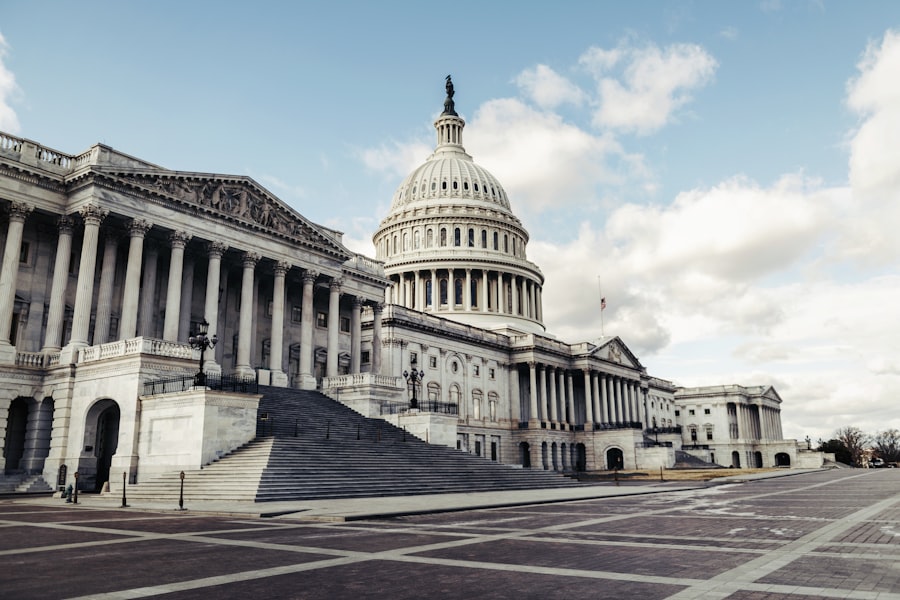
Governments have long understood the power of public perception and often engage in strategies to shape how they are viewed by their citizens. This manipulation can take many forms, from carefully crafted narratives to outright misinformation campaigns. By controlling the flow of information, governments can influence public opinion, divert attention from controversial issues, and maintain their legitimacy.
This manipulation can be particularly pronounced during times of crisis when leaders may seek to rally support or deflect criticism. The impact of such manipulation can be profound. When citizens are presented with a distorted version of reality, their ability to make informed decisions is compromised.
This can lead to a populace that is more susceptible to propaganda and less likely to question authority. Furthermore, when the truth eventually emerges, it can result in widespread disillusionment and distrust in government institutions. The cycle of manipulation and revelation can erode the very foundations of democracy, leaving citizens feeling powerless and disenfranchised.
The Impact of Whistleblowers
| Impact of Whistleblowers | Statistics |
|---|---|
| Number of Whistleblower Reports | Increasing over the years |
| Percentage of Whistleblower Reports leading to investigations | Varies by industry |
| Amount of Financial Recoveries due to Whistleblower Cases | Billions of dollars |
| Impact on Corporate Culture | Positive changes reported |
Whistleblowers play a crucial role in exposing government misconduct and holding those in power accountable. These individuals often risk their careers, reputations, and even their safety to bring attention to unethical practices or illegal activities within government agencies. Their courage can lead to significant changes in policy and greater transparency, as their revelations force governments to confront uncomfortable truths.
However, whistleblowers often face severe repercussions for their actions, including legal challenges and social ostracism. The impact of whistleblowers extends beyond individual cases; they serve as a reminder of the importance of accountability in governance. Their actions can inspire others to speak out against wrongdoing, fostering a culture of integrity within institutions.
Moreover, whistleblowers often highlight systemic issues that require reform, prompting public discourse on critical topics such as civil liberties, human rights, and government oversight.
The Role of Media in Uncovering Government Secrets
The media serves as a vital watchdog in democratic societies, playing an essential role in uncovering government secrets and holding power accountable. Investigative journalism has historically been instrumental in exposing corruption, abuse of power, and other forms of misconduct within government institutions. Through diligent research and reporting, journalists can bring hidden truths to light, informing the public and prompting necessary action from authorities.
However, the relationship between the media and government is often fraught with tension. Governments may attempt to suppress unfavorable coverage or discredit journalists who challenge their narratives. In some cases, this can lead to legal battles over access to information or even threats against journalists’ safety.
Despite these challenges, the media remains committed to its role as a purveyor of truth, often at great personal risk. The courage displayed by journalists in the face of adversity underscores the importance of a free press in maintaining democratic values and ensuring that citizens remain informed about their government’s actions.
The Ethics of Government Secrecy
The ethics surrounding government secrecy are complex and multifaceted. On one hand, there are legitimate reasons for keeping certain information confidential—national security concerns, diplomatic negotiations, and sensitive personal data all warrant protection. On the other hand, excessive secrecy can lead to abuses of power and a lack of accountability.
The ethical dilemma lies in determining where to draw the line between necessary confidentiality and unjustified secrecy. Governments must navigate this ethical landscape carefully, balancing the need for transparency with the imperative to protect sensitive information. This requires robust oversight mechanisms and clear guidelines on what constitutes legitimate grounds for classification.
By prioritizing ethical considerations in decision-making processes, governments can work towards greater accountability while still safeguarding essential information.
The Consequences of Hidden Truths
The consequences of hidden truths can be far-reaching and detrimental to society as a whole. When governments conceal information from the public, it undermines trust in institutions and erodes the social contract between citizens and their leaders. This lack of transparency can lead to widespread cynicism and disengagement from the political process, as individuals feel that their voices are not being heard or valued.
Moreover, hidden truths can perpetuate systemic injustices and allow harmful practices to continue unchecked. When critical information is withheld, marginalized communities may suffer disproportionately from policies that do not reflect their needs or concerns. The failure to address these hidden truths can result in social unrest and conflict, as citizens demand accountability and justice for perceived wrongs.
Ultimately, the consequences of secrecy extend beyond individual cases; they shape the very fabric of society and influence future generations’ relationship with governance.
The History of Government Cover-ups
Throughout history, government cover-ups have been a recurring theme in many societies. From Watergate to Iran-Contra, instances where officials have sought to conceal wrongdoing have left indelible marks on public consciousness. These cover-ups often arise from a desire to protect political interests or maintain power at all costs.
However, when such actions come to light, they can lead to significant political upheaval and loss of public trust. The historical context surrounding these cover-ups reveals patterns that persist across different administrations and political systems. Often, they are characterized by a culture of secrecy that prioritizes loyalty over accountability.
As citizens become aware of these patterns, they may become increasingly skeptical of government narratives, leading to calls for reform and greater transparency. Understanding this history is crucial for recognizing the importance of vigilance in holding governments accountable for their actions.
The Psychology of Secrecy
The psychology behind secrecy is deeply rooted in human behavior and societal norms. Individuals often keep secrets for various reasons—fear of judgment, desire for control, or protection from consequences are just a few motivations that drive people to conceal information. In governmental contexts, this psychology can manifest in a culture where secrecy becomes normalized as a means of maintaining power or avoiding scrutiny.
This psychological dynamic can create an environment where individuals feel compelled to conform to a culture of silence rather than speak out against wrongdoing. Over time, this can lead to systemic issues within institutions where transparency is stifled by fear or complacency. Understanding the psychological underpinnings of secrecy is essential for fostering an environment where open communication is encouraged and valued.
The Legal and Moral Dilemmas of Concealing Information
The legal framework surrounding government secrecy presents numerous dilemmas that challenge both ethical considerations and constitutional rights. Laws governing classified information often prioritize national security over public access to information, creating tension between governmental authority and citizens’ rights to know. This legal landscape raises critical questions about accountability—when does protecting state secrets infringe upon democratic principles?
Moral dilemmas also arise when considering the implications of concealing information from the public. Governments must grapple with their responsibility to inform citizens about issues that directly affect their lives while also safeguarding sensitive data that could pose risks if disclosed. Striking this balance requires careful deliberation and an unwavering commitment to ethical governance.
The Future of Government Transparency
As society continues to evolve in an increasingly digital age, the future of government transparency remains uncertain yet promising. Advances in technology have made it easier for citizens to access information and hold governments accountable through platforms like social media and online petitions. This shift has empowered individuals to demand greater transparency from their leaders while also challenging traditional narratives.
However, challenges persist as governments navigate the complexities of maintaining security while fostering openness. The ongoing debate surrounding privacy rights versus public access will likely shape future policies on transparency. Ultimately, the trajectory toward greater openness will depend on collective efforts from citizens, advocacy groups, and policymakers committed to upholding democratic values in an era marked by rapid change.
In conclusion, while significant strides have been made toward enhancing government transparency, much work remains to be done. The interplay between secrecy and openness will continue to define the relationship between citizens and their governments as society grapples with these critical issues moving forward.
The topic of government transparency and the information that may be withheld from the public is a subject of great interest and concern. For those looking to delve deeper into this issue, a related article can be found at Real Lore and Order, which explores various aspects of government secrecy and its implications for society.
WATCH THIS! The 20 Things History Buried To Protect Us
FAQs
What does the government hide from us?
The government may hide information related to national security, intelligence operations, diplomatic negotiations, and classified military activities.
Why does the government hide information from the public?
The government may hide information to protect national security, maintain diplomatic relations, safeguard sensitive intelligence operations, and prevent public panic or unrest.
How does the government hide information?
The government may hide information through classification, redaction, non-disclosure agreements, and restricted access to certain documents or data.
What are some examples of information the government has hidden from the public?
Examples of information the government has hidden from the public include classified military operations, intelligence gathering methods, diplomatic negotiations, and certain aspects of law enforcement activities.
How can the public access information that the government hides?
The public can access certain government information through Freedom of Information Act (FOIA) requests, declassification processes, and government transparency initiatives. However, some information may remain permanently classified or restricted.