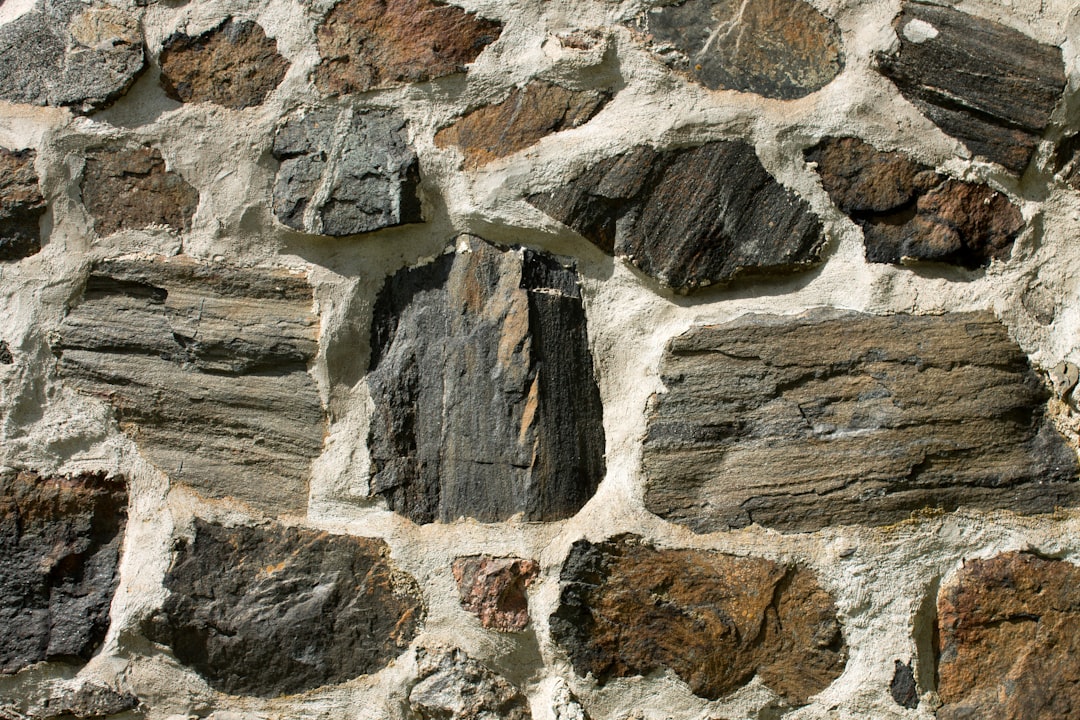
Polygonal masonry stands as a testament to ancient ingenuity, a building technique that, despite its age, offers remarkable resilience, particularly in the face of seismic activity. Unlike the standardized, rectilinear blocks of more common construction, polygonal masonry employs stones of irregular shapes and varying sizes, carefully fitted together without mortar or with minimal use of it. This seemingly chaotic arrangement, when executed with precision, creates a robust and adaptable structural system that has proven its mettle through centuries of earthquakes. This article delves into the principles behind polygonal masonry and its inherent earthquake-resistant properties, exploring the historical context, the geotechnical advantages, and the modern relevance of this ancient art.
The origins of polygonal masonry can be traced back to ancient civilizations in various parts of the world, including the Mediterranean, the Andes, and parts of Asia. These

The Walls That Shouldn’t Still Be Standing
FAQs
What is polygonal masonry?
Polygonal masonry is a construction technique where stones are cut and shaped to fit together tightly without the use of mortar. The stones are typically irregular in shape and are fitted together like a puzzle, creating a strong and durable structure.
How does polygonal masonry make buildings earthquake resistant?
The tight fitting of the stones in polygonal masonry creates a structure with high resistance to lateral forces, such as those experienced during an earthquake. The interlocking stones distribute the forces throughout the structure, reducing the likelihood of collapse during seismic activity.
Where is polygonal masonry commonly used?
Polygonal masonry has been historically used in regions with high seismic activity, such as parts of Italy, Greece, and South America. It is also found in ancient structures in various parts of the world, including the Inca and Aztec civilizations.
What are the advantages of using polygonal masonry in earthquake-prone areas?
The use of polygonal masonry in earthquake-prone areas offers several advantages, including increased structural stability, reduced risk of collapse during seismic events, and minimal maintenance requirements due to the durable nature of the construction.
Are there any limitations or drawbacks to using polygonal masonry in construction?
While polygonal masonry offers significant earthquake resistance, it can be labor-intensive and time-consuming to construct. Additionally, finding and shaping the irregular stones required for this technique can be challenging and may increase construction costs.