Mycenaean Polygonal Masonry: Ancient Engineering Marvels
The Bronze Age Aegean, a period of burgeoning Mediterranean civilizations, witnessed the rise of the Mycenaeans, a culture renowned for its impressive architecture and formidable fortifications. Among their most striking achievements is their mastery of polygonal masonry, a construction technique that produced structures of remarkable strength and aesthetic appeal. These monumental stone walls, characterized by their irregular yet precisely fitted blocks, stand as a testament to the engineering prowess and skilled craftsmanship of a civilization that predates the classical Greek golden age. Exploring Mycenaean polygonal masonry offers a window into their society, their technological capabilities, and their enduring impact on the architectural landscape of the ancient world.
The Mycenaean civilization, flourishing from roughly 1600 to 1100 BCE, was a society built on a foundation of interconnected but often competing palace-states. Control of territory and resources was paramount, and defense was a critical aspect of their societal organization. This necessity led to the development of some of the most robust and strategically placed fortifications of the ancient world. The sheer scale and complexity of these defensive structures, often referred to as “megalithic” due to the size of the stones employed, immediately convey a sense of power and security.
The Citadel as a Symbol of Authority
The Mycenaean citadel, perched atop strategic hills and plateaus, was more than just a military stronghold; it was the administrative and economic heart of a palace-state, a symbol of the ruling elite’s power and authority. The imposing cyclopean walls that enclosed these citadels were designed to deter invaders and project an image of invincibility. The strategic placement of these citadels, often commanding views of surrounding plains and coastlines, allowed for early warning of approaching enemies and facilitated the control of trade routes.
The Corriders and Gates: Choke Points of Defense
The intricate network of corridors and monumental gateways leading into the citadels were meticulously designed defensive features. These “choke points” were intended to funnel attackers into narrow, exposed areas where defenders could rain down projectiles and launch coordinated assaults. The Lion Gate at Mycenae itself is a prime example, its massive lintel and towering relieving triangle forcing any approaching force to pass under its imposing gaze. The use of carefully placed bastions and flanking positions within these entranceways further amplified their defensive capabilities.
The Strategic Placement of Walls
The success of Mycenaean fortifications lay not only in the quality of construction but also in their intelligent placement. They often chose naturally defensible locations, utilizing steep slopes and rugged terrain to their advantage. The walls were then integrated with the existing topography, utilizing a layered defense system that made them exceptionally difficult to breach. This thoughtful integration of natural defenses with man-made structures speaks volumes about the tactical understanding of Mycenaean engineers.
Mycenaean polygonal masonry is a fascinating architectural technique that showcases the advanced engineering skills of the Mycenaean civilization. For those interested in exploring related topics, an intriguing article on safeguarding valuable assets can be found at Protecting Your Gold: Safeguarding Against Government Seizure. While it may seem unrelated at first glance, both subjects highlight the importance of preservation—whether it be ancient structures or personal wealth.
The Art of Polygonal Masonry: A Revolution in Stone
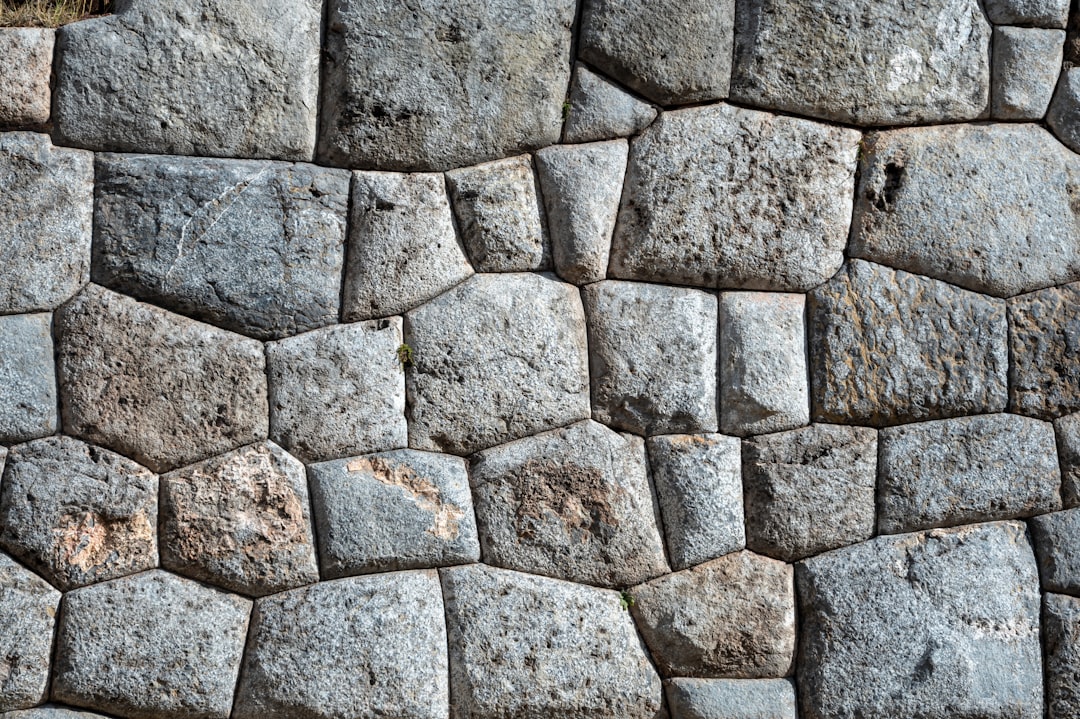
The term “polygonal masonry” accurately describes the characteristic style of construction employed by the Mycenaeans. Unlike the standardized blocks of later classical Greek architecture, Mycenaean builders worked with stones of varying shapes and sizes, often featuring multiple irregular faces. The remarkable aspect of this technique lies in the precise fitting of these irregular blocks together, creating seamless and incredibly strong walls with minimal or no mortar.
Irregular Blocks, Precise Fits
The hallmark of polygonal masonry is the use of irregularly shaped limestone or conglomerate blocks. These stones were not roughly hewn but rather carefully shaped and dressed to create interlocking joints. Imagine fitting together a complex jigsaw puzzle, but with large, heavy stone pieces. Each block was individually worked to match the contours of its neighbors, resulting in a visually dynamic yet structurally cohesive surface. This labor-intensive process required immense skill and a deep understanding of stone properties.
The Strength of Interlocking Stones
The sheer weight and interlocking nature of these polygonal blocks provided exceptional stability and resistance to seismic activity and battering rams. The irregular shapes meant that there were no continuous horizontal or vertical joints that could be easily exploited by attackers. The forces applied to the wall were distributed through the complex network of stone interfaces, making them remarkably resilient. This engineering solution was a significant advancement over simpler mudbrick or ashlar construction methods.
Minimal or No Mortar: A Testament to Skill
What is perhaps most astonishing about Mycenaean polygonal masonry is the minimal, and often complete absence of mortar. In many of their most impressive constructions, the stones are fitted so tightly that a knife blade cannot be inserted between them. This level of precision implies an extraordinary level of technical expertise and a profound understanding of the tensile strength and frictional properties of stone. The reliance on precise fitting rather than adhesive materials speaks to a sophisticated approach to construction.
The Cyclopean Walls: Giants of the Ancient World
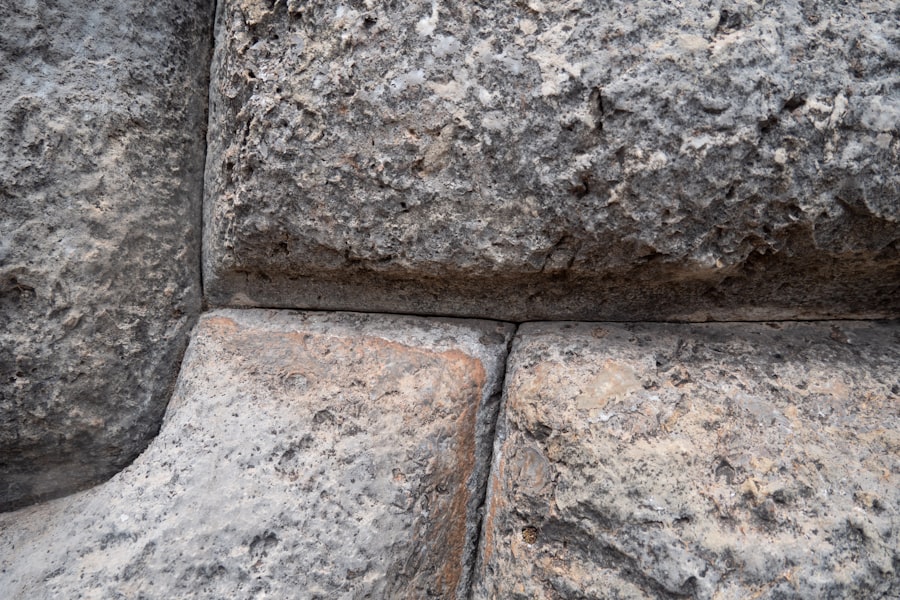
The term “cyclopean masonry” is often used interchangeably with polygonal masonry to describe the most monumental Mycenaean fortifications. This designation, originating from ancient Greek belief that only giants (cyclopes) could have moved and placed such massive stones, highlights the awe-inspiring scale of these structures. The sheer size of the individual blocks used in these walls, some weighing many tons, is a testament to the extraordinary human effort and ingenuity involved in their construction.
Monumental Slabs and Towers
The outer fortifications of Mycenaean citadels often consist of colossal, roughly dressed polygonal blocks, some reaching several meters in length and height. These immense stones formed the primary structural elements of the walls, creating an imposing barrier. Interspersed within these massive walls were towers, strategically placed to provide vantage points and flanking fire. These towers, constructed using similar polygonal techniques, further augmented the defensive capabilities of the citadel.
The Burden of Labor and Logistics
The creation of cyclopean walls involved an immense undertaking in terms of labor and logistical organization. Quarrying, transporting, and lifting these massive stones required a dedicated workforce, sophisticated tools, and a well-managed supply chain. The sheer scale of these operations suggests a highly organized society capable of mobilizing and coordinating large numbers of people and resources for public works projects. The social and economic implications of such undertakings are as significant as the engineering feats themselves.
Understanding the “Cyclopean” Myth
The ancient Greek attribution of these walls to cyclopes reveals a profound respect for, and perhaps even a fear of, the capabilities of earlier civilizations. It suggests that the awe-inspiring nature of the construction far surpassed what they themselves believed to be achievable with their own contemporary technologies. This mythologizing of Mycenaean architecture speaks to the enduring impact of their building achievements on the cultural imagination of later peoples.
Construction Techniques and Tools: The Mycenaean Toolkit
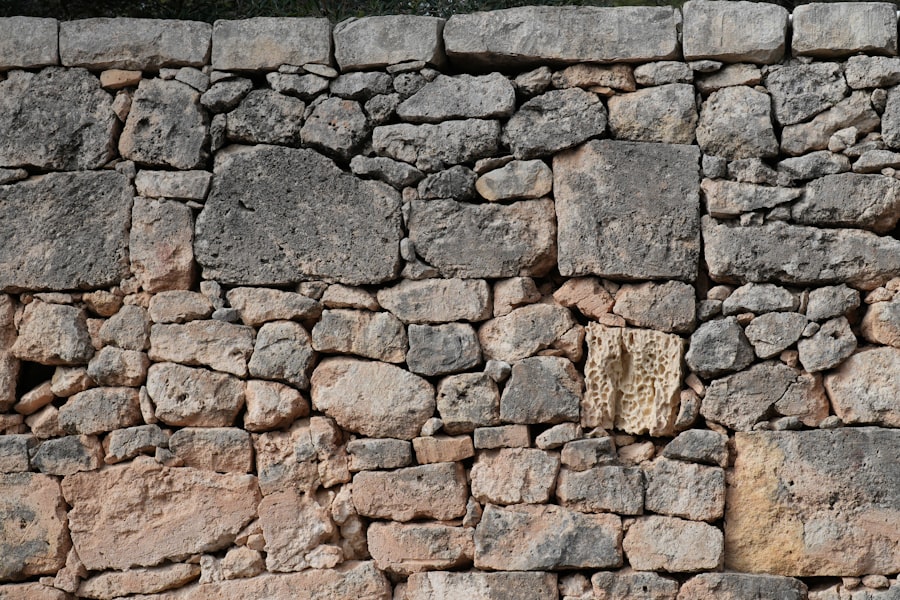
While direct evidence of the tools used by Mycenaean masons is scarce, archaeological findings and sophisticated analysis of the stone surfaces provide valuable insights into their construction methods. The precision with which they worked, especially in achieving such tight-fitting joints without mortar, points to a mastery of available materials and tools.
Quarrying and Shaping Stone
The process began with quarrying stone, likely from nearby hillsides. Techniques such as using wooden wedges, which would expand when wet, or hammering bronze chisels and mallets into fissures, would have been employed to break off large blocks. The subsequent shaping and dressing of these blocks demanded skill and patience. Bronze chisels, hammers, and abrasive materials like sand and water would have been used to achieve the desired contours and smooth surfaces for interlocking.
Lifting and Placement Strategies
The lifting and positioning of these immense stones remain a subject of debate, but likely involved a combination of sophisticated techniques. Ramps constructed from earth and rubble would have allowed blocks to be dragged into position. Levers, rollers (though evidence for these is debated), and organized teams of laborers coordinating their efforts would have been essential for maneuvering and precisely placing the heavy stones. The sheer scale of coordination required for these tasks is staggering.
The Role of Skilled Labor
The success of polygonal masonry was ultimately dependent on a highly skilled workforce. Stonemasons, quarry workers, surveyors, and laborers all played crucial roles. The consistent quality of construction across different sites suggests a tradition of transmitted knowledge and a hierarchical structure within the craft guilds or workshops. This dedication to specialized skills was fundamental to realizing these ambitious architectural projects.
Mycenaean polygonal masonry is a fascinating architectural technique that showcases the advanced engineering skills of the ancient Mycenaeans. This method, characterized by large, irregularly shaped stones fitted together without the use of mortar, has intrigued historians and archaeologists alike. For those interested in the broader implications of ancient practices on modern society, a related article discusses strategies for safeguarding wealth against hyperinflation, highlighting how historical knowledge can inform contemporary financial decisions. You can read more about this intriguing connection here.
The Legacy of Micenaean Engineering: Echoes in Time
| Aspect | Details |
|---|---|
| Construction Technique | Polygonal masonry with irregularly shaped stones fitted together without mortar |
| Location | Found in Mycenaean archaeological sites in Greece |
| Period | Commonly associated with the Late Bronze Age (1600-1100 BCE) |
| Function | Used in the construction of defensive walls, fortifications, and some tombs |
| Characteristics | Highly skilled craftsmanship, irregular and tightly fitted stones, often with a slightly convex outer face |
The polygonal masonry of the Mycenaeans was not merely a functional construction method; it was an artistic expression that showcased their power, their organizational capacity, and their engineering ingenuity. The enduring presence of these structures centuries after their construction speaks to their remarkable durability and the lasting impact of Mycenaean architectural innovation.
Influence on Later Greek Architecture
While classical Greek architecture is known for its harmonious proportions and ashlar masonry, the foundations of its aesthetic and engineering principles can be traced back to the Mycenaeans. The Mycenaean tradition of monumental building, of understanding the structural integrity of stone, and of striving for impressive scale, certainly laid groundwork for the architectural ambitions of later periods. The sheer physical presence of these ancient fortifications served as a constant reminder of past achievements.
Enduring Monuments to a Lost Civilization
The remnants of Mycenaean polygonal masonry stand today as powerful, tangible links to a sophisticated Bronze Age civilization. The walls of Mycenae, Tiryns, and other fortified centers continue to inspire awe and wonder, inviting us to contemplate the lives and capabilities of the people who built them. These enduring monuments are not just piles of stone; they are narratives of power, defense, and unparalleled engineering skill.
A Legacy of Resilience and Innovation
Mycenaean polygonal masonry represents a remarkable achievement in ancient engineering. The ability to construct such formidable and aesthetically significant structures with the tools and knowledge available at the time is a testament to human ingenuity and perseverance. Their work served not only practical purposes of defense but also projected an image of authority and cultural sophistication, leaving an indelible mark on the history of architecture and our understanding of the ancient world. The resilience of their constructions, weathering millennia of earthquakes and human conflict, is a profound testament to their engineering vision.

The Walls That Shouldn’t Still Be Standing
FAQs
What is Mycenaean polygonal masonry?
Mycenaean polygonal masonry is a construction technique used by the Mycenaean civilization in ancient Greece. It involves the use of irregularly shaped, often large, stones that are fitted together without the use of mortar.
Where can examples of Mycenaean polygonal masonry be found?
Examples of Mycenaean polygonal masonry can be found in various archaeological sites in Greece, including the famous citadel of Mycenae, Tiryns, and the walls of the Acropolis in Athens.
What is the significance of Mycenaean polygonal masonry?
Mycenaean polygonal masonry is significant because it represents an advanced level of architectural and engineering skill for its time. The precision and stability of the construction technique allowed for the creation of durable and imposing structures.
How was Mycenaean polygonal masonry constructed?
Mycenaean polygonal masonry was constructed by carefully shaping and fitting irregularly shaped stones together to form walls and fortifications. The stones were often interlocked with one another, creating a strong and stable structure.
What is the legacy of Mycenaean polygonal masonry?
The legacy of Mycenaean polygonal masonry can be seen in the lasting impact of the structures built using this technique. The impressive walls and fortifications have stood the test of time, showcasing the skill and ingenuity of the Mycenaean civilization.