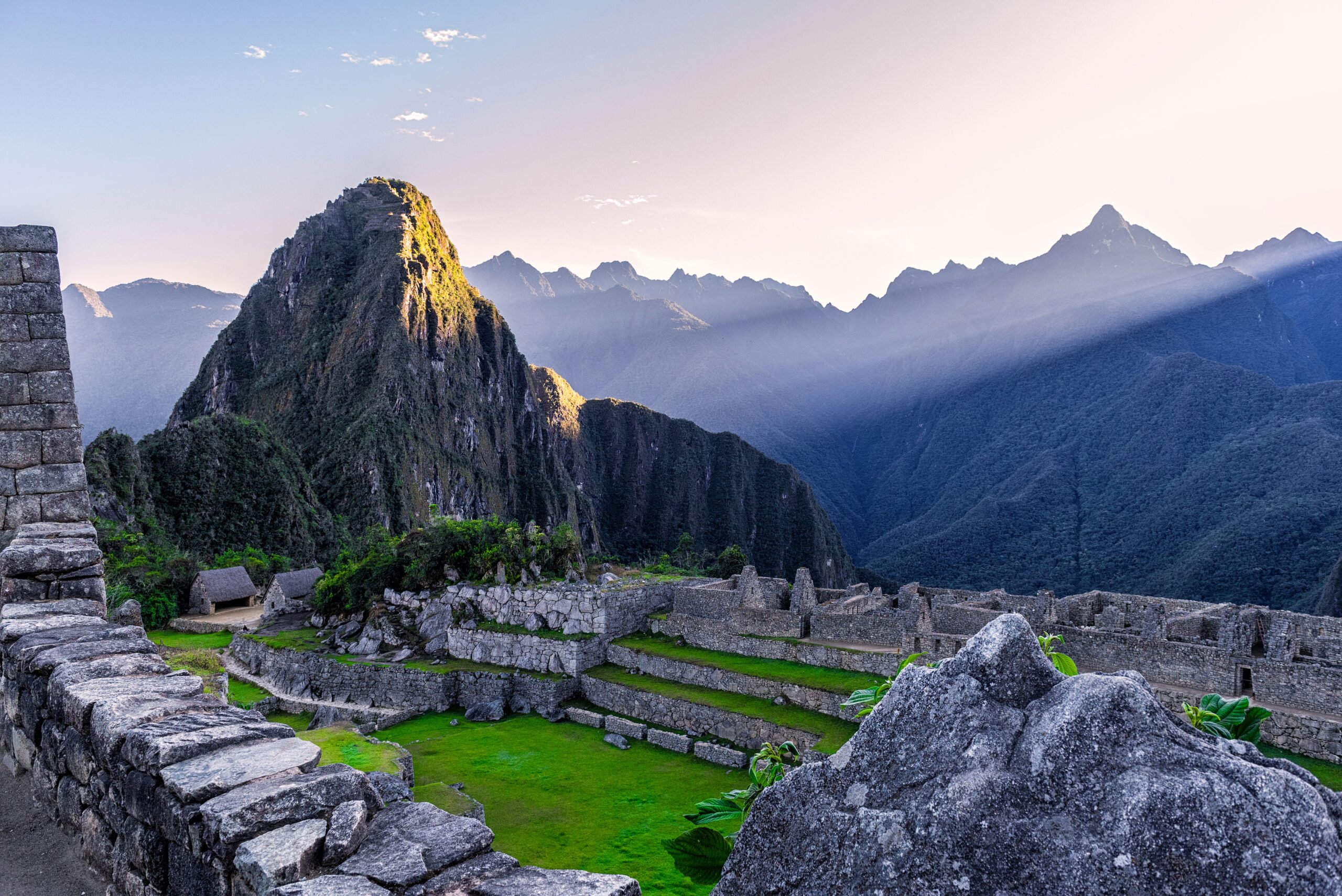
Machu Picchu, the breathtaking citadel perched high in the Andes Mountains of Peru, stands as an enduring testament to the ingenuity and skill of the Inca civilization. While its stunning vistas and mystical aura captivate visitors, the true marvel of Machu Picchu lies in its masterful stonework. The precise fitting of colossal stones, often without the use of mortar, defies conventional understanding and continues to inspire awe and scholarly debate. This ancient architectural wonder

The Walls That Shouldn’t Still Be Standing
FAQs
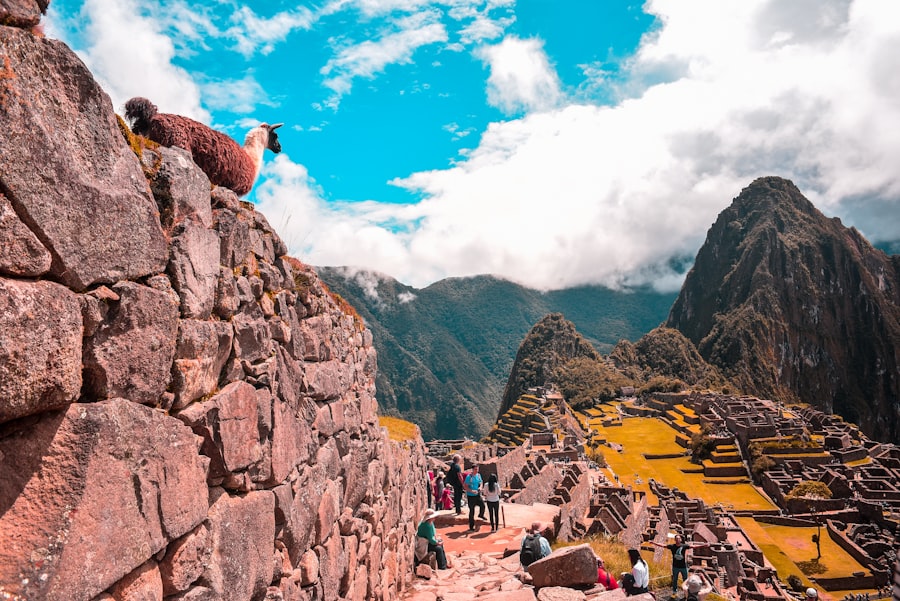
What is Machu Picchu stonework?
Machu Picchu stonework refers to the intricate and precise construction of the stone buildings and structures at the ancient Incan site of Machu Picchu in Peru. The stonework is known for its advanced engineering and architectural techniques.
How was Machu Picchu stonework constructed?
The stonework at Machu Picchu was constructed using a technique called ashlar masonry, where stones are cut to fit together without the use of mortar. The precision of the stonework is such that even a piece of paper cannot fit between the stones.
What makes Machu Picchu stonework unique?
The unique aspect of Machu Picchu stonework lies in the precision of the construction. The stones fit together so perfectly that it is difficult to even slide a piece of paper between them. This level of precision is unmatched in other ancient civilizations.
What tools were used to create Machu Picchu stonework?
The Inca civilization used bronze or stone tools to shape the stones for the construction of Machu Picchu. They did not have access to iron tools, yet they were able to create precise cuts and shapes in the stones.
What is the significance of Machu Picchu stonework?
The significance of Machu Picchu stonework lies in its advanced engineering and architectural techniques, showcasing the ingenuity and skill of the Inca civilization. The stonework also contributes to the mystique and allure of Machu Picchu as a UNESCO World Heritage site.