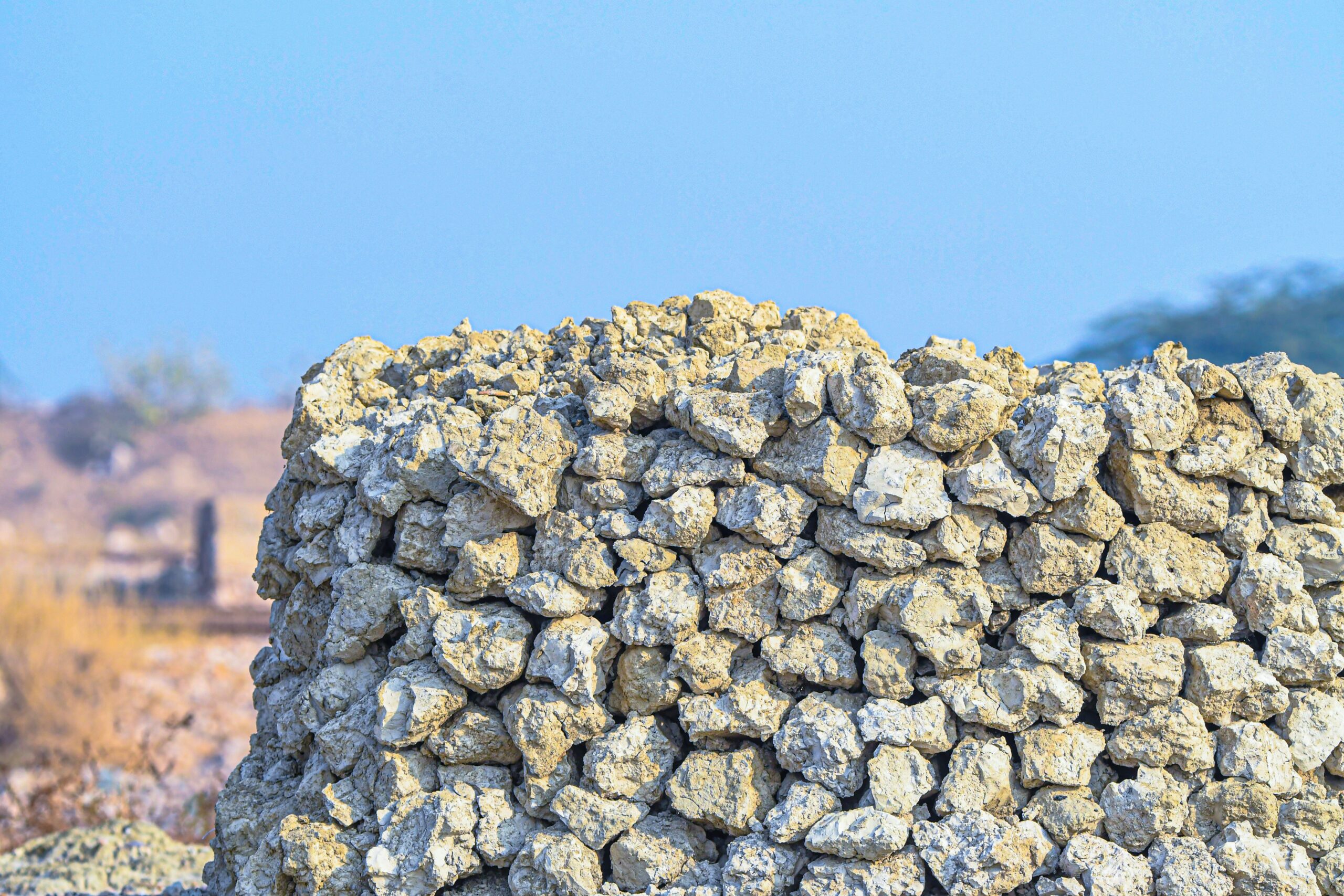
The sheer scale and enduring presence of megalithic structures scattered across the globe continue to captivate and confound the human imagination. These monumental edifices, characterized by their construction from massive stones, often weighing many tons, stand as silent testaments to the ingenuity, organizational prowess, and perhaps even the spiritual beliefs of our ancient ancestors. From the windswept plains of Salisbury, England, to the remote islands of Scotland and the sun-drenched coasts of Brittany, France, these stone giants have defied the relentless march of time, prompting endless

The Walls That Shouldn’t Still Be Standing
FAQs

What is megalithic stone construction?
Megalithic stone construction refers to the ancient practice of using large stones to create structures such as tombs, temples, and monuments. These stones are often arranged in a specific pattern or design and can weigh several tons each.
Where are megalithic stone constructions found?
Megalithic stone constructions can be found all over the world, with notable examples in Europe, Asia, Africa, and the Americas. Some famous sites include Stonehenge in England, the megalithic temples of Malta, and the Moai statues of Easter Island.
How were megalithic stone constructions built?
The exact methods used to build megalithic stone constructions are still a topic of debate among archaeologists and historians. Some theories suggest the use of simple tools and manpower, while others propose the use of more advanced techniques such as levers, ramps, and pulleys.
What was the purpose of megalithic stone constructions?
The purpose of megalithic stone constructions varies depending on the specific site and culture. Some were used for religious or ceremonial purposes, while others served as burial sites or astronomical observatories. The exact purpose of many megalithic structures remains a mystery.
What is the significance of megalithic stone constructions today?
Megalithic stone constructions continue to fascinate and intrigue people around the world. They provide valuable insights into the technological capabilities and cultural practices of ancient civilizations, and they often hold significant spiritual or historical importance for modern-day communities. Studying and preserving these structures is important for understanding our shared human heritage.