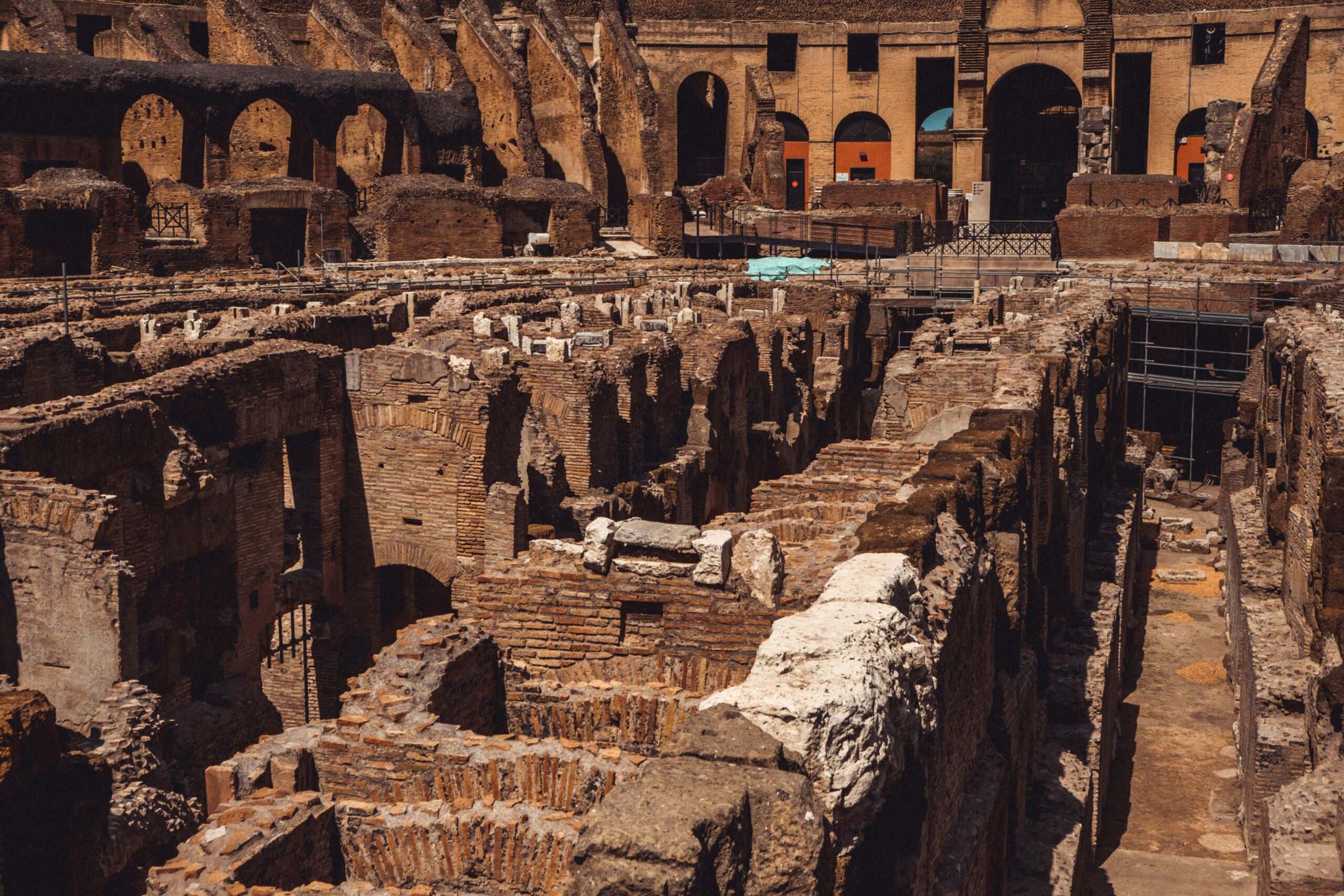
The Ingenious Ancient Engineers: A History
The annals of human history are often defined by the grand narratives of kings, warriors, and philosophers. Yet, beneath the surface of these celebrated figures lies a less heralded but equally vital cast: the ancient engineers. These individuals, often anonymous, were the architects of civilization, the problem-solvers who laid the foundations for societies to flourish. Their ingenuity, born from necessity and driven by a profound understanding of the natural world, transformed raw materials into monumental structures and practical innovations that continue to astound us centuries later. This exploration delves into the remarkable achievements of these forgotten geniuses, tracing their evolution and the enduring legacy they have bequeathed to the modern world.
The story of ancient engineering begins not with complex machinery but with the fundamental needs of early human settlements. As communities transitioned from nomadic lifestyles to settled agriculture, the demands on their builders and organizers grew exponentially. They needed shelter, ways to manage water, and means to store and transport resources. This period marked the emergence of rudimentary but crucial engineering principles, primarily driven by observation and trial-and-error.
The Rise of Permanent Settlements and the Need for Structure
The Neolithic Revolution, a seismic shift in human history, saw the domestication of plants and animals, leading to settled village life. This necessitated the development of more permanent and robust structures. Early dwellings, such as those found in Çatalhöyük in Anatolia (circa 7000 BCE), were often constructed from mud brick, a readily available material. The engineering challenge here wasn’t just about stacking materials but about understanding load-bearing capacity, insulation, and creating spaces that were both functional and defensible. The construction of communal buildings, like granaries and early temples, also demanded a greater degree of planning and shared effort, hinting at early forms of project management.
Mastering Water: Irrigation and Early Water Management
The success of settled agriculture was inextricably linked to the ability to control and utilize water. From the earliest river valley civilizations, such as those in Mesopotamia and Egypt, the development of irrigation systems was paramount. These were not simple channels dug into the earth; they involved understanding water flow, gradient, and the creation of reservoirs and dams to regulate supply.
Mesopotamian Innovations: Canals and Reservoirs
In the fertile crescent of Mesopotamia, nestled between the Tigris and Euphrates rivers, ancient engineers developed sophisticated canal networks. These canals, often lined with clay to prevent seepage, were crucial for both irrigating crops and for transportation. The Sumerians, in particular, are credited with early advancements in dam construction, using earth and stone to impound water. The sheer scale of these projects, requiring organized labor and careful planning, highlights a nascent understanding of hydrological principles. They learned to divert water, manage floodwaters, and ensure a steady supply for their burgeoning cities.
Egyptian Prowess: The Nile’s Lifeblood
In Egypt, the predictable annual flooding of the Nile was both a blessing and a challenge. Ancient Egyptian engineers developed complex basin irrigation systems, employing canals, dikes, and sluice gates to trap floodwaters, allowing the fertile silt to enrich the land. They also understood the importance of drainage and the construction of cisterns for water storage. The construction and maintenance of these systems were vital for the kingdom’s prosperity and its ability to sustain a large population. The integration of these water management systems with agricultural practices demonstrates a holistic approach to engineering.
The Birth of Masonry: Stone and Brick Technology
While early structures relied on readily available earth and timber, the development of more durable building materials marked a significant leap forward. The mastery of stone and brick laid the groundwork for monumental architecture and more enduring settlements.
Early Brickmaking and Firing Techniques
The production of consistent, durable bricks, whether sun-dried or fired, was a significant technological achievement. The Sumerians and Egyptians developed sophisticated methods for molding clay, mixing it with straw for reinforcement, and drying it in the sun. Fired bricks, offering greater strength and water resistance, became increasingly important for more substantial structures, particularly in Mesopotamia where wood was scarce. The kilns used for firing bricks represent an early form of industrial engineering, requiring careful control of temperature and fuel.
The Enduring Wonders of Stone Architecture
The use of stone in construction, while requiring immense labor, offered unparalleled durability. From the cyclopean masonry of Mycenae to the early fortifications of cities like Jericho, the principles of selecting, shaping, and transporting massive stones were being honed. These early examples, though less refined than later achievements, demonstrate an understanding of structural integrity and the challenges of working with heavy materials.
The history of ancient engineering is a fascinating subject that showcases the ingenuity of early civilizations in overcoming challenges related to construction and infrastructure. A related article that delves into one of the most impressive aspects of this field is titled “Ancient Hydraulic Engineering: Marvels and Masterpieces of Water Management.” This article explores the sophisticated techniques used by ancient societies to manage water resources, highlighting their engineering prowess and the lasting impact of these innovations. You can read more about it by following this link: Ancient Hydraulic Engineering: Marvels and Masterpieces of Water Management.
Monumental Ambitions: The Grandeur of Ancient Construction
As civilizations matured, their engineering capabilities expanded, allowing for the creation of increasingly ambitious and awe-inspiring structures. These projects, often driven by religious devotion, political power, or defensive necessity, showcased a remarkable mastery of logistics, organization, and architectural principles.
The Pyramids of Egypt: Engineering on an Unprecedented Scale
The pyramids of Giza stand as enduring testaments to the ingenuity and organizational prowess of ancient Egyptian engineers. The sheer scale of these structures, built with millions of meticulously quarried and transported stone blocks, is staggering.
Quarrying and Transportation of Massive Stones
The process of extracting multi-ton blocks of limestone and granite from distant quarries was a feat in itself. Engineers understood the properties of different stones and employed techniques such as wedging, quarrying with copper tools, and the use of water to expand cracks. The transportation of these colossal blocks, often over vast distances by land and river, required immense manpower, precise sledges, and potentially levers and ramps. The evidence suggests sophisticated planning for how these stones would be moved and maneuvered into position.
Precision in Alignment and Construction
The precision with which the pyramids were aligned with cardinal directions and the accuracy of their internal construction are astounding. Theories abound regarding the methods used to lift and place the stones, with ramps of various designs being the most widely accepted. The internal chambers and passages, built with a level of geometrical accuracy, speak to a sophisticated understanding of surveying and measurement. The builders also had to account for the immense weight of the stones, ensuring the structural integrity of the entire edifice.
The history of ancient engineering is a fascinating subject that reveals the ingenuity and resourcefulness of early civilizations. From the construction of monumental structures like the pyramids to the development of advanced irrigation systems, these achievements laid the groundwork for modern engineering practices. For those interested in exploring how ancient mariners navigated the seas and mapped uncharted territories, a related article can be found at this link, which delves into the remarkable skills of seafarers in ancient times.
Mesopotamian Ziggurats: The Stairways to the Heavens
In Mesopotamia, the architectural expression of religious devotion took the form of ziggurats – massive, stepped pyramids that served as temple complexes. The most famous example is the Ziggurat of Ur.
Layered Construction and Structural Stability
Ziggurats were typically built in successive stages, with each layer receding from the one below. This layered construction provided a degree of stability, distributing the weight effectively. Engineers had to contend with the challenges of building on a large foundation and ensuring the load-bearing capacity of each tier. The materials used often included mud brick, with bitumen employed as a binding agent and for waterproofing.
The Symbolic and Functional Design
While primarily religious structures, ziggurats also served practical functions, housing temples and administrative offices at their summits. Their design, reaching towards the heavens, held deep symbolic meaning for the Mesopotamians. The engineering challenges involved not just building upwards but creating accessible pathways and ensuring the overall stability of these towering edifices.
Roman Aqueducts: The Arteries of an

The Walls That Shouldn’t Still Be Standing

FAQs

What is ancient engineering?
Ancient engineering refers to the technological and architectural advancements made by civilizations in the ancient world, including the construction of buildings, roads, bridges, aqueducts, and other infrastructure.
What are some examples of ancient engineering achievements?
Some notable examples of ancient engineering achievements include the construction of the Great Pyramids of Giza in Egypt, the Roman aqueducts, the Colosseum in Rome, the Great Wall of China, and the ancient city of Petra in Jordan.
What were the major contributions of ancient engineers to society?
Ancient engineers made significant contributions to society by developing innovative construction techniques, creating efficient transportation systems, improving water management, and advancing military fortifications. These advancements helped to shape the civilizations of the ancient world and laid the foundation for modern engineering practices.
How did ancient engineering influence modern engineering practices?
The principles and techniques developed by ancient engineers continue to influence modern engineering practices. Many of the construction methods, materials, and design concepts used in ancient engineering are still relevant today and have been adapted and improved upon to meet the needs of contemporary society.
What are some key civilizations known for their contributions to ancient engineering?
Several ancient civilizations are known for their significant contributions to engineering, including the Egyptians, Greeks, Romans, Persians, Chinese, and Mayans. Each of these civilizations developed unique engineering techniques and structures that have had a lasting impact on the history of engineering.