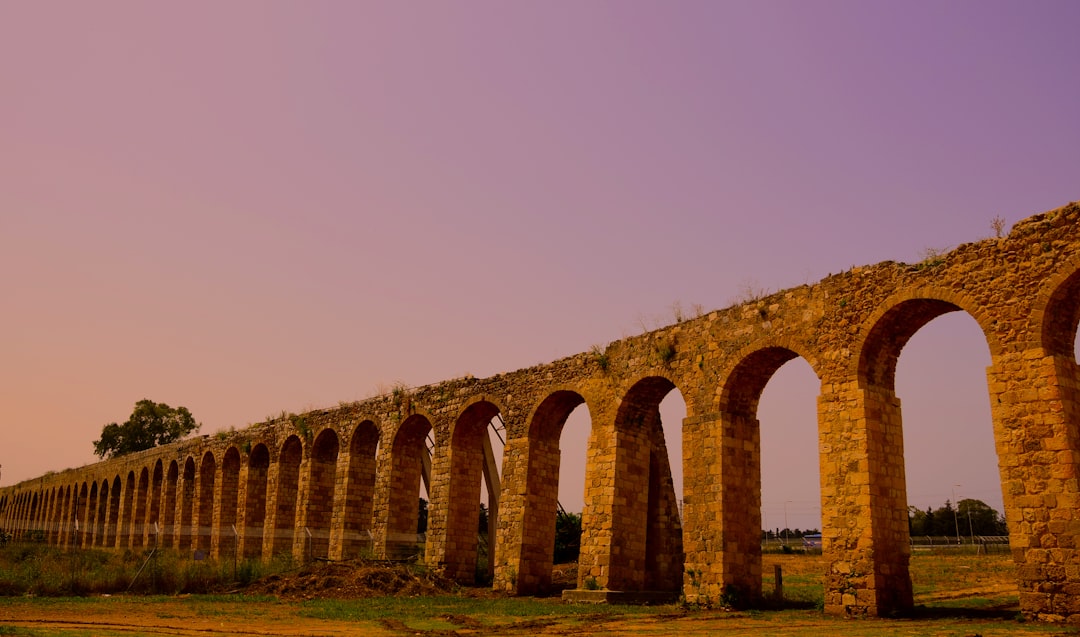
The documentary, “Uncovering Ancient Engineering,” embarks on a breathtaking journey through the annals of human ingenuity, illuminating the remarkable achievements of past civilizations in the realm of construction, infrastructure, and technological innovation. From the colossal pyramids of Egypt to the intricate aqueducts of Rome, the series meticulously unpacks the brilliance of ancient builders and engineers, challenging modern perceptions of our ancestors as primitive and unsophisticated. Through expert interviews, stunning on-location footage, and cutting-edge CGI reconstructions, “Uncovering Ancient Engineering” reveals the sophisticated knowledge, meticulous planning, and sheer determination that undergirded these enduring monuments and vital systems.
The Dawn of Monumental Construction
The earliest episodes of “Uncovering Ancient Engineering” delve into the nascent stages of large-scale construction, exploring the motivations and methods behind humanity’s first monumental endeavors. The series posits that these projects were not merely displays of power or religious devotion, but rather intricate feats of engineering that required a deep understanding of material science, logistics, and labor management.
The Enigma of the Pyramids
The foundational segment of the documentary focuses on the construction of the Egyptian pyramids, particularly the Great Pyramid of Giza. It eschews sensationalized theories about alien intervention, instead concentrating on the plausible engineering solutions employed by the ancient Egyptians.
Quarrying and Transportation of Stone
The documentary meticulously outlines the sophisticated techniques used to extract massive stone blocks from quarries, often miles away from the construction sites. It showcases the likely use of copper tools, wedges, and potentially water to split bedrock. The transportation of these behemoths, often weighing many tons, is then explored.
- River Navigation: The Nile River’s crucial role as a natural highway is highlighted, demonstrating how barges and rafts were likely utilized to ferry stone.
- Ramp Systems: The documentary presents several prevailing theories regarding the construction of ramps, including straight ramps, spiral ramps, and internal ramps, analyzing their structural integrity and logistical feasibility.
- Leverage and Manpower: The sheer force of human labor, combined with ingenious uses of levers and rollers, is re-emphasized as a primary means of moving and positioning the stones.
Precision and Alignment
“Uncovering Ancient Engineering” dedicates significant attention to the astonishing precision with which the pyramids were built and aligned. The documentary emphasizes the astronomical knowledge possessed by the Egyptians.
- Astronomical Alignment: The precise alignment of the pyramids to the cardinal directions is explored, linking it to the Egyptians’ understanding of celestial movements.
- Leveling the Base: The methods employed to create an incredibly level base for the pyramids, often on uneven terrain, are investigated, suggesting techniques involving water channels and precise surveying.
- Internal Chambers and Passages: The construction of intricate internal chambers and narrow passages, requiring remarkable accuracy in stone cutting and placement, is presented as a testament to their advanced lapidary skills.
Megalithic Structures of Early Europe
Beyond Egypt, the documentary casts its gaze upon the enigmatic megalithic structures of Neolithic Europe, such as Stonehenge and Carnac. These sites, predating many of the Egyptian marvels, present a different set of engineering challenges and solutions.
The Mystery of Stonehenge
The documentary probes the construction of Stonehenge, focusing on the sourcing and transportation of its massive sarsen stones and bluestones.
- Sourcing the Sarsen Stones: The logistical feat of moving these enormous stones, some originating from Marlborough Downs, is a key focus.
- The Bluestone Enigma: The origin of the smaller bluestones, believed to have been transported over 200 miles from Wales, is explored, highlighting the advanced understanding of geography and transport routes.
- Megalithic Engineering: The precise placement of the stones, the creation of the lintels, and the overall architectural design are analyzed for their structural ingenuity.
The Megalithic Landscape of Carnac
The vast array of standing stones at Carnac, France, is examined for its systematic arrangement and potential astronomical or calendrical functions.
- Massive Scale of Installation: The sheer number of stones and the effort involved in their upright positioning are underscored.
- Landscape Engineering: The documentary suggests that the placement of these stones was not random but carefully considered in relation to the surrounding landscape and potentially celestial events.
In exploring the fascinating world of ancient engineering, one cannot overlook the remarkable achievements of the Maya civilization, particularly in their innovative water filtration systems. A related article that delves into this topic is titled “Pure Water: The Power of Maya Filtration,” which provides insights into how the Maya developed advanced techniques to ensure clean drinking water. This article highlights the ingenuity and resourcefulness of the Maya people in overcoming environmental challenges. For more information, you can read the article here: Pure Water: The Power of Maya Filtration.
Masters of Water Management and Control
A significant portion of “Uncovering Ancient Engineering” is dedicated to the ingenious ways ancient civilizations harnessed, managed, and transported water. This section emphasizes the critical role of water in the survival and prosperity of these societies, from agriculture to urban development.
The Roman Aqueduct System
The documentary showcases the Roman Empire’s unparalleled mastery of aqueduct construction, a network that supplied fresh water to its burgeoning cities and public baths. The scale and sophistication of these structures are presented as a defining characteristic of Roman engineering prowess.
Principles of Gravity and Flow
The fundamental engineering principle behind Roman aqueducts – the subtle, consistent gradient that allowed water to flow by gravity – is explained in detail.
- Precise Gradients: The documentary highlights the meticulous surveying required to establish the correct slope, often no more than a few inches per mile.
- Minimizing Friction: The smooth interior surfaces of the channels and the careful design of curves to reduce water velocity are discussed.
Construction Techniques and Materials
“Uncovering Ancient Engineering” explores the practicalities of building these monumental structures, often spanning miles of diverse terrain.
- Stone and Concrete: The use of durable stone blocks and, crucially, the invention of Roman concrete (opus caementicium) are analyzed for their role in creating long-lasting and adaptable structures.
- Tunnels and Bridges: The documentary showcases the challenges and solutions involved in tunneling through mountains and constructing elevated bridges and arcades to maintain the gradient.
- Castella Aquae: The function of distribution tanks and reservoirs within cities is explained, illustrating how water was managed and supplied to various points of consumption.
Ancient Irrigation and Drainage Systems
Beyond the Romans, the documentary highlights the sophisticated water management systems developed by other civilizations to support agriculture and urban sanitation.
Mesopotamia: The Cradle of Irrigation
The documentary revisits the ancient Mesopotamian civilizations, underscoring their pioneering role in developing extensive irrigation networks from the Tigris and Euphrates rivers.
- Canal Systems: The construction and maintenance of intricate canal systems to distribute water to fields are examined.
- Levées and Dams: The use of earthworks and rudimentary dams to control water flow and prevent flooding is explored.
Drainage in Indus Valley Civilization
The advanced sanitation and drainage systems of the Indus Valley Civilization, particularly at sites like Mohenjo-Daro and Harappa, are presented as remarkably forward-thinking.
- Covered Drains: The documentary emphasizes the presence of well-constructed, covered drainage networks within urban environments.
- Water Supply and Waste Disposal: The integrated approach to water supply and waste management is highlighted as an early form of urban planning.
Fortifications and Defensive Architecture
The documentary then shifts its focus to the engineering of defense, exploring how ancient societies built formidable fortifications to protect themselves from invasion and internal unrest. This section underscores the strategic and tactical considerations that shaped military architecture.
In exploring the fascinating world of ancient engineering, one cannot overlook the remarkable achievements of past civilizations that have shaped our understanding of technology and architecture. A related article that delves into the intricate relationship between ancient societies and their environmental adaptations is available at Uncovering the Secret Inscription of Ancient Climate. This piece highlights how ancient cultures responded to climatic challenges, showcasing their ingenuity and resilience in the face of adversity.
The Great Wall of China
The Great Wall of China is presented not just as a single structure, but as a complex system of fortifications built and expanded over centuries, demonstrating a profound understanding of strategic defense.
Engineering for Terrain
The documentary emphasizes how the Wall was expertly integrated into the natural landscape, utilizing mountains, rivers, and valleys as defensive advantages.
- Adaptability to Topography: The construction methods employed to build on steep inclines and across vast distances are detailed.
- Strategic Placement of Towers and Garrisons: The documentary explores the military reasoning behind the placement of watchtowers and troop garrisons.
Materials and Construction
The varied materials and construction techniques used along different sections of the Wall are examined, reflecting the local resources and evolving building methods.
- Stone, Brick, and Rammed Earth: The documentary highlights the use of different materials depending on the region and the era of construction.
- Logistical Challenges: The enormous undertaking of supplying materials and labor to such remote and extensive sites is considered.
Greek and Roman Fortifications
The documentary also examines the defensive structures of the classical world, focusing on the ingenuity of Greek city-state walls and Roman frontier defenses.
The Walls of Mycenae
The Cyclopean masonry of Mycenae, with its massive, unworked boulders, is presented as an early example of formidable defensive architecture.
- Sheer Scale and Imposing Nature: The documentary emphasizes the psychological impact and physical strength of these massive stone walls.
- Strategic Gateways: The design of fortified gateways and the limited points of entry are analyzed for defensive purposes.
Roman Limes
The documentary explores the Roman Limes, a vast network of fortifications and walls that marked the boundaries of the Roman Empire, showcasing their systematic approach to border defense.
- Integrated Systems: The Limes are presented not just as walls, but as integrated systems of forts, watchtowers, and roads.
- Deterrence and Control: The documentary discusses the dual purpose of the Limes – to deter invasions and to control trade and movement.
Engineering for Transport and Trade
The final segments of “Uncovering Ancient Engineering” explore the vital role of infrastructure in facilitating ancient trade, communication, and the movement of people. This section underscores how engineering not only built cities but also connected them.
The Roman Road Network
The meticulously constructed Roman road network is presented as a feat of engineering that facilitated the rapid movement of legions, goods, and information throughout the vast empire.
Principles of Roman Road Building
The documentary delves into the systematic and durable construction methods employed by the Romans.
- Layered Construction: The multi-layered approach, from excavation to the final paving stones, is explained, emphasizing drainage and stability.
- Straightness and Gradients: The preference for straight routes and carefully managed gradients to ensure efficient travel is highlighted.
- Durability and Longevity: The enduring nature of many Roman roads, some still in use today, is a testament to their engineering quality.
Maritime Engineering and Navigation
“Uncovering Ancient Engineering” also ventures into the realm of maritime engineering, exploring how ancient civilizations mastered the seas for exploration, trade, and warfare.
Phoenician and Greek Shipbuilding
The documentary examines the shipbuilding expertise of ancient maritime powers, focusing on the designs that enabled long-distance voyages.
- Hull Design: The evolution of hull shapes to improve stability and maneuverability is discussed.
- Sail Technology: The development of sail configurations for harnessing wind power is explored.
Early Ports and Harbors
The construction of sophisticated ports and harbors capable of accommodating large fleets is presented as a crucial aspect of ancient naval engineering.
- Breakwaters and Jetties: The documentary showcases the engineering of structures to protect harbors from wave action.
- Dredging and Docking Facilities: The development of methods for maintaining channel depths and accommodating vessels is examined.
In conclusion, “Uncovering Ancient Engineering” is more than just a historical survey; it is a profound exploration of the enduring legacy of human innovation. By peeling back the layers of time and myth, the documentary reveals that our ancestors were not merely builders of monuments, but sophisticated engineers who laid the groundwork for much of the technological progress we enjoy today. The series leaves viewers with a renewed appreciation for the intelligence, resourcefulness, and sheer determination of those who came before us, reminding us that the seeds of modern engineering were sown in the fertile ground of antiquity.

The Walls That Shouldn’t Still Be Standing
FAQs

What is the purpose of history documentary ancient engineering?
History documentary ancient engineering aims to explore and showcase the remarkable engineering achievements of ancient civilizations, such as the construction of pyramids, aqueducts, and other architectural marvels. It seeks to provide insight into the innovative techniques and technologies used by ancient engineers and the impact of these advancements on the development of human civilization.
What are some examples of ancient engineering feats featured in history documentaries?
History documentaries on ancient engineering often highlight iconic structures such as the Great Pyramid of Giza, the Roman Colosseum, the Parthenon in Athens, and the Great Wall of China. These documentaries also delve into the construction methods, materials, and tools used by ancient engineers to create these enduring marvels.
How do history documentaries on ancient engineering contribute to our understanding of history?
By examining the engineering accomplishments of ancient civilizations, history documentaries provide valuable insights into the technological prowess, cultural achievements, and societal advancements of these early societies. They also shed light on the ingenuity and problem-solving abilities of ancient engineers, offering a deeper understanding of the historical context in which these remarkable feats were accomplished.
What are the benefits of watching history documentaries on ancient engineering?
Watching history documentaries on ancient engineering can broaden one’s knowledge of history, archaeology, and engineering while fostering an appreciation for the remarkable achievements of ancient civilizations. These documentaries also inspire curiosity and critical thinking about the ways in which ancient engineers overcame challenges to create enduring and influential structures.
Where can one find history documentaries on ancient engineering?
History documentaries on ancient engineering can be found on various streaming platforms, such as Netflix, Amazon Prime Video, and Hulu, as well as on dedicated documentary channels like National Geographic and the History Channel. Additionally, many libraries and educational institutions offer access to these documentaries through their media collections.