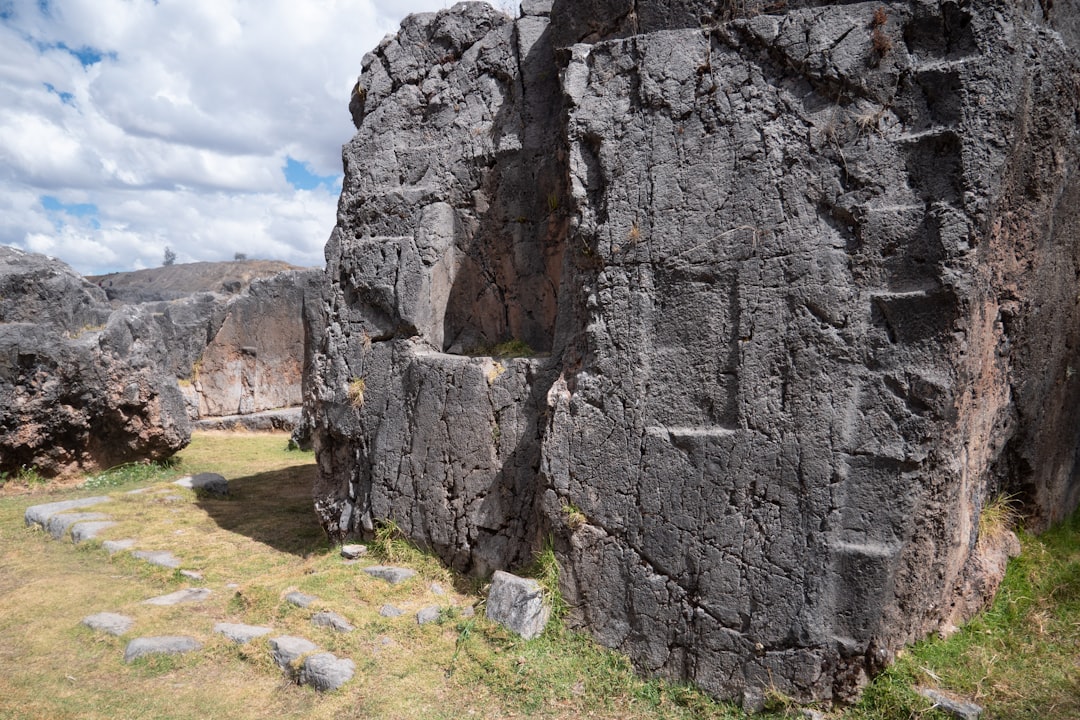
The colossal stones that punctuate the landscapes of ancient cultures, from the windswept plains of Salisbury to the sun-drenched shores of the Mediterranean, have long captivated the human imagination. These megaliths, often weighing many tons and erected with seemingly impossible precision, stand as mute witnesses to the ingenuity, ambition, and perhaps even the spiritual fervor of our ancestors. For centuries, scholars and enthusiasts alike have grappled with the enduring mystery of their construction: How, without the benefit of modern machinery or advanced scientific understanding, did these ancient peoples manage to quarry, transport, and erect such monumental structures? This article seeks to delve into the current understanding of megalith construction, exploring the prevailing theories, the evidence that supports them, and the persistent questions that continue to fuel fascination and research.
Ancient civilizations are renowned for their remarkable ability to construct megaliths, massive stone structures that have stood the test of time and continue to intrigue historians and archaeologists alike. These monumental edifices, such as Stonehenge and the pyramids of Giza, were often built with precise alignment to celestial bodies, suggesting a deep understanding of astronomy and engineering. For those interested in exploring the broader implications of ancient practices and their relevance to modern society, an insightful article can be found at this link, which discusses the historical significance of tangible assets in the context of societal stability.
The Enigma of the Stone Sourcess
The construction of any megalithic monument begins with the source of the stone. The sheer scale of these structures necessitates access to readily available, often enormous, quantities of rock. Understanding where these stones came from and the methods employed to extract them is the first crucial step in unraveling the construction process. The geological origin of the megaliths is not always obvious. While some sites, like Stonehenge, utilize locally sourced materials, others involved the procurement of stone from quarries many miles away, presenting an even greater logistical challenge.
Identifying the Quarry Locations
Identifying the precise quarry locations for ancient megaliths has been a significant area of research. Geologists and archaeologists often employ petrographic analysis, a technique that examines the microscopic mineral composition and texture of the stone, to match megaliths to specific geological formations. This forensic approach acts like a geological fingerprint, revealing the distinctive characteristics of rocks from different sources. For instance, the bluestones of Stonehenge, known for their distinct geological makeup, have been traced to the Preseli Hills in Wales, a remarkable distance from Salisbury Plain. These studies are not merely academic exercises; they provide vital clues about the planning, resource management, and potentially long-distance travel capabilities of the ancient peoples. The ability to identify a distant quarry suggests a level of societal organization and coordinated effort far beyond what might be assumed for prehistoric communities.
Quarrying Techniques: Hammerstones and Levers
The methods used to extract these massive stones from their bedrock are believed to have been surprisingly rudimentary yet effective. The most widely accepted theory involves the use of hard stone hammerstones, often made of materials like dolerite or granite, to pound away at the rock face. This laborious process would have gradually chipped away at the stone, creating fissures and weakening the surrounding rock. Evidence of this can be seen in the form of abandoned quarries, where partially formed megaliths, still attached to the bedrock, bear the marks of such beating.
Another crucial tool in the quarrying arsenal would have been levers. Once a sufficient fracture line was established, long and strong wooden poles, or possibly even stone levers, would have been inserted into the created gaps. By applying downward pressure on these levers, the ancient builders could gradually pry the massive stones away from their confines. The sheer force required would have necessitated numerous individuals working in unison, highlighting the collaborative nature of these undertakings. The size and strength of the lever material would have been critical, with massive tree trunks likely being the primary source of these essential tools. Understanding the availability of suitable timber in the vicinity of the quarries would therefore also be a key factor in reconstructing these processes.
The Role of Fire and Water
While hammerstones and levers are the most commonly cited methods, some researchers propose the use of additional techniques to aid in the extraction process. The application of intense heat, possibly through controlled fires built against the rock face, could have caused the stone to expand and crack. When subsequently cooled, perhaps by dousing with water, the rapid thermal contraction would have further weakened the rock, making it easier to break apart. This “fire-setting” or “heat fracturing” technique, though less directly evidenced in megalithic quarries than hammerstone markings, is a known ancient method of stone working and could have been employed in conjunction with other tools. The precise duration and intensity of such fires, as well as understanding the types of fuel available, would have been crucial for its effective application, again pointing to a sophisticated understanding of their environment and materials.
The Herculean Task of Transportation

Once quarried, the true challenge of megalithic construction begins: moving these immense stones. The distances involved, particularly for sites like Stonehenge, transform this into a feat of engineering and brute strength that still inspires awe and conjecture today. Theories abound regarding the methods employed, ranging from plausible, evidence-backed explanations to more speculative, albeit fascinating, possibilities.
The Power of the Sled and Roller
The most widely accepted theories for transporting megaliths involve the use of sleds and rollers. Imagine a massive stone placed onto a sturdy wooden sled, constructed from the strongest available timber. This sled would then be pulled by hundreds, if not thousands, of individuals. To reduce friction, the path between the quarry and the monument site would likely have been artificially smoothed, perhaps by layers of clay or compacted earth.
The use of rollers, typically cylindrical logs placed beneath the sled, is another prominent theory. As the sled moved forward, the rollers would be retrieved from behind and placed in front, creating a continuous rolling motion. This would significantly decrease the friction encountered, making the movement of incredibly heavy objects more manageable. The effectiveness of this method would depend on the strength of the rollers and the preparedness of the rolling surface. Maintaining a smooth and even surface over potentially uneven terrain would have been a monumental undertaking in itself, requiring constant maintenance and repair. The quality of timber for both sled and rollers would have been paramount, as catastrophic failure could have easily occurred even with immense human effort.
The Influence of Waterways
For megaliths transported over longer distances, especially those originating from coastal or riverine areas, waterways likely played a crucial role. The bluestones of Stonehenge, for instance, are thought to have been transported partially by water. Large, heavy stones could have been floated on rafts or barges, greatly reducing the friction and effort required compared to overland movement. Rivers and coastlines would have provided natural highways, allowing for more efficient transport.
However, navigating these waterways with such colossal cargo would still have presented significant challenges. The construction of suitable rafts or barges capable of bearing such immense weight, and the navigation of potentially treacherous currents or tides, would have required considerable skill and engineering prowess. The loading and unloading of these stones from watercraft would also have been a critical and potentially hazardous stage of the journey. The presence of suitable harbors or landing sites near the construction area would have been a significant advantage.
The Role of Animal Power
While human power is consistently emphasized in megalith construction theories, the possibility of animal power should not be entirely dismissed, particularly for intermediate stages or lighter loads. While pulling a multi-ton sarsen stone using oxen might seem improbable today, our understanding of the strength and endurance of ancient livestock, combined with specialized yokes and harnesses, might reveal a more significant role for animal assistance than is often credited. However, the sheer weight of the largest megaliths suggests that animal power alone would have been insufficient for the most challenging legs of the journey, and human force would have remained the dominant factor.
The Architects of the Impossible: Lifting and Erecting the Stones
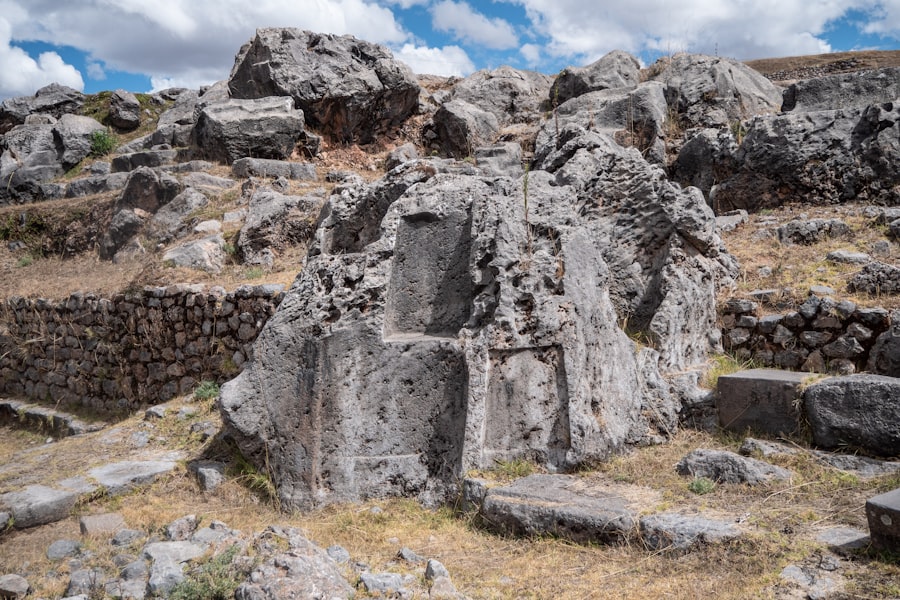
Once the megaliths reached their final destination, the challenge shifted to raising them upright and positioning them with remarkable accuracy. This phase of construction is perhaps the most visually striking and the one that has inspired the most dramatic theories about ancient capabilities. The precision with which these stones were placed, and the immense forces required to lift them, point to sophisticated knowledge of physics and engineering, albeit applied through practical, hands-on experimentation.
Ramps and Levers: Raising the Giants
The most widely accepted method for erecting megaliths is the use of earthen ramps. A large mound of earth would be constructed leading up to the intended position of the standing stone. The stone, likely already on a sled or rolling platform, would be gradually pulled up this ramp using immense human effort. Once at the desired height, the stone would be carefully tipped into its prepared foundation pit.
Another critical element in this process would have been the use of levers. Once the stone was near its upright position, strategically placed levers would be used to guide it into place and ensure its stability. The base of the stone would have been set into a deep pit, often packed with smaller stones or earth to secure it firmly. The meticulous digging of these pits, and the shaping of the stone bases to fit snugly, would have been essential for structural integrity. The angle of the ramp, the duration of its construction, and the coordinated effort of hundreds of individuals would have been crucial for success.
Counterweights and Rocking Mechanisms
Beyond simple ramps, some researchers have explored more complex lifting mechanisms. The use of counterweights, for example, using large stones positioned on the opposite side of the lifting point, could have helped to balance the immense weight. Another theory involves a rocking mechanism, where the stone is gradually tipped back and forth, gradually inclining it until it stands upright. This would have required immense control and precision, with large teams of workers carefully coordinating their efforts to prevent the stone from toppling prematurely. The foundations of these mechanisms would have needed to be extremely robust to withstand the forces involved.
The Importance of Precision and Alignment
Beyond the physical act of lifting, the accuracy with which megaliths were positioned is equally astonishing. Many megalithic sites exhibit striking astronomical alignments, suggesting that the builders possessed a sophisticated understanding of celestial movements. This implies that the erection process wasn’t just about getting the stones up; it was about placing them in their precisely intended locations relative to the sun, moon, and stars. This level of accuracy would have required careful surveying and marking of the site before construction even began. The use of simple sightlines, shadows, and perhaps even early forms of geometric tools would have been crucial in achieving these celestial orientations.
Ancient civilizations showcased remarkable engineering skills, particularly in the construction of megaliths that have stood the test of time. These massive stone structures, often aligned with celestial events, reveal the sophisticated understanding of geometry and astronomy possessed by our ancestors. For a deeper insight into the innovative materials used in ancient construction, you can explore how Roman concrete, known for its durability and self-healing properties, played a crucial role in their architectural achievements. This fascinating topic is discussed in detail in the article found here.
The Social and Spiritual Fabric of Megalithic Construction
“`html
| Ancient Civilization | Megalithic Site | Construction Technique | Estimated Construction Period |
|---|---|---|---|
| Ancient Egyptians | The Great Pyramid of Giza | Quarrying, shaping, and transporting massive limestone blocks | Around 2580–2560 BC |
| Ancient Greeks | The Parthenon in Athens | Using large marble blocks and precise architectural techniques | 447–438 BC |
| Ancient Incas | Machu Picchu | Stone shaping and fitting without mortar | Around 1450 AD |
“`
The construction of megalithic monuments was not merely a technical challenge; it was a profound social and spiritual undertaking that reveals much about the organization, beliefs, and values of ancient societies. The sheer scale of these projects speaks to a level of collective effort and commitment that would have required significant social cohesion and perhaps even coercion.
A Unified Purpose: Community and Cooperation
The mobilization of hundreds, or even thousands, of individuals for the quarrying, transport, and erection of these stones points to a remarkably unified purpose. These were not isolated efforts; they were community-wide endeavors. Such projects would have necessitated sophisticated leadership, resource management, and the ability to coordinate labor on an unprecedented scale. The construction of a megalithic monument likely served as a centralizing force for communities, fostering a sense of shared identity and common purpose. The successful completion of such a monumental task would have brought immense prestige to the leaders and the community involved, reinforcing social hierarchies and solidifying collective bonds.
Belief Systems and Ritual Significance
The precise purposes of megalithic monuments remain a subject of ongoing debate. While some served as burial sites, others appear to have had astronomical or calendrical functions, while still others may have held purely ritualistic or social significance. Whatever their specific function, it is clear that these structures were imbued with deep spiritual meaning. The construction process itself may have been as significant as the finished monument, with elaborate ceremonies and rituals likely accompanying each stage. The immense effort and resources dedicated to their creation suggest a profound belief in the importance of these sites, whether for appeasing gods, honoring ancestors, or marking sacred spaces. The very act of shaping and moving the earth, and monumental stones, might have been seen as a way of interacting with the spiritual realm.
The Legacy of Ingenuity: A Testament to Human Potential
The enduring mystery of megalith construction lies not just in the “how,” but in the “why” and the testament to human ingenuity. These ancient peoples, armed with rudimentary tools and a deep understanding of their environment, achieved feats that continue to challenge our modern assumptions. Their ability to organize, innovate, and persevere serves as a powerful reminder of the boundless potential of the human spirit when driven by a clear vision and a collective will. The ongoing research into these ancient marvels continues to uncover new insights, pushing the boundaries of our understanding and inspiring us to look at the past with renewed wonder and respect. The very persistence of these structures, standing for millennia against the elements and the passage of time, speaks volumes about the skill and dedication of their builders, leaving an indelible mark on the landscape and the human story.

The Walls That Shouldn’t Still Be Standing
FAQs
What are megaliths?
Megaliths are large stones that have been used to construct various structures by ancient civilizations. These structures can include tombs, temples, and monuments.
How did ancient civilizations move and transport megaliths?
Ancient civilizations used a variety of methods to move and transport megaliths, including sledges, rollers, and levers. They also utilized manpower and animals to help with the transportation process.
What tools did ancient civilizations use to build megaliths?
Ancient civilizations used a range of tools to build megaliths, including stone hammers, chisels, and wedges. These tools were often made from hard materials such as flint, granite, or bronze.
What are some famous examples of megalithic structures built by ancient civilizations?
Some famous examples of megalithic structures include Stonehenge in England, the Moai statues on Easter Island, the Pyramids of Giza in Egypt, and the megalithic temples of Malta.
Why did ancient civilizations build megaliths?
The reasons for building megaliths varied among ancient civilizations, but common purposes included religious or ceremonial significance, marking burial sites, and serving as astronomical observatories.