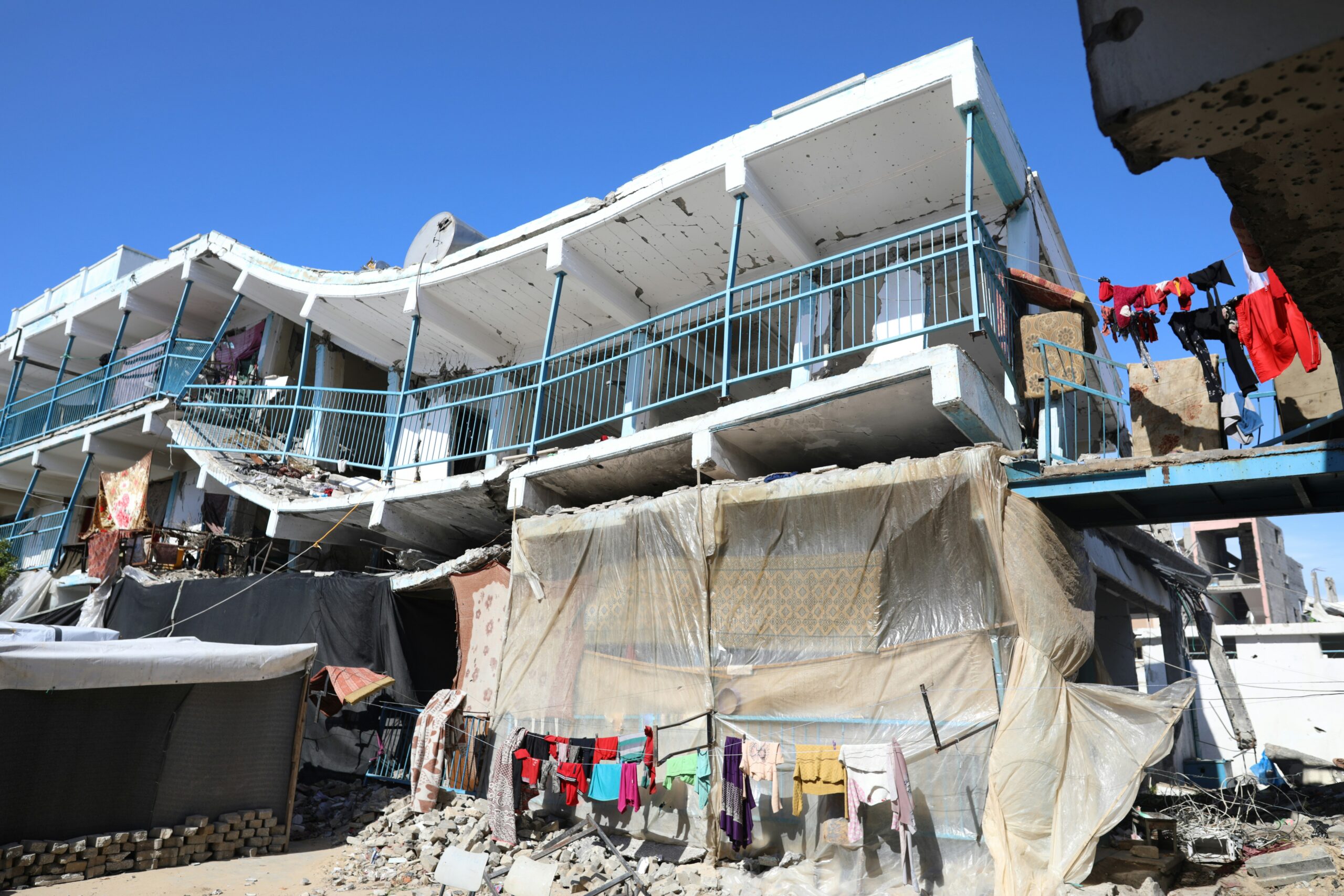
The earth has always been a dynamic force, prone to tremors that can reshape landscapes and topple even the most imposing structures. Yet, across the globe and through millennia, ancient civilizations have developed ingenious methods to construct buildings that have defied time and seismic upheaval. These feats of engineering, born from generations of observation and adaptation, offer invaluable lessons in resilience. Building for eternity, in the face of the earth’s fury, was not merely a practical necessity; it was a profound philosophical statement about humanity’s enduring spirit and its ability to harmonize with the often-unpredictable forces of nature.
The first line of defense against an earthquake lies in the very ground upon which a structure is built and how it is connected to that ground. Ancient builders understood, perhaps intuitively and through hard-won experience, that a stable foundation was paramount. This involved not just the depth and width of the base, but also the selection of appropriate materials and the methods used to interlock them.
Site Selection and Soil Assessment
Before a single stone was laid, wise builders would meticulously examine the proposed building site. Regions prone to liquefaction, where saturated soil loses strength and behaves like a fluid during shaking, were generally avoided or required specialized treatment. Coastal areas, while often desirable for trade, could also be vulnerable to tsunamis following earthquakes, necessitating a careful evaluation of elevation and potential inundation zones.
The Importance of Bedrock
Wherever possible, ancient constructors sought to place their heaviest and most critical structures directly upon solid bedrock. This provided the ultimate stable platform, minimizing the amplification of seismic waves that can

The Walls That Shouldn’t Still Be Standing
FAQs
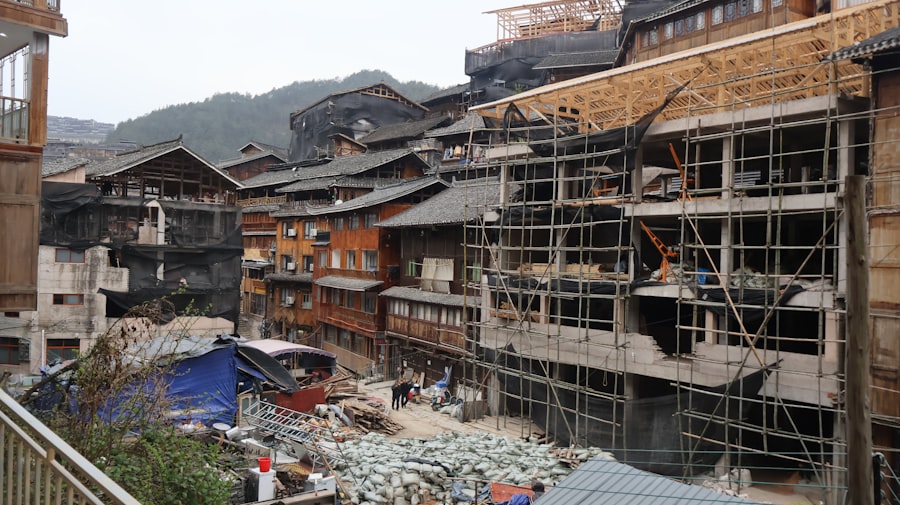
What is ancient earthquake resistant construction?
Ancient earthquake resistant construction refers to the building techniques and materials used by ancient civilizations to construct structures that could withstand the impact of earthquakes.
Which ancient civilizations were known for their earthquake resistant construction?
Ancient civilizations such as the Romans, Greeks, and Egyptians were known for their earthquake resistant construction techniques. Additionally, civilizations in regions prone to seismic activity, such as Japan and Peru, also developed their own earthquake resistant building methods.
What were some common techniques used in ancient earthquake resistant construction?
Some common techniques used in ancient earthquake resistant construction included the use of flexible materials such as wood and bamboo, as well as the incorporation of seismic isolation through the use of stone foundations and base isolators.
How did ancient civilizations test the earthquake resistance of their structures?
Ancient civilizations tested the earthquake resistance of their structures through trial and error, as well as through the observation of how their buildings fared during actual seismic events. They also incorporated design features such as tapered columns and arches to distribute seismic forces.
What can we learn from ancient earthquake resistant construction techniques?
Studying ancient earthquake resistant construction techniques can provide valuable insights into how to design and build structures that can withstand seismic events. By understanding the principles behind these ancient techniques, modern engineers and architects can develop more resilient and earthquake-resistant buildings.