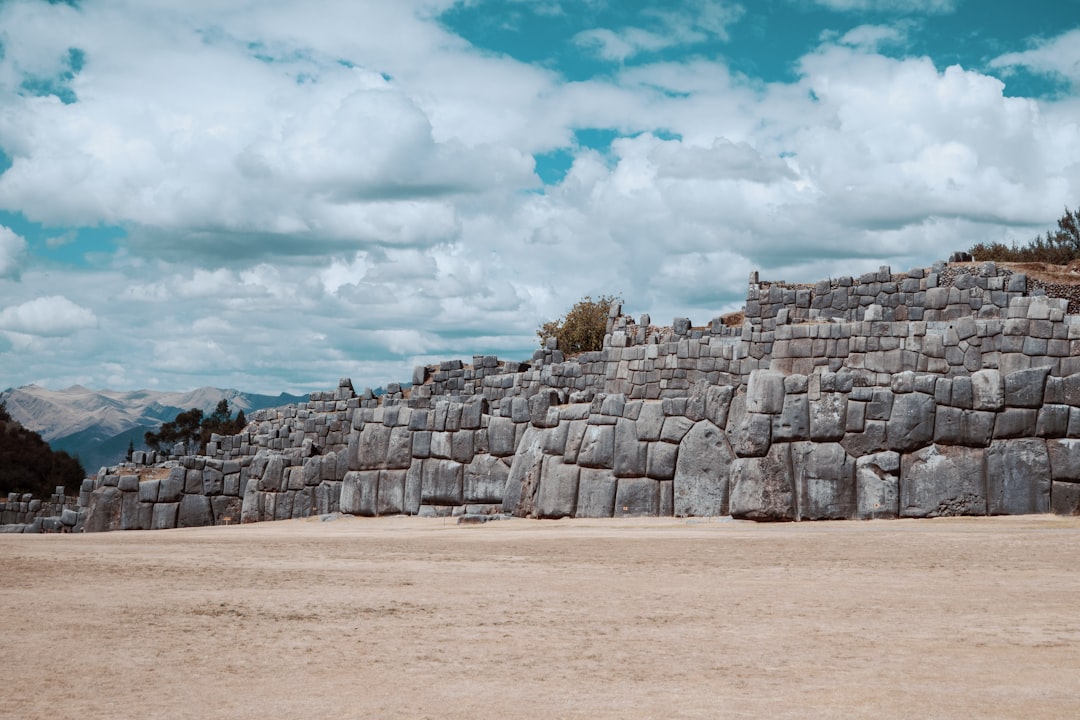
Polygonal masonry, a testament to human ingenuity and architectural prowess, stands as one of the most enduring and fascinating building techniques from the ancient world. Characterized by the precise fitting of irregularly shaped, multi-sided stones, this method eschewed the common use of quarried rectangular blocks, instead embracing the natural forms of stone to create remarkably strong and aesthetically striking structures. The history of polygonal masonry is not a single, linear progression but rather a rich tapestry woven from diverse cultures and spanning millennia, each contributing to its evolution and application.
The very beginnings of human settlement often involved the manipulation of readily available natural materials, and stone was no exception. While early humans likely employed crude methods of stacking and arranging stones, the deliberate selection and shaping of irregular stones to interlock and form stable walls represent a significant leap in architectural understanding. This initial phase of polygonal masonry adoption was likely driven by practicality and necessity, emphasizing structural integrity over purely aesthetic considerations.
Prehistoric Foundations: Unearthing the Earliest Examples
The earliest discernible forms of what can be considered polygonal masonry can be traced back to prehistoric times. In various parts of the world, archaeologists have discovered remnants of stone enclosures and dwellings that, while rudimentary, exhibit an awareness of fitting stones together without mortar. These structures often utilized naturally fractured stones, with builders carefully selecting and perhaps slightly abrading them to achieve a more stable fit. The sheer survival of these ancient edifices, often subjected to the ravages of time and weather, speaks volumes about the inherent strength of these interlocking techniques.
The Appeal of the Abundant: Utilizing Local Resources
A significant factor in the early adoption of polygonal masonry was the availability of suitable stone. In many regions, natural geological processes provided an abundance of irregularly shaped rocks, making them an accessible and cost-effective building material. Instead of expending considerable effort in quarrying and precisely shaping uniform blocks, ancient builders could leverage the materials at hand, adapting their construction methods to the form of the stone. This practical consideration undoubtedly played a crucial role in the widespread emergence of polygonal masonry across different civilizations.
The history of polygonal masonry is a fascinating subject that delves into the ancient techniques used to construct impressive structures with precisely cut stones that fit together without the use of mortar. For those interested in exploring more about the intriguing aspects of ancient engineering and the potential suppressed knowledge surrounding it, I recommend checking out this article: Uncovered Suppressed Inventions: A Revealing Documentary. This resource provides insights into various historical innovations that have been overlooked or hidden from mainstream narratives, complementing the study of polygonal masonry and its significance in our understanding of ancient civilizations.
The Refinement of Skill: The Rise of Cyclopean and Megalithic Masonry
As human societies developed and their organizational capabilities grew, so too did their ability to undertake larger and more ambitious construction projects. This era saw the refinement of polygonal masonry techniques, leading to the development of what is often termed “Cyclopean” masonry. This style is distinguished by the use of massive, irregularly shaped stones, often so large that ancient myths attributed their placement to giants or cyclops. While the romantic notion of supernatural intervention is compelling, the reality reflects a remarkable mastery of engineering and labor organization.
Cyclopean Walls: Monuments of Raw Power and Precision
The most iconic examples of Cyclopean masonry are found in ancient Greek fortifications, particularly those dating back to the Mycenaean civilization. The formidable walls of Mycenae, Tiryns, and Gla are prime illustrations. These structures are characterized by colossal, unworked or minimally dressed stones, some weighing many tons, fitted together with astonishing precision. The absence of mortar in these walls, combined with the sheer weight and irregular shape of the stones, created an interconnected and incredibly stable edifice resistant to seismic activity and siege warfare. The gaps between stones were often filled with smaller rocks to further enhance stability.
The Art of the Fit: Minimizing Gaps and Maximizing Contact
The efficacy of Cyclopean masonry lay in the meticulous attention paid to the fitting of each stone. Builders would carefully select stones, often after extensive searching, and then painstakingly maneuver them into place. The process involved a deep understanding of the load-bearing properties of stone and the principles of interlocking. While seemingly “rough” due to the irregular shapes, the contact points between the stones were maximized, distributing weight and pressure effectively. This was a labor-intensive process, requiring significant human effort, ingenuity in moving heavy objects, and a keen eye for spatial relationships.
Megalithic Marvels: Precursors and Contemporaries
While Cyclopean masonry is often associated with fortified walls, the broader category of megalithic construction also shares some principles with polygonal masonry. Megalithic structures, such as Stonehenge in England or the Nuraghe of Sardinia, utilize large, often irregularly shaped stones placed in monumental arrangements. While not always forming continuous walls in the same way as Cyclopean masonry, the selection and placement of these massive stones demonstrate a similar understanding of harnessing the inherent strength of stone and achieving stability through sheer mass and irregular interlocking. Many of these structures predate or are contemporary with the development of advanced Cyclopean techniques, suggesting a shared ancestral knowledge of working with large, irregular stones.
The Hellenic Refinement: Polygonal Masonry in Classical Greece
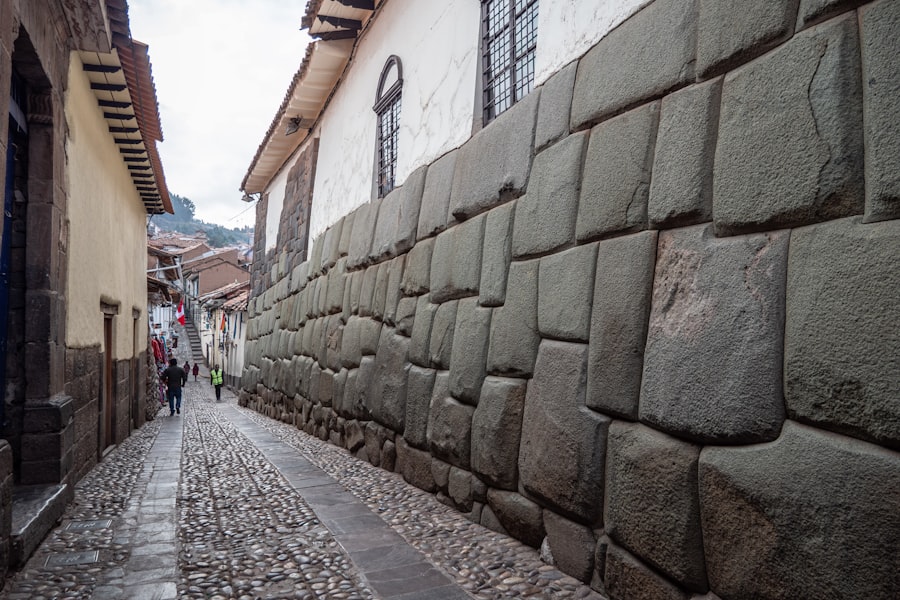
The Greeks, renowned for their architectural innovations, elevated polygonal masonry to new heights of sophistication and aesthetic appeal. While they also employed more regular ashlar masonry in their grand temples and public buildings, polygonal masonry continued to be utilized, particularly in fortifications and retaining walls, where its structural advantages were undeniable. The Greek approach distinguished itself by a growing emphasis on precision and a deliberate, albeit often subtle, shaping of stones.
Fortifications of Classical Cities: Enduring Defenses
Throughout the Hellenistic period and into Roman times, polygonal masonry was a favored technique for constructing city walls and defensive fortifications. Cities like Delphi, Corinth, and Pergamon boast impressive examples of these structures. Here, the polygonal blocks, while still irregular, often exhibit a greater degree of dressing and shaping compared to their Mycenaean predecessors. The faces of the stones were smoothed, and edges were often beveled, creating a tighter and more aesthetically pleasing fit. This allowed for the construction of remarkably strong and visually impressive walls that could withstand the rigors of siege warfare.
The “Pseudo-Isodomic” Style: Blurring the Lines
In some Greek constructions, a style known as “pseudo-isodomic” emerged. This technique involved using polygons of varying sizes and shapes that were then arranged in a way that mimicked the appearance of courses of regular blocks. While not strictly polygonal in the sense of completely irregular forms, it demonstrates a continued appreciation for the strength and beauty of non-rectangular stonework and a desire to create a sense of order within the irregularity. This approach hints at a deliberate choice to move away from the purely functional to incorporate elements of design and visual harmony.
Retaining Walls and Terraces: Shaping the Landscape
Beyond defensive structures, polygonal masonry proved invaluable for creating retaining walls and terraces, particularly in the often mountainous terrain of Greece. The ability of polygonal blocks to interlock and withstand lateral pressure made them ideal for stabilizing slopes, creating usable flat areas for agriculture, and supporting the foundations of buildings. The organic nature of polygonal masonry also allowed it to blend harmoniously with the natural landscape, creating structures that felt integral to their surroundings. The precise fitting ensured that water drainage was managed effectively, preventing erosion and structural failure.
The Inca Empire and the Pinnacle of Precision: An Unparalleled Mastery

Perhaps the most celebrated and visually arresting examples of polygonal masonry come from the Inca Empire of South America. The Incas achieved a level of precision in fitting stones that remains astonishing to this day, with their meticulously crafted walls forming the heart of their magnificent cities and fortresses. Their mastery of this technique transcended mere construction; it was an art form deeply intertwined with their belief systems and their understanding of the natural world.
Machu Picchu and Sacsayhuamán: Wonders of the Andes
The iconic citadel of Machu Picchu and the formidable fortress of Sacsayhuamán near Cusco are unparalleled testaments to Inca polygonal masonry. The Incas employed massive, irregularly shaped stones, some weighing hundreds of tons, and fitted them together with such astonishing accuracy that not even a knife blade could pass between them. This was achieved without mortar, relying solely on the precise shaping of each stone to create a seamless, interlocking structure that has withstood centuries of earthquakes and the passage of time. The polyhedral nature of the stones, with faces meeting at multiple angles, created an incredibly stable and earthquake-resistant construction.
The Mystery of the Tools and Techniques: Engineering Without Iron
The exact methods by which the Incas achieved such extraordinary precision remain a subject of ongoing debate and fascination. Lacking iron tools, they likely employed a combination of stone hammers, abrasive sands, and a deep understanding of the stone’s properties. The process would have involved painstakingly shaping each stone, then testing its fit, and making subtle adjustments over and over. The sheer scale of the undertaking, coupled with the precision achieved, suggests a highly organized labor force and a profound knowledge of physics and engineering principles, passed down through generations.
Integration with Site: Harmony with the Natural World
A key aspect of Inca polygonal masonry was its seamless integration with the natural landscape. Stones were often sourced from nearby quarries, and their irregular shapes were often dictated by the natural contours of the mountainside. The walls appear to grow organically from the earth, demonstrating a profound respect for the environment and a desire to create structures that felt a part of the natural world rather than imposed upon it. This philosophy extended to the orientation of structures, often aligned with celestial bodies or natural features, further enhancing their connection to the cosmos.
The fascinating history of polygonal masonry reveals the advanced engineering techniques used by ancient civilizations, particularly in regions like the Andes and Mesoamerica. For those interested in exploring the broader implications of historical construction methods, a related article discusses the complexities of modern supply chains in Mexico, highlighting how these systems can be influenced by historical practices. You can read more about this intriguing connection in the article available here.
The Enduring Legacy and Modern Interpretations
| Time Period | Location | Notable Examples |
|---|---|---|
| Ancient Times | Greece | The walls of Mycenae |
| Medieval Period | Italy | The Duomo in Florence |
| Renaissance | Spain | Alhambra in Granada |
While the golden age of traditional polygonal masonry has long passed, its influence and legacy continue to resonate in the modern world. The principles of interlocking, stability, and aesthetic appeal derived from these ancient techniques continue to inspire architects and engineers, and rediscovered sites offer constant learning opportunities.
The Lessons of Durability: Lessons in Engineering
The enduring strength and resilience of ancient polygonal masonry structures offer invaluable lessons in

The Walls That Shouldn’t Still Be Standing
FAQs
What is polygonal masonry?
Polygonal masonry is a construction technique where stones are cut and fit together in irregular shapes, creating a pattern of interlocking polygons. This method is known for its durability and strength.
Where was polygonal masonry used in history?
Polygonal masonry was used in various ancient civilizations, including the Greeks, Romans, and Incas. It can be found in structures such as fortifications, city walls, and temples.
What are the advantages of polygonal masonry?
The irregular shapes of the stones in polygonal masonry create a strong and stable structure that is resistant to seismic activity. Additionally, the interlocking stones provide natural drainage and prevent water from accumulating within the walls.
How was polygonal masonry constructed?
The construction of polygonal masonry involved skilled craftsmen who carefully selected and shaped the stones to fit together without the use of mortar. The precision of the stone cutting and fitting required great expertise.
Is polygonal masonry still used today?
While the traditional technique of polygonal masonry is not commonly used in modern construction, its principles have influenced contemporary architectural designs and engineering practices. Some restoration projects also employ polygonal masonry to preserve historical structures.