The monumental structures of ancient civilizations, standing defiant against the ravages of time, often evoke a sense of awe and wonder. Many of these enduring testaments to human ingenuity were constructed using a technique that, while seemingly simple, demands an almost alchemical understanding of stone: stone fitting, or the art of building without mortar. This method, far from being a primitive curiosity, represents a sophisticated approach to construction that prioritizes precision, material knowledge, and an inherent respect for the natural world. It is an art form that speaks of patience, meticulous craftsmanship, and a deep connection between the builder and the very earth from which their materials are drawn.
The Genesis of Mortarless Construction
The earliest forms of human shelter were likely rudimentary, utilizing naturally occurring rock formations or loosely piled stones. However, as societies progressed and the desire for more permanent and sophisticated structures emerged, so too did the need for more advanced building techniques. The development of mortar, a binding agent, was a significant leap forward, allowing for greater flexibility in design and a faster construction process. Yet, even as mortar became prevalent, the innate appeal and intrinsic strength of meticulously fitted stone persisted, particularly in cultures with abundant and suitable stone resources.
Early Experiments and Adaptations
While the exact origins of stone fitting are lost to the mists of prehistory, archaeological evidence suggests its widespread adoption across various ancient cultures. From the megalithic structures of Neolithic Europe to the fortified cities of the Bronze Age, builders intuitively understood the potential of carefully shaped and placed stones to create stable and durable walls. These early builders likely observed how natural rockfalls, when settled, often formed remarkably stable configurations, and sought to replicate this inherent structural integrity through intentional effort. The selection of stones was paramount; naturally occurring irregularities, when skillfully exploited, could interlock like puzzle pieces, creating a cohesive and self-supporting unit. This was not merely about stacking rocks; it was about understanding their weight, their density, their angles, and how they could resist external forces.
The Influence of Geography and Material Availability
The prevalence of stone fitting was intrinsically linked to the geological landscape. Regions rich in high-quality, easily workable stone naturally gravitated towards this technique. The Mediterranean, with its abundance of limestone and marble, witnessed some of the most impressive examples. Similarly, the Andes, with its vast granite deposits, facilitated the development of incredible Inca stonework. The availability of specific types of stone also dictated the methods employed. Softer stones, like some sandstones, might have been shaped with tools to create finer interlocking joints, while harder stones, like granite, were often used in larger, more imposing blocks where less precise, but still highly effective, fitting was employed.
Stone fitting without mortar is an ancient technique that showcases the ingenuity of early builders who relied on precise stone cutting and placement to create durable structures. This method not only enhances the aesthetic appeal of stonework but also allows for natural movement and drainage, making it suitable for various climates. For more insights into the implications of property ownership and the potential for government confiscation, you can read a related article at What You Need to Know About Government Confiscation.
The Principles of Precision and Interlocking
The cornerstone of stone fitting lies in its unwavering commitment to precision. Unlike mortar, which fills gaps and provides a uniform binding force, stone fitting relies on the exact geometry of each individual stone to create stability. This involves a deep understanding of physics, gravity, and the inherent properties of stone. The goal is to create a seamless jigsaw puzzle where every piece is essential for the structural integrity of the whole.
The Art of Shaping and Dressing
The transformation of raw stone into fitting components was a laborious but critical process. Builders would meticulously select their stones, considering their size, shape, and weight. Then, through a combination of chipping, hammering, and grinding, they would carefully shape the edges and surfaces of each block. This shaping was not arbitrary; it was guided by the intended position of the stone and its relationship with its neighboring components.
Tooling Techniques and Evolution
The tools used in stone fitting evolved over millennia, becoming increasingly sophisticated. Early builders might have used harder stones to chip away at softer ones, or employed fire and water to exploit natural fractures. As metallurgy advanced, bronze and then iron tools became indispensable. Chisels, hammers, and mallets allowed for finer shaping and more intricate joinery. The development of specialized tools, such as stone saws and grinding wheels, further enhanced the precision achievable. The iconic examples of Inca stonework, with their seemingly impossible tight-fitting polygonal blocks, attest to the remarkable skill and advanced tooling capabilities of their builders.
The Concept of “Knapping” and “Pecking”
Specific techniques like “knapping” and “pecking” were crucial. Knapping involved striking a stone with a hammer to break off pieces and shape the edges. Pecking, on the other hand, was a more delicate process of repeatedly striking the surface with a pointed tool to create a finer finish and achieve precise angles. These techniques required immense control and an intimate understanding of how the stone would fracture and respond to force.
The Science of Interlocking Geometry
The true genius of stone fitting lies in the geometric interplay of the stones. Builders would design their structures so that the weight of the stones above would press down on the stones below, creating friction and preventing movement. The angled faces and precisely carved corners of each block would lock into their neighbors, forming a remarkably stable and resistant edifice.
Trapezoidal and Polygonal Forms
Many examples of stone fitting feature stones with trapezoidal or polygonal shapes. These shapes were not merely aesthetic; they were functional. Trapezoidal blocks, wider at the top than the bottom, created a self-bracing effect, especially in walls that might experience outward pressure. Polygonal blocks, with their irregular but precisely cut faces, allowed for a highly adaptable and interlocking fit, creating a strong bond even without the presence of mortar. The Inca mastery of polygonal masonry is particularly renowned, with blocks fitting together so tightly that not even a blade of grass could be inserted between them.
The Role of Gravity and Weight Distribution
Gravity was the silent partner in every mortarless construction. The immense weight of the stone blocks, when properly positioned and interlocked, created a stable structure that could withstand significant forces, including earthquakes. Builders understood how to distribute weight evenly across the foundation and throughout the wall, ensuring that no single point was overburdened. This required careful planning and an intuitive grasp of load-bearing principles.
Advantages of Mortarless Construction
While the construction process of stone fitting is undeniably more demanding, it offers a range of significant advantages that have ensured its continued relevance and admiration for centuries. These benefits stem from the inherent nature of the materials and the precision of the method.
Durability and Longevity
The most striking advantage of stone fitting is its unparalleled durability. Without mortar to decay, crack, or erode, the integrity of the structure relies solely on the stones themselves. This means that structures built with this technique can endure for millennia, outlasting buildings constructed with weaker binding agents. The absence of mortar also means that the structure is less susceptible to water infiltration and the freeze-thaw cycles that can degrade conventional masonry.
Resistance to Seismic Activity
Many regions where stone fitting was prevalent are also seismically active. The interlocking nature of mortarless joints allows the stones to shift and settle slightly during an earthquake, absorbing and dissipating energy rather than fracturing. This inherent flexibility has allowed ancient stone-fitted structures to survive earthquakes that would have reduced conventionally built structures to rubble. The precise fitting allows for a slight movement between stones, preventing the rigid failure that often occurs in mortared walls.
Protection Against Environmental Factors
Beyond seismic activity, stone-fitted structures are also remarkably resilient to other environmental factors. Wind, rain, and temperature fluctuations have less impact on the integrity of a wall built from precisely interlocking stone. The tight joints minimize the ingress of water, preventing frost damage and the growth of mosses or lichen that can accelerate erosion. The sheer mass and density of the stone also provide inherent protection against extreme temperatures.
Aesthetic Appeal and Timeless Beauty
The visual appeal of stone fitting is undeniable. The natural variations in color, texture, and grain of the stone, combined with the clean, precise lines of the joints, create a unique and timeless aesthetic. These structures possess a raw, organic beauty that speaks of the earth and the raw power of nature, harnessed and sculpted by human hands.
The Natural Patina of Age
Over time, stone fitting develops a beautiful patina. The subtle weathering and coloration that occur impart a sense of history and character to the structure. This natural aging process enhances, rather than detracts from, the beauty of the stone, creating a sense of deep-rootedness and permanence.
A Visual Dialogue with the Landscape
Stone-fitted buildings often seem to grow organically from their surroundings. The careful selection of local stone and the precise fitting methods allow the structures to blend harmoniously with the natural landscape, creating a visual dialogue between the built environment and the earth. This is a stark contrast to some modern constructions that can appear jarringly out of place.
Low Maintenance Requirements
Once constructed, stone-fitted structures generally require very little maintenance. The absence of mortar means there are no joints to repoint, no cracks to seal, and no crumbling material to replace. The inherent stability and resilience of the construction method mean that repairs, when necessary, are typically confined to replacing individual damaged stones, a far simpler undertaking than extensive structural repairs.
The Challenges and Skills Involved
The art of stone fitting is not for the faint of heart or the unskilled. It demands a unique blend of physical strength, meticulous attention to detail, and a profound understanding of materials and physics. The investment of time and effort is substantial, presenting significant challenges.
The Laborious Process of Quarrying and Transport
Extracting massive stone blocks from quarries and then transporting them to the construction site was an undertaking of immense proportions in ancient times. Without modern machinery, this involved back-breaking labor, the use of simple levers and ropes, and often the ingenious application of water or sledges to move heavy loads. The sheer scale of these operations speaks volumes about the dedication and collective effort required.
Primitive Quarrying Techniques
Quarrying techniques were both ingenious and demanding. Builders would identify natural fissures in the rock and exploit them using wedges, hammers, or even fire and water to fracture and detach blocks. They would then painstakingly shape these raw blocks at the quarry itself, reducing the weight and volume for easier transport.
The Challenge of Logistics and Mobilization
Moving these colossal stones across uneven terrain, often over long distances, was a monumental logistical challenge. Teams of workers, often organized through a sophisticated social structure, were required to pull, push, and leverage the stones. The development of ramps, causeways, and even rollers played a crucial role in this arduous process.
The Skill of Precision Cutting and Fitting
The true mastery of stone fitting lies in the painstaking precision required to shape and fit each stone. This was a process that demanded extreme accuracy and a keen eye. A single ill-fitting stone could compromise the stability of an entire section of wall.
The Importance of Template and Measurement
While seemingly intuitive, the process of creating perfectly fitting stones involved careful measurement and the creation of templates. Builders would likely have used plumb bobs, levels, and measuring cords to ensure the correct angles and dimensions. For particularly complex interlocking shapes, hand-drawn plans or even physical mock-ups might have been employed.
The Master Craftsman’s Touch
Ultimately, the success of stone fitting relied on the skill and intuition of the master craftsmen. They possessed an innate understanding of how stones would behave, how to coax them into perfect alignment, and how to create a structure that would stand the test of time. This was a hereditary skill, passed down through generations, imbued with generations of accumulated knowledge.
In exploring innovative construction techniques, the concept of stone fitting without mortar has gained significant attention for its sustainability and aesthetic appeal. This method, which relies on precise stone shaping and placement, allows for structures that can withstand the test of time while minimizing environmental impact. For those interested in the engineering prowess behind such techniques, a fascinating article discusses Mexico’s skilled engineering talent and their contributions to modern construction practices. You can read more about it in this insightful piece on Mexico’s engineering talent.
Contemporary Relevance and Modern Applications
While our modern world often favors speed and efficiency through concrete and steel, the principles and inherent beauty of stone fitting continue to inspire and captivate. There is a growing appreciation for the sustainability, durability, and aesthetic qualities of this ancient art.
Restoration and Preservation Efforts
In an era of increasing awareness about heritage and the importance of preserving our past, the techniques of stone fitting are crucial for the restoration of ancient monuments. Craftsmen are employing these traditional methods to repair and maintain historical sites, ensuring that these testaments to human ingenuity remain standing for future generations.
Recreating Original Techniques for Authenticity
Restoration projects that utilize faithful stone fitting ensure the historical authenticity of the repaired structures. This involves meticulous research into the original methods, the sourcing of appropriate stone, and the employment of skilled artisans trained in these time-honored techniques.
Challenges in Finding Skilled Labor
One of the significant challenges in contemporary stone fitting is the scarcity of highly skilled labor. The specialized knowledge and years of practice required to master this art form mean that finding enough qualified individuals to undertake large-scale restoration projects can be difficult.
Inspiration for Modern Architecture and Landscape Design
The enduring appeal of stone fitting extends beyond restoration. Its principles are influencing contemporary architects and landscape designers who seek to create buildings and spaces that are both aesthetically pleasing and environmentally responsible. The tactile quality and natural beauty of stone, coupled with the concept of precise interlocking, offer a compelling alternative to mass-produced materials.
Sustainable and Eco-Friendly Construction
The long lifespan and lack of chemical binders make stone fitting an inherently sustainable building method. As the world searches for more environmentally friendly construction practices, these ancient techniques offer valuable insights and inspiration.
The Art of Harmonious Integration
Modern designers are increasingly looking to stone fitting to create structures that harmoniously integrate with their natural surroundings. The ability of stone to age gracefully and its inherent connection to the earth make it an ideal material for projects that aim for a timeless and grounded aesthetic.
In conclusion, stone fitting, the art of building without mortar, is far more than a historical curiosity. It is a testament to human ingenuity, a profound understanding of natural materials, and a commitment to enduring quality. From the awe-inspiring monoliths of antiquity to the thoughtfully designed contemporary structures, the principles of precise fitting and interlocking geometry continue to shape our built environment, offering lessons in sustainability, durability, and the timeless beauty that can be achieved when human endeavor works in harmony with the very earth itself.

The Walls That Shouldn’t Still Be Standing
FAQs
What is stone fitting without mortar?
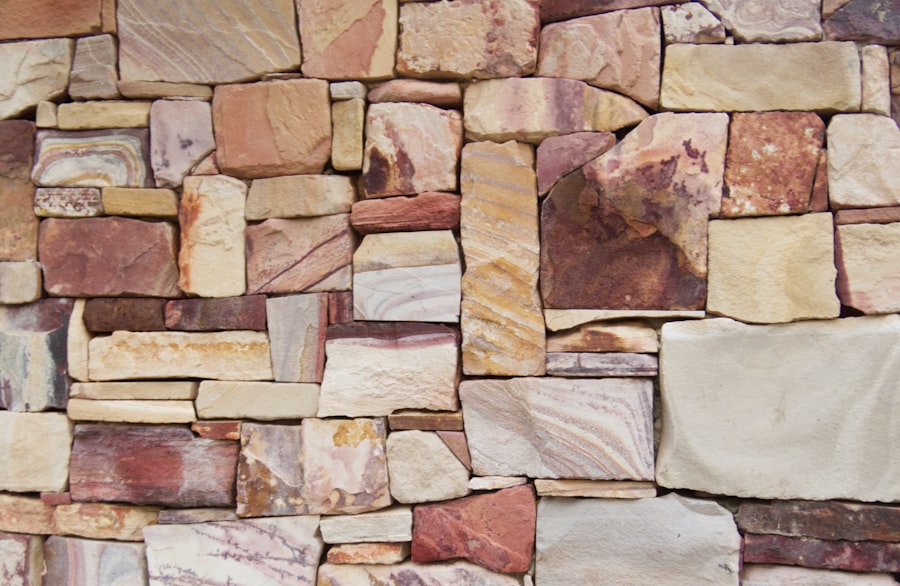
Stone fitting without mortar, also known as dry stone construction, is a method of building using carefully selected and fitted stones without the use of any mortar or binding material. This technique has been used for centuries and is known for its durability and strength.
What are the benefits of stone fitting without mortar?
Stone fitting without mortar offers several benefits, including increased durability, resistance to weathering, and a natural aesthetic appeal. Additionally, dry stone construction is environmentally friendly as it does not require the use of any chemicals or binding agents.
What are some common applications of stone fitting without mortar?
Dry stone construction is commonly used for building retaining walls, fences, bridges, and even entire buildings. It is also popular for landscaping features such as garden walls, pathways, and decorative structures.
What are the key principles of stone fitting without mortar?
The key principles of stone fitting without mortar include careful selection of stones, precise fitting and placement, and the use of gravity and friction to hold the structure together. Additionally, proper drainage and foundation are essential for the stability of dry stone constructions.
What are some considerations when using stone fitting without mortar?
When using stone fitting without mortar, it is important to consider the weight and size of the stones, the angle of placement, and the overall design and layout of the structure. Additionally, proper maintenance and periodic inspection are necessary to ensure the longevity of the construction.