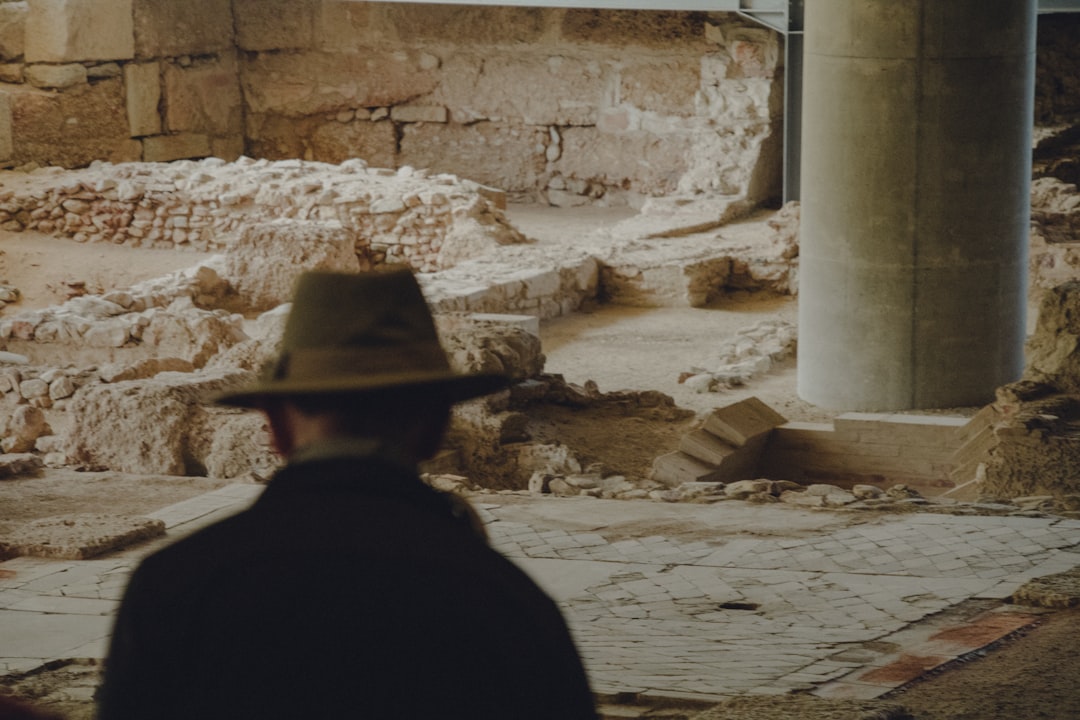
The earth held its breath, a moment frozen in violent cataclysm. Below Vesuvius’s looming presence, the vibrant Roman city of Pompeii flourished, its streets teeming with life, its citizens engaged in the daily rhythms of commerce, worship, and domesticity. Then, in 79 AD, the mountain roared, unleashing a fury that would transform a living city into a tomb of volcanic ash and pumice. For centuries, Pompeii lay buried, a silent testament to a catastrophic event, its secrets held captive by the earth. The story of its eventual unearthing is not merely one of archaeological discovery, but a profound dialogue with the past, a painstaking excavation of memory etched in stone and solidified in ash.
The eruption of Mount Vesuvius was not a singular, instantaneous event, but a terrifying crescendo of natural forces. For hours, the volcano spewed immense quantities of ash, pumice, and volcanic gases into the atmosphere. The initial phase saw a towering column of ash, reaching miles into the sky, obscuring the sun and raining down a fine, powdery dust upon the surrounding landscape. This was followed by pyroclastic flows, searing surges of hot gas and volcanic debris that swept down the mountainside with unimaginable speed and destructive power.
The Fury of Pyroclastic Flows
These incandescent avalanches were the true agents of Pompeii’s demise. Traveling at speeds often exceeding hundreds of kilometers per hour and reaching temperatures of hundreds of degrees Celsius, they consumed everything in their path. Buildings were instantly engulfed, their wooden structures igniting in a flash. The inhabitants, caught unaware or unable to escape the relentless advance, were overcome by the extreme heat and suffocating gases. For those who sought shelter within buildings, the pyroclastic surges brought a swift and brutal end, their bodies often preserved by the very materials that sealed their fate.
A City Submerged in Time
The sheer volume of volcanic material deposited upon Pompeii was staggering. Layers of ash and pumice, sometimes meters thick, entombed the city, effectively freezing it in time. The porous nature of the ash, while instrumental in the preservation of organic materials in later discoveries, also meant that the city was not simply buried but encapsulated. This unique geological phenomenon created a remarkably intact archaeological site, offering an unprecedented glimpse into the daily lives of Roman citizens. The dust that extinguished life also became the guardian of its memory.
In the fascinating realm of archaeology, the study of volcanic ash has revealed significant insights into ancient civilizations and their environments. A related article that delves deeper into this topic is titled “Uncovering Evidence of Lost Advanced Civilization,” which explores how volcanic eruptions have preserved artifacts and structures, providing a unique glimpse into the lives of those who lived in the shadow of these natural disasters. For more information, you can read the article here: Uncovering Evidence of Lost Advanced Civilization.
The Long Sleep: Centuries of Oblivion
Following the eruption, Pompeii was effectively erased from the immediate memory of the Roman world and subsequent generations. Its burial was so complete that its exact location was lost to time. While scattered accounts and legends hinted at a lost city, the precise whereabouts of Pompeii remained a mystery for nearly seventeen centuries. The fertile volcanic soil, while a boon to agriculture, acted as a shroud, guarding the secrets of the past from the curious eyes of the present.
Rediscovery and Early Excavations
The first hints of Pompeii’s existence began to emerge in the late 16th and early 17th centuries, primarily through chance discoveries during construction or agricultural work. However, these early encounters were often characterized by a lack of systematic approach. Looting and the removal of artifacts for private collections were common, with little regard for scientific context or preservation. It was not until the mid-18th century that more organized, albeit still rudimentary, excavations began, driven by the desire to unearth treasures and antiquities.
The Spade of Alcubierre and Weber
The real impetus for systematic excavation came with the work of Rocque Joaquin de Alcubierre, a Spanish military engineer. Under his direction, and later that of Karl Weber, a Swiss architect, the focus shifted towards understanding the layout and structure of the buried city. These early archaeologists began to uncover streets, buildings, and public spaces, revealing the scale and complexity of Pompeii. While their methods were groundbreaking for their time, they still involved significant destruction of context and a primary focus on retrieving portable artifacts.
Unearthing the Ordinary: The Revolution in Archaeological Practice
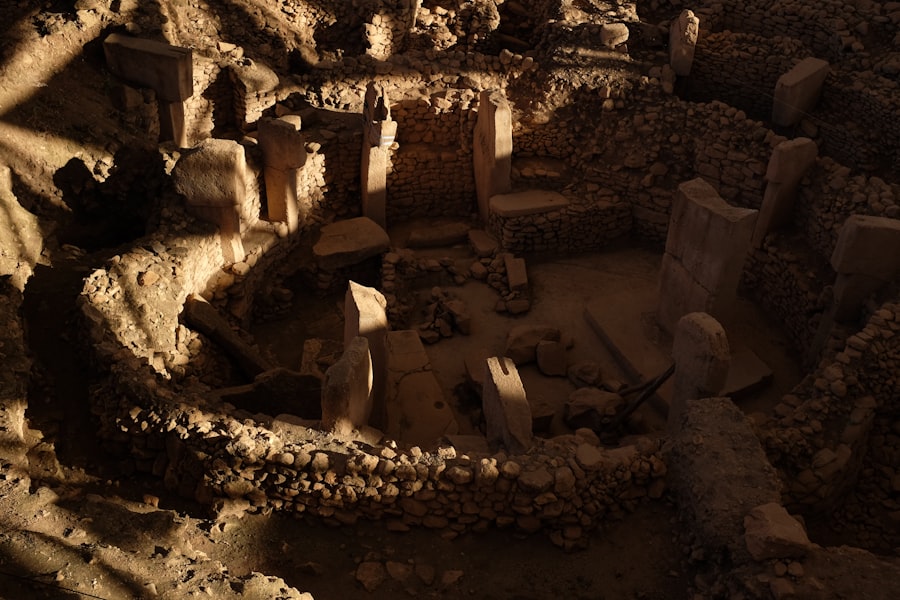
The true revolution in understanding Pompeii came with a shift in archaeological methodology. Early excavators were often driven by a desire for grand statues and precious objects, viewing the city as a repository of magnificent art. However, as centuries passed and methods evolved, a new appreciation for the mundane, the everyday, and the social fabric of the city began to take root. This broadened perspective transformed Pompeii from a treasure trove into a window into the lives of ordinary people.
Giuseppe Fiorelli and the Plaster Casts
Perhaps the most significant advancement in Pompeii’s excavation history came with the work of Giuseppe Fiorelli in the mid-19th century. Recognizing the limitations of previous methods, Fiorelli introduced a more systematic approach to excavation, dividing the city into regions and insulae (blocks). His most profound contribution, however, was the development of the technique for creating plaster casts of the voids left by decomposed organic matter, most notably human bodies. When excavators found hollow spaces in the hardened ash, they would inject plaster, revealing the final moments of the victims. These casts, from individuals contorted in poses of pain and desperation to those attempting to shield themselves, provided a visceral and poignant connection to the human tragedy, solidifying the understanding of Pompeii as a city frozen in its last instants.
The Importance of Contextual Archaeology
Following Fiorelli, archaeologists like Ernst Hauser and later figures continued to refine excavation techniques, emphasizing the importance of stratigraphic analysis and the meticulous recording of artifact contexts. This meant understanding not just what was found, but where and in relation to what else it was found. This contextual approach allowed for the reconstruction of activities, social hierarchies, and economic practices within the city. Suddenly, a collection of pottery shards in a specific kitchen wasn’t just debris; it was evidence of dining habits and culinary traditions. A mosaic in a villa wasn’t just decoration; it revealed the owner’s wealth and taste.
Life Frozen in Ash: The Domestic Sphere as a Historical Record
One of Pompeii’s most extraordinary contributions to our understanding of Roman life lies within its remarkably preserved domestic spaces. The volcanic ash, by sealing off homes from the elements, created an unparalleled time capsule of daily living. Rooms, furniture, and even household goods were found in situ, offering intimate glimpses into the routines, beliefs, and social structures of the city’s inhabitants.
From Grand Villas to Humble Abodes
Pompeii reveals a surprising diversity of housing. The grand villas of the wealthy elite, with their peristyle gardens, elaborate frescoes, and sophisticated plumbing, sit alongside more modest dwellings and compact shops that doubled as living quarters. Excavations have revealed kitchens equipped with ovens and hearths, bedrooms with beds and personal effects, and dining rooms adorned with intricate mosaics. The presence of tools, cooking utensils, and personal items within these spaces allows archaeologists to reconstruct domestic activities and family life with a clarity previously unimaginable.
The Frescoes of Pompeii: Art and Everyday Life
The painted walls of Pompeii are a vibrant testament to Roman artistic sensibilities and the importance of visual culture in daily life. These frescoes, ranging from mythological scenes and grand historical narratives to still lifes and intimate portraits, decorated the interiors of homes. Beyond their aesthetic appeal, they offer insights into the beliefs, values, and even the aspirations of Pompeii’s citizens. The vibrant colors and detailed depictions provide a rich tapestry of the visual world that surrounded them, a world that has been remarkably preserved.
The Written Word: Graffiti and Public Notices
Pompeii also offers a unique window into the written word, both formal and informal. Public inscriptions adorned buildings, detailing dedications, official decrees, and the names of magistrates. More intriguingly, the walls are covered in countless instances of graffiti – scrawled messages, advertisements, political slogans, and even personal declarations of love. These candid utterances provide a direct and unvarnished glimpse into the thoughts and concerns of ordinary Pompeiians, revealing a surprisingly modern-feeling human voice from the ancient past.
In the fascinating world of archaeology, the study of volcanic ash has provided invaluable insights into ancient civilizations and their environments. A recent article explores how volcanic eruptions have shaped archaeological findings, revealing layers of history that were previously hidden. For those interested in the intersection of natural phenomena and human history, this article offers a compelling perspective on the role of volcanic ash in preserving artifacts and structures. You can read more about this intriguing topic in the article found here.
Beyond the Ruins: The Ongoing Legacy of Pompeii
| Documentary Title | Volcanic Ash and Archaeology |
|---|---|
| Release Date | 2021 |
| Duration | 60 minutes |
| Featured Archaeological Sites | Pompeii, Herculaneum, Akrotiri |
| Scientific Experts | Volcanologists, Archaeologists |
| Key Topics | Impact of volcanic ash on ancient civilizations, preservation of artifacts, excavation techniques |
Pompeii is not a static relic of the past; it is a dynamic and evolving archaeological site that continues to yield new discoveries and challenge our understanding of the ancient world. The work of excavation and preservation is ongoing, a perpetual act of dialogue between the present and the past, and its influence extends far beyond the archaeological community.
The Challenges of Preservation
The very forces that preserved Pompeii now present the greatest challenges to its continued existence. The porous nature of the ash makes the site vulnerable to environmental factors, including rain, erosion, and the damaging effects of foot traffic. The delicate frescoes and mosaics require constant monitoring and conservation efforts to prevent deterioration. International collaborations and modern scientific techniques are crucial in addressing these complex preservation needs.
Pompeii in the Modern Imagination
The story of Pompeii has captured the global imagination for centuries, inspiring literature, art, and film. It serves as a powerful reminder of the fragility of human civilization and the awe-inspiring power of nature. The tragedy of Pompeii has also become a symbol of resilience, of a past that, through scientific endeavor and a deep respect for history, continues to speak to us and inform our understanding of who we are. The unearthed city, once silenced by the earth, now speaks volumes, a continuous narrative waiting to be further understood.

Scientists Found Earth’s Hidden Timestamp
FAQs
What is volcanic ash and its significance in archaeology?
Volcanic ash is the fine particles of pulverized rock and glass created during volcanic eruptions. In archaeology, volcanic ash can provide valuable information about past civilizations, including dating artifacts and preserving ancient structures.
How does volcanic ash contribute to the preservation of archaeological sites?
Volcanic ash can act as a protective layer, covering and preserving ancient structures and artifacts from decay and erosion. It can also create airtight conditions, which can help in the preservation of organic materials such as wood, textiles, and human remains.
What can we learn from archaeological studies of volcanic ash deposits?
Archaeological studies of volcanic ash deposits can provide insights into the daily lives, customs, and activities of ancient civilizations. They can also reveal the impact of volcanic eruptions on human settlements and the environment.
What are some famous archaeological sites preserved by volcanic ash?
Pompeii and Herculaneum in Italy are well-known examples of ancient cities preserved by volcanic ash from the eruption of Mount Vesuvius in 79 AD. The ash preserved the cities in remarkable detail, offering a unique glimpse into Roman life.
How can I watch the archaeology documentary about volcanic ash?
The archaeology documentary about volcanic ash may be available for streaming on various platforms such as streaming services, educational websites, or through purchase or rental. Check with your local television listings or online streaming platforms for availability.