The flickering screen cast a familiar, yet exciting, glow upon the faces of viewers gathered for a special screening. They were about to embark on a journey, guided by the latest archaeological documentary, “Unearthing Ancient Mysteries.” This ambitious production promised to peel back the layers of time, revealing secrets long buried beneath the earth and offering new interpretations of humanity’s past. The air crackled with anticipation, a shared eagerness to see what forgotten narratives would be brought to light.
The documentary’s opening sequences were a masterclass in visual storytelling, immersing the audience immediately in the raw beauty and desolate grandeur of its primary excavation sites. From the windswept plains of the Fertile Crescent to the dense, verdant jungles of Mesoamerica, the camera lingered on landscapes that spoke of millennia of human endeavor and the silent march of nature reclaiming its own. The narrative voice, deep and resonant, set a contemplative tone, emphasizing the fragility of memory and the vital role of archaeology in preserving our collective human story.
The Crucial Role of Context: More Than Just Artifacts
“Unearthing Ancient Mysteries” made it abundantly clear that its approach to archaeology was not merely about the thrill of finding shiny objects. A significant portion of the initial segment was dedicated to explaining the profound importance of context. Experts, with hands calloused from years of fieldwork, spoke passionately about how an artifact’s true meaning is unlocked not by its intrinsic beauty, but by its placement within a site, its association with other objects, and the environmental conditions it was found in. This emphasis on the scientific rigor behind the discoveries underscored the documentary’s commitment to factual reporting and dispelled any lingering romanticized notions of treasure hunting.
Fieldwork: The Backbone of Archaeological Understanding
The film showcased the painstaking, often arduous, process of fieldwork. Viewers were treated to time-lapse footage of excavation sites transforming from untouched earth to meticulously layered grids. The dedication of the archaeologists, often working under challenging environmental conditions – be it sweltering heat, biting winds, or torrential rains – was palpable. The documentary highlighted the systematic approach, from the initial remote sensing surveys that guide excavation to the careful brushing away of sediment particle by particle. Each trowel stroke, each carefully logged grid square, was presented as a crucial step in understanding the human story.
The Science Behind the Dig: Technology as an Ancient Whisperer
“Unearthing Ancient Mysteries” embraced modern technology, illustrating how cutting-edge tools are revolutionizing archaeological practice. Geophysical surveys using ground-penetrating radar and magnetometry were shown identifying anomalies beneath the surface before any soil was disturbed, helping researchers target their excavations more effectively and non-destructively. Drone imagery provided bird’s-eye views of expansive sites, revealing patterns and structures invisible from the ground. Even DNA analysis of ancient remains was presented as a powerful tool for understanding migration patterns, diet, and even the health of past populations. This fusion of traditional excavation techniques with advanced scientific methods demonstrated a dynamic and evolving field.
The Pillars of the Past: Structures That Defy Time
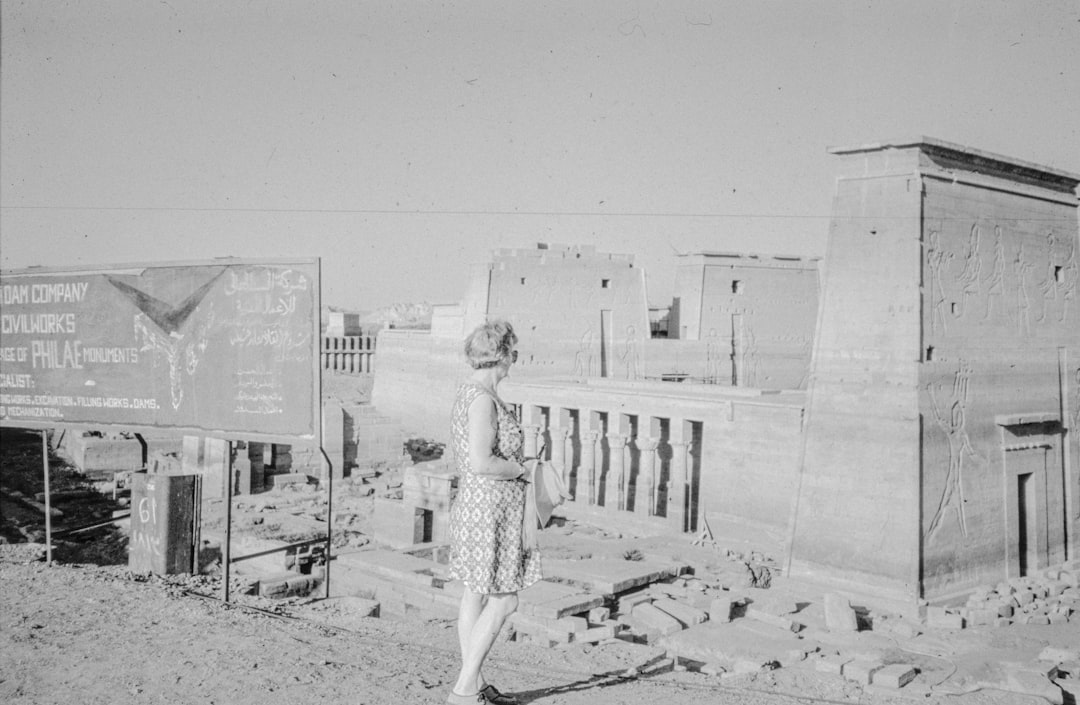
The documentary dedicated substantial time to the monumental architectural achievements of ancient civilizations, offering fresh perspectives on their engineering prowess and societal organization. These were not just stone structures; they were testaments to human ambition, ingenuity, and a deep understanding of their environment. The grandeur and complexity of these sites left viewers in awe, prompting reflection on what drove these societies to create such enduring legacies.
Pyramids: Beyond the Royal Tombs
The film revisited the iconic pyramids of Egypt and Mesoamerica, but with a new lens. It moved beyond the traditional narrative of pharaohs and rulers, exploring the labor forces involved, the logistical challenges of construction, and the astronomical alignments that suggest a profound connection to the cosmos. Theories about the precise construction methods were debated, with archaeologists presenting evidence for ramp systems, internal scaffolding, and even the ingenious use of water to move enormous blocks. The exploration of these structures was presented not as a closed chapter, but as an ongoing scientific inquiry.
Lost Cities: Whispers from the Urban Heart
The exploration extended to the remains of ancient cities, places that once teemed with life but are now silent witnesses to the passage of time. The documentary highlighted the intricate urban planning, the sophisticated water management systems, and the evidence of vibrant trade networks that characterized these lost metropolises. From the ruins of Pompeii, preserved by volcanic ash, to the sprawling complexes of Teotihuacan, the film painted a vivid picture of daily life, social hierarchies, and the eventual decline of these once-thriving centers. The archaeological work here was crucial in understanding the evolution of human settlement and the complexities of urban living across diverse cultures.
Sacred Spaces: The Spiritual Heart of Ancient Societies
A particular focus was placed on the religious and ceremonial sites that were central to ancient belief systems. Temples, altars, and ritualistic paraphernalia were examined not just as religious artifacts, but as windows into the worldview, values, and aspirations of these societies. The documentary explored the symbolic language embedded in their architecture and art, the rituals performed, and the beliefs that shaped their understanding of life, death, and the divine. This exploration of the spiritual dimension offered a more holistic understanding of the human experience in antiquity.
For those interested in the intersection of archaeology and modern economic trends, a fascinating article titled “The Impact of Nearshoring on Inflation” explores how contemporary practices can influence our understanding of historical trade routes and economic systems. This piece offers insights that can enhance the context of real archaeology documentaries by linking past and present economic behaviors. You can read the article here: The Impact of Nearshoring on Inflation.
Decoding the Silent Narratives: Artifacts as Storytellers
The heart of any archaeological discovery lies in the artifacts unearthed. “Unearthing Ancient Mysteries” excelled in bringing these objects to life, transforming them from inert fragments of the past into compelling storytellers. The documentary meticulously detailed the process of cleaning, preserving, and analyzing these findings, unveiling the hidden narratives they contained.
Pottery and Ceramics: The Everyday Chronicle
The humble shard of pottery, often found in abundance at archaeological sites, was elevated to a subject of fascination. The documentary demonstrated how the style, decoration, and material composition of pottery can reveal valuable information about trade routes, cultural influences, and the technological capabilities of ancient peoples. The painstaking reconstitution of broken vessels allowed for a deeper understanding of their forms and functions, offering glimpses into cooking practices, dining rituals, and even artistic expression.
From Kiln to Catalog: The Journey of a Fragment
The process of cataloging and analyzing pottery fragments was presented with great clarity. Viewers witnessed the detailed examinations, including microscopic analysis of clay composition and residue analysis to identify the contents of ancient vessels. The documentary explained how typologies are developed, allowing archaeologists to date sites and understand the chronological progression of different ceramic styles. This meticulous work, often unseen by the public, formed the bedrock of understanding ancient economies and daily life.
Artistic Expressions in Clay: More Than Just Utensils
Beyond their functional value, ancient pottery often served as a canvas for artistic expression. The motifs, figures, and scenes depicted on these vessels offered insights into mythology, folklore, and social customs. The documentary showcased examples of intricate figurative work, geometric patterns, and narrative scenes, highlighting the aesthetic sensibilities and storytelling traditions of ancient cultures. These artistic details provided a tangible link to the imaginative world of our ancestors.
Tools and Technology: The Ingenuity of Our Forebears
The tools and technologies developed by ancient civilizations were explored in detail, revealing a remarkable level of ingenuity and problem-solving. From stone axes to bronze implements, these objects served as the foundation for agriculture, construction, warfare, and countless other aspects of daily life.
The Evolution of the Edge: From Stone to Metal
The documentary traced the progression of toolmaking, from the earliest stone tools that allowed for basic cutting and shaping, to the more sophisticated metalwork that revolutionized human capabilities. The smelting of ores, the forging of metals, and the development of specific alloys were presented as pivotal moments in technological advancement. The analysis of wear patterns on ancient tools provided clues about their intended use and the skills of the artisans who crafted them.
Innovations in Agriculture and Warfare: Shaping Societies
The development of agricultural tools, such as plows and sickles, was shown to have had a transformative impact on human societies, enabling settled agriculture and the growth of larger populations. Similarly, the evolution of weaponry and defensive technologies offered insights into the changing dynamics of conflict and the strategies employed by ancient groups. The documentary emphasized how these technological advancements were not isolated, but rather interconnected, influencing and shaping one another.
In exploring the fascinating world of archaeology, one might find interest in how modern developments intersect with historical narratives. A related article discusses the thriving industrial real estate market in Mexico, shedding light on how contemporary growth can impact archaeological sites and heritage conservation. For more insights on this topic, you can read the article here: Mexico’s Industrial Real Estate Thriving. This connection between past and present highlights the importance of balancing development with the preservation of our rich history.
Written Records and Symbols: The Dawn of Literacy and Record-Keeping
The emergence of writing systems and symbolic representations was presented as a monumental leap in human history, allowing for the transmission of knowledge, the codification of laws, and the recording of events. The documentary delved into the decipherment of ancient scripts, a complex intellectual puzzle that continues to unlock the secrets of lost civilizations.
Deciphering the Undecipherable: The Rosetta Stone and Beyond
The process of decipherment, often a painstaking and collaborative endeavor, was a highlight of “Unearthing Ancient Mysteries.” The documentary showcased the breakthroughs achieved in understanding hieroglyphic and cuneiform scripts, often comparing the process to scientific detective work. The discovery and analysis of bilingual texts, such as the Rosetta Stone, were highlighted as crucial turning points, providing the keys to unlocking entire languages and the rich histories they contained.
The Power of the Written Word: Laws, Literature, and Legacy
The surviving written records from antiquity offered invaluable insights into the legal systems, religious beliefs, philosophical ideas, and literary traditions of past societies. The documentary explored how these texts have shaped our understanding of ancient governance, ethical frameworks, and the development of human thought. The preservation and study of these written legacies were presented as essential for understanding the continuity and evolution of human culture.
Beyond the Surface: Unraveling Societal Structures and Belief Systems
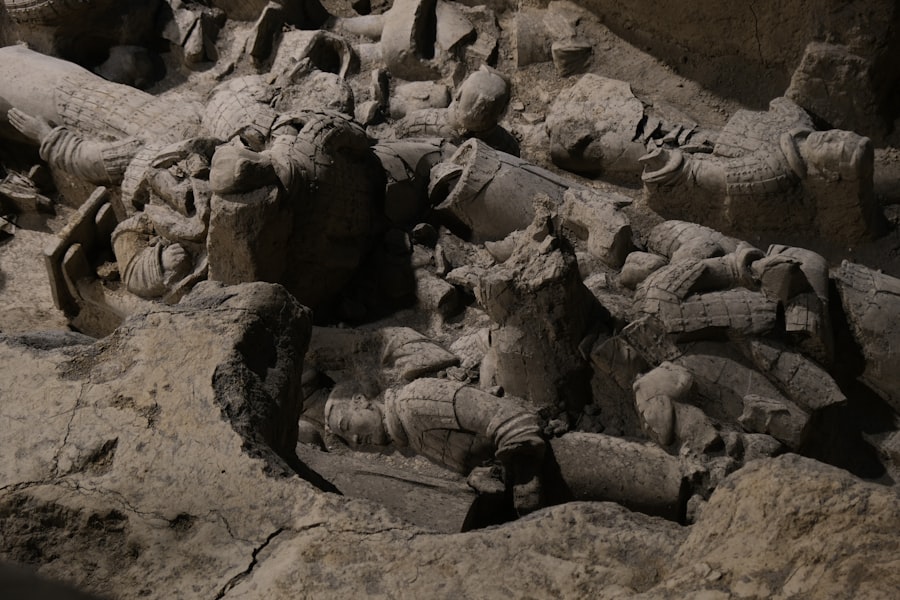
“Unearthing Ancient Mysteries” ventured beyond the tangible remnants of the past to explore the intangible aspects of ancient life: the complex social hierarchies, the intricate belief systems, and the daily lives of ordinary people. The documentary argued that a true understanding of ancient civilizations requires delving into these less visible but equally significant dimensions.
Social Stratification: The Echoes of Hierarchy
The documentary used archaeological evidence to reconstruct the social structures of ancient societies, highlighting the disparities in wealth, power, and status. Excavations of elite burials, grand residences, and humble dwellings provided contrasting pictures of life at different echelons of society. The analysis of burial goods, housing quality, and the distribution of resources offered tangible evidence of social stratification.
From Palaces to Huts: Material Manifestations of Status
The film presented compelling comparisons between the opulent residences of rulers and the more modest dwellings of commoners. The size of homes, the quality of construction materials, and the presence of luxury goods served as clear indicators of social standing. The documentary illustrated how these material differences reflected deeper societal divisions, not just in terms of economics but also in access to power and influence.
The Role of Labor: The Unsung Builders of Empires
A significant focus was placed on the often-overlooked contributions of laborers, artisans, and farmers who formed the backbone of ancient societies. Archaeological evidence of their tools, living conditions, and even their skeletal remains offered insights into their lives and the demanding nature of their work. The documentary challenged the notion that history is solely written by kings and generals, emphasizing the collective effort that underpinned the creation of great civilizations.
Cosmology and Spirituality: Reaching for the Divine
The spiritual lives of ancient peoples were explored with a sense of wonder and respect. The documentary examined how their understanding of the cosmos, their creation myths, and their rituals shaped their worldview and their place in the universe.
The Heavens Above: Celestial Influences and Astronomical Knowledge
Many ancient cultures possessed a profound understanding of celestial movements, meticulously charting the stars, planets, and cycles of the moon. The documentary showcased how astronomical observations were integrated into their religious practices, agricultural calendars, and architectural designs. The alignment of temples and observatories with celestial events spoke to a deep connection between the earthly and the divine.
Rituals and Beliefs: The Fabric of Ancient Faith
The documentary explored the diverse range of rituals, ceremonies, and belief systems that characterized ancient societies. From elaborate sacrifices to quiet acts of devotion, these practices offered profound insights into their aspirations, their fears, and their understanding of the forces that governed their lives. The interpretation of imagery on altars, in tombs, and in religious texts helped to reconstruct the intangible dimensions of ancient faith.
Daily Life: The Unseen Rhythms of Existence
Beyond the grand narratives of rulers and empires, “Unearthing Ancient Mysteries” also sought to uncover the rhythms of daily life for ordinary people. The documentary shed light on their diets, their homes, their social interactions, and their leisure activities, offering a more nuanced and relatable picture of the past.
Sustaining the Community: Food, Shelter, and Beyond
The analysis of food remains, the reconstruction of ancient kitchens, and the study of agricultural practices provided crucial information about how ancient populations sustained themselves. Similarly, the examination of domestic architecture and the artifacts found within homes offered insights into family life, domestic chores, and the organization of households. This focus on sustenance provided a grounding in the fundamental aspects of human existence.
The Fabric of Society: Family, Community, and Social Bonds
The documentary explored the nature of family structures, community organization, and social relationships in ancient times. Evidence from settlements, burial patterns, and even ancient artwork offered glimpses into how people interacted, formed bonds, and navigated their social worlds. This humanistic approach brought the past to life, reminding viewers of the shared humanity that transcends time.
The Ongoing Dialogue: Archaeology’s Contribution to Our Present and Future
“Unearthing Ancient Mysteries” concluded not with a sense of finality, but with a powerful affirmation of archaeology’s ongoing relevance. The documentary emphasized that the discoveries of the past are not merely academic curiosities but vital sources of knowledge that can inform our understanding of present-day challenges and shape our vision for the future.
Lessons from the Past: Avoiding the Pitfalls of History
The film presented carefully chosen examples of societal collapse, environmental degradation, and resource depletion from ancient civilizations. By presenting these cautionary tales, the documentary implicitly urged viewers to learn from the mistakes of the past. The analysis of the factors that led to the decline of once-powerful societies served as a stark reminder of the fragility of even the most advanced civilizations.
Environmental Stewardship: Echoes of Past Mistakes
The documentary highlighted instances where ancient societies overexploited their natural resources, leading to irreversible environmental damage and contributing to their downfall. This served as a powerful allegory for contemporary environmental issues, underscoring the importance of sustainable practices and responsible resource management. The archaeological record, in this context, acted as a stark warning about the long-term consequences of environmental neglect.
The Cycles of Change: Understanding Societal Resilience and Vulnerability
By examining the rise and fall of different civilizations, the documentary offered a framework for understanding the cyclical nature of human societies. It highlighted factors that contributed to their resilience, such as adaptability and innovation, as well as vulnerabilities that led to their demise. This broader perspective on societal dynamics provided valuable context for navigating contemporary challenges.
Reinterpreting the Narrative: Continual Discovery and Shifting Perspectives
“Unearthing Ancient Mysteries” underscored the dynamic and ever-evolving nature of archaeology. New discoveries, advancements in technology, and the application of new theoretical frameworks constantly challenge and refine our understanding of the past. The documentary celebrated this ongoing process of intellectual inquiry and the democratization of knowledge.
The Ethical Imperative: Preservation and Responsible Excavation
The film addressed the crucial ethical considerations surrounding archaeological work. The importance of preserving cultural heritage, respecting local communities, and ensuring that discoveries benefit humanity as a whole were emphasized. The documentary advocated for responsible excavation practices and the equitable repatriation of cultural artifacts, highlighting the evolving standards of ethical conduct within the field.
The Future of the Past: Archaeology in the 21st Century
The documentary concluded by looking towards the future of archaeology. It explored how new technologies, interdisciplinary collaboration, and a greater public engagement with the past will continue to shape the field. The film left viewers with a sense of optimism, recognizing that the ongoing quest to unearth ancient mysteries is not just about understanding what was, but also about illuminating what can be. The dialogue between the past and the present, as demonstrated by “Unearthing Ancient Mysteries,” is a vital and ongoing conversation that enriches our understanding of ourselves and our place in the grand tapestry of human history.

Scientists Found Earth’s Hidden Timestamp
FAQs
What is a real archaeology documentary?
A real archaeology documentary is a film or television program that presents factual information about archaeological discoveries, research, and methods. These documentaries often feature interviews with archaeologists, footage of excavations, and explanations of historical and cultural significance.
What are the benefits of watching real archaeology documentaries?
Watching real archaeology documentaries can provide viewers with a deeper understanding of ancient civilizations, historical events, and the methods used by archaeologists to uncover the past. These documentaries can also inspire an interest in history and archaeology, and promote critical thinking and curiosity about the world.
Where can I find real archaeology documentaries to watch?
Real archaeology documentaries can be found on streaming platforms such as Netflix, Amazon Prime, and Hulu, as well as on television channels dedicated to history and science programming. Many documentaries are also available for purchase or rental on DVD or digital platforms.
What are some popular real archaeology documentaries?
Some popular real archaeology documentaries include “The Lost Tomb of Jesus,” “Secrets of the Dead,” “Time Team,” “The Mummy Who Would Be King,” and “The Pyramid Code.” These documentaries cover a wide range of archaeological topics and time periods.
How can I distinguish between real archaeology documentaries and fictionalized versions?
Real archaeology documentaries are based on factual research and evidence, and often feature interviews with experts in the field. They strive to present accurate information about archaeological discoveries and methods. In contrast, fictionalized versions may include dramatized or exaggerated elements for entertainment purposes. Viewers can look for reputable sources and reviews to ensure they are watching a real archaeology documentary.