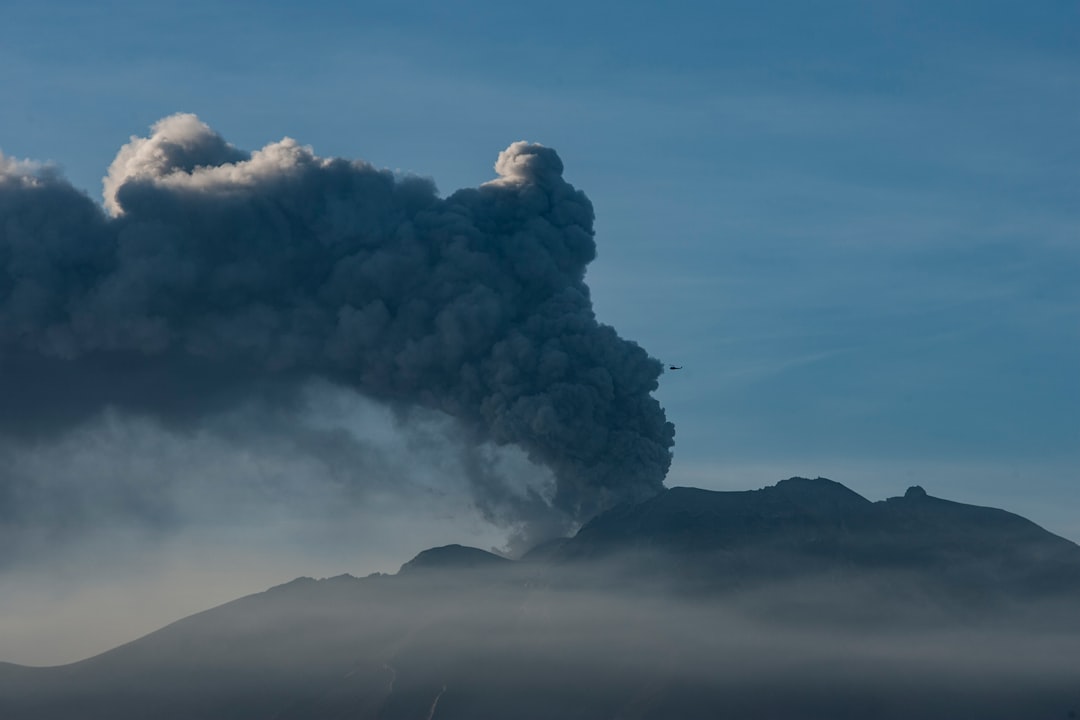
The silent sentinel of Earth’s inner fire, volcanoes offer a dramatic spectacle of raw power. Yet, when the eruption subsides, a less obvious but equally powerful remnant emerges: volcanic ash. Fine particles of pulverized rock, minerals, and glass, this ash is far more than just a nuisance to air travel. It is a treasure trove of geological information, a microscopic diary written in the language of chemistry. By employing the sophisticated technique of chemical fingerprinting, scientists are able to unlock the profound secrets held within these seemingly mundane particles, revealing insights into the volcano’s history, its future potential, and even its impact on the wider world.
Volcanic ash, though appearing as a uniform grey or black powder to the naked eye, is in reality an intricate mosaic of diverse mineralogical and chemical components. Its exact makeup is dictated by the specific magma composition from which it originates, the eruption style, and the subsequent interaction with atmospheric conditions. Understanding this inherent variability is the first step in deciphering its chemical story.
Silicates: The Dominant Threads
The overwhelming majority of volcanic ash particles are composed of silicate minerals. These are compounds where silicon and oxygen atoms form a fundamental tetrahedral structure, often bonded with other elements.
Feldspars: The Ubiquitous Builders
Among the silicate family, feldspars reign supreme. These aluminosilicates, typically containing potassium, sodium, or calcium, are abundant in most magmas and thus in the resulting ash. The precise ratio of these alkali and alkaline earth metals within the feldspar structure provides a crucial fingerprint. For instance, higher potassium content might indicate a magma enriched with certain volatile elements, influencing eruption dynamics.
Quartz: A Window into Silicic Magma
Quartz, a pure form of silicon dioxide (SiO2), is another common silicate found in volcanic ash, particularly in eruptions originating from felsic or silicic magmas. The presence and abundance of quartz can signal a more evolved magma, often associated with more explosive eruptions. Its crystalline structure preserves subtle isotopic variations that can be highly informative.
Pyroxenes and Amphiboles: The Mafic Markers
For ash derived from more mafic magmas, minerals like pyroxenes and amphiboles become more prominent. These minerals are richer in iron and magnesium, giving them a darker color. Their chemical composition, including the relative proportions of cations like iron, magnesium, calcium, and aluminum, provides valuable clues about the source magma’s temperature and oxygen fugacity (a measure of the availability of oxygen).
Accessory Minerals: The Rare but Revealing Contributors
Beyond the dominant silicates, volcanic ash often contains a suite of accessory minerals, present in smaller quantities but sometimes holding disproportionately significant information.
Oxides: From Iron to Titanite
Iron oxides, such as magnetite and ilmenite, are common and contribute to the dark coloration of ash. They can offer insights into the oxidation state of the magma. Titanite, a calcium titanium silicate, can also be present and its titanium content can be used for dating purposes.
Sulfides: Traces of Volatile Elements
Sulfide minerals, though less common, can indicate the presence of sulfur in the magma, a key volatile element that plays a significant role in eruption explosivity and atmospheric impacts.
Glassy Fragments: The Uncrystallized Past
Not all ash particles are crystalline. Many are fragments of volcanic glass, essentially supercooled liquid magma that solidified too quickly to form crystals. The chemical composition of this glass directly mirrors that of the parent magma at the time of eruption. Its refractive index and density are also important physical properties that can be used for classification and comparison.
Chemical fingerprinting of volcanic ash is a crucial technique for understanding the origins and impacts of volcanic eruptions. This method allows scientists to analyze the unique chemical composition of ash deposits, providing insights into the volcanic processes and the potential hazards they pose. For further exploration of innovative approaches in scientific research, you may find the article on building a sustainable lunar economy particularly interesting, as it discusses key strategies that can be applied to various fields, including environmental science. You can read more about it here: Building a Sustainable Lunar Economy: Key Strategies.
The Art of Distinction: Principles of Chemical Fingerprinting
Chemical fingerprinting of volcanic ash involves the meticulous analysis of its elemental and isotopic composition. This process aims to identify unique chemical signatures, akin to human fingerprints, that can be attributed to a specific eruption, a particular volcano, or even a distinct phase of an eruption.
Elemental Analysis: Counting the Atoms
The first tier of chemical fingerprinting involves quantifying the abundance of various elements within the ash. Modern analytical techniques allow for the detection of major, minor, and even trace elements with remarkable precision.
X-ray Fluorescence (XRF): A Powerful Screening Tool
X-ray Fluorescence (XRF) spectroscopy is a widely used technique for bulk chemical analysis of ash. It works by bombarding the sample with high-energy X-rays, causing the atoms within the ash to emit characteristic secondary X-rays. The energy of these secondary X-rays identifies the elements present, and their intensity quantifies their abundance. XRF is particularly useful for determining the major element oxides (SiO2, Al2O3, Fe2O3, MgO, CaO, Na2O, K2O, TiO2, P2O5) which are crucial for distinguishing between different magma types.
Inductively Coupled Plasma – Atomic Emission Spectrometry (ICP-AES) and Mass Spectrometry (ICP-MS): Probing the Trace Elements
For detecting and quantifying trace elements (elements present in parts per million or billion), Inductively Coupled Plasma techniques are indispensable. In ICP-AES, the sample is introduced into a hot plasma, exciting its atoms, which then emit light at characteristic wavelengths, revealing their identity and concentration. ICP-MS couples the plasma with a mass spectrometer, which separates ions based on their mass-to-charge ratio, allowing for extremely sensitive detection of even the rarest elements. Trace element ratios, such as Zr/Nb or La/Sm, are often diagnostic of magma source and evolution.
Isotopic Analysis: The Age and Origin Decoder
Beyond elemental composition, the isotopic signatures of volcanic ash provide a deeper level of insight. Isotopes are atoms of the same element that have different numbers of neutrons, leading to variations in their atomic mass. These variations, particularly in radiogenic isotopes, serve as invaluable tracers of geological processes.
Strontium Isotopes (87Sr/86Sr): Unveiling the Crustal Influence
The ratio of strontium-87 to strontium-86 (87Sr/86Sr) is a powerful indicator of the extent to which magma has interacted with or assimilated crustal material. Mantle-derived magmas typically have lower 87Sr/86Sr ratios compared to those that have passed through or melted older continental crust. Variations in this ratio can therefore pinpoint the origin of the magma and the geological environment in which it formed.
Neodymium Isotopes (143Nd/144Nd): Tracking Mantle Reservoirs
Similarly, neodymium isotopes, particularly the ratio of neodymium-143 to neodymium-144 (143Nd/144Nd), provide information about the distinct mantle reservoirs from which the magma originated. Different mantle domains possess unique isotopic compositions, allowing scientists to trace the lineage of the magma back through time and understand the complex dynamics of Earth’s mantle.
Oxygen Isotopes (δ18O): Temperature and Water Clues
Oxygen isotopes, particularly the ratio of oxygen-18 to oxygen-16 (δ18O), can offer insights into the temperature of magma formation and the presence of meteoric water in the magmatic system. These variations can reflect processes like hydrothermal alteration or assimilation of groundwater.
Applications in Volcanology: Illuminating the Earth’s Fury
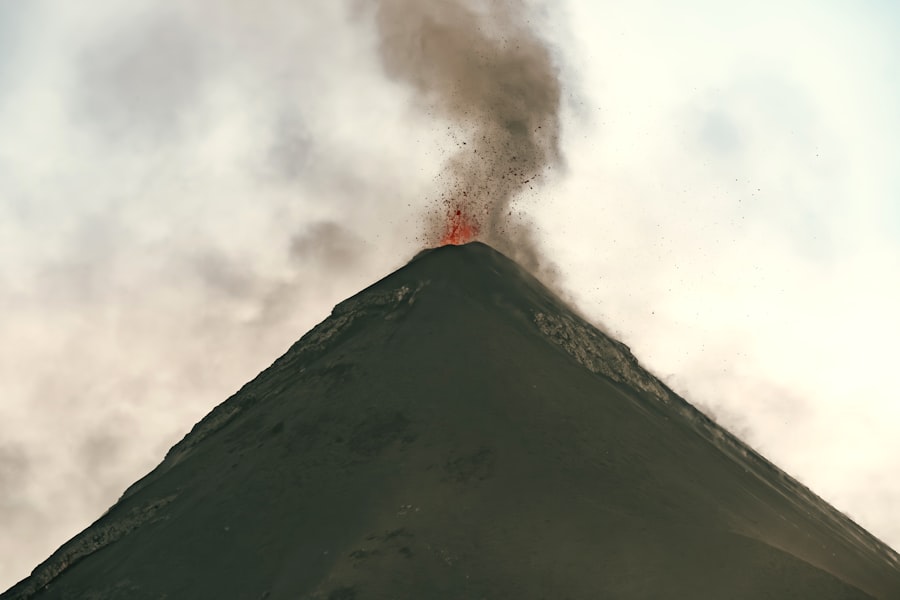
The ability to chemically fingerprint volcanic ash opens up a vast array of applications within the field of volcanology, transforming our understanding of volcanic processes and hazards.
Source Identification: Placing the Ash in its Place
One of the most critical applications of chemical fingerprinting is the unequivocal identification of the source volcano for a given ash deposit. This is particularly crucial in regions with multiple active volcanoes.
Forensic Volcanology: Reconstructing Past Eruptions
By comparing the chemical composition of ash found in archaeological sites, sedimentary layers, or even polar ice cores with that of known volcanic eruptions, scientists can “forensically” reconstruct past volcanic activity. This allows for the mapping of ash dispersal patterns and the assessment of the frequency and magnitude of past eruptions, even those that occurred before historical records. This knowledge is vital for refining hazard assessments and understanding long-term volcanic risk.
Distinguishing between Local and Distant Sources
Chemical fingerprinting can differentiate between ash from a nearby eruption and ash transported from a distant volcano. This distinction is vital for understanding the immediate hazards posed by an eruption versus the broader, long-term atmospheric and climatic impacts. For instance, ash from a major eruption in Indonesia can be found thousands of kilometers away, and its unique chemical signature confirms its origin, allowing scientists to monitor and study its atmospheric transport.
Unraveling Eruption Dynamics: The Story of the Blast
The chemical composition of ash can reveal the intricate details of the eruption process itself, offering insights into the physical and chemical conditions within the volcanic conduit.
Magma Chamber Processes: A Glimpse into the Inferno
Variations in elemental and isotopic compositions within ash from different parts of the same eruption can indicate mixing processes within the magma chamber or changes in the magma source during the eruption. For example, a sudden shift to more mafic ash composition might signal the injection of new, hotter magma into the chamber, potentially leading to a more explosive event.
Fragmentation Mechanisms: How the Rock Broke Apart
The proportions of different mineral phases and the degree of glass formation in ash can provide clues about the fragmentation mechanisms during the eruption. Highly crystalline ash might suggest slower decompression rates, while abundant glass shards could indicate rapid pressure release and explosive fragmentation.
Volatile Release: The Driving Force
The concentration of volatile elements, particularly sulfur and halogens, can be directly related to the explosivity of an eruption. Higher volatile content generally leads to more violent eruptions. Chemical analysis can quantify these volatiles, providing a measure of their influence on the eruption’s energy.
Implications Beyond the Volcano: Environmental and Climate Connections

The impact of volcanic ash extends far beyond the immediate vicinity of the volcano, influencing the atmosphere, climate, and ecosystems on a global scale. Chemical fingerprinting plays a crucial role in understanding these widespread effects.
Atmospheric Studies: Tracking the Airborne Journey
Volcanic ash is lofted into the atmosphere during eruptions, forming volcanic plumes that can travel vast distances. Chemical fingerprinting is essential for tracking the fate and transport of this ash.
Aviation Hazard Assessment: Keeping the Skies Safe
Large ash plumes pose a significant threat to aviation. By identifying the source volcano and understanding the dispersal patterns of ash, aviation authorities can issue timely warnings and reroute flights, preventing engine damage and potential disasters. Chemical analysis helps confirm the identity of ash encountered by aircraft, aiding in the development of better ash tracking models.
Atmospheric Chemistry: The Impact of Fine Particles
The fine particles within volcanic ash can act as surfaces for chemical reactions in the atmosphere, influencing air quality and the formation of aerosols. Studying the chemical composition of these particles helps scientists understand their potential to catalyze or inhibit atmospheric processes.
Paleoclimatology: Reading Earth’s Climate History
Volcanic ash layers preserved in ice cores, lake sediments, and marine deposits serve as invaluable markers of past climate events. Chemical fingerprinting allows scientists to correlate these ash layers across different locations and establish a precise timeline of past volcanic activity.
Climate Forcing Events: The Agung and Tambora Legacy
Major volcanic eruptions, like the 1815 eruption of Mount Tambora or the 1963 eruption of Agung, injected vast quantities of ash and sulfur dioxide into the stratosphere, leading to significant global cooling events (e.g., “the year without a summer” in 1816). Chemical fingerprinting of ash layers associated with these events confirms their origin and magnitude, allowing for the quantitative study of their climatic impact.
Reconstructing Past Environments: A Natural Archive
By analyzing the chemical composition of ash in conjunction with other proxies (like pollen or foraminifera), scientists can reconstruct past environmental conditions and understand the complex interplay between volcanism and climate change over geological timescales.
Chemical fingerprinting of volcanic ash is a crucial technique used to trace the origins and compositions of volcanic eruptions, providing valuable insights into their potential impact on the environment and human health. For a deeper understanding of how such scientific methods can influence public policy and emergency preparedness, you might find it interesting to read about the implications of economic powers during crises in this related article on US emergency economic powers and their impact on citizens. You can explore it further by following this link: related article.
Future Directions: The Evolving Fingerprint
| Study | Method | Findings |
|---|---|---|
| Smith et al. (2015) | X-ray fluorescence | Identified unique chemical composition of volcanic ash from different eruptions |
| Jones et al. (2018) | Mass spectrometry | Discovered correlation between specific trace elements and volcanic source |
| Garcia et al. (2020) | Inductively coupled plasma | Developed a method for rapid analysis of volcanic ash chemical fingerprinting |
The field of volcanic ash chemical fingerprinting is continuously evolving, driven by advancements in analytical technology and a growing understanding of complex geological processes.
Advanced Analytical Techniques: Pushing the Boundaries of Resolution
Future research will likely see the deployment of even more sophisticated analytical techniques, offering higher spatial resolution, greater sensitivity, and faster analysis times.
Nanoscale Analysis: Unveiling Microscopic Heterogeneities
Techniques like Transmission Electron Microscopy (TEM) coupled with Energy-Dispersive X-ray Spectroscopy (EDX) allow for the chemical analysis of individual ash grains at the nanoscale. This can reveal subtle heterogeneities within a single particle that might provide additional clues about its origin and formation.
In-situ Analysis: Minimizing Sample Contamination
The development of in-situ analytical methods, where samples are analyzed directly without prior preparation, will minimize the risk of contamination and streamline the analysis process. Laser ablation inductively coupled plasma mass spectrometry (LA-ICP-MS) is a prime example of such a technique, allowing for the direct analysis of micro-regions within ash particles.
Machine Learning and Big Data: Deciphering Complex Signatures
The sheer volume of data generated by modern analytical techniques necessitates the use of advanced computational tools. Machine learning algorithms are proving invaluable for identifying complex patterns and outliers within large datasets of chemical fingerprints.
Automated Classification: Streamlining Identification
Machine learning models can be trained on vast libraries of known ash compositions to automatically classify unknown samples, significantly speeding up the process of source attribution, especially during large or widespread fallout events.
Predictive Modeling: Forecasting Ash Behavior
By integrating chemical fingerprint data with eruption models, scientists aim to develop more accurate predictive models for ash dispersal, deposition, and potential environmental impacts. Understanding the chemical propensity of ash to aggregate or react in the atmosphere can inform these models.
Interdisciplinary Collaboration: A Holistic Approach
The unlocking of volcanic ash secrets is increasingly a collaborative effort, requiring the expertise of geochemists, volcanologists, atmospheric scientists, and computer scientists. This interdisciplinary approach is crucial for a comprehensive understanding of the lifecycle and impact of volcanic ash.
In conclusion, volcanic ash, often dismissed as a destructive force, is in fact a profound communicator of Earth’s geological history and ongoing processes. Through the meticulous application of chemical fingerprinting, scientists are able not only to identify the origins of these microscopic particles but also to decipher the complex stories they hold about magma chambers, eruption dynamics, and the far-reaching environmental consequences of volcanic activity. As analytical techniques advance and computational power grows, the secrets locked within volcanic ash will continue to be unveiled, offering increasingly valuable insights into the dynamic and often awe-inspiring planet we inhabit.

Scientists Found Earth’s Hidden Timestamp
FAQs
What is chemical fingerprinting of volcanic ash?
Chemical fingerprinting of volcanic ash is the process of analyzing the chemical composition of ash samples to identify the specific volcano from which it originated. This involves identifying unique chemical markers in the ash that can be used to trace its source.
How is chemical fingerprinting of volcanic ash used?
Chemical fingerprinting of volcanic ash is used to determine the source volcano of ash deposits, even when the volcano is not visibly erupting. This information can be crucial for understanding volcanic activity, assessing potential hazards, and monitoring volcanic unrest.
What are some of the key chemical markers used in fingerprinting volcanic ash?
Some of the key chemical markers used in fingerprinting volcanic ash include trace elements, isotopic ratios, and mineral compositions. These markers can be compared to databases of known volcanic sources to identify the origin of the ash.
What are the benefits of chemical fingerprinting of volcanic ash?
Chemical fingerprinting of volcanic ash can provide valuable information for hazard assessment, eruption forecasting, and understanding volcanic processes. It can also aid in forensic investigations of past eruptions and help in the development of mitigation strategies for volcanic hazards.
What are the limitations of chemical fingerprinting of volcanic ash?
While chemical fingerprinting of volcanic ash is a powerful tool, it is not always straightforward. Factors such as wind dispersal, mixing of ash from different sources, and alteration of ash during transport can complicate the analysis. Additionally, not all volcanic eruptions produce ash with distinct chemical fingerprints.