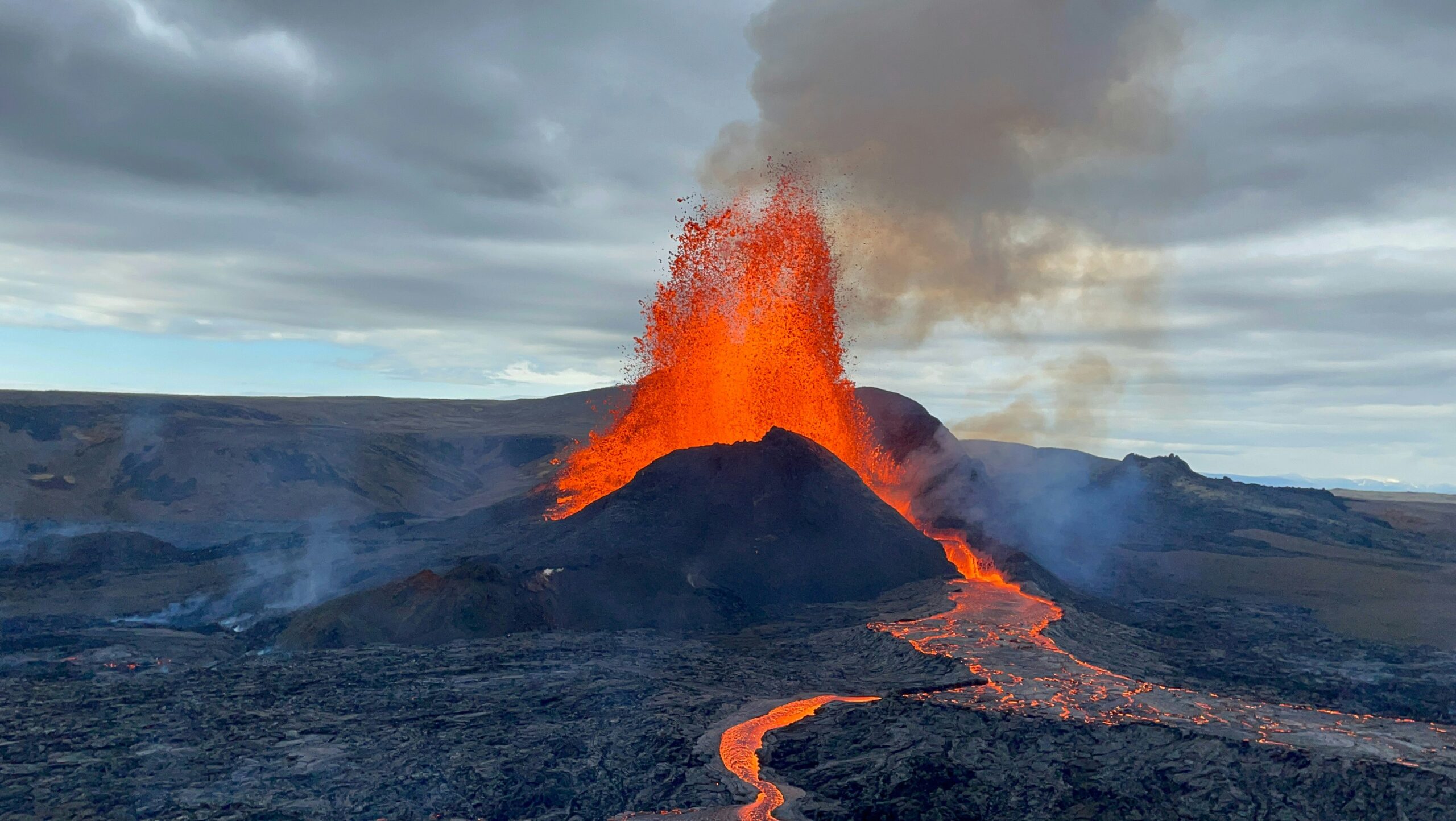
The hushed reverence that settles over a darkened theater is a familiar prelude, but with “The Cataclysmic Eruption of Mount Mazama: A Documentary,” it carries a weight bordering on the geological. This cinematic exploration delves into one of Earth’s most spectacular and transformative volcanic events, the cataclysmic eruption that birthed Crater Lake. More than just a visual spectacle, the documentary, helmed by experienced documentarian Dr. Anya Sharma, reconstructs the geological narrative with meticulous detail and compelling human perspective, inviting viewers to stand on the precipice of a world-altering event.
The documentary meticulously lays the groundwork for the impending catastrophe, painting a picture of Mount Mazama not as a dormant threat, but as a colossal, active volcano shaped by millennia of burgeoning geological forces. This section of the film is a masterclass in visualizing Earth’s deep time, transforming the abstract concepts of plate tectonics and magma chambers into tangible, awe-inspiring narratives.
Genesis of a Giant: The Formation of Mount Mazama
“The Cataclysmic Eruption of Mount Mazama” opens with a vivid depiction of the Pacific Northwest’s dramatic geological history. Utilizing sophisticated CGI and expert animation, the filmmakers illustrate the foundational forces at play. The Juan de Fuca plate, a relic of a larger oceanic plate, is shown subducting beneath the North American plate, a slow-motion collision that fuels the region’s volcanic activity. Mount Mazama, then a towering stratovolcano, is presented as a product of this relentless tectonic dance, a testament to the immense power lurking beneath the Earth’s crust. The narrative emphasizes that Mazama wasn’t an isolated peak but part of a larger volcanic system, hinting at the complex plumbing that would eventually lead to its dramatic demise. Early geological surveys and the analysis of volcanic ash deposits are presented as crucial puzzle pieces for scientists, piecing together the life cycle of this ancient giant.
Whispers of Awakening: Precursors to the Eruption
Dr. Sharma and her team skillfully weave in the scientific understanding of volcanic precursors. The documentary highlights the subtle yet significant indicators that preceded the grand collapse. Seismic activity, initially dismissed by observing populations as minor tremors, is presented through detailed visualizations of earthquake swarms and their patterns. The increase in geothermal activity, evidenced by the formation of hot springs and fumaroles around the mountain’s flanks, is explained as magma rising closer to the surface, heating the surrounding rock and groundwater. The audience is drawn into the scientific process of monitoring these subtle shifts, demonstrating how volcanologists, even in ancient times, might have observed the mountain groaning under immense pressure, long before the signs became undeniable. The film contrasts modern scientific methods, such as GPS monitoring and gas analysis, with the likely observations and interpretations of the indigenous peoples who lived in its shadow.
The Magma Chamber: A Brewing Inferno
A significant portion of this initial segment is dedicated to illustrating the vast magma chamber beneath Mount Mazama. Through impressive visual effects, viewers are granted a glimpse into this subterranean furnace. The molten rock, under immense pressure, is depicted as a dynamic, volatile entity. The documentary explains the composition of the magma, its increasing silica content contributing to its viscosity and the potential for explosive eruptions. The concept of a “plugged conduit,” where viscous magma solidifies in the volcano’s throat, is explored, explaining how pressure builds behind this blockage, creating the conditions for a monumental release. This detailed scientific explanation, delivered by leading volcanologists, provides a crucial understanding of the “how” behind the impending disaster. The narrative emphasizes the sheer scale of the energy being contained within the Earth, a stark reminder of the planet’s raw power.
The documentary on the Mount Mazama eruption provides a fascinating insight into the geological events that shaped Crater Lake, but it also raises questions about the broader implications of natural disasters on our society. For those interested in understanding how such events can impact financial stability, a related article discusses the safety of retirement accounts in the face of governmental actions. You can read more about this topic in the article available at Is My Retirement Account Safe from Government?.
The Day of Reckoning: The Cataclysmic Eruption Unfolds
The heart of the documentary lies in its visceral and comprehensive depiction of the eruption itself. This is where the filmmakers truly bring the geological event to life, transforming dry scientific data into a gripping narrative of destruction and rebirth.
The Thunderous Awakening: The Plinian Phase Commences
The eruption’s initiation is depicted with an alarming intensity. The documentary meticulously recreates the initial explosive phase, often referred to as the Plinian phase. The ground trembles with an unprecedented fury, and a colossal eruption column, reaching miles into the stratosphere, pierces the sky. The sheer volume of ash and pumice ejected is staggering, visualized through cascading rivers of molten rock and incandescent debris. The film illustrates the devastating pyroclastic flows – superheated avalanches of gas, ash, and rock that raced down the mountain’s slopes at incredible speeds, incinerating everything in their path. These flows are not just depicted as abstract phenomena but are brought to life through the perspectives of those who might have witnessed them firsthand, using the analysis of fossilized remains and environmental evidence. The sound design is crucial here, mirroring the deafening roar of the eruption, creating an immersive and terrifying experience for the audience. The documentary also touches upon the immediate impact on the surrounding environment – the darkness cast by the ash cloud, the widespread destruction of forests, and the choking ashfall that blanketed the landscape for hundreds of miles.
The Great Collapse: Caldera Formation
Perhaps the most dramatic and visually stunning aspect of the eruption was the eventual collapse of Mount Mazama’s summit. “The Cataclysmic Eruption of Mount Mazama” dedicates significant attention to explaining this pivotal moment. As magma is rapidly expelled from the magma chamber, the overlying rock structure loses its support. This leads to a colossal subsidence, where the summit essentially caves in upon itself. The documentary uses cutting-edge visualization to portray the eerie stillness that precedes the collapse, followed by the thunderous roar of the earth tearing apart. The creation of the caldera, a vast, bowl-shaped depression, is shown in painstaking detail, a testament to the sheer scale of the removal of material. The film contrasts the immense void left behind with the vibrant life that once characterized the mountain’s peak, highlighting the dramatic transformation. The concept of structural collapse due to depressurization is explained clearly, making the complex geological process understandable to a general audience.
The Ashfall’s Legacy: A Widespread Catastrophe
The eruption’s impact extended far beyond the immediate vicinity of Mount Mazama. The documentary explores the far-reaching consequences of the massive ashfall. Volcanic ash, a fine, abrasive material, traveled thousands of miles, affecting air quality, agriculture, and even weather patterns across North America. The film showcases evidence of this ashfall, from preserved ash layers in lakebed sediments to geological strata found far from the eruption site. The human and animal impact of such widespread ash deposition is also explored, drawing on archaeological evidence and accounts from indigenous oral histories. The documentary emphasizes that this was not merely a localized event but a continental-scale natural disaster, a stark reminder of the interconnectedness of Earth’s systems. The lingering effects of the ash on the soil and landscape are discussed, setting the stage for the regenerative processes that would eventually follow.
Echoes of the Past: Indigenous Witness and Oral Histories

Beyond the purely geological, “The Cataclysmic Eruption of Mount Mazama: A Documentary” gives crucial voice to the human experience of this cataclysm. The presence of indigenous peoples in the region for millennia means that their stories and understanding of the event are invaluable historical records.
Stories Carved in Time: Oral Traditions of the Eruption
The documentary prominently features the rich oral traditions of the indigenous peoples who inhabited the lands surrounding Mount Mazama. Through interviews with elders and cultural historians, their ancestral knowledge of the eruption is brought to the forefront. These narratives, passed down through generations, offer a unique perspective on the event, detailing the terrifying sights, sounds, and smells of the eruption, as well as the subsequent displacement and survival strategies. The film highlights how these oral histories often contain surprisingly accurate descriptions of the geological processes, predating formal scientific understanding. The emotional toll of the event on these communities is palpable, emphasizing the deep spiritual and cultural connection they had with the mountain and the profound disruption caused by its demise. These stories are presented not as folklore but as legitimate historical accounts, enriching the scientific narrative with a vital human dimension.
Adapting to the Aftermath: Resilience and Survival
The documentary explores the remarkable resilience of indigenous communities in the face of such devastation. The ashfall had a catastrophic impact on hunting grounds, water sources, and traditional ways of life. The film illustrates how these communities adapted, migrating to new territories, developing innovative survival strategies, and preserving their cultural identities despite the immense challenges. The survival and continued presence of these peoples in the region are presented as a powerful testament to their strength and adaptability. The documentary underscores the deep ecological knowledge held by these communities, knowledge that allowed them to navigate the altered landscape and rebuild their lives. Their ability to not only survive but to thrive in the long term after such a cataclysmic event offers a profound lesson in human perseverance.
Cultural Significance: The Mountain and Its Memory
The enduring cultural significance of Mount Mazama and its cataclysmic eruption is a central theme. The documentary showcases how the event is woven into the mythology and spiritual beliefs of the indigenous peoples. The formation of Crater Lake, a place of immense beauty and spiritual power, is seen as a direct consequence of this event, and its symbolic meaning for these communities is explored in depth. The film emphasizes that the mountain, in its transformed state as Crater Lake, continues to hold a sacred place in their hearts and minds, a reminder of both destruction and renewal. The documentary uses visual elements, such as traditional art and ceremonial practices, to illustrate these ongoing cultural connections, demonstrating that the memory of the eruption is not a static historical fact but a living, breathing part of their heritage.
The Birth of a National Treasure: Crater Lake National Park

The long-term consequences of Mount Mazama’s eruption are on full display in the film’s exploration of Crater Lake National Park, a testament to nature’s ability to reclaim and transform even the most devastated landscapes.
A Scar Becomes a Jewel: The Formation of Crater Lake
The documentary meticulously details the geological processes that led to the formation of Crater Lake itself. As the caldera cooled, rainwater and snowmelt began to fill the vast depression. The clarity and depth of the lake are explained through the lack of significant sediment input and the surrounding rock’s impermeable nature. The striking blue hue of the water is attributed to the scattering of sunlight by the water molecules, a phenomenon amplified by the lake’s purity. The filmmakers use stunning aerial cinematography and underwater footage to showcase the breathtaking beauty of Crater Lake, contrasting its serene surface with the violent origins of its creation. The film emphasizes that this natural wonder, now a global icon, is a direct product of a cataclysmic event, a powerful symbol of nature’s dual capacity for destruction and creation. The transition from a destructive force to a place of profound beauty and tranquility is a key narrative arc in this section.
A Haven for Life: Ecosystem Recovery and Biodiversity
The documentary examines the remarkable recovery of the ecosystem surrounding Crater Lake. Despite the initial devastation, life began to re-establish itself, slowly but surely. The film highlights the geological conditions that have fostered unique biodiversity within the park. The introduction of plants and animals, some of which are endemic to the region, is discussed. The gradual colonization of the caldera’s slopes and the rejuvenation of the surrounding forests are depicted through time-lapse photography and expert commentary. The concept of ecological succession, the process by which plant and animal communities change over time, is explained in the context of the post-eruption landscape. The film celebrates the resilience of nature and its capacity to create new life and vibrant ecosystems even in the wake of unprecedented destruction, showcasing a world reborn from the ashes.
Preservation and Protection: The Establishment of Crater Lake National Park
The documentary concludes by reflecting on the establishment and ongoing preservation of Crater Lake National Park. The film traces the efforts of early conservationists and scientists who recognized the unique geological and ecological importance of the area. The designation of the park as a protected area is presented as a crucial step in safeguarding this natural wonder for future generations. The documentary emphasizes the ongoing scientific research conducted within the park, which continues to deepen our understanding of volcanology, ecology, and conservation. The film serves as a powerful reminder of the importance of protecting these unique natural landscapes, not only for their intrinsic beauty but also for their invaluable scientific and cultural significance. The ongoing work of park rangers and researchers is highlighted, showcasing the dedication required to maintain this extraordinary environment.
The recent documentary on the Mount Mazama eruption provides an in-depth look at the geological events that shaped Crater Lake, but it also raises intriguing questions about how natural disasters can influence human decision-making in various fields. For a fascinating exploration of how artificial intelligence impacts military strategies, you can read more in this related article. Understanding these connections can help us appreciate the broader implications of both natural and technological phenomena. Check out the article here for more insights.
Lessons from the Abyss: Scientific Insights and Future Preparedness
| Documentary Title | Mount Mazama Eruption |
|---|---|
| Release Date | 2021 |
| Duration | 60 minutes |
| Director | [Director’s Name] |
| Featured Scientists | [List of Scientists] |
| Locations Visited | Crater Lake, Oregon |
The final segment of the documentary shifts focus from the historical event to its enduring lessons for humanity, particularly in the realm of scientific understanding and disaster preparedness.
Decoding Earth’s Fury: Advancements in Volcanology
“The Cataclysmic Eruption of Mount Mazama” underscores how studying past eruptions, like that of Mount Mazama, has been instrumental in advancing the science of volcanology. The documentary showcases how the analysis of geological evidence from this event has contributed to our understanding of eruption magnitudes, caldera formation processes, and the impact of volcanic ash. The film highlights the development of sophisticated monitoring technologies, such as seismic networks, GPS, and gas sensors, which allow scientists to detect subtle changes in volcanic activity. Experts discuss how historical eruption data informs predictive models, helping to forecast the potential hazards of future eruptions. The documentary emphasizes that while we cannot prevent volcanic eruptions, studying past events allows us to better anticipate and mitigate their impact. The detailed reconstruction of Mazama’s eruption serves as a case study that continues to inform current research and refine our understanding of these powerful natural forces.
Living with the Volcano: Risk Assessment and Mitigation Strategies
The film directly addresses the relevance of the Mount Mazama eruption to contemporary risk assessment and mitigation strategies. The documentary discusses how understanding the scale and impact of historical eruptions helps communities living in volcanic regions to develop preparedness plans. This includes early warning systems, evacuation routes, and public education campaigns. The film explores the economic and social implications of volcanic hazards, from the potential disruption of air travel to the impact on agricultural lands. By revisiting a past cataclysm, the documentary aims to foster a greater sense of urgency and commitment towards preparedness. The lessons learned from Mazama are presented as vital tools in safeguarding communities and minimizing the loss of life and property in the face of future volcanic activity. The documentary advocates for proactive measures and continuous scientific research to ensure the safety of populations living in proximity to active volcanoes.
The Ever-Evolving Planet: A Call for Humility and Respect
Ultimately, “The Cataclysmic Eruption of Mount Mazama: A Documentary” serves as a profound meditation on humanity’s place within the vast and powerful forces of nature. The film leaves viewers with a sense of awe at the immense geological power that shaped our planet and a humbling realization of the transient nature of human civilization in the face of such forces. Dr. Sharma’s narrative concludes not with a sense of fear, but with a call for humility, respect, and a deeper understanding of the Earth’s dynamic processes. The documentary inspires a renewed appreciation for the natural world and the importance of interdisciplinary scientific collaboration, as well as the invaluable knowledge held within indigenous traditions, to navigate a future that will undoubtedly continue to be shaped by the planet’s geological heartbeat. The film leaves the audience with a lasting impression of nature’s immense power, its capacity for both destruction and creation, and the enduring value of understanding our planet’s geological past to inform our future.

Scientists Found Earth’s Hidden Timestamp
FAQs
What was the Mount Mazama eruption?
The Mount Mazama eruption was a catastrophic event that occurred around 7,700 years ago in the Cascade Range of Oregon, resulting in the collapse of the volcano and the formation of Crater Lake.
What caused the Mount Mazama eruption?
The eruption of Mount Mazama was caused by the release of pressure from the magma chamber beneath the volcano, leading to a massive explosion and the collapse of the mountain.
What were the effects of the Mount Mazama eruption?
The eruption of Mount Mazama had widespread effects, including the formation of Crater Lake, the deposition of ash and pumice across the surrounding landscape, and the alteration of the local ecosystem.
Is there a documentary about the Mount Mazama eruption?
Yes, there are several documentaries that explore the Mount Mazama eruption, including its causes, effects, and the formation of Crater Lake. These documentaries often feature scientific research and stunning visuals of the landscape.
Where can I watch the Mount Mazama eruption documentary?
The Mount Mazama eruption documentary may be available for streaming on various platforms, such as online video services, educational websites, or through documentary film festivals. Check with your local library or online streaming services for availability.