The seemingly mundane surface of our world, the familiar landscapes of parks, city streets, and even our own backyards, often conceals a rich tapestry of stories, whispers of lives lived and events that shaped the present. “Unearthing History: The Hidden Stories Beneath Our Feet” delves into the captivating realm of archaeology, exploring how methodical excavation and scientific analysis peel back the layers of time, revealing the secrets buried just beneath the ground we walk on. It’s a journey into the past, a testament to human ingenuity, resilience, and the enduring power of our collective memory, a memory that often finds its most tangible form in the artifacts left behind.
The primary impulse to excavate is born from an insatiable curiosity about our origins and the evolution of human societies. The earth, in its quiet stillness, acts as a vast, silent archive, preserving remnants of past human activity that would otherwise be lost to the ravages of time and decay. Archaeology, as a discipline, is the rigorous and scientific pursuit of understanding this archive. It is more than just treasure hunting; it is an intricate puzzle-solving endeavor, where fragmented clues are meticulously pieced together to reconstruct narratives, understand customs, and shed light on the daily lives of those who came before us.
The Drive for Knowledge: Beyond Artifacts
While the allure of finding ancient artifacts is undeniable, the true drive behind archaeological excavation extends far beyond the acquisition of tangible objects.
Understanding Daily Life: The Mundane as Monumental
Archaeologists are driven to understand the everyday realities of past populations. The food they ate, the tools they used, the homes they inhabited – these seemingly mundane aspects offer profound insights into their social structures, economic practices, and technological advancements. A simple pottery shard can tell a story of trade routes, culinary traditions, and even the skills of a forgotten artisan.
Reconstruction of Past Societies: Piecing Together the Puzzle
Each excavation site is a unique jigsaw puzzle. By carefully documenting the location and context of every artifact, archaeologists can begin to reconstruct the layout of ancient settlements, understand social hierarchies, and map out the interactions between different communities. This reconstruction allows for a more nuanced understanding of how societies functioned, evolved, and eventually declined or transformed.
Bridging the Gap Between Past and Present: Lessons for Today
The study of past human endeavors, successes, and failures offers invaluable lessons for the present. By understanding how past societies grappled with challenges such as environmental change, resource management, or social unrest, we can gain perspectives that might inform our own approaches to similar issues. Archaeology provides a unique long-term perspective on the human condition.
The Scientific Method: From Guesswork to Ground Truth
Archaeology, at its core, is a science. While intuition and educated guesses play a role in initial hypothesis formation, the process of excavation and analysis is rigorously scientific. This ensures that interpretations are based on evidence and that the narratives constructed are as accurate and objective as possible.
Systematic Discovery: The Art of the Grid
Before any trowel breaks the soil, a site is meticulously planned. The use of grids ensures that the precise location of every find is recorded, creating a three-dimensional map of the past. This systematic approach prevents the haphazard disruption of archaeological context, which is as crucial as the artifacts themselves.
Stratigraphy: Reading the Layers of Time
One of the most fundamental principles of archaeology is stratigraphy. This refers to the study of the layers of soil and sediment that accumulate over time. Each layer represents a distinct period, with older layers buried beneath newer ones. By understanding the order of these layers, archaeologists can establish a chronological framework for the artifacts found within them.
Material Culture Analysis: The Language of Objects
Artifacts are the primary lingo of archaeological communication. Through detailed analysis of their materials, manufacturing techniques, and stylistic features, archaeologists can glean information about trade networks, technological capabilities, and cultural influences. Pottery, stone tools, metalwork, and even organic remains all speak volumes to those who know how to listen.
History often lies hidden beneath our feet, waiting to be uncovered and understood. Archaeological discoveries can reveal the stories of civilizations long gone, offering insights into their cultures, struggles, and triumphs. For a deeper exploration of how fragile states navigate their historical legacies and the challenges they face in the modern world, you can read more in the article “Fragile States: The Global Challenge” available at this link.
The Excavation Process: From Survey to Stratum
The journey of unearthing history is a complex and often lengthy process, beginning long before the first shovelful of earth is removed. It requires meticulous planning, sophisticated techniques, and a deep understanding of the landscape and its potential secrets.
Site Discovery: The Eyes and Ears of the Archaeologist
Identifying potential archaeological sites is the crucial first step. This process draws upon a variety of methods, from historical records to cutting-edge technology, to pinpoint areas where past human activity is likely to have occurred.
Remote Sensing: Peering Through the Veil
Modern technology allows archaeologists to survey vast areas without disturbing the ground. Techniques such as aerial photography, satellite imagery, and LiDAR (Light Detection and Ranging) can reveal subtle anomalies in the landscape that may indicate buried structures or settlements, such as crop marks visible from the air or changes in vegetation patterns.
Geophysical Surveys: Unseen Signatures
Underground, invisible electrical, magnetic, or radar signals can be used to detect buried features. Magnetometry can identify the traces of ancient hearths or kilns, while ground-penetrating radar can map out the outlines of buried walls or ditches, providing a non-invasive glimpse beneath the surface.
Surface Reconnaissance: The Walkover and the Artefact Scatter
Sometimes, the most effective method is simply to walk the land. Surface reconnaissance involves systematically surveying an area, looking for visible remains such as pottery shards, stone tools, or the subtle undulations of buried structures. Identifying concentrations of artifacts can point to the location of past habitations or activity areas.
The Trenches: Carefully Unveiling the Past
Once a promising site is identified, the excavation begins. This is a painstaking process, carried out with precision and care to ensure that the archaeological record is preserved and understood.
Establishing the Grid: Precision in Placement
The excavation site is meticulously laid out in a grid system. This ensures that the exact location of every artifact and feature is recorded with three-dimensional accuracy, allowing for later reassembly and interpretation of the site’s spatial organization.
Stratigraphic Excavation: Reading the Layers
Excavation proceeds layer by layer, following the natural stratigraphy of the soil. Archaeologists meticulously document the characteristics of each layer – its color, texture, and composition – and the artifacts found within it, building a chronological profile of the site.
Tools of the Trade: From Shovels to Brushes
While large machinery may be used for initial overburden removal, the actual excavation often involves delicate tools. Trowels, brushes, dental picks, and even fine sieves are employed to carefully expose and recover fragile artifacts without damage.
Artifacts as Storytellers: The Silent Witnesses
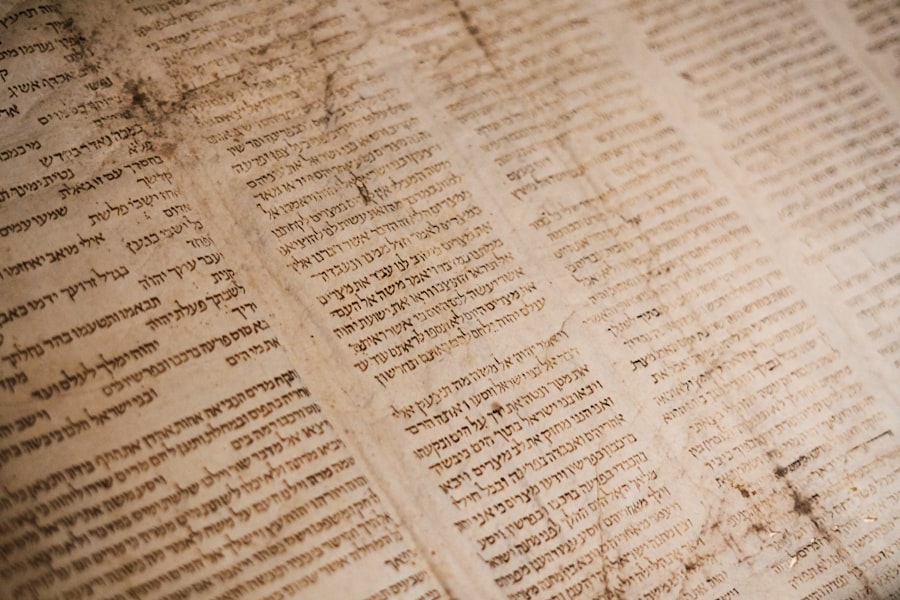
The objects unearthed during an excavation are not merely relics; they are powerful storytellers, each carrying a wealth of information about the people who created and used them. Their interpretation requires a combination of scientific analysis and informed deduction.
Material Analysis: Unlocking the Secrets of Composition
The very substance of an artifact can reveal its origins and how it was made, offering clues about trade, technology, and local resources.
Pottery Analysis: A World in a Shard
The composition of clay, the firing techniques, and the decorative styles on pottery offer insights into the social and economic connections of a community. Is the clay local or imported? Are the designs influenced by neighboring cultures? These questions can be answered through careful analysis.
Lithic Analysis: The Craft of Stone
The study of stone tools, from the raw material to the flaking techniques, reveals the technological skills of past populations. Were they using readily available local stone, or importing specialized materials? The wear patterns on tools can also indicate their intended use.
Metal Analysis: The Alchemy of the Past
Analyzing the composition of metal artifacts, such as bronze tools or iron weapons, can provide information about smelting techniques, trade in raw materials like copper and tin, and the development of metallurgical skills over time.
Functional Interpretation: What Was it Used For?
Beyond its material, the form and wear of an artifact offer clues to its purpose and the activities it was associated with.
Wear Pattern Analysis: Traces of Use
Microscopic examination of wear patterns on tools, such as scraping marks on a stone axe or polish on a bone needle, can reveal the specific tasks they were used for, shedding light on the daily activities and crafts of a community.
Typological Classification: Categorizing the Past
Artifacts are often classified into types based on their form, function, and style. This allows archaeologists to identify patterns, track changes over time, and compare findings with other sites, helping to establish cultural chronologies and connections.
Residue Analysis: Ghostly Traces of Past Meals and Activities
Sometimes, microscopic traces of organic materials can remain on artifacts. Residue analysis can identify remnants of food, drink, or other substances, providing direct evidence of diet, cooking practices, or the original contents of vessels.
The Human Element: Reconstructing Lives and Societies
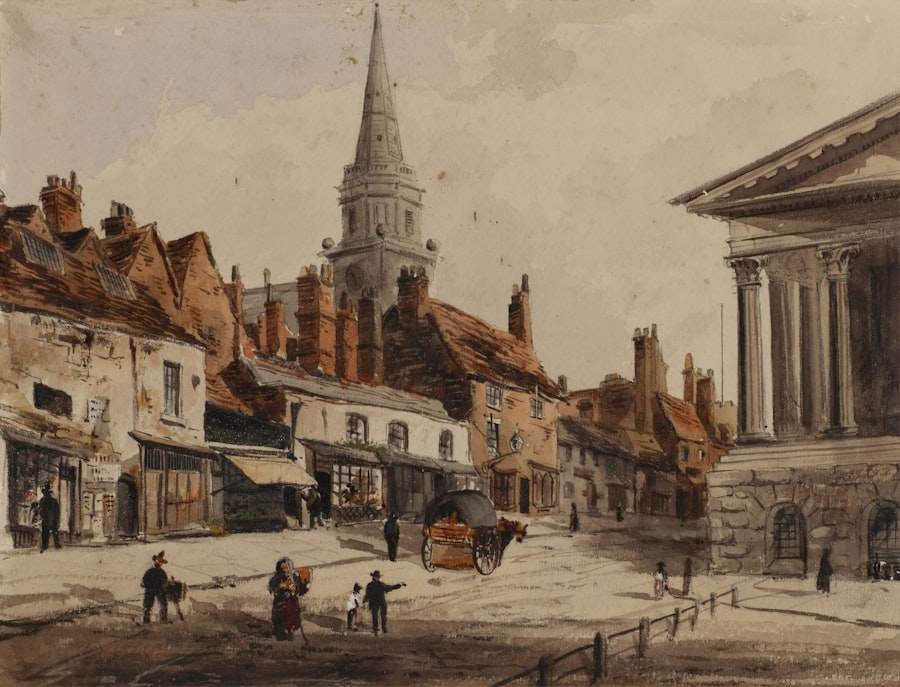
The ultimate goal of archaeology is not just to find objects, but to bring people back to life – to understand their societies, their beliefs, and their relationships with each other and their environment.
Social Structures: Who Held Power?
Through careful excavation and the analysis of burial practices and settlement patterns, archaeologists can infer the social organization of past societies.
Burial Analysis: Glimpses into Social Hierarchy and Beliefs
The way individuals were buried – the grave goods accompanying them, the location of the grave, and the treatment of the remains – can reveal information about social status, beliefs about the afterlife, and even kinship relationships.
Settlement Patterns: Organized Living or Chaotic Existence?
The layout of ancient settlements, the size and distribution of dwellings, and the presence of public spaces or defensive structures can offer insights into the social organization, governance, and resource management of a community.
Evidence of Trade and Interaction: Connecting Worlds
The presence of exotic materials or artifacts not native to a region is strong evidence of trade and interaction with other communities. This can reveal complex networks of exchange that stretched across vast distances, shaping cultural development and economic systems.
Belief Systems and Rituals: The Unseen World
The tangible remains left behind can offer tantalizing glimpses into the intangible world of belief systems and rituals.
Iconography and Symbolism: The Language of the Divine
The deciphering of symbols, images, and artistic motifs found on artifacts and structures can provide insights into religious beliefs, mythology, and the spiritual practices of past peoples.
Ritual Sites and Offerings: Places of Worship and Connection
The identification of dedicated spaces for religious practices, the discovery of offerings, and the analysis of associated artifacts can illuminate the ritualistic lives and belief systems of ancient communities.
The Afterlife: What They Hoped For
Burial practices, funerary art, and the disposition of the dead offer some of the most direct evidence for beliefs surrounding death and the afterlife, revealing how past cultures conceptualized existence beyond mortality.
As we explore the vast narratives of our past, it’s fascinating to consider the history hidden beneath our feet, often overlooked in our daily lives. Archaeological discoveries continue to unveil stories that shape our understanding of ancient civilizations. For instance, a recent article discusses the implications of space exploration on our historical perspective, highlighting how our quest for knowledge can sometimes overshadow the treasures lying just below the surface. To delve deeper into this intriguing connection, you can read more about it in this insightful piece on the end of peaceful space exploration here.
Beyond the Dig: Preservation, Interpretation, and the Future
| City | Archaeological Site | Discoveries |
|---|---|---|
| Rome | Colosseum | Ancient artifacts, gladiator barracks |
| Cairo | The Great Pyramid of Giza | Hieroglyphics, burial chambers |
| Athens | Acropolis | Ancient temples, statues |
| Mexico City | Templo Mayor | Aztec artifacts, sacrificial offerings |
The work of archaeology does not end when the last artifact is bagged and tagged. The crucial stages of preservation, interpretation, and dissemination ensure that the stories unearthed are not lost to time but are shared with the world, informing our understanding of humanity.
Preservation: Safeguarding the Past for the Future
Once unearthed, artifacts and sites are vulnerable. Rigorous preservation efforts are essential to protect these invaluable remnants of history.
Conservation Techniques: Stabilizing Fragile Remains
Archaeologists employ specialized conservation techniques to stabilize and protect fragile artifacts. This can involve cleaning, consolidating, and sometimes even recreating missing elements to prevent further deterioration.
Site Preservation: Protecting the Context
Beyond individual artifacts, entire archaeological sites require protection. This can involve creating protective structures, managing the environment, or implementing measures to prevent looting and vandalism.
Digital Archiving: Creating a Virtual Legacy
In an era of digital technology, the creation of detailed digital records, including 3D scans of artifacts and sites, plays a vital role in preservation. This ensures that even if the physical remains are lost, the data and interpretations remain accessible.
Interpretation and Dissemination: Sharing the Stories
The findings of archaeological research are of little value if they remain hidden within academic journals. Effective interpretation and dissemination are crucial for public understanding and appreciation.
Public Archaeology: Engaging the Community
Many archaeological projects actively involve the public through volunteer opportunities, open days, and educational programs, fostering a deeper connection between communities and their local history.
Museums and Exhibitions: Bringing the Past to Life
Museums serve as vital conduits for sharing archaeological discoveries with the wider public. Exhibitions can bring tangible artifacts to life, offering immersive experiences that educate and inspire.
Scholarly Publication and Collaboration: Building Knowledge
The rigorous dissemination of research findings through peer-reviewed publications and participation in academic conferences is essential for advancing archaeological knowledge and engaging in ongoing dialogue with the global scientific community.
The Future of Unearthing History: New Tools and New Questions
Archaeology is a dynamic and evolving field. New technologies and shifting focuses promise to reveal even more about the hidden stories beneath our feet.
Advancements in Scientific Technology: Deeper Insights
Technological innovations, such as advanced DNA analysis, isotopic analysis, and improved dating techniques, are providing unprecedented insights into human migration, diet, and health in the past.
Addressing Modern Challenges: Lessons from Antiquity
Archaeology is increasingly being called upon to address contemporary issues. Understanding how past societies adapted to environmental changes or managed resources can offer valuable lessons for tackling climate change and sustainability.
The Ethics of Excavation: Responsibility and Respect
As archaeological methods advance, so too does the ethical consideration of our engagement with the past. Questions of repatriation of artifacts, the involvement of descendant communities, and the responsible stewardship of heritage are becoming increasingly important.
The earth beneath our feet is not merely soil and rock; it is a layered chronicle of human endeavor. “Unearthing History: The Hidden Stories Beneath Our Feet” is an exploration of the profound significance of archaeology, a discipline that, through meticulous excavation and insightful interpretation, allows us to connect with our ancestors, understand the trajectory of human civilization, and gain a richer appreciation for the complex and enduring legacy that lies just beneath the surface of our everyday existence. Each artifact, each site, is a testament to the enduring narrative of humankind, a story waiting patiently to be unearthed, understood, and shared.

Scientists Found Earth’s Hidden Timestamp
FAQs
What is the significance of history hidden beneath our feet?
The history hidden beneath our feet refers to the artifacts, structures, and remnants of past civilizations that lie buried beneath the earth’s surface. These hidden historical treasures provide valuable insights into the lives, cultures, and technologies of ancient societies.
How do archaeologists uncover history hidden beneath our feet?
Archaeologists use a variety of methods to uncover history hidden beneath our feet, including excavation, ground-penetrating radar, aerial surveys, and remote sensing technologies. These techniques help archaeologists locate and uncover buried artifacts and structures without causing damage to the historical remains.
What types of historical artifacts can be found beneath the earth’s surface?
A wide range of historical artifacts can be found beneath the earth’s surface, including pottery, tools, weapons, jewelry, coins, and architectural remains such as foundations, walls, and roads. These artifacts provide valuable clues about the daily lives, customs, and technologies of past civilizations.
Why is it important to preserve and study history hidden beneath our feet?
Preserving and studying history hidden beneath our feet is important because it helps us understand and appreciate the achievements and challenges of past societies. By studying these historical remnants, we can gain insights into the development of human civilization and learn valuable lessons that can inform our present and future.
What are some famous archaeological discoveries that have uncovered history hidden beneath our feet?
Some famous archaeological discoveries that have uncovered history hidden beneath our feet include the ancient city of Pompeii, the Terracotta Army in China, the Rosetta Stone in Egypt, and the discovery of the tomb of King Tutankhamun. These discoveries have provided valuable insights into ancient cultures and have captured the imagination of people around the world.