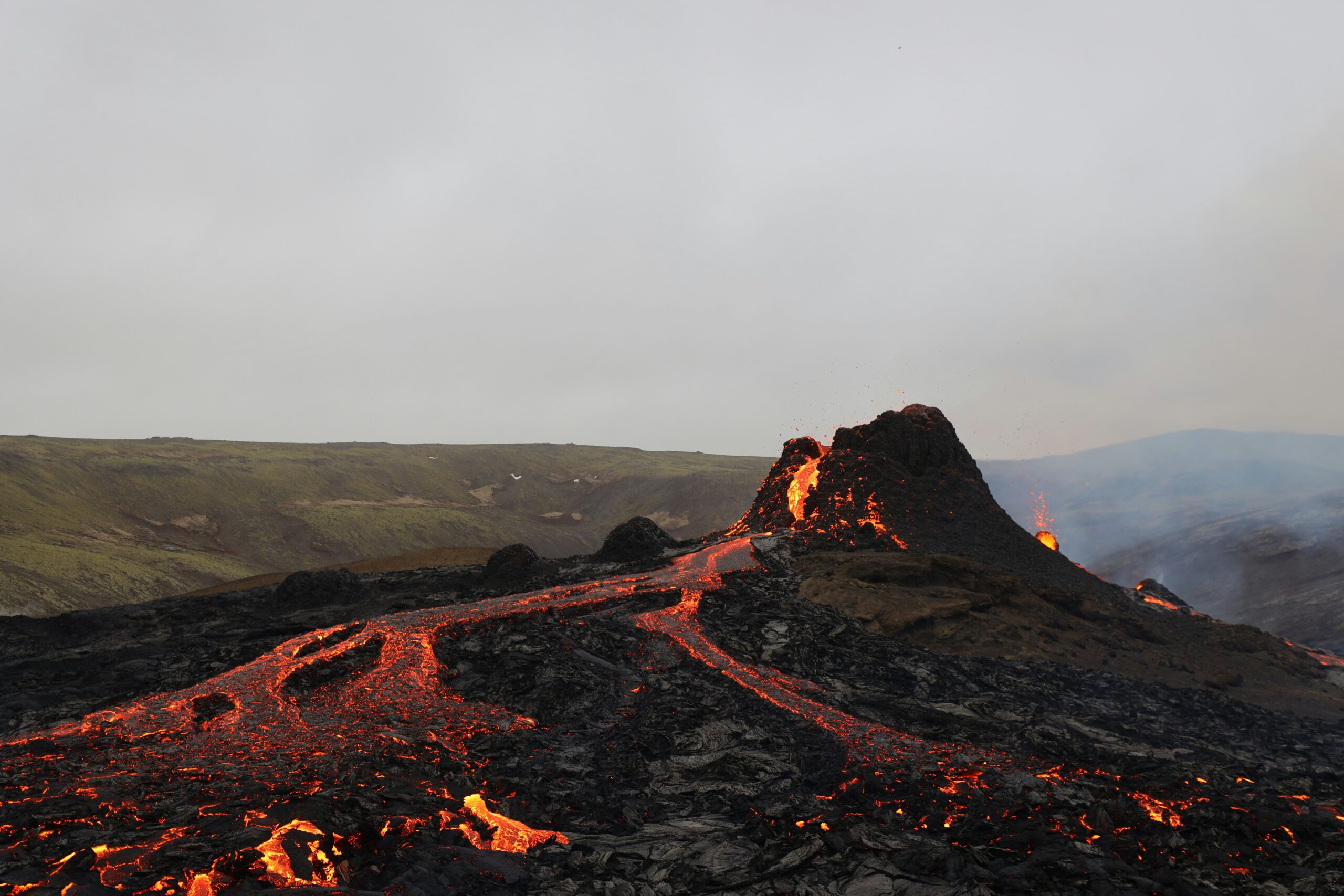
The charred remnants of a once-vibrant life, frozen in time by a cataclysmic eruption, offer a unique window into the past. “Unearthing the Past: Volcano Archaeology” is a captivating documentary that delves into the extraordinary field of volcano archaeology, exploring how these natural disasters, while destructive, have also served as unparalleled preservers of human history. Through breathtaking visuals and expert interviews, the film unveils the meticulous work of archaeologists who sift through layers of ash and pumice to reconstruct forgotten civilizations and understand the impact of volcanic events on human societies. This article will explore the key themes and discoveries presented in the documentary, highlighting the scientific rigor, the human stories, and the profound insights gained from these ash-entombed archaeological sites.
Volcanic eruptions are primal forces of nature, capable of unleashing unimaginable destruction. Yet, it is this very destructive capacity that paradoxically leads to an exceptional form of preservation. The documentary effectively illustrates this duality, showcasing how molten lava, pyroclastic flows, and thick layers of ash can create an almost hermetically sealed environment, protecting organic materials and delicate artifacts from the ravages of time, decomposition, and even human interference.
The Nature of Volcanic Preservation
The film begins by explaining the scientific principles behind volcanic preservation. It details how rapid burial under volcanic material can prevent decay by creating an oxygen-deprived environment. This lack of oxygen inhibits the activity of microorganisms that typically break down organic matter. Furthermore, the high temperatures involved in some eruptions can carbonize materials like wood and textiles, transforming them into a stable form that can survive for millennia. Pyroclastic flows, composed of superheated gas and volcanic debris, move at incredible speeds, engulfing settlements in a matter of moments. While devastating to life, this swiftness is crucial for preservation, as it minimizes the time for decomposition and weathering to begin. The documentary uses CGI reconstructions to vividly depict the speed and intensity of these events, emphasizing how quickly ancient lives were extinguished but also how effectively they were encased.
Case Studies in Preservation
“Unearthing the Past” features several compelling case studies that exemplify the power of volcanic preservation. Pompeii and Herculaneum in Italy are perhaps the most famous examples, immortalized by the eruption of Mount Vesuvius in 79 AD. The documentary revisits these iconic sites, not just showing the familiar plaster casts of victims but also delving into the more recent archaeological discoveries that have revolutionized our understanding of daily life in the Roman Empire. Beyond Italy, the film takes viewers to sites like Akrotiri on the island of Santorini in Greece, buried by the eruption of Thera around 1600 BC, and Chan Chan in Peru, a vast Moche city partially affected by volcanic ashfall. Each location offers a distinct perspective on the types of materials preserved and the unique challenges faced by archaeologists. The documentary highlights how different volcanic products – ash, pumice, lava – result in varying degrees of preservation, affecting different types of artifacts and structures in distinct ways.
In the fascinating realm of volcano archaeology, the interplay between ancient civilizations and volcanic activity reveals much about human resilience and adaptation. A related article that delves into the broader implications of geological changes is titled “Isostatic Rebound and Antarctic Topography: A Changing Landscape.” This piece explores how shifts in the Earth’s crust, influenced by melting ice and volcanic activity, can reshape landscapes and impact ecosystems. For more insights into these geological processes and their significance, you can read the article here: Isostatic Rebound and Antarctic Topography: A Changing Landscape.
The Archaeologist’s Palette: Tools and Techniques in the Ash
The work of volcano archaeologists is a multidisciplinary endeavor, requiring a unique blend of traditional archaeological methods and specialized scientific techniques. The documentary meticulously unpacks the tools and strategies employed by these researchers as they navigate treacherous volcanic landscapes and delicately excavate fragile remnants of the past.
Initial Survey and Non-Invasive Exploration
Before any trowel hits the ground, a comprehensive survey is crucial. The film showcases the use of remote sensing technologies, such as ground-penetrating radar (GPR) and magnetometry, to identify buried structures and anomalies without disturbing the delicate stratigraphy. Drones equipped with high-resolution cameras provide aerial mapping and can help identify subtle changes in topography that may indicate buried archaeological features. The documentary emphasizes the importance of these non-invasive techniques in ensuring the long-term preservation of the sites themselves, minimizing the impact of excavation. This initial phase is crucial for planning excavation strategies and focusing resources on the most promising areas.
Excavation: A Delicate Dance with Time
Excavation in volcano archaeology is a painstaking process. The documentary illustrates the careful removal of volcanic debris, often layer by painstaking layer, using brushes, dental picks, and other fine tools to distinguish between natural volcanic deposits and human-made layers. The fragility of many excavated materials, such as carbonized textiles, painted frescoes on walls, and even the delicate outlines of wooden furniture, necessitates extreme caution. Conservationists often work alongside archaeologists on-site, immediately stabilizing and protecting artifacts as they are unearthed. The film’s cinematography captures the intense concentration and meticulousness of the excavators, highlighting the immense responsibility they bear in revealing these ancient stories. The process is likened to a delicate dance, where every movement must be precise and respectful of the past.
The fascinating world of volcano archaeology is explored in a captivating documentary that delves into the remnants of ancient civilizations buried beneath layers of ash and lava. This intriguing subject is further enriched by a related article that discusses the remarkable advancements in technology from ancient cultures, shedding light on their ingenuity and resilience. To learn more about these unbelievable innovations, you can read the article here: unbelievable ancient advanced technology.
Scientific Analysis: Unlocking Deeper Secrets
Once unearthed, artifacts and samples undergo rigorous scientific analysis. The documentary delves into the cutting-edge technologies that help decipher the secrets locked within volcanic deposits. Radiocarbon dating provides precise chronologies, while the analysis of pollen and micro-botanical remains can reconstruct past environments and agricultural practices. Petrography, the study of rock thin sections, helps identify the source of volcanic materials and understand the eruptive processes. DNA analysis, though challenging with ancient, heat-altered samples, is beginning to offer insights into the genetic makeup of past populations and even domesticated animals. The film showcases laboratories where scientists meticulously examine these samples, transforming raw data into compelling narratives about ancient lives.
Echoes of Life: Reconstructing Daily Existence

Beyond the grand structures and significant events, volcano archaeology excels at revealing the mundane yet profound details of everyday life. The documentary brings to life the intimate stories of the people who inhabited these volcanic landscapes, offering a tangible connection to their routines, their social structures, and their hopes and fears.
Homes and Households: A Glimpse into Domesticity
The perfectly preserved homes of Pompeii and Herculaneum are a cornerstone of this aspect of volcano archaeology. The documentary explores how archaeologists have reconstructed entire households, from the layout of rooms and furniture to the personal belongings left behind. The ash-encased kitchens reveal cooking utensils, food remains, and even bread still in ovens, providing an unparalleled glimpse into ancient diets and culinary practices. The decorative elements of homes, such as vibrant frescoes depicting mythological scenes, daily life, and portraits of family members, offer insights into artistic tastes, social status, and personal beliefs. The film emphasizes the emotional resonance of these discoveries, allowing viewers to imagine families gathered for meals, children playing, and the everyday rhythms of ancient domesticity.
Livelihoods and Labor: The Backbone of Society
The documentary also sheds light on the economic activities and labor practices of these ancient societies. In Pompeii, the remains of bakeries with their intact ovens and grinding stones, taverns with their wine amphorae, and workshops of artisans provide a detailed picture of local commerce and production. The discovery of tools used by blacksmiths, weavers, and potters allows archaeologists to reconstruct manufacturing processes and understand the division of labor. For sites like Akrotiri, the evidence of maritime trade and fishing further enriches our understanding of their economic base. The film highlights how these archaeological finds help challenge long-held assumptions about ancient economies and reveal the sophistication of their organization and specialization.
Social Fabric and Personal Lives: The Human Element
Perhaps the most poignant aspect of volcano archaeology is its ability to reveal the personal lives of individuals. The famous plaster casts from Pompeii, capturing the final moments of victims, are a powerful reminder of the human tragedy. However, the documentary goes further, exploring how detailed analysis of skeletal remains can reveal information about age, sex, health, diet, and even cause of death. The discovery of personal adornments like jewelry, cosmetics, and games offers insights into individual identities and leisure activities. The film humanizes these ancient populations, transforming them from abstract historical figures into relatable individuals with their own distinct personalities and experiences. The careful reconstruction of communal spaces like public baths and forums also illuminates their social interactions and civic life.
The Voice of the Volcano: Understanding Catastrophe and Adaptation

Volcano archaeology is not merely about recovering artifacts; it is also about understanding the profound impact of volcanic activity on human civilizations. The documentary explores how these events shaped settlement patterns, influenced belief systems, and forced societies to adapt and rebuild.
The Immediate Impact: Escape and Survival
The film vividly depicts the chaotic and terrifying scenarios that unfolded during volcanic eruptions. It explores the efforts of individuals and communities to escape the devastating forces of nature. Archaeological evidence, such as hastily abandoned belongings and evidence of attempts to flee, provides a tangible narrative of these desperate moments. The documentary also examines the human capacity for resilience, showcasing instances where communities managed to survive and even thrive in the aftermath of volcanic events, demonstrating remarkable adaptability. The presence of intact shelters or escape routes offers clues to how people tried to mitigate the immediate threats.
Long-Term Consequences: Resettlement and Adaptation
Volcanic eruptions often forced significant migrations and shifts in settlement patterns. The documentary discusses how communities might have abandoned heavily affected areas and established new settlements in safer locations. This process of resettlement could lead to the loss of cultural knowledge and traditions, or conversely, the fusion of new influences. The film explores how the constant threat of volcanic activity might have shaped the worldview and religious beliefs of these societies, perhaps leading to the veneration of volcanic deities or the development of coping mechanisms for dealing with natural disasters. The documentary often contrasts areas that were completely obliterated with those that experienced less severe impacts, illustrating the varied outcomes.
Learning from the Past: Modern Relevance
The documentary concludes by emphasizing the enduring relevance of volcano archaeology for understanding contemporary issues. By studying how ancient societies coped with volcanic events, we can gain valuable insights into disaster preparedness, risk assessment, and community resilience in the face of natural hazards. The lessons learned from these ash-entombed civilizations can inform modern urban planning, emergency response strategies, and our broader understanding of human-environment interactions. The film serves as a powerful reminder that while technology has advanced, the fundamental challenges of living with powerful natural forces remain constant, and the past offers invaluable wisdom for navigating the present and future.
The Enduring Legacy of the Ash
“Unearthing the Past: Volcano Archaeology” serves as a compelling testament to the detective work of archaeologists and the enduring power of the past to inform the present. The extraordinary preservation offered by volcanic environments allows us to reach back through millennia and connect with the lives of people whose stories would otherwise be lost to time. The documentary is a celebration of scientific inquiry, human resilience, and the profound narratives that lie hidden beneath layers of ash – a testament to the fact that even in destruction, there can be an unparalleled form of creation, a creation of knowledge and understanding that continues to enrich our world. The careful and dedicated work of these researchers ensures that the voices of those long silenced by the fury of the earth can finally be heard.

Scientists Found Earth’s Hidden Timestamp
FAQs
What is volcano archaeology?
Volcano archaeology is the study of ancient human settlements and artifacts that have been preserved by volcanic eruptions. This field of study focuses on understanding how volcanic activity has impacted human societies throughout history.
What is a volcano archaeology documentary?
A volcano archaeology documentary is a film or video production that explores the findings and research related to ancient human settlements and artifacts preserved by volcanic eruptions. These documentaries often feature interviews with archaeologists, footage of excavation sites, and computer-generated reconstructions of ancient civilizations.
What can viewers expect to learn from a volcano archaeology documentary?
Viewers can expect to learn about the ways in which volcanic eruptions have affected human societies, including the preservation of artifacts and the impact on ancient cultures. These documentaries often provide insights into the daily lives, customs, and technologies of ancient civilizations that were buried by volcanic activity.
Are volcano archaeology documentaries based on real scientific research?
Yes, volcano archaeology documentaries are based on real scientific research conducted by archaeologists and other experts in the field. These documentaries often feature the latest findings and discoveries related to ancient human settlements and artifacts preserved by volcanic eruptions.
Where can I watch volcano archaeology documentaries?
Volcano archaeology documentaries can be found on streaming platforms, such as Netflix, Amazon Prime, and Hulu, as well as on educational channels and websites dedicated to archaeology and history. Additionally, some documentaries may be available for purchase or rental on DVD or Blu-ray.